Helke Misselwitz — Director (5)

Movie

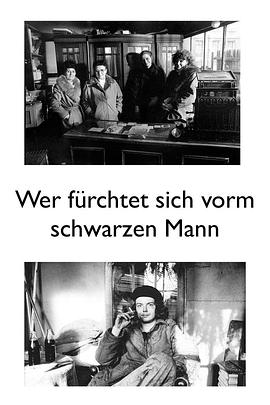
Who’s Afraid of the Bogeyman (1989)
Douban
other title: Wer fürchtet sich vorm schwarzen Mann / Wer fürchtet sich vorm schwarzen Mann?
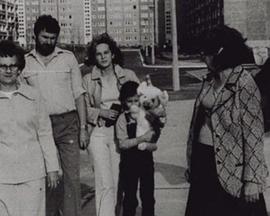
1988/89年东柏林普伦茨劳尔伯格区一家私营煤炭公司的照片。这位好动的女老板以幽默和理解经营着这家公司。她的七个男雇员尊重她。对于外界来说,他们都是坚强的人,但当他们描述自己的工作和个人情况时,他们的脆弱性开始显现出来,超越了艰苦的体力劳动。在温文尔雅的提问下,这项由赫尔克·米塞尔维茨(Helke Misselwitz)主持的社会调查的研究对象愿意让观众“洞察自己的内心”:“这粗糙的手能变得温柔吗?”这种做法有时让人觉得,这似乎是社会主义工人国边缘团结的乌托邦。从下面看这些数字,这部电影触及了许多禁忌。讨论的主题从柏林墙的修建和可能的逃跑,到虐待儿童和自杀,以及监狱和酗酒。这部电影强烈地追求真实性,这也是为什么它被拍摄成“过时的”黑白照片的原因,它记录了一种很快就会过时的交易——把它变成对东德社会矛盾的调查,这是在该国政治崩溃前几个月所做的。 Portrait of a private coal company in East Berlin’s Prenzlauer Berg district in 1988/89. The feisty woman boss runs the business with humour and understanding. Her seven male employees respect her. To the outside world, they are all tough guys, but as they describe their jobs and personal situations, above and beyond the hard manual labour, their vulnerability starts to come to light. Under gentle questioning, the subjects of this social survey by Helke Misselwitz willingly allow the audience a “look into their hearts”: “Can hands this rough be tender?” That approach makes it seem, at times, as if this were a utopia of solidarity at the margins of the Socialist workers’ state. Looking at these figures “from below”, the film touches on many taboos. The discussion subjects range from the building of the Berlin Wall and possible escape, to child abuse and suicide, as well as prison and alcoholism. Fiercely intent on authenticity, which is why it was shot in “outmoded” black-and-white, the film documents a trade that would soon itself become obsolete – turning it into a survey of social contradictions in East Germany, made just a few months before the country’s political collapse.
Movie

Tango-Traum (1985)
Douban
other title: Tango Dream
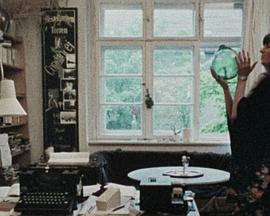
A melancholic dream about dance and music, as well as unfulfilled desires and wanderlust behind the Berlin Wall. Sitting at her typewriter in her Prenzlauer Berg apartment, listening to tango music, a woman (played by Helke Misselwitz) writes the script for a film about tango and dreams, about Buenos Aires and Montevideo –a different world, where, long ago, tango was born. The film explores the tense relationship between the human desires, poetry and politics that merge in tango, and an awareness of life that can only emerge and exist in the culture in which it was born.

Movie

35张照片 (1984)
35 Fotos Douban
other title: 35 Fotos / 35 Photos
A woman born in 1949, the year the GDR was founded, talks about her life based on 35 images in her family album that each represent one year. This short was to premiere on the occasion of the 35th anniversary of East Germany. Officials rejected the short, however, as an ostensibly negative portrait of GDR family life presented by an atypical woman, a divorced, single mother. It was released under a different title a year later.

Movie

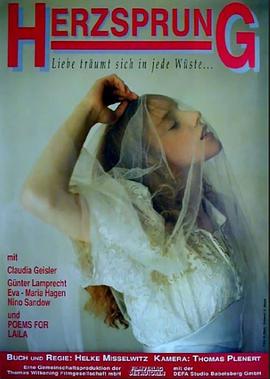
Herzsprung (1992)
Herzsprung Douban
other title: 心跳
Herzsprung depicts Johanna’s day-to-day life in January 1992, only two years after German reunification. As the film opens, Johanna is laid off from her work, and soon after that her abusive husband dies. She decides she wants to start over and pursue a new life. This is when a dark-skinned stranger whom she once briefly met, returns looking for her. Some members of the Herzsprung community harbor racism against foreigners and blacks, so Johanna must take a leap of faith to decide which she would rather have: the man she loves or acceptance from her fellow townspeople.

Movie

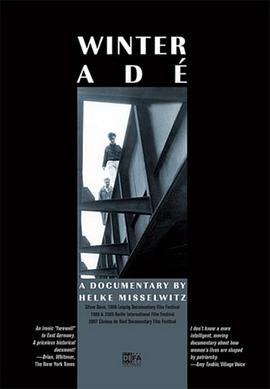
After Winter Comes Spring (1989)
Winter ade WikiData IMDb TMDB Douban
other title: 冬日再见 / Winter ade …
A locomotive journey traversing the North to the South of the German Democratic Republic on the eve of its dissolution. Labourers, punks, mothers, intellectuals, young and old are implored to reflect on their life choices, the sacrifices they've made, and their place in the world. Despite everything, hope persists.