Käthe Haack — Actor (14)
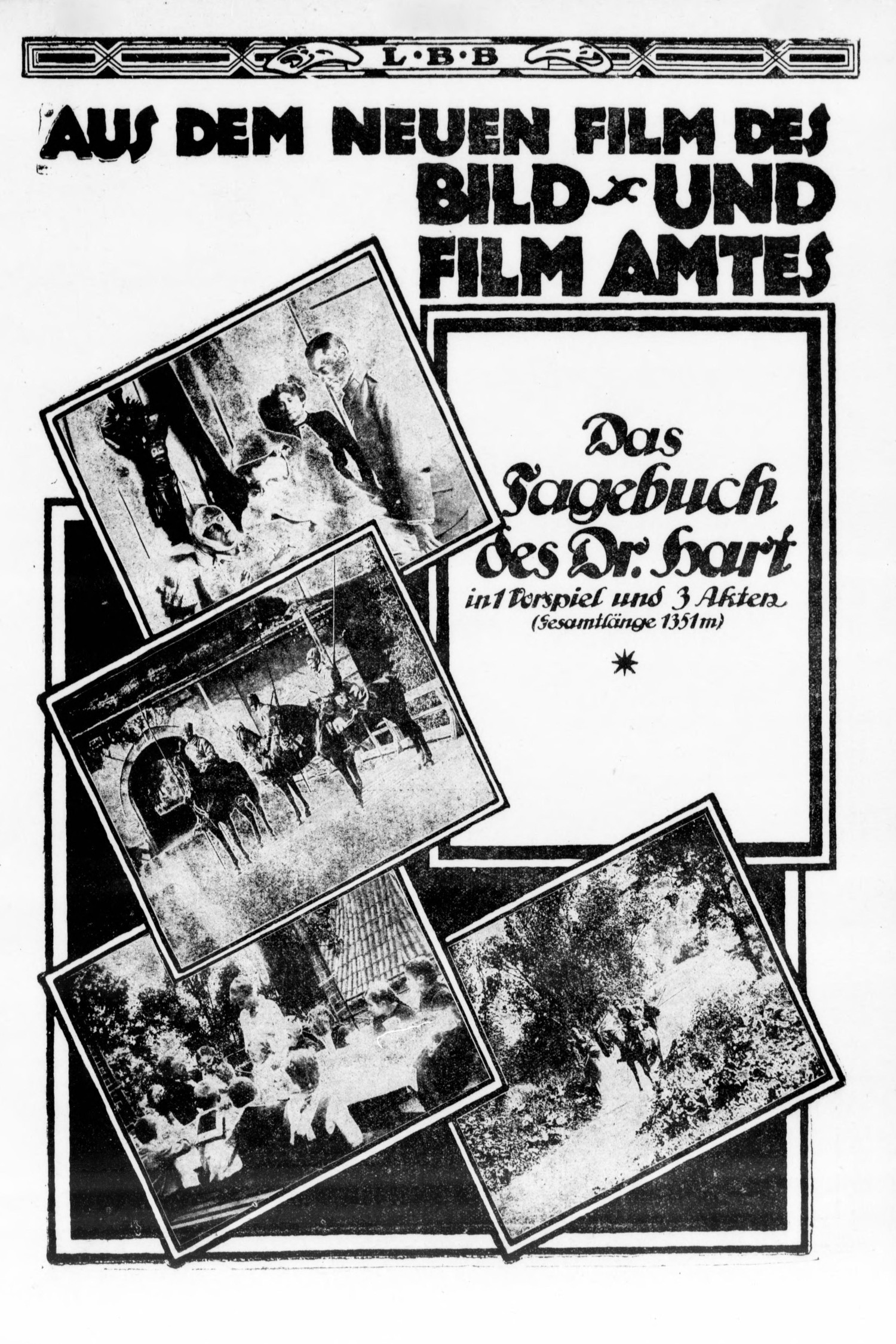
The Diary of Dr. Hart (1918) [Movie] WikiData IMDb TMDB
Das Tagebuch des Dr. Hart
director: Paul Leni actor: Heinrich Schroth / Käthe Haack
other title: Das Tagebuch des Dr. Hart / Dr. Hart's Diary
Dr. Robert Hart visits his friend Ursula von Hohenau in Saxony in July 1914. There he hears about the Austrian ultimatum to Serbia. He immediately returns to his home town where, just before mobilisation, he meets the Polish count Bransky and his daughter Jadwiga, the French Vicomte Latour and the Russian counsellor of embassy count Bronislaw Krascinsky. Bronislaw is madly in love with Jadwiga and jealous of Dr. Hart. After the outbreak of the war Dr. Hart works close to the Polish frontlines. Bronislaw leads the Russian troops in this area. When Bronislaw is wounded during a battle with the Germans Dr. Hart finds him and takes care of his wounds.
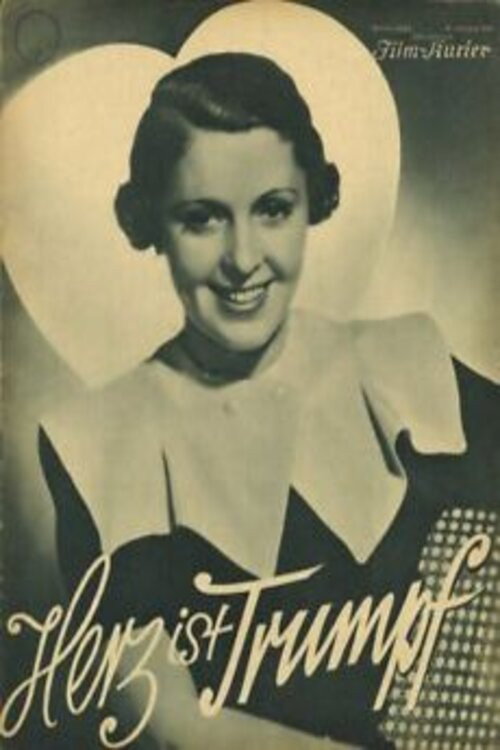
Hearts Are Trumps (1934) [Movie] WikiData IMDb TMDB
Herz ist Trumpf
director: Carl Boese actor: Jenny Jugo / Paul Hörbiger
other title: Herz ist Trumpf / Hearts are Trumps
Hotel tycoon Paulsen re-meets an old flame who mistakes him for a waiter. Paulsen's daughter Toni likes hotelier Reno and accepts to work for him as a waitress and chambermaid because she wants to be loved for herself, not her money.
Smuggler's Ball (1952) [Movie] WikiData IMDb TMDB
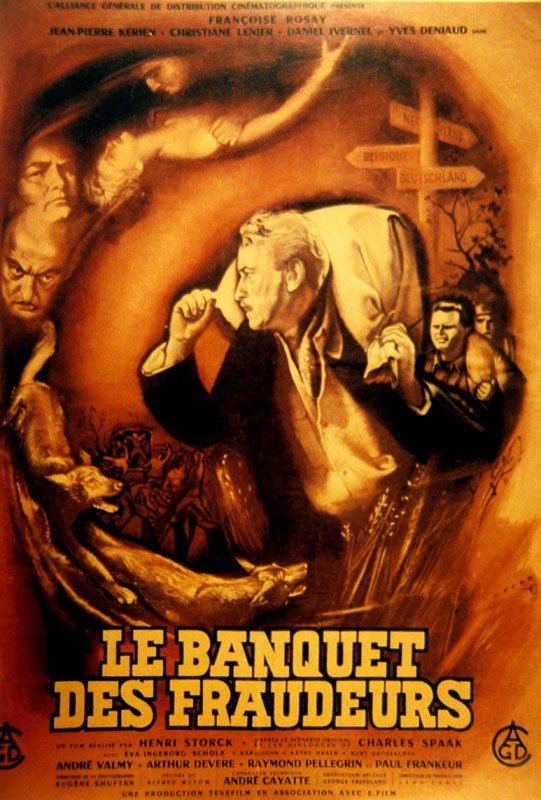
Le Banquet des Fraudeurs
other title: Le Banquet des Fraudeurs / 走私者的宴會
Smuggler's Ball is the English-language title for this French-Belgian seriocomedy. The action takes place along the borders separating Belgium, Holland and France. It is here that the worldly Pierre (J. P. Kieran) carries on a profitable smuggling operation, all the while romancing Siska (Christian Lenier), the daughter of a local customs official. Various subplots and secondary characters weave in and out as the plotline guides the viewer through the WW II years. Towards the end, the story shifts gears when the Benelux Frontier Agreement eliminates all government regulations. The film's screenplay is by Charles Spaak, himself the descendant of a Belgian political family, and thus well-versed in bureaucracy and red tape.
No Greater Love (1952) [Movie] WikiData IMDb TMDB
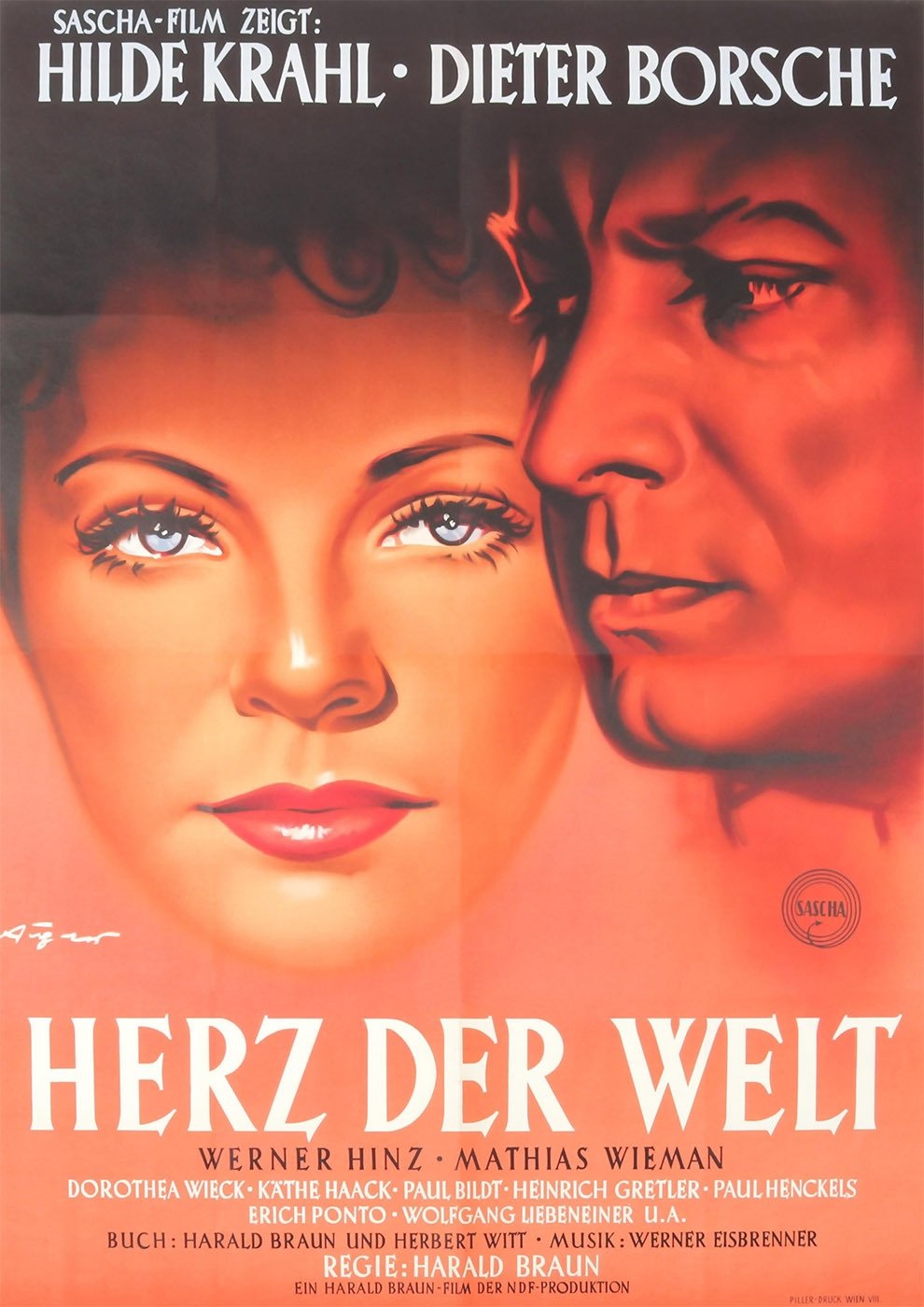
Herz der Welt
director: Harald Braun actor: Hilde Krahl / Dieter Borsche
other title: Herz der Welt / Le cœur du monde
Directed by Harald Braun and told from the perspective of Bertha von Suttner, the first female to receive the Nobel Peace Prize, The Alfred Nobel Story - No Greater Love chronicles the life of scientist, inventor, and businessman Alfred Nobel. Nobel built a massive fortune throughout his life, and while much if it was amassed by his inventions--dynamite being perhaps the most notable--he was also revered for his discoveries within the fields of science and economics. Upon his death, Nobel decided that his fortune was simply too great to continue in the form of an inheritance or single charitable donation, opting instead to use the money as reward for the greatest contributors to physics, chemistry, medicine, literature, and, of course, peace.
Münchhausen (1943) [Movie] Eggplant.place
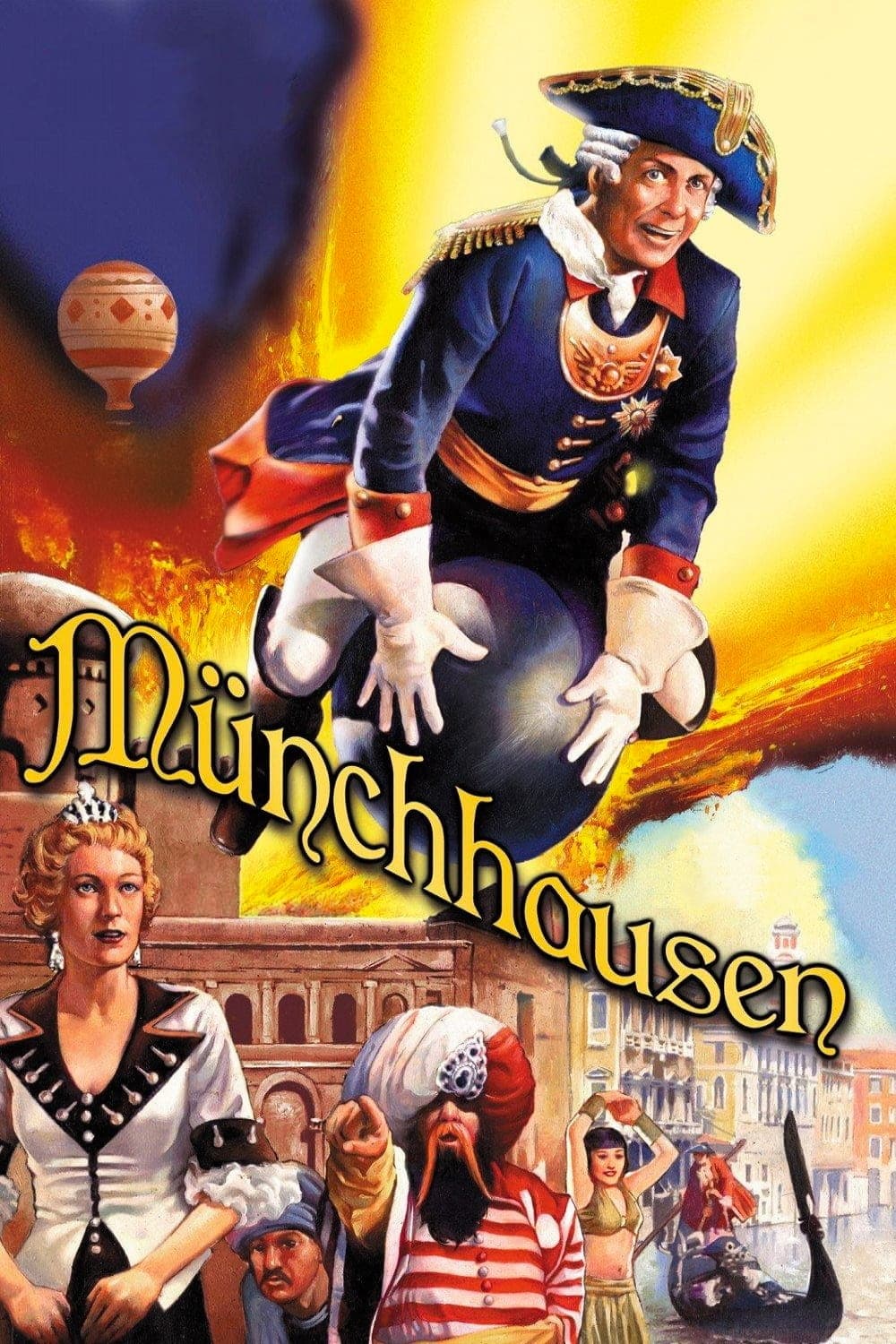
Münchhausen
director: Josef von Báky actor: Hans Albers / Wilhelm Bendow
other title: Il barone di Münchhausen / Les aventures fantastiques du baron de Münchhausen
Wanting a lavish production to mark the 25th anniversary of UFA, the German film studio, Joseph Goebbels, director of the Nazi propaganda machine, commissioned an adaptation of Baron von Münchhausen‘s “autobiographical” stories. Baron von Münchhausen (1720-97) was an eccentric figure in European history, whose tall tales about his adventures rival anything to be found in the legends of Paul Bunyan or classic figures like Odysseus. This film recounts some of the episodes from the Baron’s sensational stories, which are set in the world of the 18th century.
Bismarck (1940) [Movie] Douban
Bismarck
director: 沃尔夫冈·利本艾纳 actor: Paul Hartmann / Friedrich Kayßler
other title: 俾斯麦 / Bismarck - Das politische Schicksal des Eisernen Kanzlers
A biographical film of Otto von Bismarck, the Prime Minister of Prussia, and how he and his policies - including aggressive war - helped to unite Germany.