Mykola Nademskyi — Actor (6)

Movie

Mitya (1927)
Мітя IMDb TMDB
other title: Мітя
Exposing the customs of provincial philistinism in the years of NEP. Small town. Mitya, going to the party of his bride Shurochka, finds a dying woman with infants. When he comes to visit the child, everyone decides that he was the father - and kicks him out. Mitya decides to drown himself. Unknown saves him and helps to stage his own funeral. During the mourning ceremony, Mitya rise from the grave, thanks the inhabitants petrified by horror, and leaves the city forever. Lost movie.

Movie

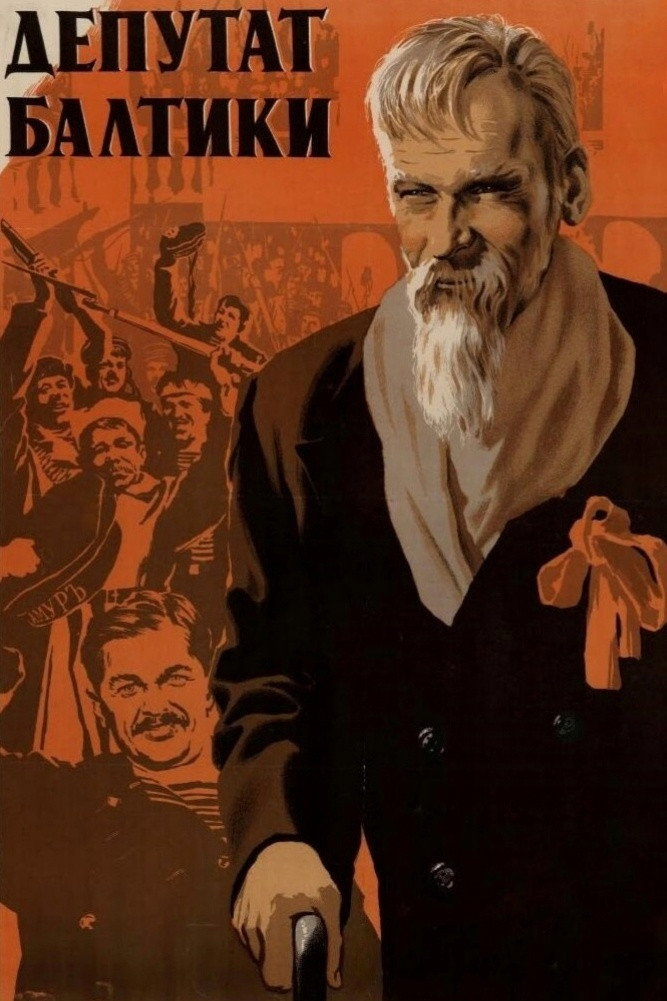
Baltic Deputy (1937)
Депутат Балтики WikiData IMDb TMDB
other title: El diputado del Báltico / 波罗的海代表 …
A film based on the life of the Russian scientist, Klement Timiriazev, who taught at Cambridge and Oxford and was awarded the Newton Mantle for his work. Timiriazev, one of the few outstanding Russian scientists who (publically) backed the Soviets in their revolutionary campaign, was later elected a delegate to the Leningrad Soviet by the sailors of the Baltic fleet. There he denounced his fellow scientists for failing to aid the Soviets and predicted that such aid would come.

Movie

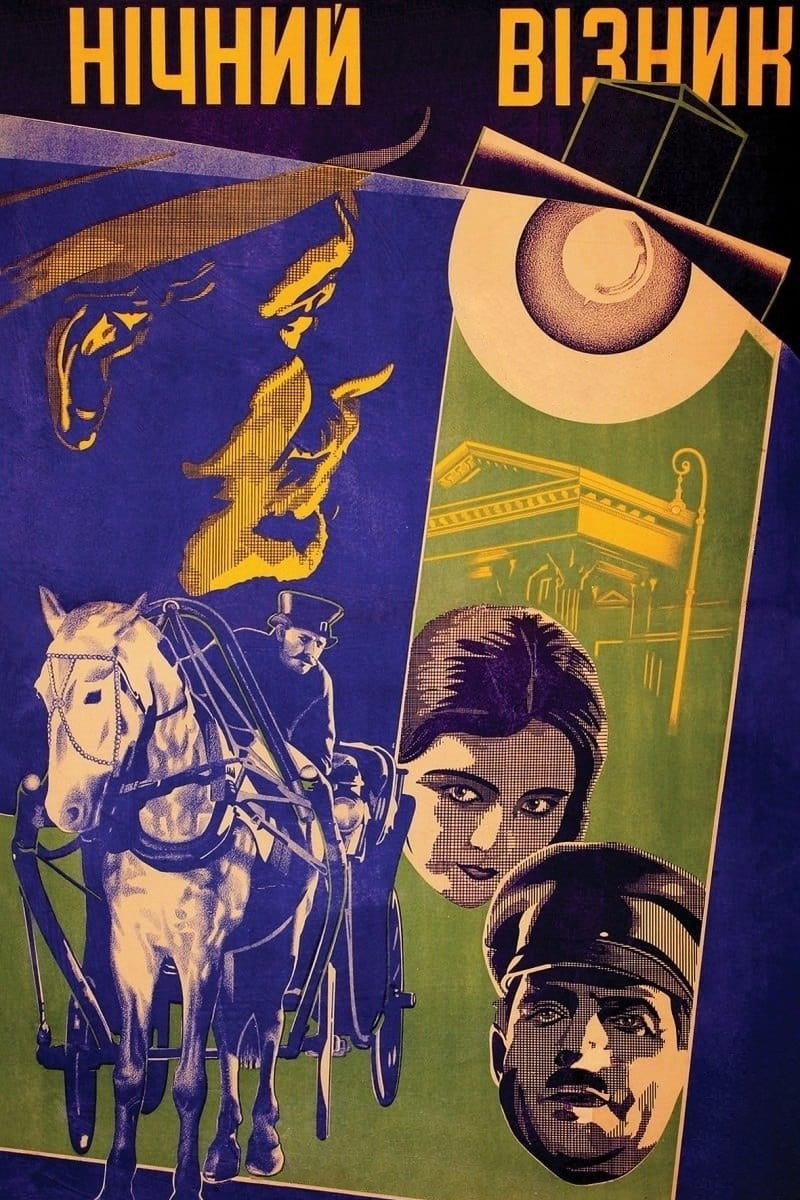
Night Coachman (1929)
Нічний візник WikiData IMDb TMDB
other title: Нічний візник / The Night Coachman
Set in Odesa at the end of the Civil War when the town is occupied by the Whites. The night coachman, fifty-year-old Hordii Yaroshchuk, lives with his daughter Katia who gets involved with a Bolshevik and revolutionary.

Movie

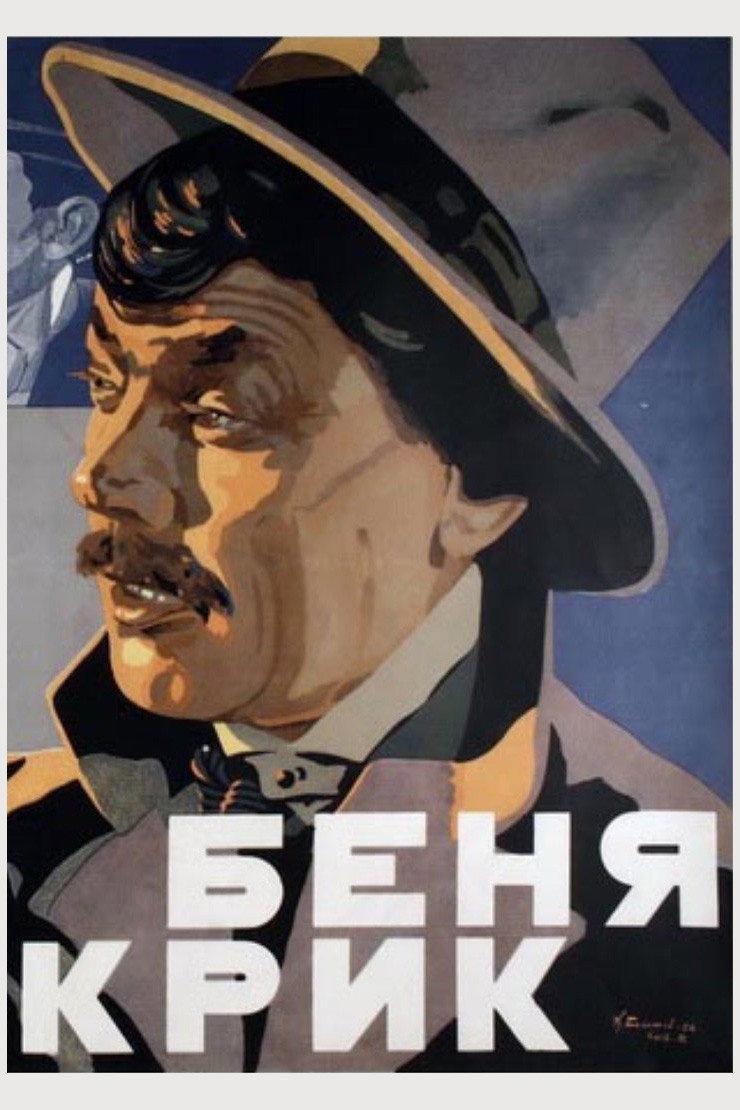
Benya Krik (1926)
Беня Крик WikiData IMDb TMDB
other title: Беня Крик / Bennie the Howl
The seamy Jewish underworld of Odesa is the setting for Isaac Babel's story based on the life of gangster king Mishka Yaponchik "Mike the Jap" Vinnitsky. Murder is a way of life for Benya and his gang until he finds himself ensnared in a Bolshevik trap.

Movie

Ivan (1932)
Иван WikiData IMDb TMDB Douban
other title: 伊万 / Иван …
Alexander Dovzhenko’s first sound film, revolving around the construction of a giant dam on the Dnieper River, is one of his greatest, though it was poorly received in the Soviet Union when it came out in 1932. It’s only one of the eccentricities of this lyrical and monumental feature that the title refers to three different characters, and it’s telling that the father of one of them, an illiterate peasant who proudly spends his time fishing and loafing while everyone else works, is treated with considerable warmth. (A sequence in which he’s frightened when addressed by an outdoor loudspeaker evokes Chaplin as well as Tati.) As in all of Dovzhenko’s best work, the style veers closer to lyrical poetry (its opening sequence about the river) and portraiture (a later segment introducing us to various workers) than to narrative, though it’s innovative in other respects as well: the final sequence includes some striking jump cuts almost 30 years before Jean-Luc Godard purportedly invented them in Breathless.