Trịnh T. Minh-hà — Director (7)

Movie

Shoot for the Contents (1991)
Shoot for the Contents IMDb TMDB Douban
other title: 拍摄内容 / 콘텐츠를 위한 촬영
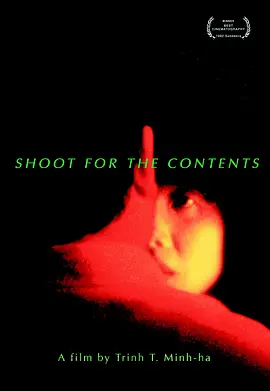
Reflecting on Mao’s famous saying, “Let a hundred flowers blossom and a hundred schools of thought contend,” Trinh T. Minh-ha’s film—whose title refers in part to a Chinese guessing game—is a unique excursion into the maze of allegorical naming and storytelling in China. The film ponders questions of power and change, politics and culture, as refracted by Tiananmen Square events. It offers at the same time an inquiry into the creative process of filmmaking, intricately layering Chinese popular songs and classical music, the sayings of Mao and Confucius, women’s voices and the words of artists, philosophers and other cultural workers. Video images emulate the gestures of calligraphy and contrast with film footage of rural China and stylized interviews. Like traditional Chinese opera, Trinh’s film unfolds through “bold omissions and minute depictions” to render “the real in the illusory and the illusory in the real.” Exploring color, rhythm and the changing relationship between ear and eye, this meditative documentary realizes on screen the shifts of interpretation in contemporary Chinese culture and politics. AWARDS, FESTIVALS, & SCREENINGS Sundance, Best Cinematography London Film Festival Yamagata Film Festival, Japan Rotterdam Film Festival Sydney Film Festival Melbourne Film Festival Mannheim Film Festival Films de Femmes, Créteil France Asian American Film Festival QUOTES “Independent in thought and delicate in craftsmanship, strung with the tensile strength of a piano wire.” Karen Jaehne Film Comment “Poetic, lyrical, sensual, her work is densely textured and rich with breathtakingly beautiful images, elegant camera work and eloquent multi-layered soundtracks.” Susan Ditta “One of the most extraordinary documentaries of recent years….A beautiful and moving film, as challenging and stimulating formally as it is politically.” London Film Festival
Movie

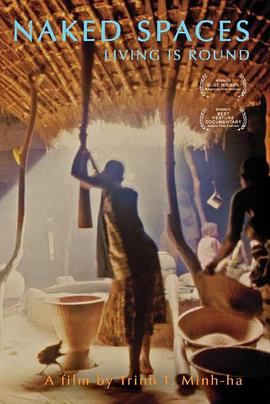
Naked Spaces: Living Is Round (1985)
Naked Spaces: Living Is Round IMDb TMDB Douban
other title: 裸体空间:生活是圆的 / 벌거벗은 공간: 지속되는 삶
Shot with stunning elegance and clarity, NAKED SPACES explores the rhythm and ritual of life in the rural environments of six West African countries (Mauritania, Mali, Burkino Faso, Togo, Benin and Senegal). The nonlinear structure of NAKED SPACES challenges the traditions of ethnographic filmmaking, while sensuous sights and sounds lead the viewer on a poetic journey to the most inaccessible parts of the African continent: the private interaction of people in their living spaces.

Movie

Night Passage (2004)
Night Passage IMDb TMDB Douban
other title: 밤의 여로
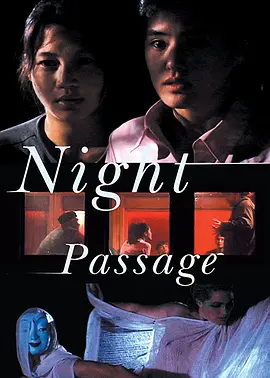
Made in homage to Kenji Miyazawa’s children’s sci-fi classic MILKY WAY RAILROAD, NIGHT PASSAGE is the latest experimental feature from celebrated filmmaker Trinh T. Minh-ha and artist Jean Paul Bourdier (REASSEMBLAGE, THE FOURTH DIMENSION, A TALE OF LOVE, SHOOT FOR THE CONTENTS, SURNAME VIET GIVEN NAME NAM). This provocative digital tale tells the story of three young friends traveling for a brief moment together on the train between life and death. Their journey into and out of the land of ‘awakened dreams’ occurs on a long ride on a night train. Ingeniously framed through the train window, filmmaker Trinh T. Minh-ha and artist Jean Paul Bourdier create whimsical and sensual dreamscapes, which is matched by an equally beautiful and other-worldly music score. Once again, Minh-ha shifts the way she engages with the form and the spirit of the cinema—to challenge and provoke her audience.

Movie

The Fourth Dimension (2001)
The Fourth Dimension IMDb TMDB Douban
★ 4.4 5 ratings
other title: 第四维度 / 제4차원
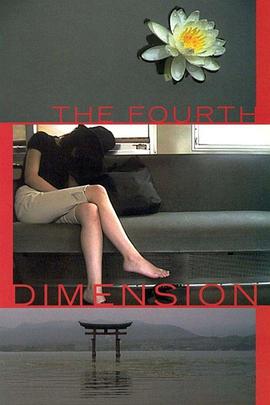
Acclaimed filmmaker Trinh T. Minh-ha ventures into the digital realm with her stunning feature, THE FOURTH DIMENSION, an incisive and insightful examination of Japan through its art, culture, and social rituals. As is the case with Trinh's previous films, her film is a multi-layered work addressing issues around its central theme: the experience of time, the impossibility of truly "seeing," and the impact of video on image-making. THE FOURTH DIMENSION is an elegant meditation on time, travel, and ceremony in the form of a journey. In her first foray into digital video, Minh-ha deconstructs the role of ritual in mediating between the past and the present. She explains, "Shown in their widespread functions and manifestations, including more evident loci such as festivals, religious rite and theatrical performance, 'rituals' involve not only the regularity in the structure of everyday life, but also the dynamic agents in the world of meaning." With its lush imagery, Minh-ha's Japan is viewed through mobile frames, with doors and windows sliding shut, revealing new vistas as it blocks out the old light. “Trinh T. Minh-ha’s newest essayistic work and her first videotape, cuts an intricate key for unlocking this elusive culture. Her tack finds great visual pleasure in the everyday, composing and decomposing the social landscape, while constructing a poetic grid of temporalities, symbolic meaning, and ritual. In THE FOURTH DIMENSION, Trinh’s lyrical narration guides us through ‘Japan’s likeness,’ the perfected framing of the sacramental familiar.” - Steve Seid

Movie

Reassemblage: From the Firelight to the Screen (1983)
Réassemblage WikiData IMDb TMDB Douban
other title: 重组 / Réassemblage …
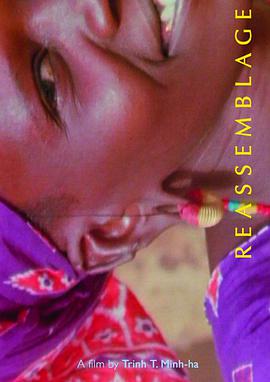
TRINH T. Minh-ha′s first 16mm piece. Reassemblage is an ethnographic film that sharply reflects and criticizes the perspectives of conventional ethnographic films. Director reframes and recombines the sounds and landscapes of Senegal and disposes of the meanings given to those images.