Robert Beavers — Director (7)

Movie

The Ground (2001) WikiData IMDb TMDB
The Ground
director: Robert Beavers
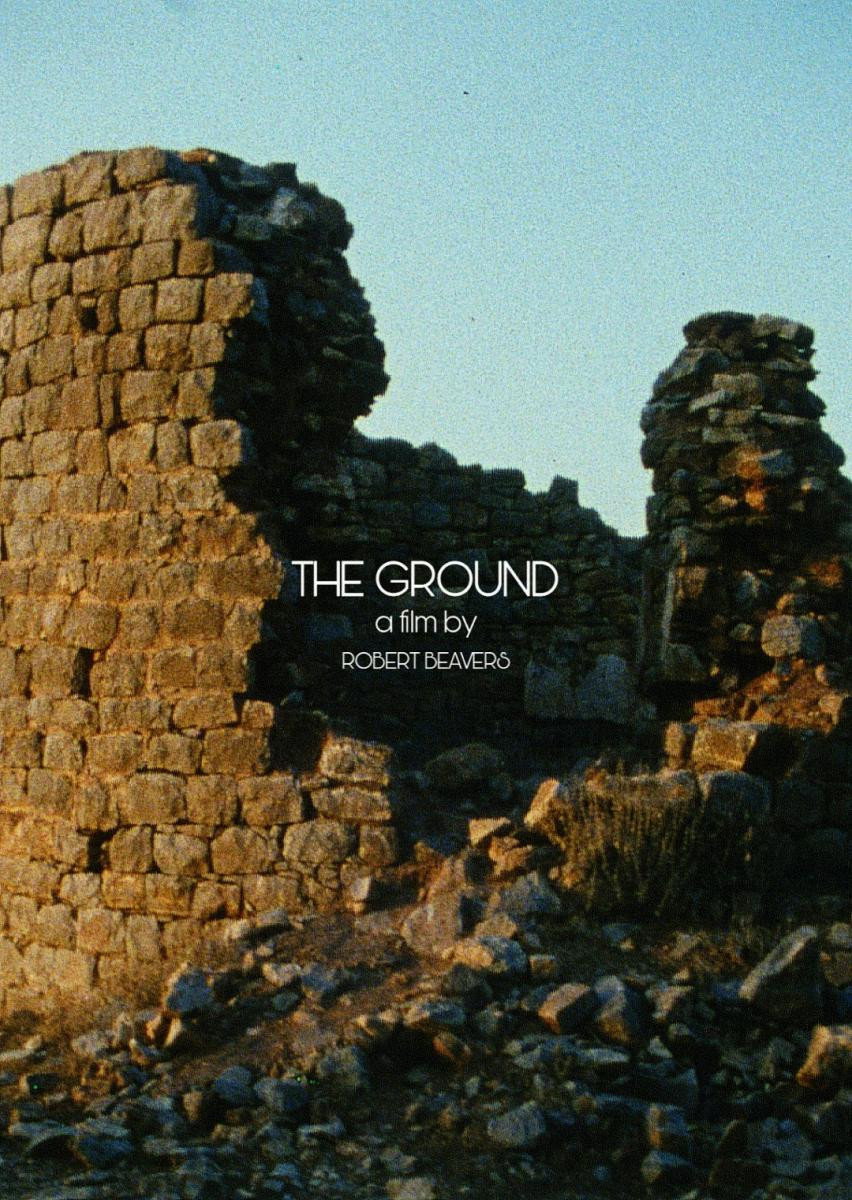
Interweaving stonework and filmmaking, Beavers evokes memory through hammer strokes and chisel sounds that shape both image and rhythm. In this dialogue of repetition and variation, the film carves out a space where emptiness itself gains form, allowing vision beyond sight.

Movie

Ruskin (1974) IMDb TMDB
Ruskin
director: Robert Beavers
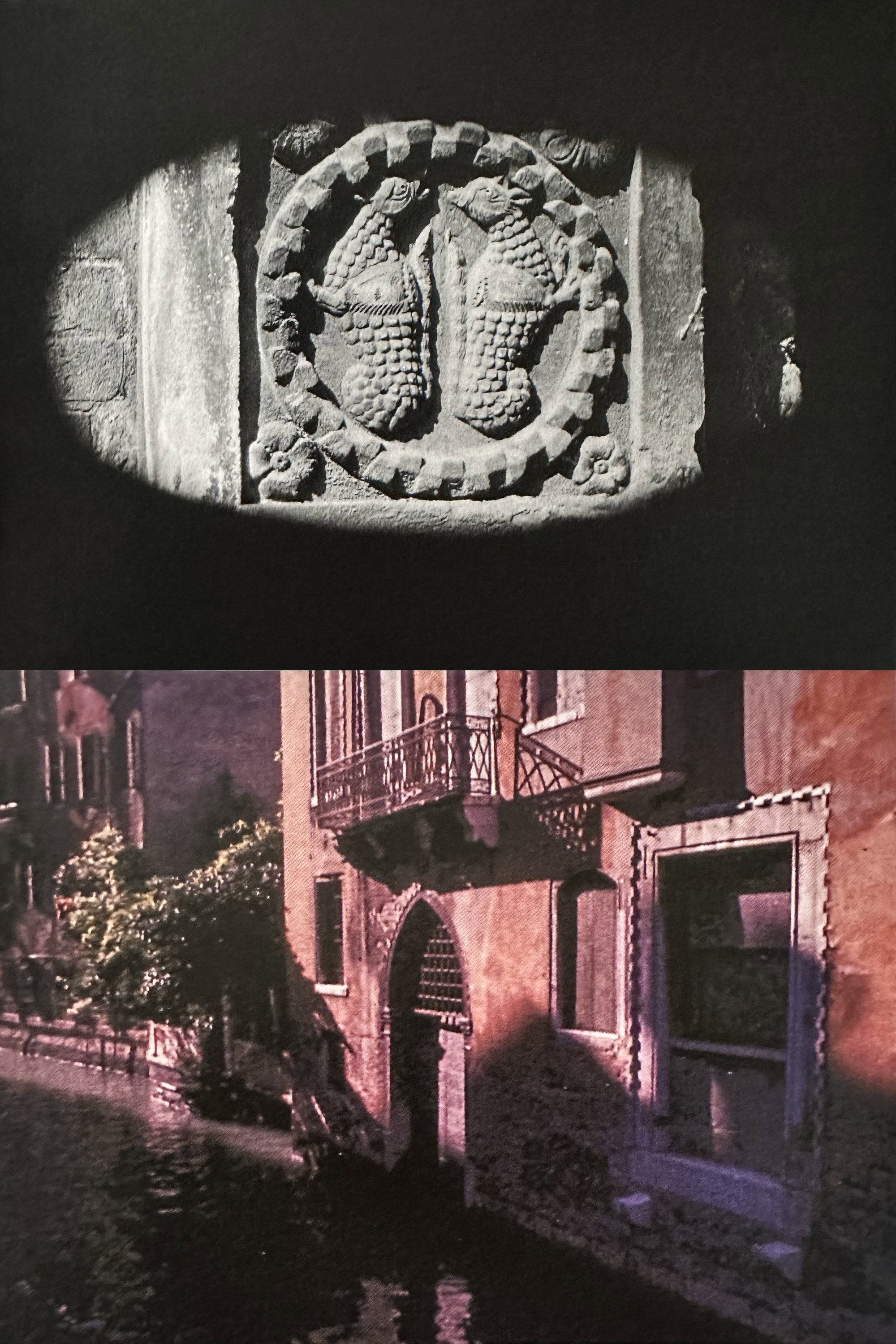
Beavers traces John Ruskin’s legacy from London to the Alps and especially Venice, where the camera lingers on stone and water in dialogue with Ruskin’s writings. Turning pages and images of Unto This Last evoke the critic’s enduring perceptions and political vision, preserved through acts of reading.

Movie

Amor (1980) IMDb TMDB
Amor
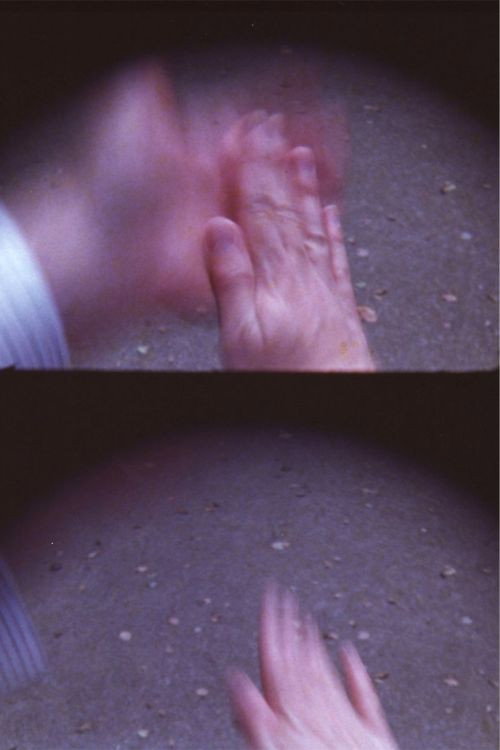
Shot in Rome and Salzburg’s natural theatre, the film uses cutting and sewing as metaphors for love, separation, and the craft of montage. Cloth being trimmed, hands clapping, and tools striking accompany images of tailoring, architectural restoration, and Beavers himself in a new suit, linking gesture and sound to the editing process.

Movie

From the Notebook of... (1998) IMDb TMDB Douban
From the Notebook of...
other title: ...의 노트에서
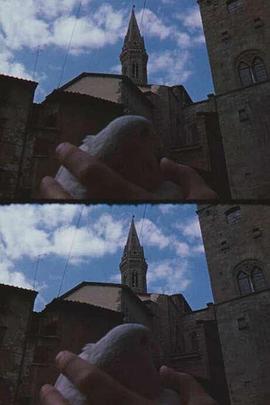
“From the Notebook of … was shot in Florence and takes as its point of departure Leonardo da Vinci’s notebooks and Paul Valéry’s essay on da Vinci’s process. These two elements suggest an implicit comparison between the treatment of space in Renaissance art and the moving image. The film marks a critical development in the artist’s work in that he repeatedly employs a series of rapid pans and upward tilts along the city’s buildings or facades, often integrating glimpses of his own face. As Beavers notes in his writing on the film, the camera movements are tied to the filmmakers’ presence and suggests his investigative gaze”.

Movie

The Hedge Theater (2002) IMDb TMDB Douban
The Hedge Theater
other title: 树篱剧院
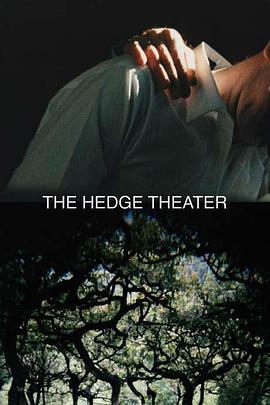
Filmed in Rome in the 1980s, the work draws on Borromini’s Baroque architecture and Il Sassetta’s St. Martin and the Beggar. Beavers contrasts winter’s subdued light with the verdant growth of spring, constructing a precise montage in which image and sound form a poetic dialogue.