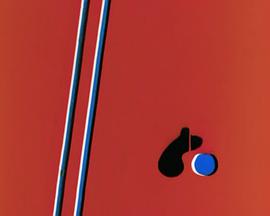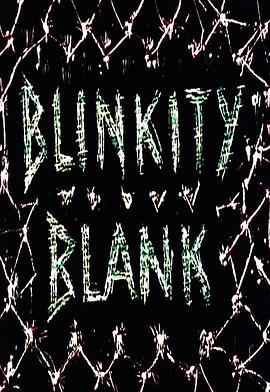
The third in a series of five colour films that offer an introduction to the basic techniques of film animation. McLaren explains and demonstrates different aspects of movement that are essential to the animator’s art. In this case it is the pause and irregular movement.
A play on the theme of hearts. Two hearts cavort, change shape, shoot arrows at one another, give birth, and finally become one heart bearing the message "Will you be our Valentine?"
This wartime publicity trailer by Norman McLaren focuses on wartime inflation and the role of price control. Single-frame animation is used with pen drawings made directly on 35mm film stock. Music is by Louis Applebaum, a leading composer and advocate for the arts in Canada.
Three separate sequences related to Christmas, animated in different styles: cutout animation of children dancing in the snow to "Jingle Bells," stop-motion animation of toys come to life, and cel animation of a man who seeks the ideal star to top his Christmas tree.
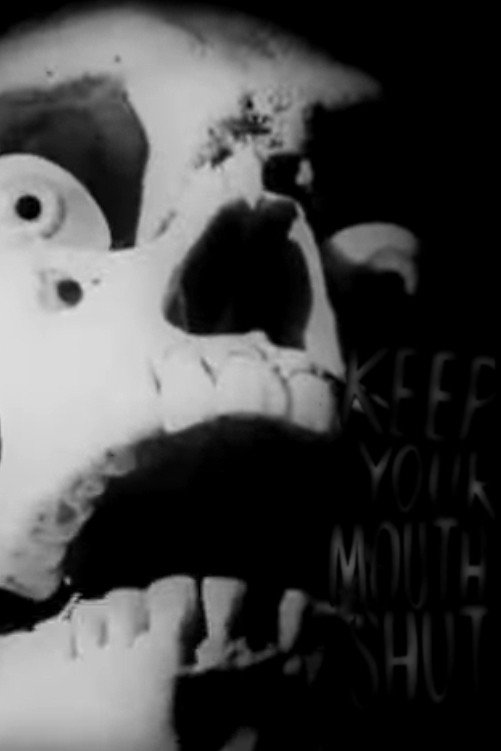
This animated short from Norman McLaren features a human skull cautioning Canadians to “keep their mouths shut” in an effort to end gossiping during World War II.
An animation film, made without the use of a camera, in which "boogie" played by Albert Ammons and "doodle" drawn by Norman McLaren combine to make a rhythmic, brightly colored film experiment. The main title is in eight languages.
New Yorkers watch as Norman McLaren's animated promotional film for Canadian tourism plays on the giant pixelboard overlooking Times Square. The caption below the board reads: "Canada... Wonderful World At Your Doorstep". McLaren himself is a member of the crowd.
The first part of this series by Norman McLaren deals only with tempo. It starts by showing the disc travelling in one move (1/24 of a second) from A to B, and progressively demonstrates slower and slower tempos.
One of a series of French-Canadian folk songs, this film was illustrated by Norman McLaren for the Chants populaires series. White gouache drawings on black cards were photographed with overlapping ‘zooms’ to suggest the forward movement of a canoe along rivers and lakes. This film appears in Chants populaires no. 5 and in Chants populaires no. 6.