Grigori Kozintsev — Director (8)

Movie

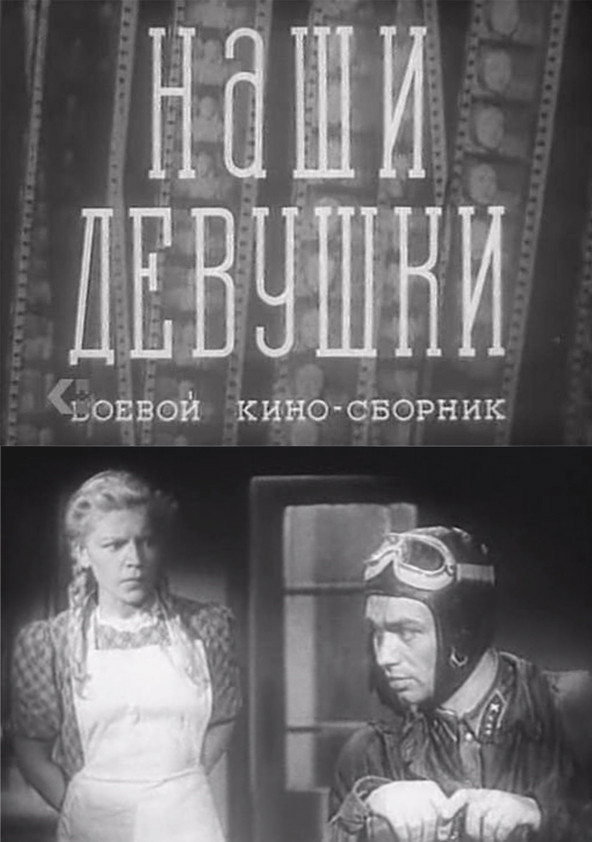
Our Girls (1942)
Наши девушки WikiData IMDb TMDB
other title: Наши девушки / Боевой киносборник «Наши девушки»
One of the anthology films about Soviet citizens resisting the Nazi invaders during World War II, the feature consists of two stories, one about a teenage woman telephone operator who sacrifices herself, the other about a farm girl tending a sick pig who deals with two paratroopers seeking shelter.

Movie

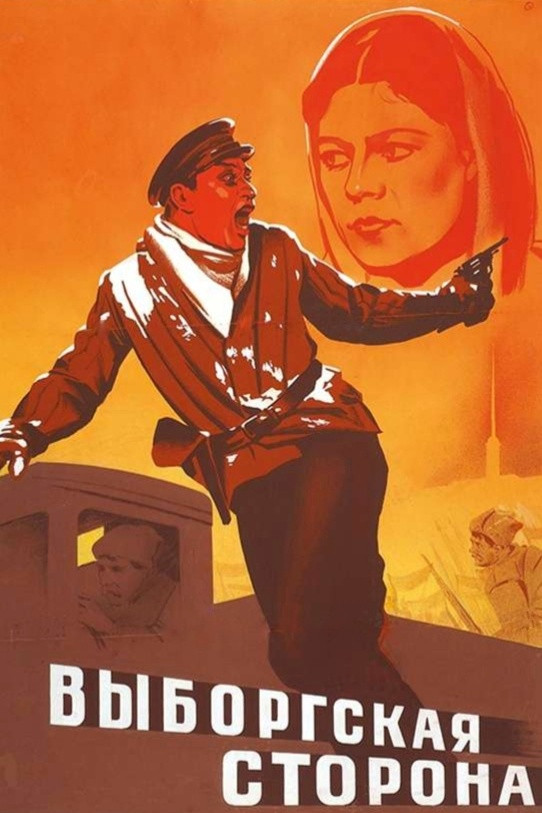
The Vyborg Side (1939)
Выборгская сторона WikiData IMDb TMDB
other title: Выборгская сторона / 革命摇篮维堡区 …
The final part of trilogy about the life of a young factory worker, Maxim. Following the Russian Revolution, Maksim is appointed state commissar in charge of the national bank. With great efforts, he learns the complexies of the banking trade and begins to fight off sabotaging underlings. Dymba, now a violent enemy of the Republic, tries to rob a wine store but is arrested with Maksim's help. Maksim also exposes a conspiracy of a group of tsarist officers who prepare an attempt against Lenin. He then joins the Red Army in its fight against the German occupation.

Movie

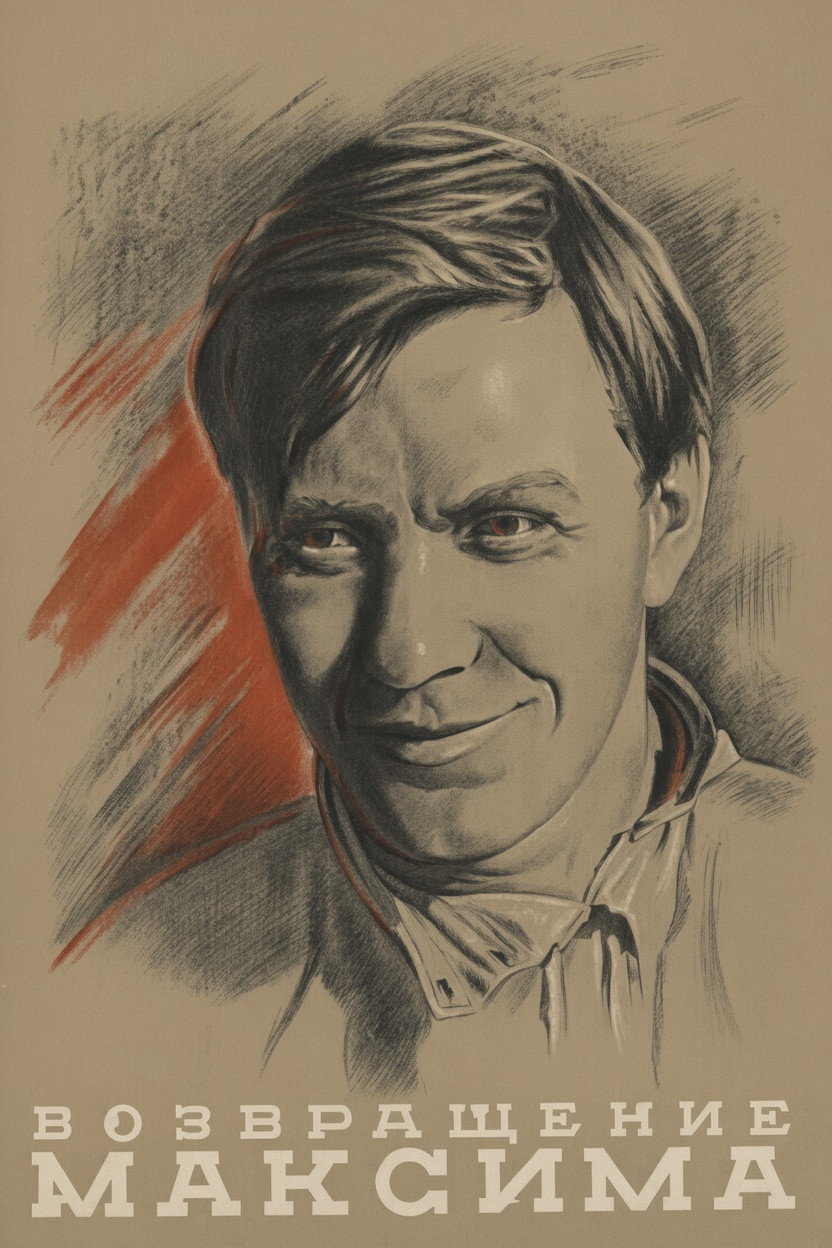
The Return of Maxim (1937)
Возвращение Максима WikiData IMDb TMDB
other title: 马克辛的归来 / Возвращение Максима …
The second part of trilogy about the life of a young factory worker, Maxim. In July 1914, the Bolsheviks and Mensehviks compete for representation of the working-class in the Duma. Maksim, who just returned from exile, calls the workers to strike as a protest against the firing of six of their colleagues. The traitor Platon Dymba assaults Maksim, wounding him severely. When the strike unfolds the workers demonstrate by the thousands, the news of the outbreak of World War I suddenly arrives. Maksim gets drafted.

Movie

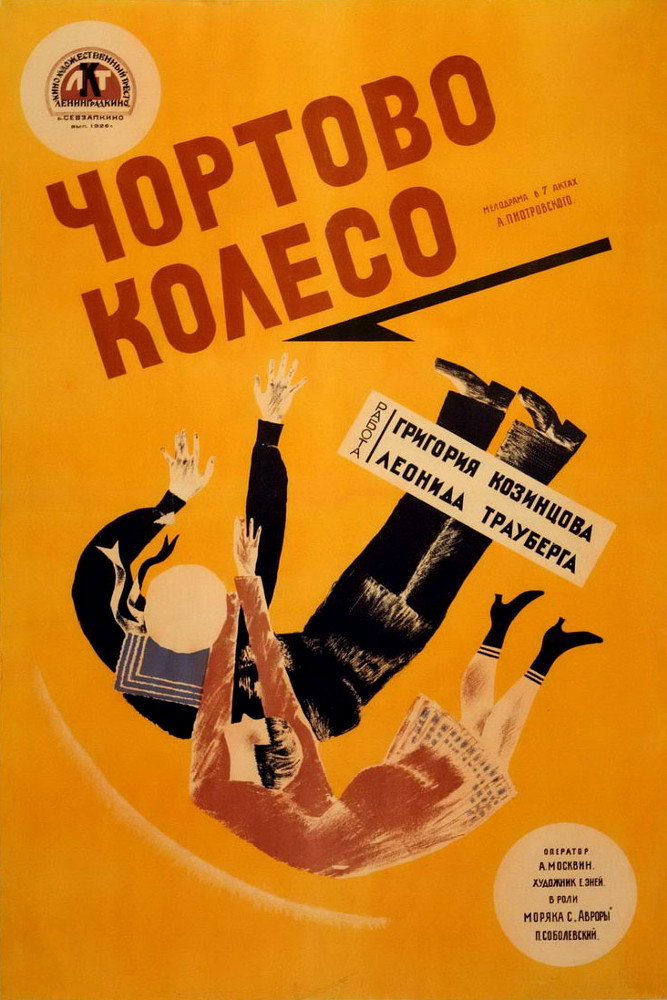
The Devil's Wheel (1926)
Чёртово колесо WikiData IMDb TMDB
other title: Чёртово колесо / La Roue du diable …
Typically of the heady days of early Soviet cinema, this is constructed according to the fast, sharp editing principles advocated by Eisenstein, complete with symbolic inserts; but in terms of subject matter, it's much less explicitly political than most movies emerging from Russia in the '20s. Chronicling a young sailor's descent into a murky, treacherous underworld of pimps and thieves, after having encountered a Louise Brooks lookalike at a fairground and missed his departing boat, it's a lively moral fable that delights in vivid visual effects and quirky characterisations. If the plot occasionally reveals gaping holes, and the tacked-on ending urging the clearance of the Leningrad slums seems to be rather gratuitous, there's enough going on to keep one attentive and amused.

Movie

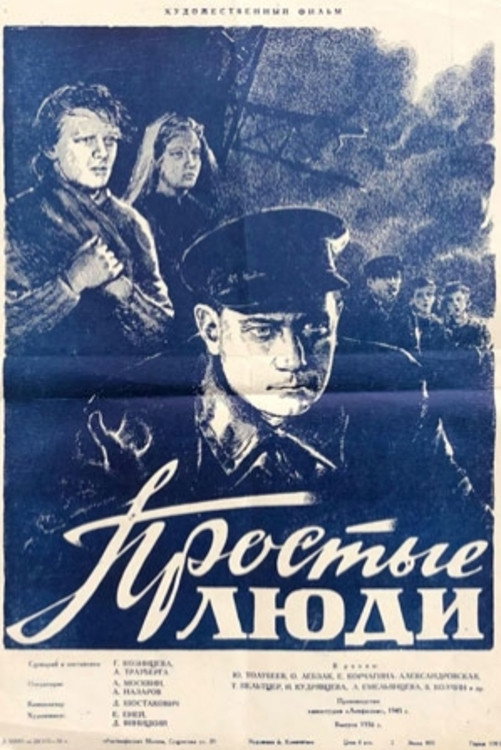
Simple People (1945)
Простые люди WikiData IMDb TMDB
other title: Простые люди
A 1945 Soviet war film which, along with the second part of Eisenstein's Ivan the Terrible was harshly criticized by Andrei Zhdanov and banned. A version of the film, released in 1956 during the Khrushchev Thaw, was disowned by director Grigori Kozintsev because the reediting was done without his participation.

Movie

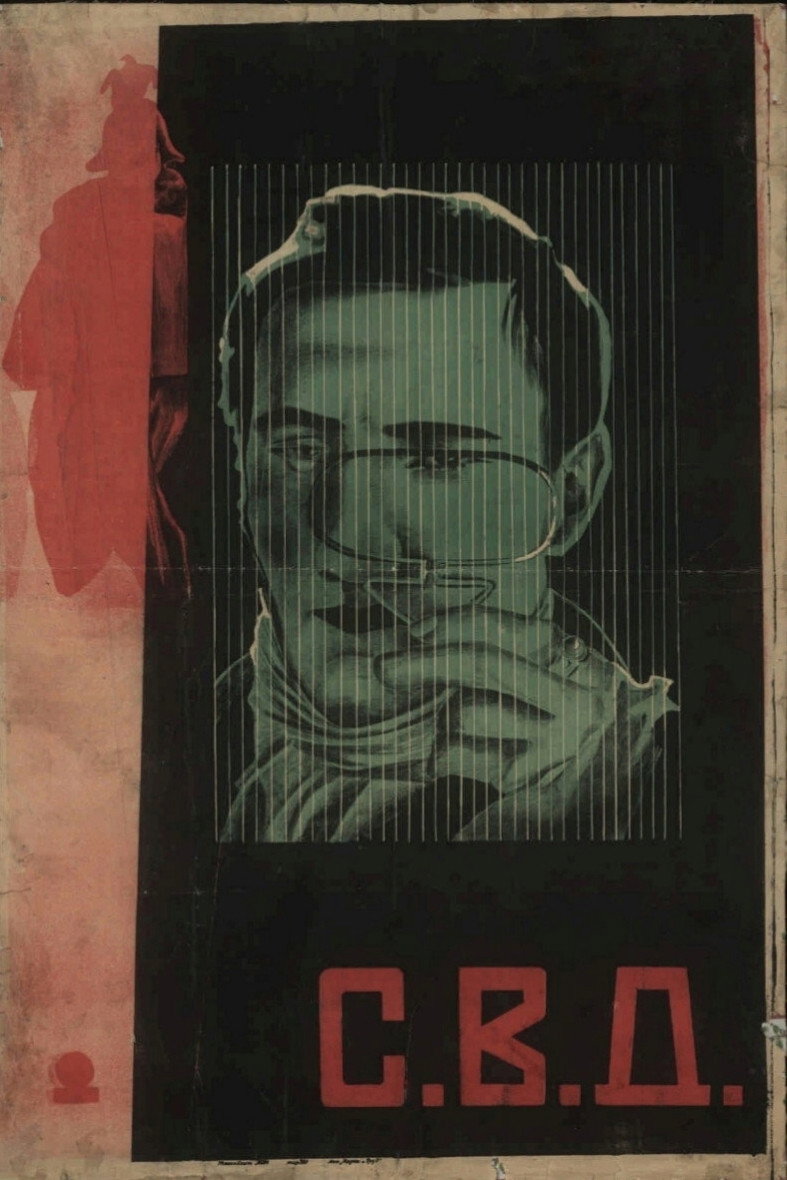
The Club of the Big Deed (1927)
СВД - Союз великого дела WikiData IMDb TMDB
other title: СВД - Союз великого дела / SVD : L'Union pour la grande cause …
The film tells about the Decembrists’ revolt in the south of Russia. Right before the Decembrist Revolt 1825 a chevalier of fortune decides that it's time for a game. But on whom to make a bet? He asks the cards. But he's not the only one who makes the choice.

Movie

Odna (1931)
Одна WikiData IMDb TMDB Douban
Grigori Kozintsev / Leonid Trauberg actor: 叶莲娜·库兹敏娜 / 彼得·索博列夫斯基 …
other title: 一个女性 / Одна …
Originally made as a silent film, Odna was released in 1931 as a 'sound' film – which differs from a talkie because although there are sound effects in the film, there is no synchronised dialogue and it was intended to be performed with an orchestral accompaniment using a score by Shostakovich. After it fell into political disfavour the film was archived in the Lenfilm complex, which was destroyed during the siege of Leningrad. Fortunately, although much of the score was lost, all but one 8-minute reel survived, as did the full score for the missing reel. Mark Fitz-Gerald and colleagues, with the encouragement of Shostakovich's widow, completed the restoration of the original score in 2003. It was first performed in the Netherlands and has also been performed in France, Switzerland and Germany. I attended the London Premiere on 10th February 2006. Normally, a review relates to an experience that can be shared subsequently by any cinema-goer, or watcher of DVDs. A live concert performance (the BBC Symphony Orchesttra conducted by Mark Fitz-Gerald) is different. The entire orchestral performance and live sound effects such as the throat singer, Theramin and Harmonium will not be constant factors - which is why performances of great musical works are reviewed repeatedly. The performance I experienced may be different from what you experience. For me, what might have been a rather sentimental ending was transformed by the 'buzz' of the live musical climax (the entire restored score was performed, with titles explaining the action of the missing reel). A notable feature of the film was the superb natural performance of the 'actors' (including a real shaman performing a real ritual) with none of the exaggerated eye makeup of 'Napoleon' and the German expressionists. Such a live performance converted a good propaganda film into something more sublime and an experience that should not be missed if the opportunity is repeated.