Mikhail Tarkhanov — Actor (5)

Movie

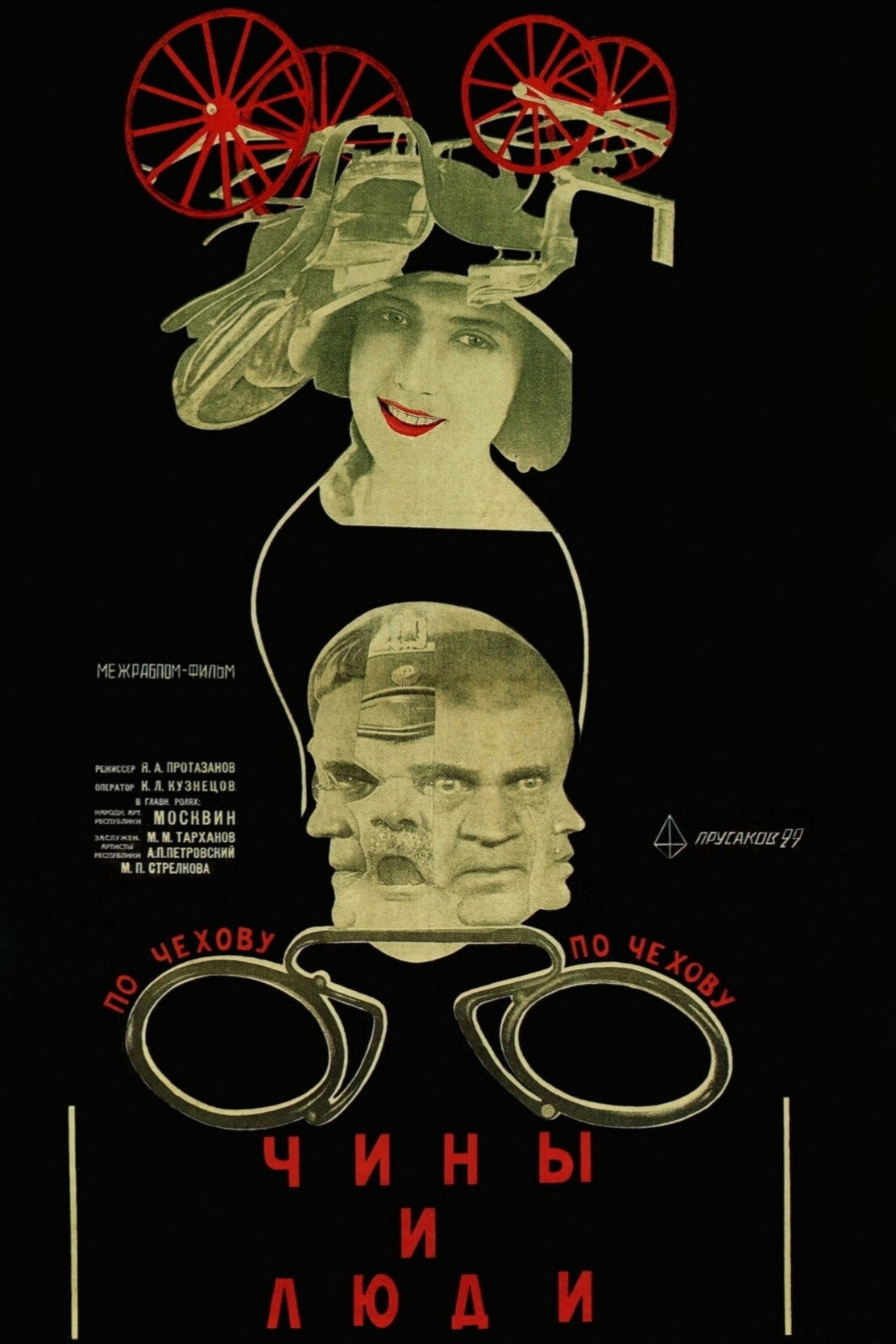
Ranks and People (1929) WikiData IMDb TMDB
Чины и люди
other title: Чины и люди / An Hour with Chekhov …
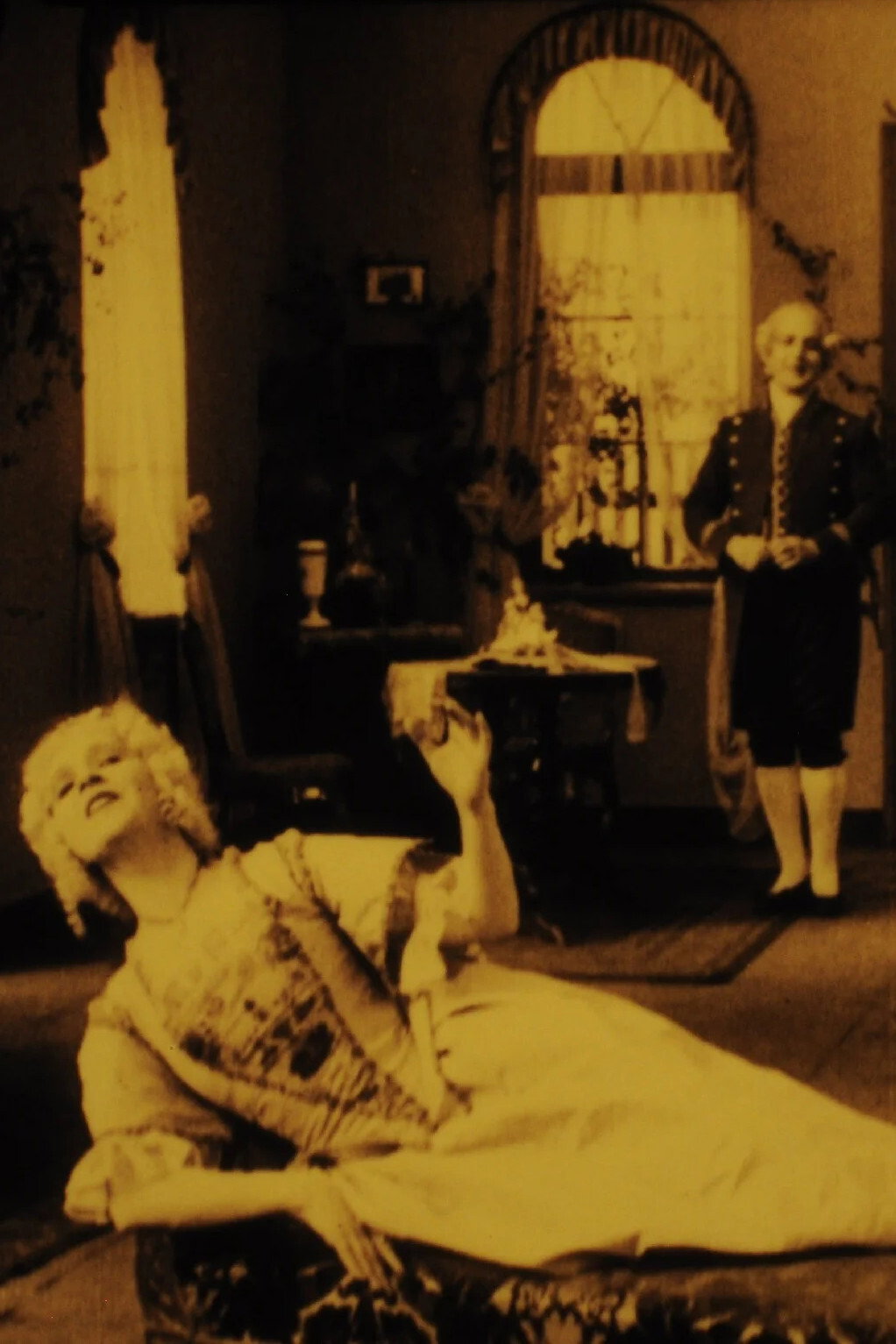
From his early silent works, the great Russian film director, Herr Yakov Protazanov, made literary adaptations from equally great Russian writers, as is the case with "Chiny I Lyudi" ( Ranks And People ) (1929) in which three short stories by Chekhov, "Anna On The Neck", "Death Of A Petty Official" and "Chameleon" were assembled for the silent screen.

Movie

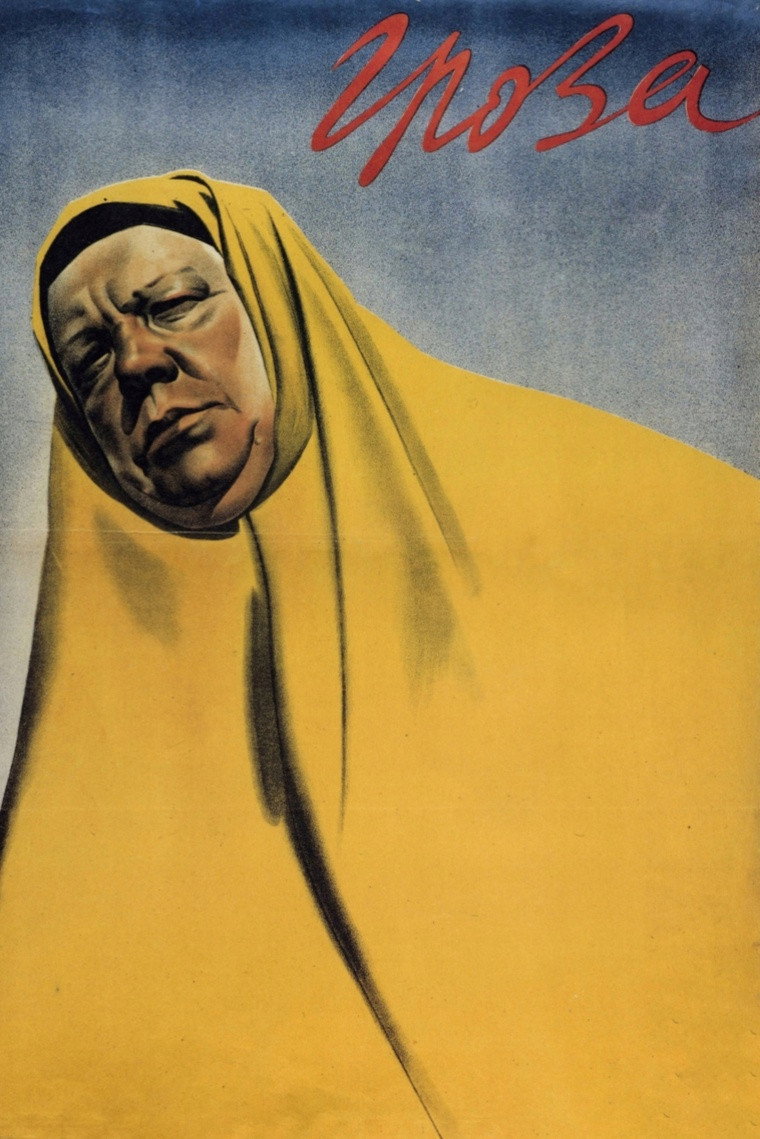
Thunderstorm (1934) WikiData IMDb TMDB
Гроза
other title: Гроза / 雷雨 …
In a provincial town on the Volga River, the young and sensitive Katerina marries Tikhon, a violent drunkard, and thus enters the crude milieu of greedy salesmen, the "dark kingdom". Her mother-in-law, Kabanikha, rules the family with an iron fist and endlessly harasses Katerina. One day, when Tikhon is away, she meets Boris, a man who embodies everything Katerina is longing for.

Movie

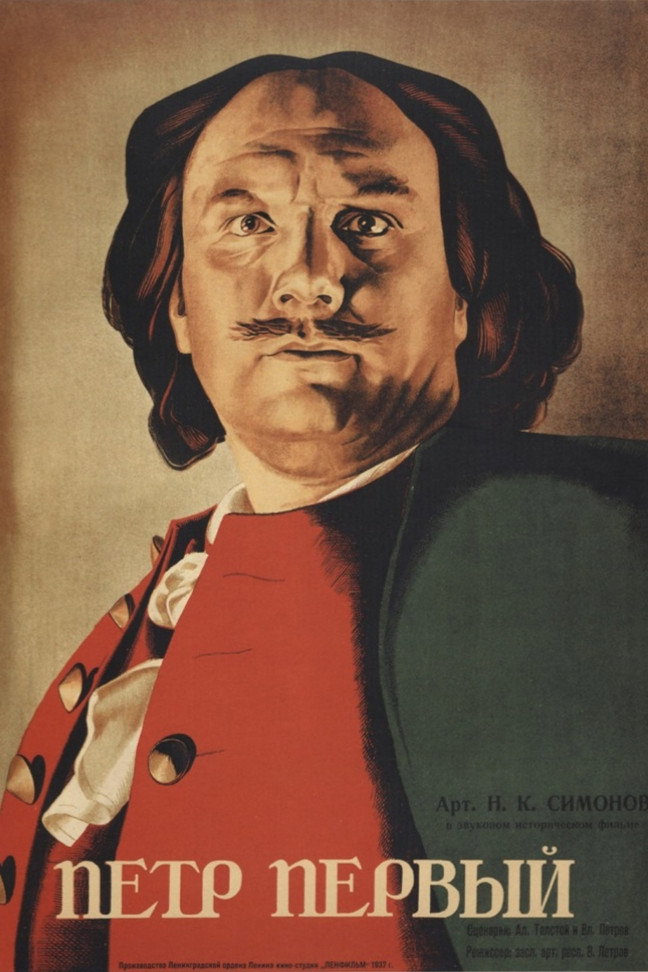
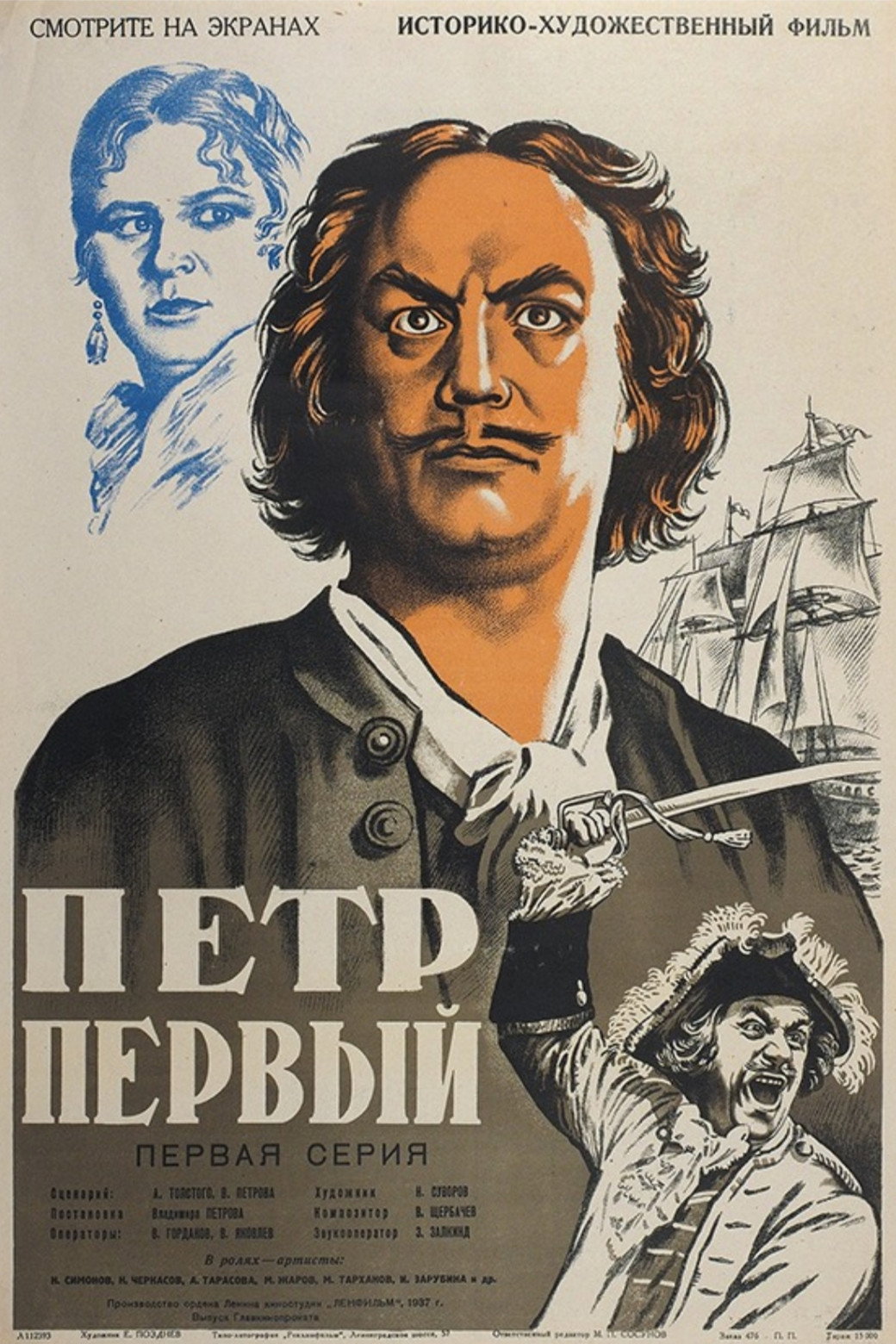
Peter the First, Part I (1937) WikiData IMDb TMDB
Пётр Первый
other title: Pierre le Grand, Partie 1 / Пётр Первый …
This, the first Soviet depiction of Peter the Great, set the stage for what would become the post-Revolutionary line concerning the early Romanovs. Rulers like Ivan the Terrible and Peter the Great were widely admired for their dedication to Russia and their absolute determination to enhance her position in the world. But praise for the hated later Romanovs conflicted too heavily with the very beliefs that had brought about the Revolution in 1917.

Movie

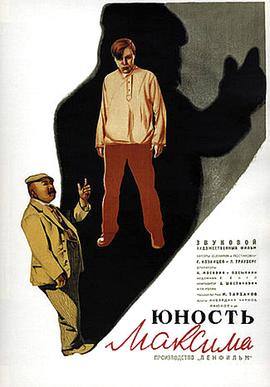
The Youth of Maxim (1935) WikiData IMDb TMDB Douban
Юность Максима
director: 格里高利·柯静采夫 / 列昂尼德·塔拉乌别尔格 actor: 鲍里斯·奇尔阔夫 / Valentina Kibardina …
other title: 马克辛的青年时代 / Юность Максима …
The Youth of Maxim (original title: Yunost Maxima) was the first entry in Grigori Koztinev and Leonid Trauberg's famous "Maxim Trilogy." This film and its sequels endeavor to re-create the Bolshevik revolution and its aftermath, as seen through the eyes of Russian "everyman" Maxim. As indicated by the title, the first entry in the trilogy concentrates on Maxim's childhood, concluding with his break from old traditions and his embracing of the Bolshevik cause. The film was lensed in a technique which its directors labelled "historical-revolutionary," better seen than described. Filmed over a four-year period, The Youth of Maxim and its follow-ups The Return of Maxim and The Vyborg Side were jointly awarded the Stalin Prize in 1941. ~ Hal Erickson, All Movie Guide