Frederick Wiseman — Director (36)

Movie

Deaf (1986)
Deaf IMDb TMDB
other title: 청각 장애인 / 聋
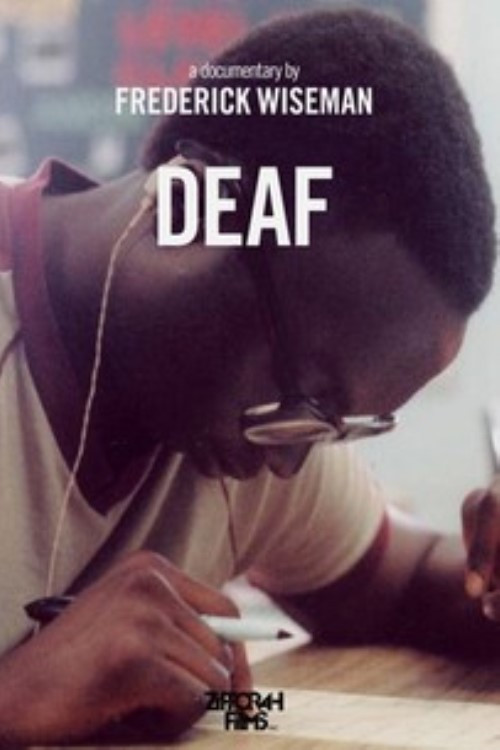
The School for the Deaf at the Alabama Institute is organized around a theory of total communication i.e. the use of signs and finger spelling in conjunction with speech, hearing aids, lip reading, gestures and the written word. The film shows sequences dealing with various aspects of this comprehensive training such as teaching students and parents to sign; speech therapy; psychological counseling; regular academic courses; vocational training; disciplinary problems; parents visits; sports and recreational activity; training in living and working independently; and developing skills in home and money management.

Movie

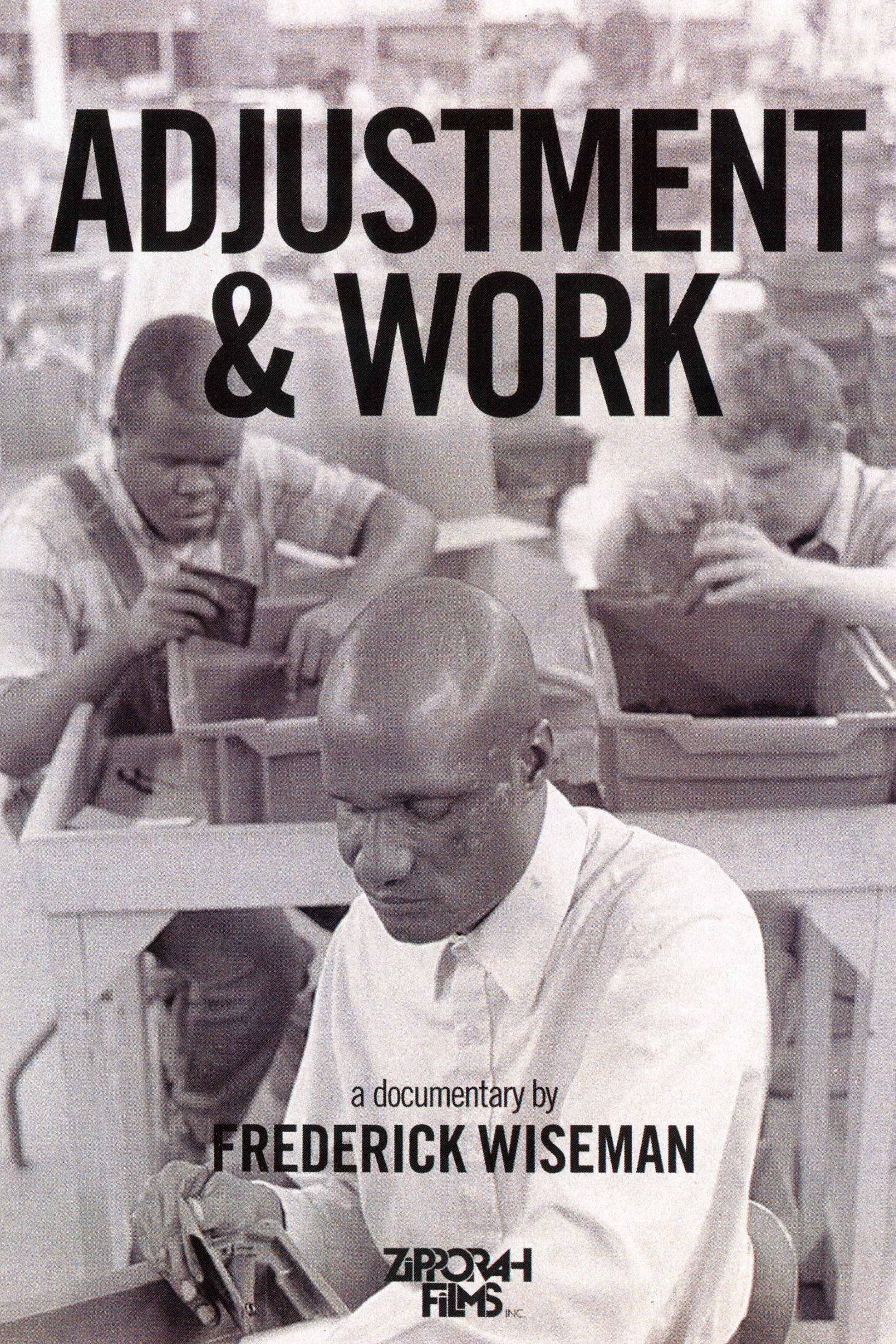
Adjustment & Work (1986)
Adjustment & Work IMDb TMDB
other title: 적응과 일 / 适应与工作
Wiseman enumerates the sights and sounds of Talladega, Alabama – the railroad tracks, quiet streets and homes, a few shops downtown – almost as if to list those things most of us might take for granted. Of the four films in this series, Adjustment & Work is the only one that focuses entirely on adults—specifically adults who have recently lost their sight (and hence are adjusting to this change) and those without sight or hearing who are learning skills in order to enter the workforce.

Movie

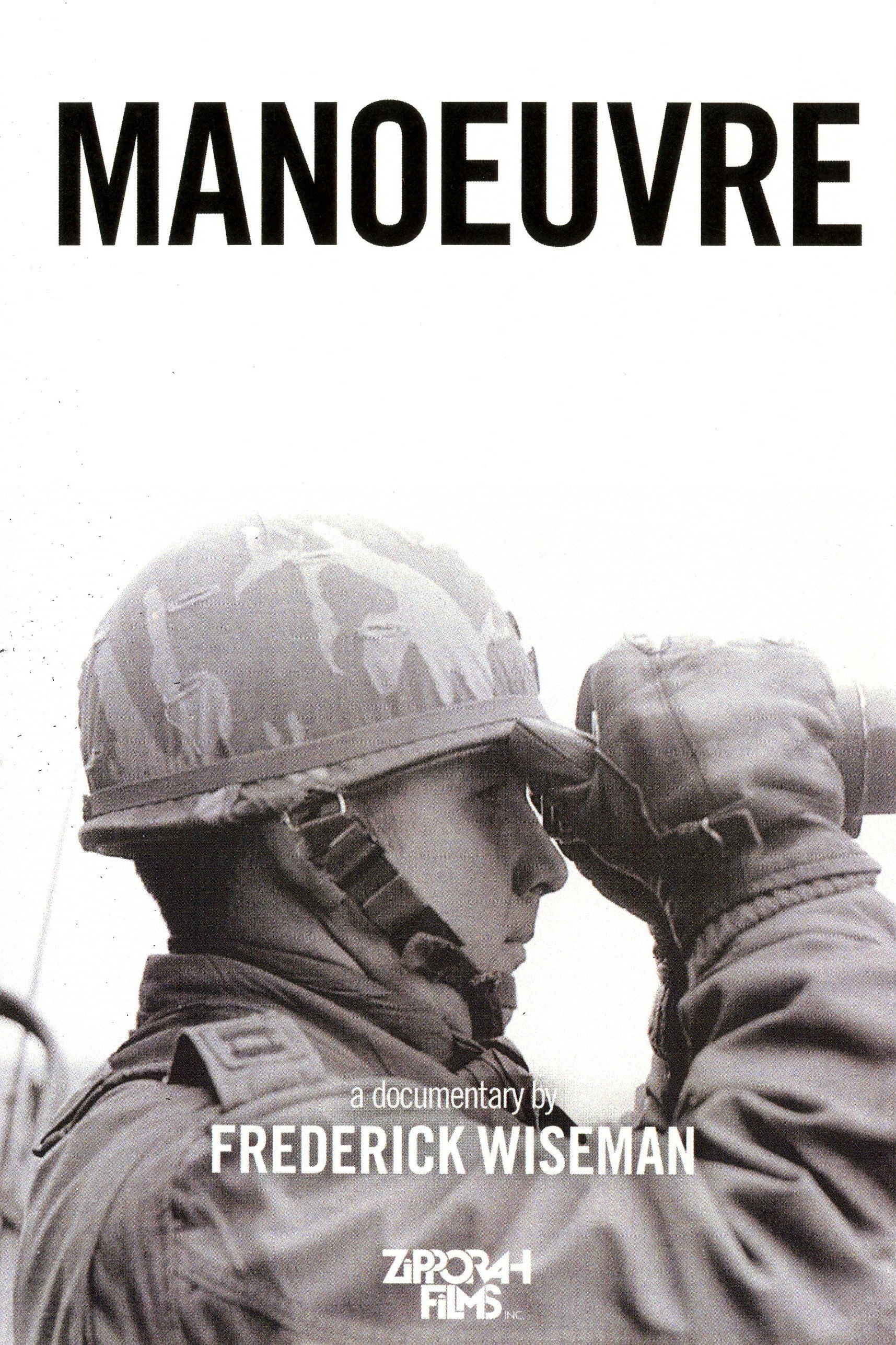
Manoeuvre (1979)
Manoeuvre WikiData IMDb TMDB
other title: 작전 훈련 / 演习 …
MANOEUVRE follows a U.S. infantry tank company through NATO’s annual fall manoeuvres in Western Europe. One purpose of these war games is to test how quickly and effectively U.S. reinforcements can come to the aid of NATO forces stationed in Europe. The various stages of the training exercise, including defensive and offensive tactics, and hypothetical wins and losses are seen from the point of view of a company fighting a simulated, conventional, non-nuclear ground and air war.

Movie

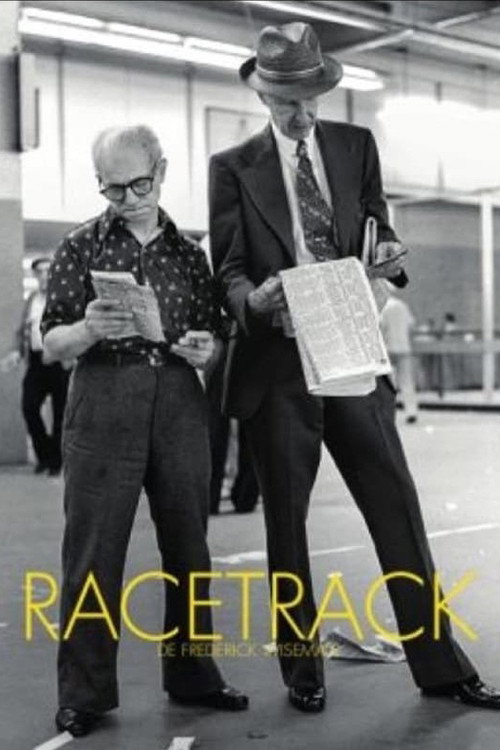
Racetrack (1985)
Racetrack IMDb TMDB
other title: 경주로 / 跑马场
RACETRACK is about the Belmont Race Track, one of the world's leading race tracks for thoroughbred racing. The film highlights the training, maintaining and racing of thoroughbred horses. Everyday occurrences are shown: in the backstretch — the grooming, feeding, shoeing, and caring for horses and the preparation for races; at the practice track the various aspects of training, exercising, and timing the horses; at the paddock — the pre-race presentation of the horses; and in the grandstand — betting and watching the races. The film also has sequences showing the variety of work done by trainers, jockeys, jockey agents, grooms, hot walkers, stable hands, and veterinarians.

Movie

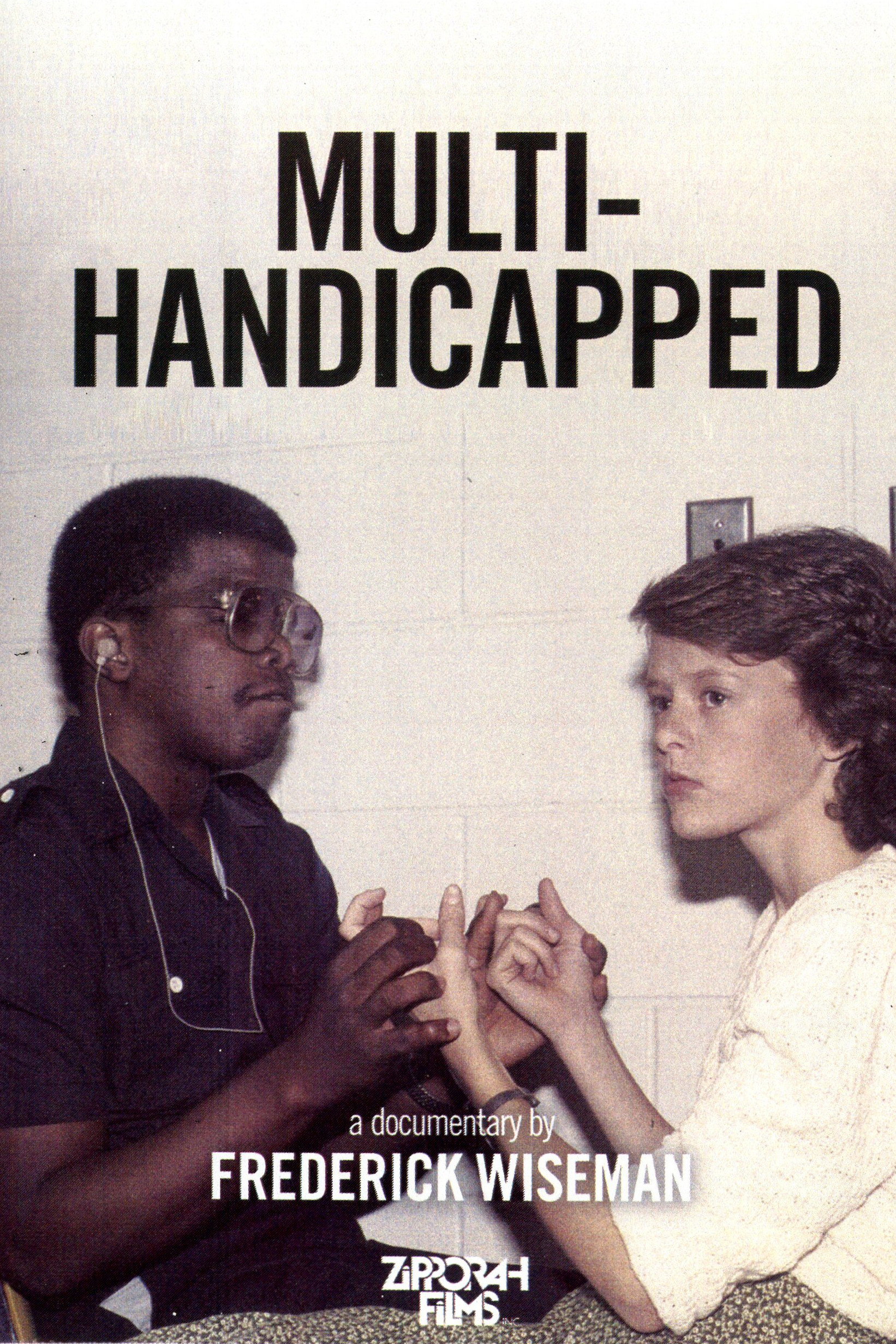
Multi-Handicapped (1986)
Multi-Handicapped IMDb TMDB
other title: 복합 장애 / 多重残疾
This film shows the day to day activities of multi-handicapped and sensory impaired students and their teachers, dormitory parents, and counselors at the Helen Keller School. The primary mission of the school is to meet the total and living needs of deaf and/or blind children, some of whom also have other disabilities. The film presents situations involving personal hygiene, mobility training, concepts of time and money, self help and independent living, dormitory life, recreation, sports, vocational training, and psychological counseling.

Movie

Missile (1988)
Missile WikiData IMDb TMDB Douban
other title: 导弹 / 미사일 …
A film about the 4315th Training Squadron of the Strategic Air Command at Vandenberg Air Force Base in California which trains Air Force officers to man the Launch Control Centers for the Minuteman Intercontinental Ballistic Missiles. Sequences include discussion of the moral and military issues of nuclear war; the arming, targeting and launching of the missile; codes; communications; protection against terrorist attack; emergency procedures; staff meetings; tutorial sessions. The film follows the trainees through the various stages of training through graduation and assignment to staff Launch Control Centers.

Movie

Basic Training (1971)
Basic Training IMDb TMDB Douban
other title: 基础训练 / 기초 군사 훈련
BASIC TRAINING follows a company of draftees and enlisted men through the nine weeks of the basic training cycle. The varieties of training techniques used by the army in converting civilians to soldiers are illustrated in scenes of drills, M-16 and bayonet use, gas chamber, mines, night crawl, infiltration course and the many forms of ideological training familiar to millions of men and women who have served in the armed forces.

Movie

State Legislature (2007)
State Legislature WikiData IMDb TMDB Douban
other title: 州立法院 / 주 의회 …
Press Release RENOWNED DOCUMENTARIAN FREDERICK WISEMAN EXPLORES THE DECISION-MAKING PROCESS AT THE HEART OF DEMOCRACY IN STATE LEGISLATURE, PREMIERING JUNE 13 ON PBS The Rocky Mountain state of Idaho is governed by "citizen" legislators - not career politicians. These lawmakers are, for the most part, farmers and ranchers, business men and women, lawyers, doctors, sales people, loggers, and teachers elected for two-year terms. During the 2004 Idaho state legislative session, these citizen legislators became an integral part of STATE LEGISLATURE, the latest documentary from acclaimed filmmaker Frederick Wiseman. In his ongoing project to explore contemporary American life as expressed in institutions, Wiseman turned his camera on the legislature to illustrate the way the democratic decision-making process works. In his trademark style, nothing is staged. Wiseman captures the lawmakers as they debate and discuss the concerns of the electorate, on issues that range from violence in schools, mad cow disease and video voyeurism to illegal immigration, secondhand smoke and the deregulation of telephone rates. In Le Monde, Thomas Sotinel called STATE LEGISLATURE "(an) ode to representative democracy." Variety's review stated, "What emerges is the thoroughness with which the system treats even the most contentious of issues and eccentric of constituents." After a showing at the 2007 Berlin International Film Festival, German film critic Ekkehard Knörer wrote, "One stands to gain nothing less than mind-boggling insights into the machinery of American democracy." STATE LEGISLATURE premieres Wednesday, June 13 at 9 p.m. (ET) on PBS (check local listings). The film is presented nationwide on PBS by Thirteen/WNET New York, which has been the national presenter of Frederick Wiseman's films throughout his career. Wiseman, a three-time Emmy Award-winning director, has 34 documentary films to his credit, from the controversial Titicut Follies (1967) and High School (1968) to Near Death (1989), Public Housing (1997) and Domestic Violence (2001). "This film shows the day-to-day aspects of the legislative process, the goal of which is the creation of the laws that govern the civic life depicted in my other films," said Wiseman. "Unlike a textbook description in a political science course of how a bill becomes a law, a film of a legislature can convey in a unique way the actuality of the legislative process, that is, how decisions are made and power is exercised in a democratic society and the constraints and limitations on the application of that power." While it may not be easy or smooth, the legislative process is the engine that drives American democracy. And in each of America's 50 state capitals, the legislature is the basic democratic institution, where elected representatives make the laws that define the rights and obligations of citizenship. From determining how to fund government agencies to setting the policies of all the services the state provides - from police to prisons to schools - the state legislature defines, regulates and gives shape to civic life. Present for the entire 2004 session of the Idaho legislature, Wiseman had access to all aspects of the legislative work. The result is a portrait of a complex body that serves essential routine functions in the day-to-day operations of a state and, at the same time, plays a key symbolic role in the American way of life. Throughout the course of the film, the camera roams the halls and conference rooms of the Idaho state legislature. The film observes legislators discussing bills before they are formally introduced; the committee hearings where the testimony of witnesses and lobbyists for and against the legislation is heard; the debate among legislators to determine whether the bill should go to the floor of the House or Senate for final consideration; and the final debate and vote. The film also captures informal discussions with lobbyists and citizens, as well as press conferences and events held in the state house rotunda. Sequences illustrate the role of lobbyists, the power of committee chairmen, the use of procedural maneuvers to advance or retard legislation, and debates in committee - some revealing the mundane, even arcane, aspects of the process, and others eliciting remarkably eloquent oratory. Among the issues discussed by the legislators during the course of the session are: violence in schools; electronic waste; utility costs; teacher salaries; a sex offenders registry; the relationship between church and state, welfare appropriations; liability of companies marketing unhealthy foods; educational policy; mental illness; crime victims' rights; contractor licensing; and public transportation policy. "For me, the drama lies in the commonness of the issues, in the ordinariness of the people called on to resolve them, and the seriousness with which they accept the responsibility for participating in decisions that affect all aspects of our lives," said Wiseman. "STATE LEGISLATURE is, in my view, a reflection of contemporary American life and both an illustration of and metaphor for the democratic process." Funding for STATE LEGISLATURE was provided by PBS, the Corporation for Public Broadcasting, Independent Television Service, National Endowment for the Arts, and The LEF Foundation and the Ford Foundation. STATE LEGISLATURE was directed and edited by Frederick Wiseman. Photography: John Davey. Sound: Frederick Wiseman. STATE LEGISLATURE is a co-production for PBS of Idaho Film, Inc. and Thirteen/WNET, in association with the Independent Television Service. Executive producer for Thirteen/WNET is Stephen Segaller. Executive producer for ITVS is Sally Jo Fifer. Tamara E. Robinson is vice president and director of programming for Thirteen/WNET. STATE LEGISLATURE is a Zipporah Films, Inc. release.
Movie

Menus-Plaisirs - Les Troisgros (2023)
Menus Plaisirs - Les Troisgros WikiData IMDb TMDB Douban
★ 7.8 9 ratings
other title: Menus Plaisirs - Les Troisgros / Menu plaisirs …
Founded in 1930, the Troisgros family restaurant has been holding 3 Michelin stars for 55 years over four generations. Michel Troisgros, the third generation to head the restaurant, has turned over the responsibility for the cuisine to his son César, the 4th generation of Troisgros chefs. Wiseman embarks us on a mouthwatering and sense-pleasing journey into the family’s three restaurant kitchens. An immersive experience, showing the great artistry, ingenuity, imagination, and hard work of the restaurant staff in creating, preparing, and presenting meals of the highest quality. 源自:

Movie

Aspen (1991)
Aspen IMDb TMDB Douban
other title: 阿斯彭 / 애스펀
A former mining town in Colorado’s Rocky Mountains, Aspen is now better known as a winter playground for wealthy holidaymakers. Against the majestic landscape, visitors relax while locals toil around them.

Movie

The Store (1983)
The Store IMDb TMDB Douban
other title: 商店 / 백화점
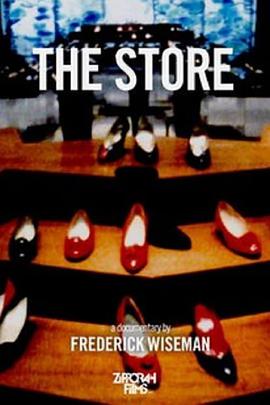
THE STORE is a film about the main Neiman-Marcus store and corporate headquarters in Dallas. The sequences in the film include the selection, presentation, marketing, pricing, advertising and selling of a vast array of consumer products including designer clothes and furs, jewelry, perfumes, shoes, electronic products, sportswear, china and porcelain and many other goods. The internal management and organizational aspects of a large corporation are shown, i.e., sales meetings, development of marketing and advertising strategies, training, personnel practices and sales techniques.

Movie

Domestic Violence 2 (2002)
Domestic Violence 2 IMDb TMDB Douban
other title: 家庭暴力 II / 가정 폭력 2 …
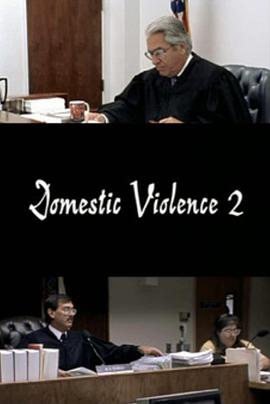
DOMESTIC VIOLENCE 2 takes place in the arraignment, misdemeanor, and injunction courts in Hillsborough County, Tampa, Florida. The courts deal with such issues as bail, bonds, release pending trial, the specific context of injunctions regulating time and place of parental visits, restraining orders, contact with children, support payments, and the court's decision about fault and punishment. The judges and lawyers ask questions which elicit the stories of couples' relationships and the specific form of violence between them.

Movie

Sinai Field Mission (1978)
Sinai Field Mission IMDb TMDB Douban
other title: 西奈驻防 / 시나이 현장 임무
SINAI FIELD MISSION shows the routine activities of the diplomats and electronics technicians who operate the U.S. Sinai Field Mission, the early warning system established in 1976 to help facilitate the disengagement between Egypt and Israel after the 1973 war. The major purpose of the Mission is to monitor the approaches to strategic passes and to verify the operations of the Egyptian and Israeli surveillance stations in the Sinai Buffer Zone.

Movie

Canal Zone (1977)
Canal Zone IMDb TMDB Douban
other title: 运河区 / 운하 지구
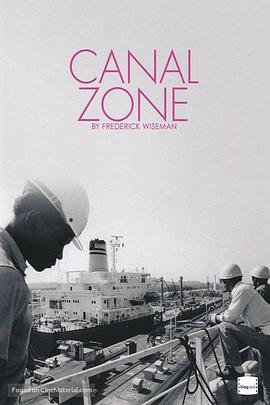
CANAL ZONE is about the people who live and work in the Panama Canal Zone and shows both the operation of the Canal and the various governmental agencies — business, military, and civilian — related to the functioning of the Canal and the lives of the Americans in the zone. The film includes sequences of ships in transit, the work of special canal pilots, aspects of the civil government, work of the military, and the social, religious and recreational life of the Zonians.

Movie

Law and Order (1970)
Law and Order WikiData IMDb TMDB Douban
other title: 法律与秩序 / 法律與秩序(紀錄片) …
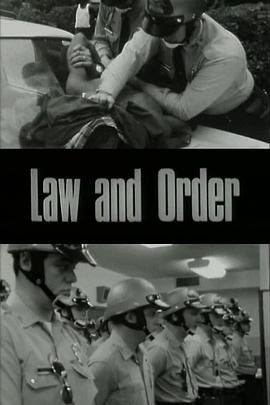
A cinema verité view of the day-to-day activities of policemen on the Kansas City, Missouri police force. The police are followed through a series of routine actions: locating a stolen purse, caring for a lost child, arresting a prostitute, and settling family problems.

Movie

Essene (1972)
Essene IMDb TMDB Douban
other title: 艾塞尼 / 에세네파
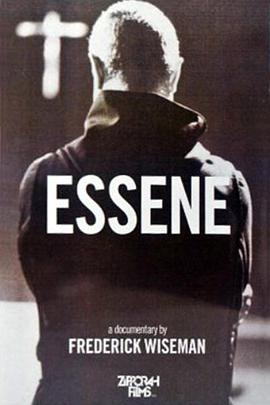
ESSENE is about daily life in a Benedictine monastery and the resolution of conflict between personal needs and the institutional and organizational priorities of the community. In the Order, where the focus of life is the relationship of individual work and worship to the community as a whole, the brethren must cope with the same issues that arise in any community: rules, work, worship, values, love, and play.

Movie

Near Death (1989)
Near Death WikiData IMDb TMDB Douban
other title: 临终 / 임사 …
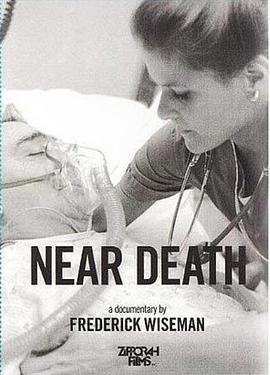
''Your lungs are about as bad as they can get,'' the nurse explains to the 83-year-old man. ''Your lungs aren't going to get better, and so the act of putting you on the machine is almost a futile effort.'' In a long conversation, the nurse lets this patient know what his options are and tries to determine his wishes, as kindly as possible but with the suggestion that she has done this many times before. ''I want to help you, but I only want to help you in the manner in which you want to be helped,'' she says. ''I don't want to keep you alive unless you like living.'' A half-dozen young medical professionals gather around the bed of an old woman, a stroke victim who cannot speak and can communicate only by means of the faintest movements. They want to discuss the possibility of removing her breathing tube and the machine to which it is connected. Does she understand what the consequences of this may be? Is she prepared for the worst? Is she worried about the way her death may affect her devoted husband? The woman attempts to answer this barrage of difficult questions by weakly signaling yes or no, but she is soon exhausted. She indicates that she would like the conversation to stop. A semiconscious man who will die within a matter of days is being groomed by a slightly impatient young nurse. He looks momentarily startled as she adjusts his head so that he can be shaved. It looks as if moving the tubes attached to his face is slightly painful. It's hard to tell. The man gives the nurse one more startled look as she perfunctorily runs a comb through his hair. In a room filled with medical machinery, the line on a monitor goes flat. A nurse stands by, still holding the patient's hand. A doctor touches the patient efficiently, then checks for breath from her open mouth. ''Okay, she's dead,'' he says. ''7:53.'' These are the unforgettably sobering sights and sounds of ''Near Death,'' Frederick Wiseman's great, fearless and monumental six-hour documentary chronicling the workings of the medical intensive care unit at Boston's Beth Israel Hospital. They are the sorts of images that become grimly commonplace during the course of a film that is less a viewing experience than a total immersion. It isn't the running time that makes ''Near Death'' so overwhelming; it's the subject itself. But at this length, the film has time to carry its audience from an initially raw emotional response to a calmer consideration of the difficult issues raised here, and finally on to some sort of resolution. It is Mr. Wiseman's method to make himself an extremely attentive fly on the wall, observing long exchanges between doctors and patients, doctors and family members, and among the various members of the unit's medical staff. This particular intensive care unit is not a place for emergency surgery or for treating sudden illnesses; it's a place offering medically sophisticated treatment to people whose final days mark the last stage of slow, agonizing decline. Everyone the camera observes has spent time watching life erode and has had extensive experience with debilitating pain. One of the doctors has a sister who practices medicine at another hospital. ''She doesn't say 'What do you think?' - she says 'You're father's dying,' '' he tells a colleague. But at this particular ward, great care is taken to talk more humanely and less abrubtly about what the terminally ill patient's prospects really are, and to try to involve patients and family members in making life-or-death decisions. This is even harder than it sounds. Patients who thought they would never want heroic measures can sometimes feel differently when their worst fears become reality; relatives who want everything possible done for their loved ones reach a point where they may feel the dying patient has been through enough. The doctors have their own perspective. Experience has inevitably touched some of them with cynicism, however hard they fight against their own pessimism. ''I really believe that from the moment that diagnosis was made - like in 'Treasure Island,' when that old captain got handed a black spot? She got handed a black spot,'' a doctor tells a colleague about one patient. ''It's not clear we have anything to offer,'' this same doctor subsequently acknowledges. ''But in this day and age, we're extremely reluctant to say 'We can't do anything for that.' '' The doctors are always first to recognize hopeless situations, and they find themselves gently trying to steer patients toward the recognition that high-tech life-prolonging efforts may be futile and self-defeating. Phrases like ''We never know the future for sure, but. . . .'' and ''a borderline situation between surviving and not surviving'' have become delicate staples of their conversation. Among themselves, the doctors talk differently; they may use less gentle euphemisms, like ''just call it a day.'' ('' 'Quality of life' is for furniture salesmen,'' one says.) For the most part, the doctors in the film are as young and energetic as their patients are weak and old, and at times it is difficult not to regard as cavalier the very hardiness that allows them to do this work at all. One of the things that emerges over six hours is an enormous appreciation of the doctors' stamina and tact. As ''Near Death'' focuses attention on questions of just where life ends and how its ending can best be handled, it flinches at nothing. It's not for the timid. Though there is no full autopsy sequence depicted here, doctors are seen studying diseased organs in a post-autopsy evaluation session; another section of the film shows exactly how nurses remove the dead from their rooms and transport them inconspicuously to the morgue. The nurses' casualness about this is at least as chilling as the process itself. And if squeamishness is not spared, neither is pure emotion. There are scenes of heartbreaking tenderness in which longtime spouses, soon to be left alone, try to comfort the people they love. The families who allowed Mr. Wiseman to film long, uninterrupted takes chronicling such private and painful moments have made an invaluable contribution. ''Near Death'' will be shown today at 11:30 as part of the New York Film Festival. Those who see it will find themselves irrevocably altered by the experience. 'We Never Know' NEAR DEATH, directed, produced and edited by Frederick Wiseman; photography by John Davey; production company, Exit Films; a Zipporah Films Release. At Alice Tully Hall, as part of the 27th New York Film Festival. Running time: 350 minutes. This film has no rating.