Alessandro Blasetti — Director (19)

Movie

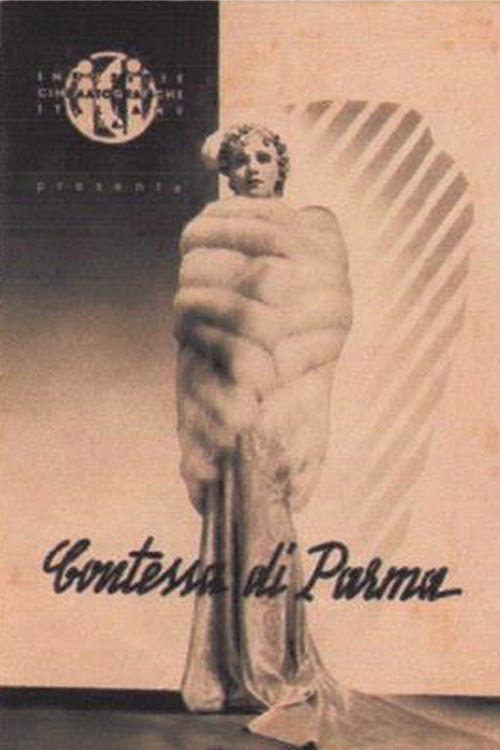
The Duchess of Parma (1937)
La contessa di Parma WikiData IMDb TMDB
other title: Komtess von Parma / La contessa di Parma …
La Contessa di Parma was the sole directorial contribution by Allesandro Blasetti in 1937. The first of several expensive costume dramas upon which the director established his international reputation, the film stars Elisa Cegani as Marcella, a model in the dress shop owned by enterprising Umberto Melnati. To improve his business, the owner instructs his models to dress up as society ladies and attend all the best parties. And that's how humble little Marcella comes to be mistaken for the popular Duchess of Parma -- and by extension, how our heroine wins the love of football hero Gino Vanni (Antonio Centa). A little wanting in the way of plot or logic, La Constessa di Parma is at least consistently good to look at.

Movie

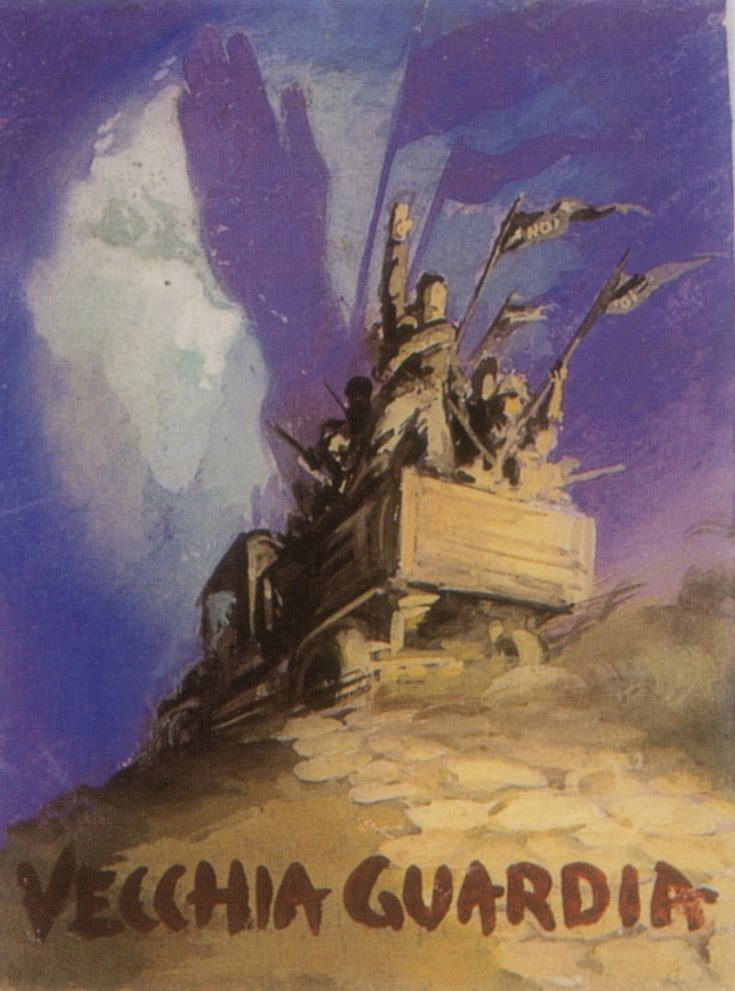
Old Guard (1934)
Vecchia guardia WikiData IMDb TMDB
other title: Vecchia guardia / The Old Guard …
There were very few commercial feature films made during the Italian fascist era that were as openly propagandistic as this famous (notorious?) dramatic paean to the Blackshirts. The story takes place in a small village in Italy in October of 1922, on the eve of the fascist "March on Rome", in which King Victor Emanuel III was persuaded to consign power to Benito Mussolini. Gianfranco Giachetti is Dr. Cardini, a doctor at the local psychiatric hospital, where a strike has been called by the local socialists. Cardini turns to the fascists to help avert the strike. His son Roberto (Mino Doro) rounds up fascist friends to fight those aligned with the strikers and the town's socialists.

Movie

Love and Chatter (1958)
Amore e chiacchiere WikiData IMDb TMDB
other title: Liebe und Geschwätz / Hablemos de amor (Salvemos el paisaje) …
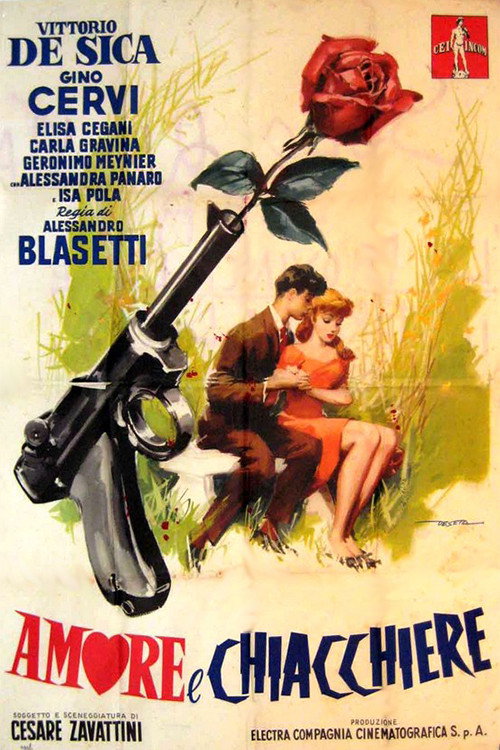
Maria and Paul love them, but they are very young and, moreover, Maria is the daughter of the municipal sweeper while Paul is the lawyer Bonelli, vice mayor and head of the opposition. To complicate the story there is the reconstruction of a hermitage destroyed during the war. Reconstruction would take the view of the Paseroni villa, big industrial and political traffic. Bonelli's lawyer, a great speaker, becomes a mayor for the death of his predecessor and is bought by Paseroni, while rejecting the love of Paul and Mary for social differences and why Paul should stay behind Doddy Paseroni. At this point, Paul and Mary flee to kill, just as Bonelli has to hold a talk on the radio for the inauguration of Paseroni's villa ...

Movie

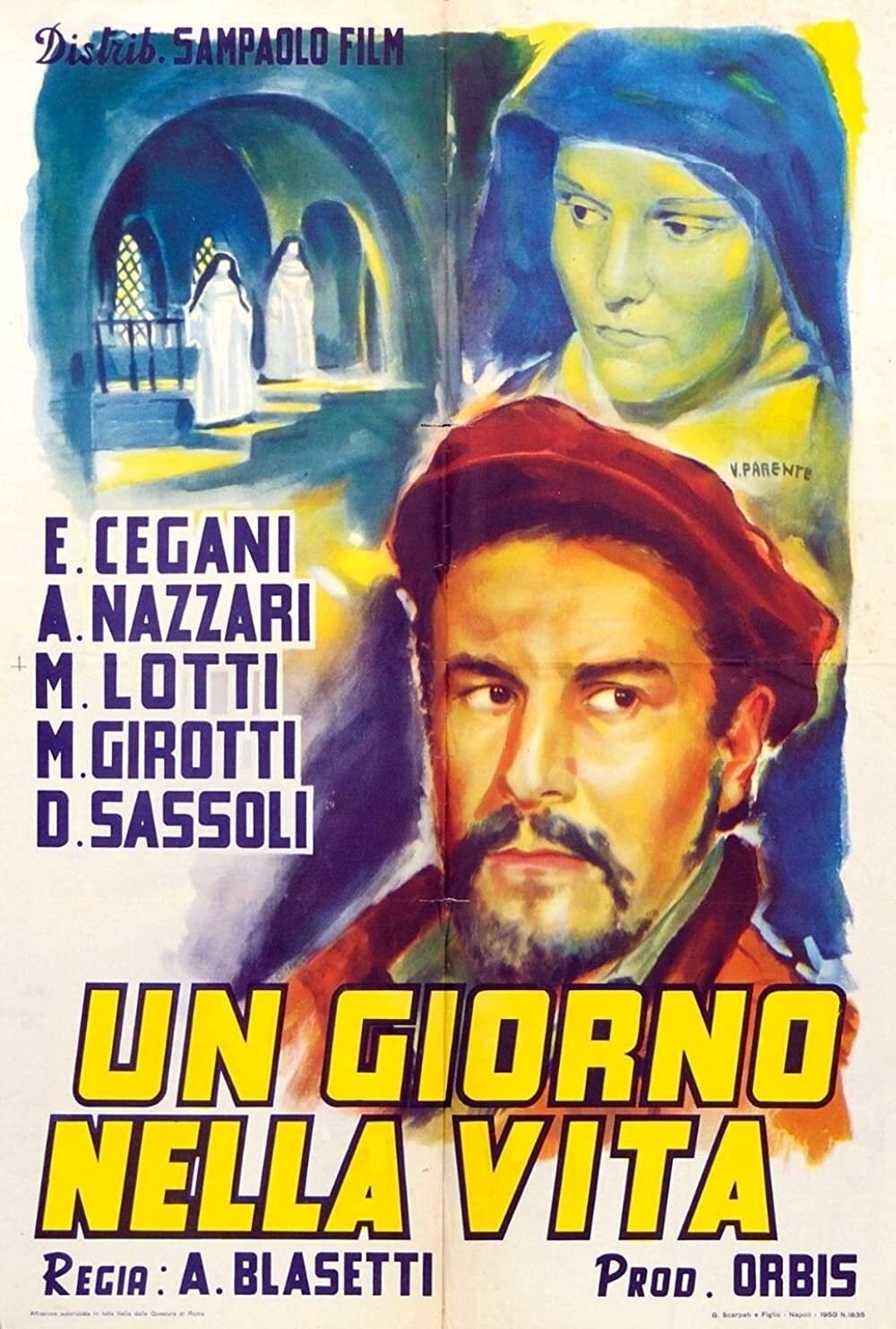
A Day in the Life (1946)
Un giorno nella vita WikiData IMDb TMDB
other title: 生活中的一天 / Un giorno nella vita …
Some Italian partisans want to take refuge in a convent to escape German raids. The nuns are a little perplexed at first but then agree since one of the men is seriously wounded. When the partisans eventually leave, the Germans take a terrible revenge.

Movie

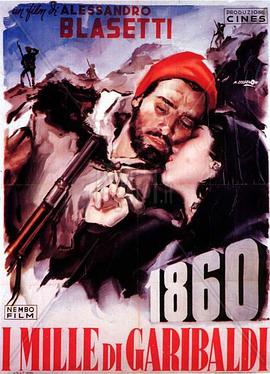
1860 (1936)
Douban
意大利人民反抗侵略,战争场面拍的相当宏大,各种优美流畅的长镜头,演员表演内敛自然,这部电影标志着意大利的电影人已经掌握了非常娴熟全面的电影技艺,被誉为当时意大利电影的最高成就丝毫不为过

Movie

Sun (1929)
Sole! IMDb Douban Eggplant.place
other title: 太阳 / Sole! …
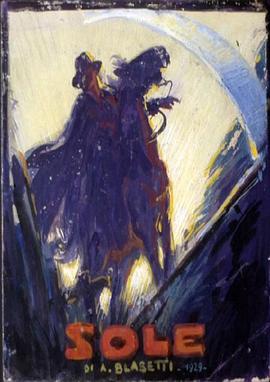
Sole is the first film by the great Alessandro Blasetti and bears a complex relationship to the reclamation of the Pontine Marshes, a seminal event in Fascist political history. Sole is also an important document in Italian film history. Its use of non-professional actors and location shooting began the movement away from studio spectacle and historical costume epic toward Italian film realism. Along with Blasetti's later film 1860 (1934), Sole includes many of the cinematic and humanistic traits of neorealism and underscores Blasetti's role as one of its progenitors. Background The film's subject is the massive, highly visible bonifica integrale ("integrated reclamation") project undertaken in 1929 by Mussolini to drain the Pontine marshes, located on the Appian Way some 30 miles southeast of Rome, between Anzio and Terracina. The marshes were a malarial swamp populated by a culturally rich but politically powerless native people, and therefore regarded as ripe for reclamation. The project aimed to replace the marshes with productive farmland and rural housing, and was a Fascist poster for public works and the "rural vocation of the Italian people". Settlers were provided with a standarized two-storey farmhouse of blue stucco with tiled roof, an oven, a plough, agricultural tools, a stable, some cows and several hectares of land. Mussolini was regularly photographed shirtless with workers and farmers, tool in hand, for inclusion in propaganda newsreels. Mussolini spearheaded the legislation, thereafter known as "Mussolini's Law". Work began in 1929, the year that Sole was made, and involved as many as 100,000 workers. Workers were paid poorly, interned in barbed wire camps with minimal care and sanitation, and malaria was rampant. Although Fascist agrarian ideals would have transformed the natives from primitive swamp dwellers to productive farmers, in fact, due to their unreliable politics, the natives were evicted and the five planned towns were populated with reliable supporters from strongly Fascist Northern Italy. Ironically, Anzio at the north end of the filled marshes later served as the Allied beachhead for a planned flank attack on German forces and a march on the "Open City" of Rome. To impede this, Germans turned off the drainage pumps to reflood the marsh, hoping to create a malarial net for the invaders. As a result, Allied and German soldiers fought malaria as well as each other, agriculture was devastated, houses were commandeered or destroyed, and the population was driven out. The area was physically devastated, undoing Il Duce's accomplishments. The film Sole has a complex relation to the Fascist project it documents. Outwardly it's a paeon to Fascist engineering and values such as the will toward progress, rural agrarian development, cultural homogenization and a positivistic spin on the "eternal conflict between civilization and regression". Mussolini reportedly admired the film in a private screening before its release. But the film resides ambiguously between Fascist values and a neo-realist appreciation for local culture and sympathy for the displaced swamp people and reclamation workers. Like 1860, Sole has non-professional actors, location shooting and a populist point of view, traits that were heralded 20 years later in La Terra Trema as the foundation of neorealism. The film offered here is the only known fragment – the first reel containing 265 m (about 9 minutes) of the original 76 mintues. The original negative was destroyed by the Nazis during the Roman occupation of 1943-1944. Sources: Images: (filmnutz)
Movie

The Crown of Iron (1942)
La corona di ferro Douban
other title: 钢盔 / La corona di ferro …
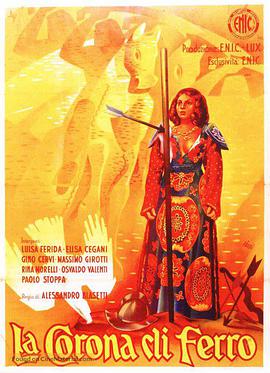
A deadly tournament for a princess' hand, a mystic "golden deer," babies switched at birth, a raised-by-lions quasi-Tarzan; everything but the proverbial kitchen sink was thrown into this extravagant fantasy adventure. Loin-clothed foundling Arminio (Massimo Girotti) leaves the jungle he grew up in upon reaching adulthood, unknowingly commencing the fulfillment of a prophecy that will have him regain the royal throne that is his birthright. Reviving the invincible muscleman hero of popular Italian silent films, THE IRON CROWN also anticipated the "sword and sandal" craze originating from that country in the 1950s, more directly triggered by two international hits: Alessandro Blasetti's own 1949 FABIOLA (released in 1949) and, not quite a decade later, HERCULES with American bodybuilder Steve Reeves. THE IRON CROWN won the "Mussolini Cup" for Best Italian Film at the Venice Festival but wasn't released in the U.S. until years after the end of World War II. Though little-remembered today (compared to some of the films it partly inspired), it survives as a vigorous if goofy gem of all-stops-out escapism. Here, it is presented it in its original language with English subtitles, minus the clumsy dubbing of poorly re-edited versions that were seen for decades outside Italy - Dennis Harvey