Hilde Krahl — Actor (11)

Movie

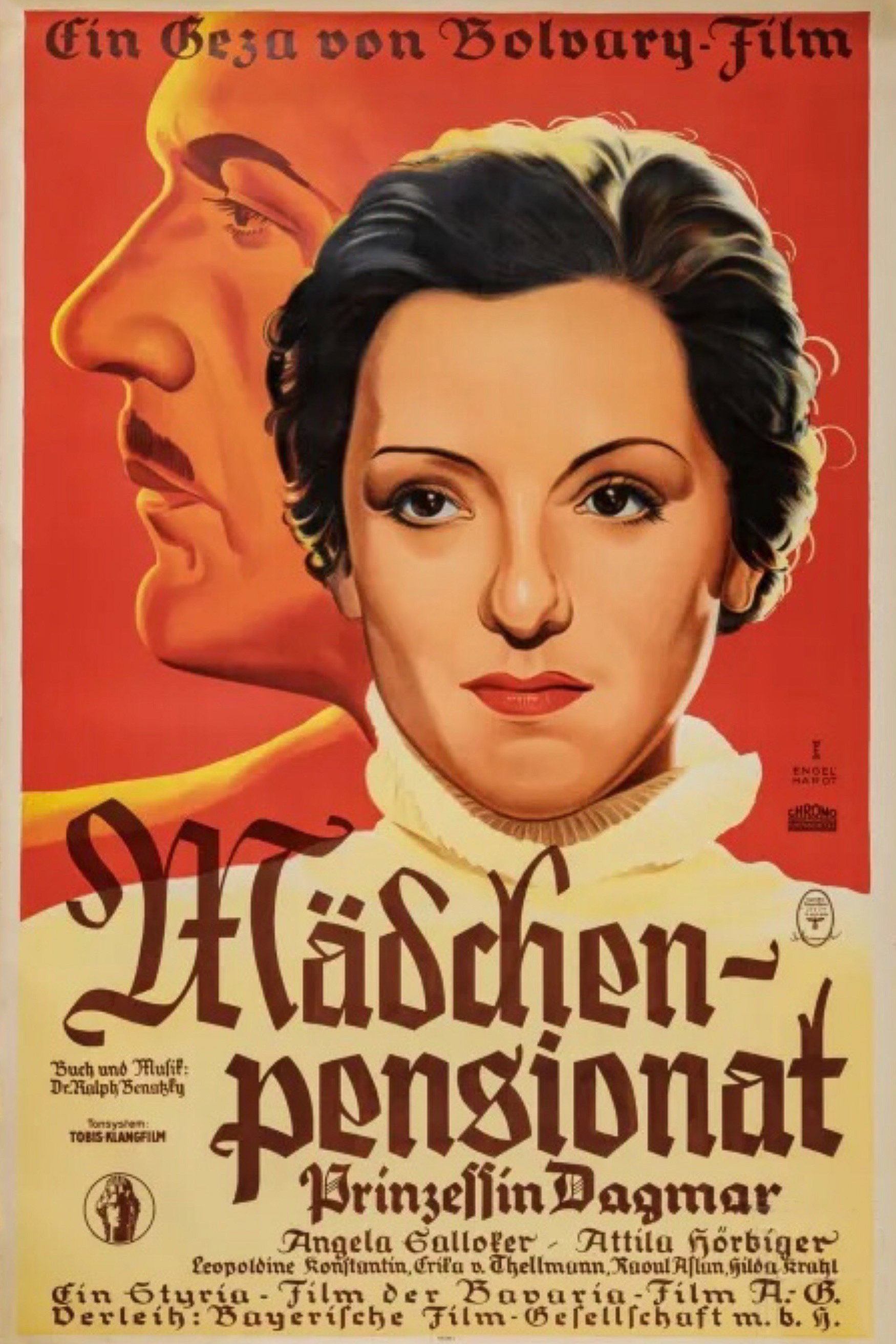
Girl's Dormitory (1936)
Mädchenpensionat WikiData IMDb TMDB
other title: Mädchenpensionat / Girls' Dormitory
Princess Dagmar's life is boring, so depressed - so depressed that the doctor has to come. And the doctor advises: The girl must get out of the regulated aristocratic everyday life. Princess Dagmar is sent to a girls' boarding school, located on a farm, where everyone studies hard and gets stuck in and eats simple, healthy food. In keeping with the surroundings, Princess Dagmar also falls in love with a tough country boy. He is determined to found a school where individual boys are welded together in camaraderie - so that they can find the values that will enable them to fulfill their leadership roles in the world of tomorrow. Of course, Princess Dagmar will entrust her son to him one day.

Movie

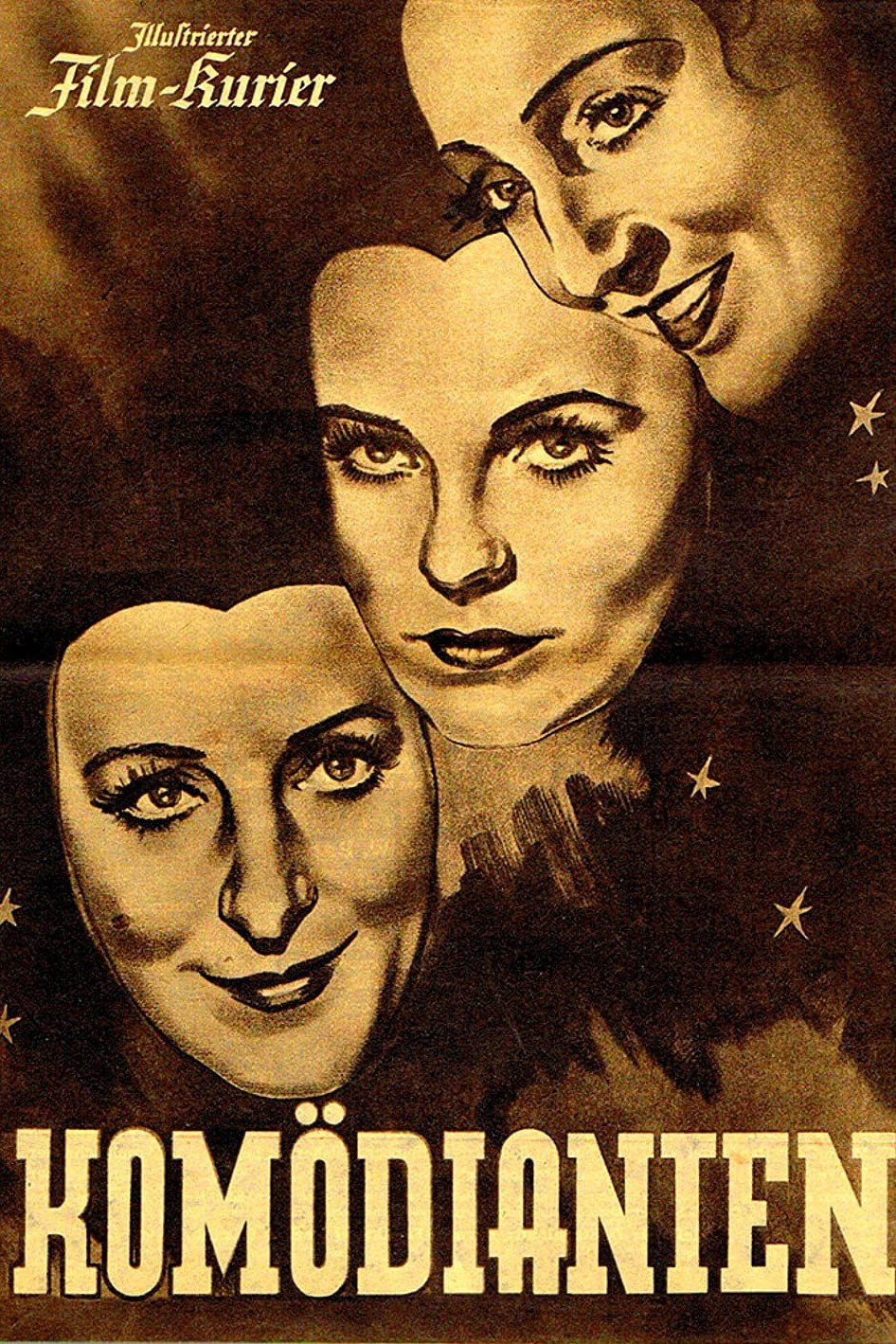
The Comedians (1941)
Komödianten WikiData IMDb TMDB
other title: Komödianten / 喜剧演员 …
Although she is known as a patron of the arts, a graceful duchess nevertheless refuses her nephew to marry an enterprising actress in this German melodrama starring Kathe Dorsch and silent screen legend Henny Porten. When Philine (Hilde Krahl), the troupe's ingénue, is rejected as proper marital material by the Duchess of Weissenfels (Porten), Karoline Neuber (Dorsch) creates such a furor that she is banished from the country. A performance at the court at St. Petersburg also ends in disaster for the unhappy actress and abandoned by all, Karoline dies a suicide.

Movie

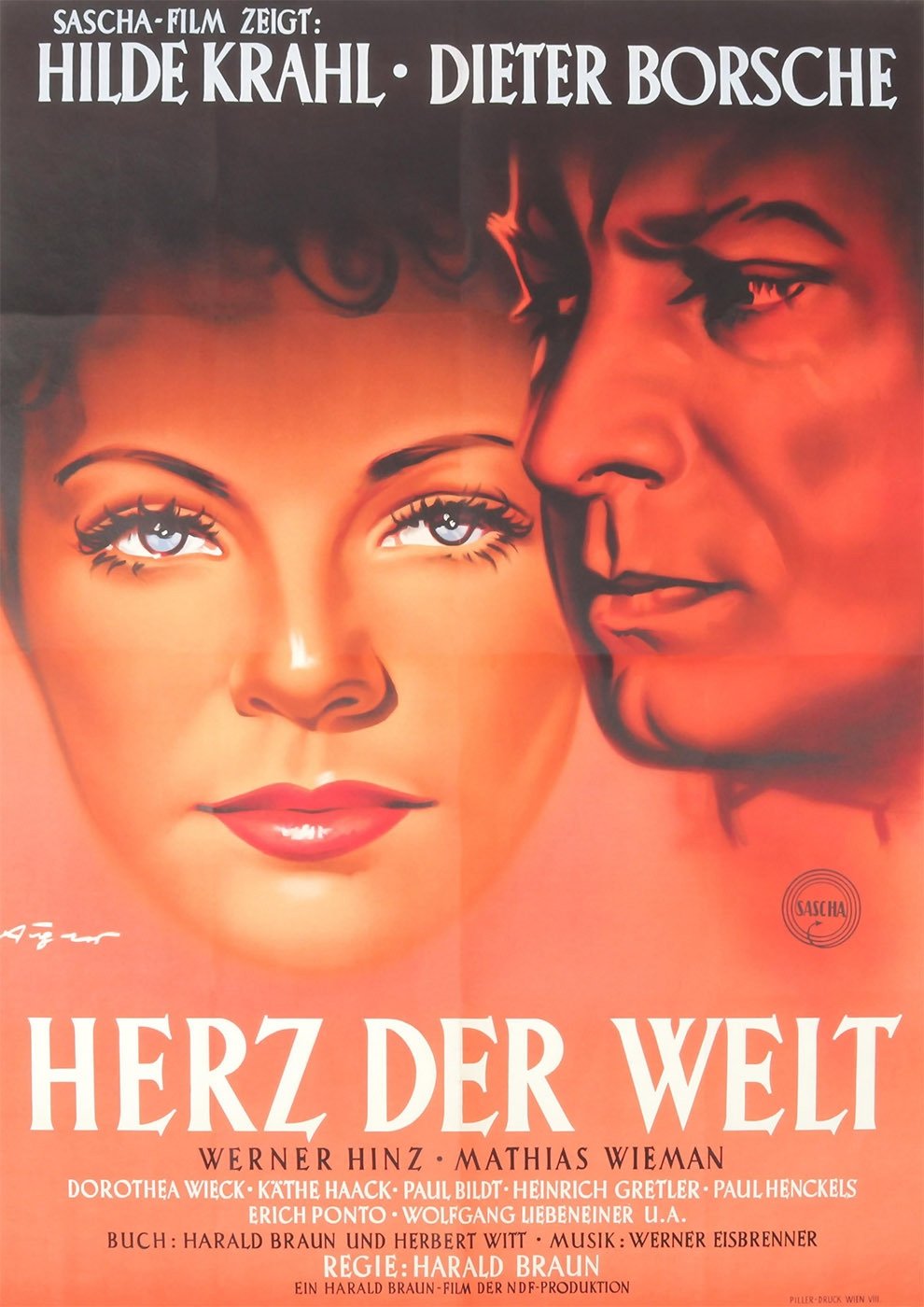
No Greater Love (1952)
Herz der Welt WikiData IMDb TMDB
other title: Herz der Welt / Le cœur du monde …
Directed by Harald Braun and told from the perspective of Bertha von Suttner, the first female to receive the Nobel Peace Prize, The Alfred Nobel Story - No Greater Love chronicles the life of scientist, inventor, and businessman Alfred Nobel. Nobel built a massive fortune throughout his life, and while much if it was amassed by his inventions--dynamite being perhaps the most notable--he was also revered for his discoveries within the fields of science and economics. Upon his death, Nobel decided that his fortune was simply too great to continue in the form of an inheritance or single charitable donation, opting instead to use the money as reward for the greatest contributors to physics, chemistry, medicine, literature, and, of course, peace.

Movie

A Devil of a Woman (1951)
Der Weibsteufel WikiData IMDb TMDB
other title: Der Weibsteufel / Possédée du diable
An ageing farmer and his young wife live in a lonely hut in the mountains. The farmer is a smuggler who the border police are trying to put a stop to. A young border hunter is sent to seduce the woman in order to find out where the man is hiding the smuggled goods. He in turn urges the woman to turn the border hunter's head so that he can go about his business undisturbed. But then the frontier hunter and the woman become truly passionate about each other, and the drama ends with murder and suicide. Based on the stage play by Karl Schönherr.

Movie

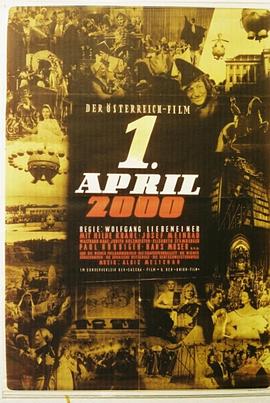
April 1, 2000 (1952)
1. April 2000 WikiData IMDb TMDB Douban
other title: 2000年4月1日 / 1. April 2000 …
It is the year 2000 and the World Global Union is in charge, although other countries are allowed to elect their own government leaders, as long as they support the Union. When Austria's newly-elected president, played by Josef Meinrad, makes his inauguration speech he declares Austria independence and issues an edict ending Austria's financial support for the Global Union. The Golbal Union President, played by Hilde Krahl, arrives in a flying-saucer with her retinue of world-soldiers, equipped with death-ray guns, to put an end to the rebellion. The president and the country are put on trial. The Austrian president recounts the country's' long battle for peace, and shows how Austria stopped the invasion of the Turks, and gave the world the operetta and the waltz. He organizes a mass parade with flora floats and a brass band---what else?---playing the Austrian Freedom Song in order to appeal to the court's impartiality. A 1943 document signed by Roosevelt, Churchill and Stalin and assuring Austria of independence is presented. Basically, a satire on the post-WWII delay by the United Nations coming to agreement an Austrian independence.