Boris Stepantsev — Director (5)

Movie

The Pioneer's Violin (1971)
Скрипка пионера WikiData IMDb TMDB
other title: Скрипка пионера
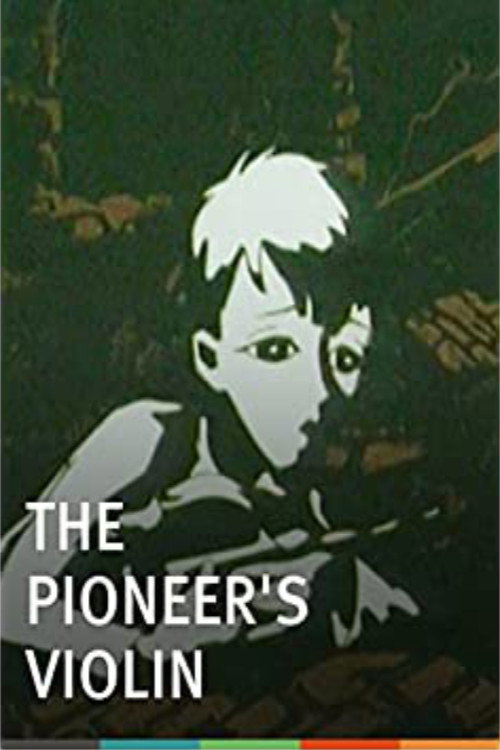
Subtle coloring and an impressionistic approach to landscape distinguish this patriotic animated short set to music. After a flourishing Soviet hamlet is destroyed by Nazi planes, the sole survivor is confronted by a hulking Nazi commando in a tank. The military man tries to cajole the young violinist into repeating a jaunty harmonica melody at gunpoint but the boy strikes up a noble song of resistance instead. Stepantsev's film may romance the idea of martyrdom but it does so with a gravity not often found in similar films.
Movie

Shchelkunchik (1973)
Щелкунчик Douban
other title: Щелкунчик / 胡桃夹子 …
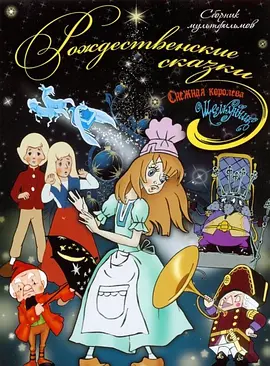
A young chambermaid finds a neglected nutcracker under a Christmas tree. It comes to life, but the Nutcracker is really an enchanted prince.

Movie

Karlson Returns (1970)
Карлсон вернулся
鲍里斯·斯捷潘采夫 actor: 法茵娜·让涅夫斯卡娅 / 瓦西里·利瓦诺夫 …
other title: Карлсон вернулся / Karlson vernulsya …
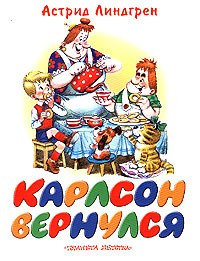
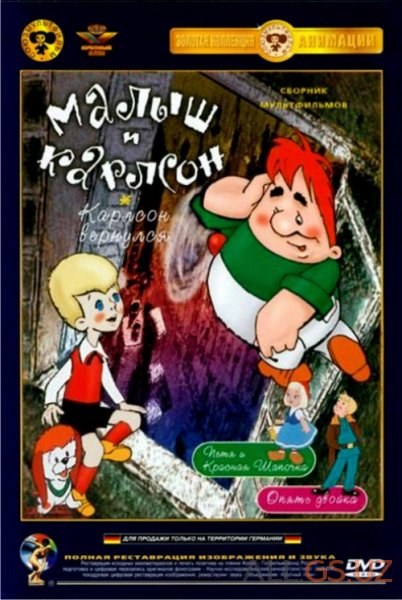
The Kid didn't have to miss Carlson for long - one day he landed in his room again. This means that there will be new adventures and pranks! With Carlson's help, the harsh and bossy Freken Bock will be re-educated and become very kind. And then the friends will all put on a costume show with dancing and drink tea with buns.

Movie

Malysh i Karlson (1968)
Малыш и Карлсон
other title: 屋顶上的小飞人 / Малыш и Карлсон …
A Soviet cult cartoon, so untypical for a Western viewer, especially, a little one. A boy named Malysh ("A Little One") suffers from solitude being the youngest of the three children in a Swedish family. The acute sense of solitude makes him desperately want a dog, but before he gets one, he "invents" a friend - the very Karlson who lives upon the roof. So typical for the Russian culture spirit of mischief, which is, actually, never punished, and the notion that relative welfare not necessarily means happiness made the book by Astrid Lindgren and its TV adaptations tremendously popular in the Soviet Union and nowadays Russia and vice versa - somewhat alienated to the Western reader and viewer (see User's comments below). However, both the book and the cartoon are truly universal - entertaining and funny for the children and thought-provoking and somewhat sad for grownups.