Hito Steyerl — Director (9)

Movie

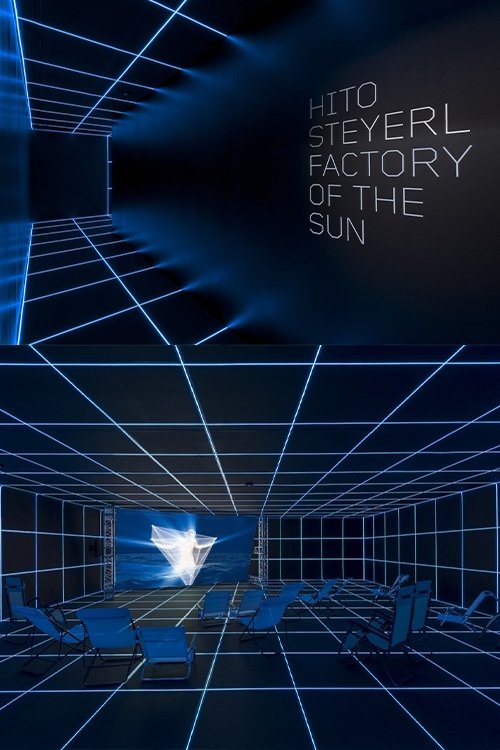
Factory of the Sun (2015)
Factory of the Sun TMDB
In this immersive work, which debuted at the 2015 German Pavilion at the Venice Biennale, Steyerl probes the pleasures and perils of image circulation in a moment defined by the unprecedented global flow of data. Ricocheting between genres—news reportage, documentary film, video games, and internet dance videos—Factory of the Sun uses the motifs of light and acceleration to explore what possibilities are still available for collective resistance when surveillance has become a mundane part of an increasingly virtual world. Factory of the Sun tells the surreal story of workers whose forced moves in a motion capture studio are turned into artificial sunshine.
Movie

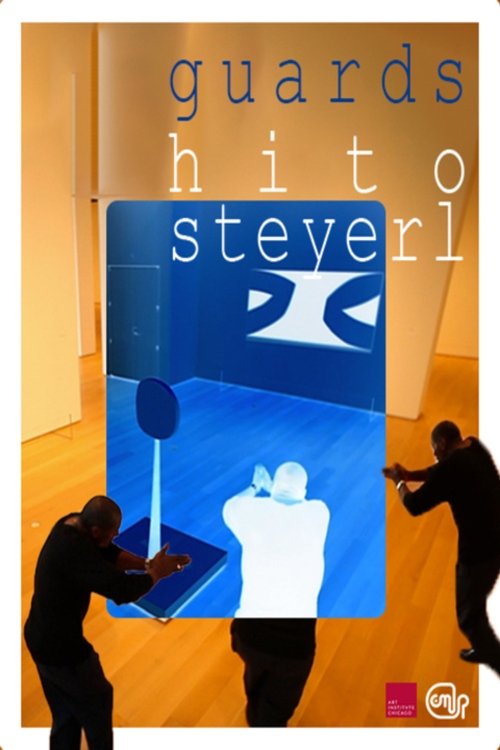
Guards (2012)
Guards TMDB
A film about museum guards with a background as law enforcement officers or military personnel.

Movie

HellYeahWeFuckDie (2016)
HellYeahWeFuckDie TMDB
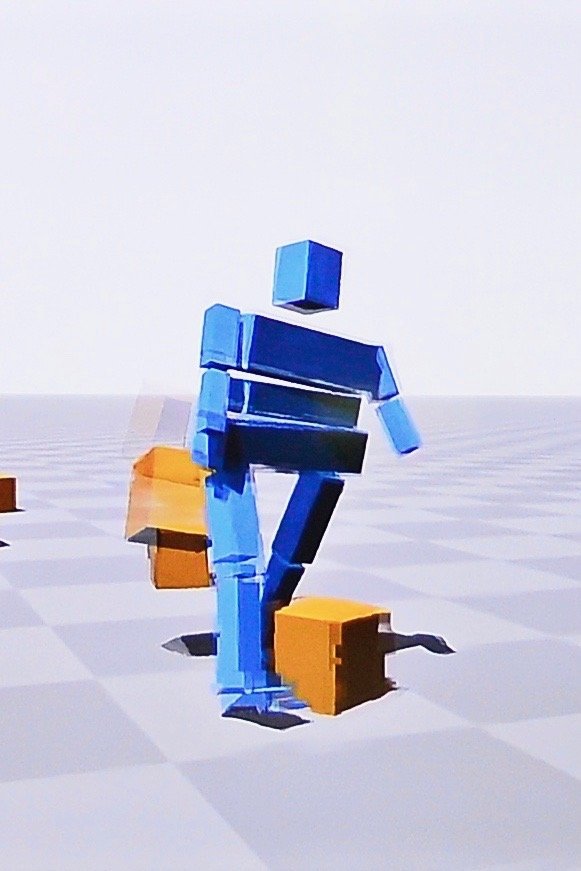
A three-channel video that begins with the animation of a fragmented sentence: HELL YEAH WE FUCK DIE—which, according to Billboard magazine, are the most frequently used five words in the English language music charts of the past decade. They provide the basis for the musical compositions that score documentary lab footage showing computer-simulated or actual physical force applied to humanoid robots to test their balance behavior.

Movie

Is the Museum a Battlefield? (2013)
Is the Museum a Battlefield? TMDB
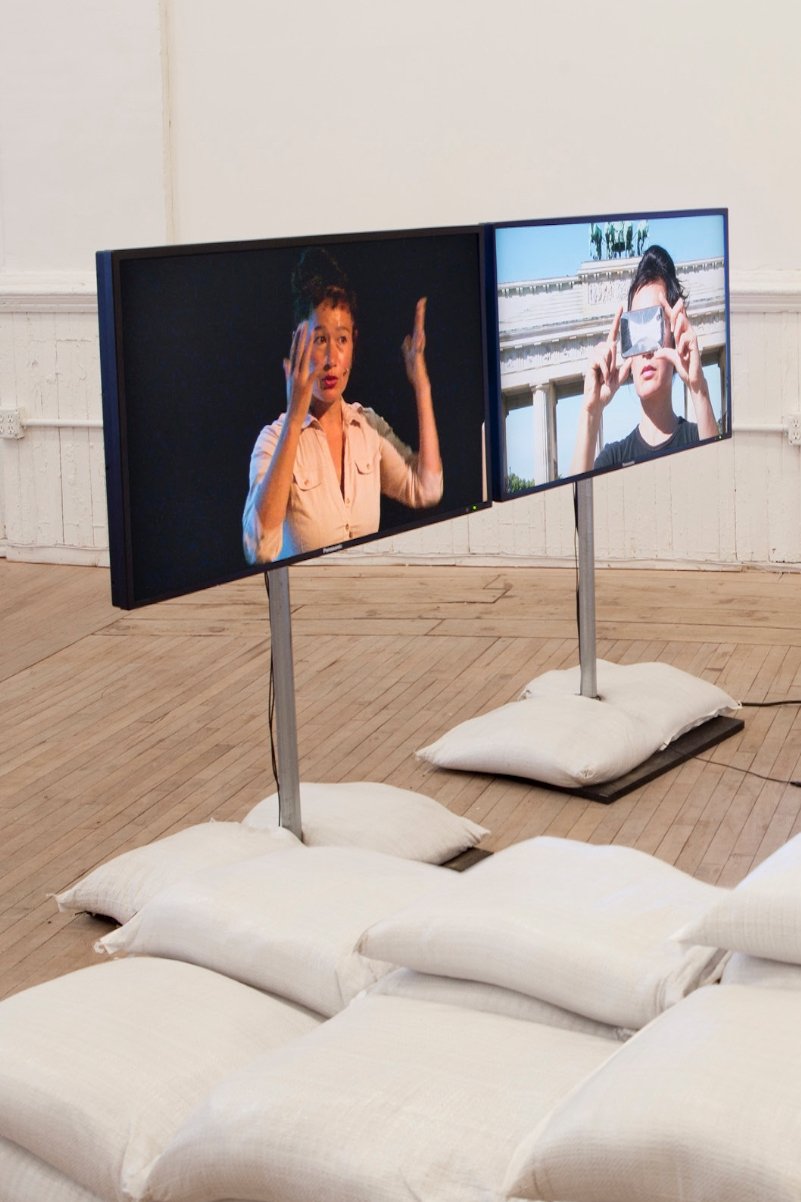
Steyerl’s new lecture, pro­duced for the 13th Istanbul Biennial, takes as its departure point her March 2013 talk ‘I Dreamed a Dream: Politics in the Age of Mass Art Production’ and focuses on the arms industry, a phenomenon constantly re-conceptualized by the media through the regular flow of images. It asks the question of how a museum and a battlefield could be related. The question emerges when Steyerl follows the trace of an empty bullet casing which she found in the area where the mass grave of Andrea Wolf and her friends were located in Van, Turkey.

Movie

Journal No. 1 - An Artist's impression (2007)
Douban
In 1947, two years after the end of the Second World War, Film Journal No. 1 was released in Sarajevo. Fifty years later, after the collapse of the Communist bloc, this newsreel was lost in the confusion of the fighting in Yugoslavia. In Journal No. 1 Hito Steyerl attempts to find out how the footage got lost and what was on this document from the Sutjeska studio. In the simultaneous projection of Journal No. 1 the ‘unattainability of an historical zero hour of the national identity’ takes concrete form: The lost newsreel reports on a literacy campaign as well as Muslim women confidently removing their headscarves. We listen however to eyewitnesses trying to recapture the lost content and we see the artist Arman Kulasic making a number of drawings that resemble the story-boards for the lost film. What appears to be moments of great change remain limited by subjective and uncertain memory. The film was premiered at documenta 12.

Movie

The Empty Center (1998)
Die Leere Mitte IMDb TMDB
other title: Die Leere Mitte
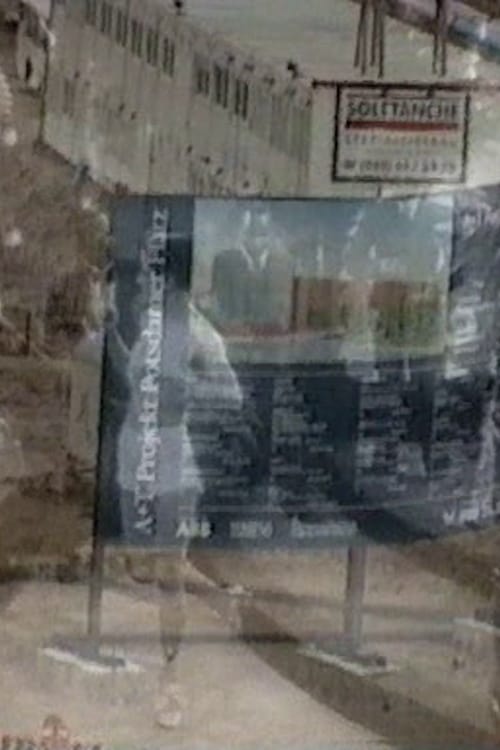
Steyerl’s film traces the impact of an influx of transnational companies on the city dwellers of Berlin in post-reunification Germany. The effect of the changing economy and politics on the city and its inhabitants is echoed through their physical relocation to its outer edges. In 1990, squatters proclaim a socialist republic on the death strip. Eight years later, the new headquarters of Mercedes Benz are built in the same location. The film makes use of slow super-impositions to uncover a journey across changing architectural and cultural boundaries. "The Empty Centre" tries to give a voice and a history to those who continue to be marginalised by the simultaneous dismantling and reconstruction of the borders which they are trying to cross.

Movie

Mission Accomplished: Belanciege (2019)
Douban
Giorgi Gago Gagoshidze / Hito Steyerl …
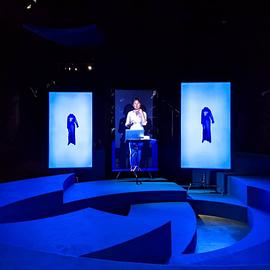
For her exhibition at Neuer Berliner Kunstverein (n.b.k.), Hito Steyerl, together with the artists Giorgi Gago Gagoshidze and Miloš Trakilović, developed a lecture that continues the artist’s exploration of the conditions of capitalist production, consumer culture, and mechanisms of commodification. MISSION ACCOMPLISHED: BELANCIEGE places the luxury brand Balenciaga at the center of a reflection on political and cultural changes in Europe, 30 years after the fall of the Berlin Wall – a time when neoliberalism and populism go hand in hand. On November 21, the lecture was presented online on the n.b.k. website; afterwards it can be seen as a 3-channel video installation, which has been specially designed for this exhibition.