Roberta Flack — Actor (3)

Movie

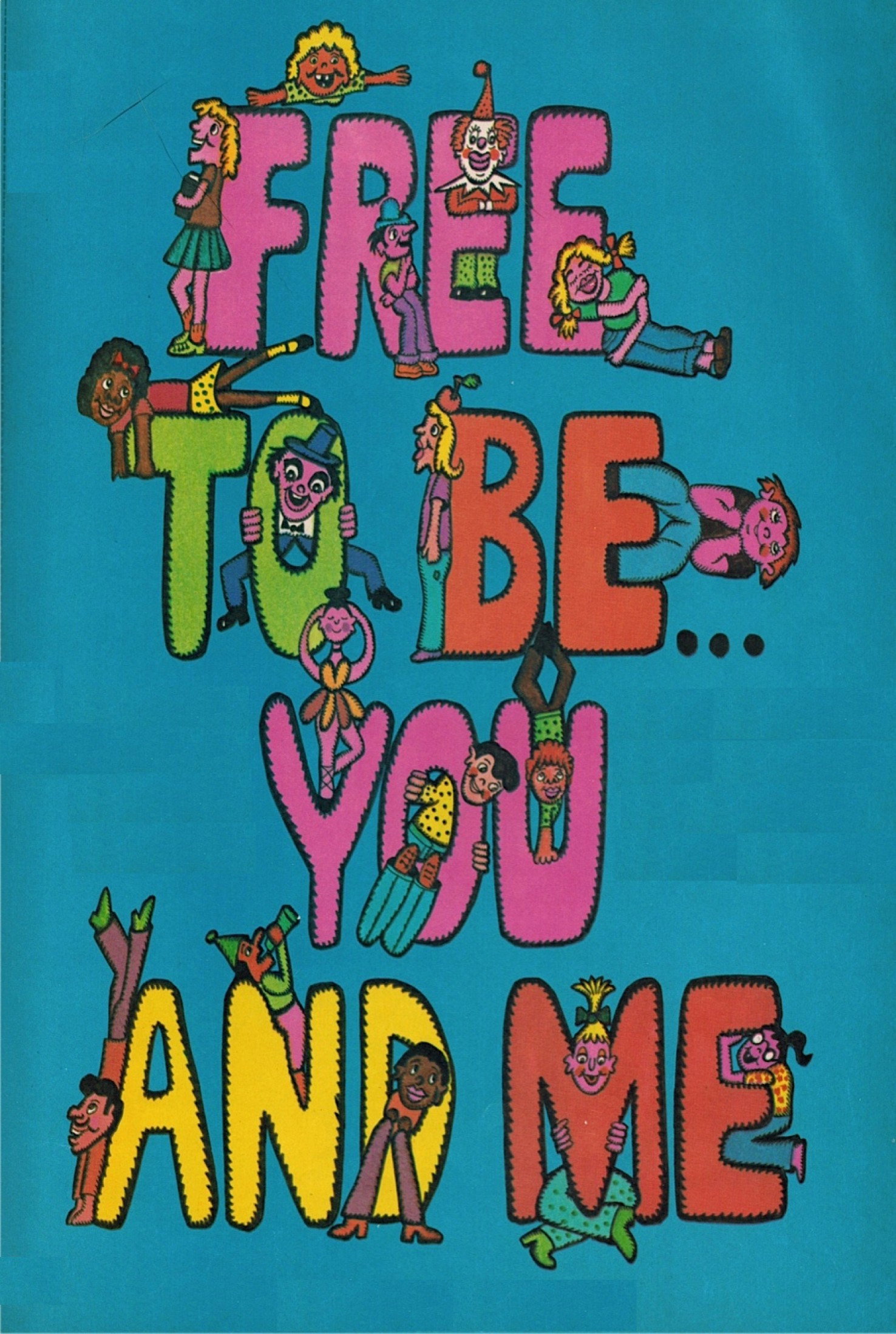
Free to Be… You and Me (1974)
Free to Be… You and Me IMDb TMDB
Free to Be…You and Me, a project of the Ms. Foundation for Women, is a record album, and illustrated book first released in November 1972, featuring songs and stories from many current celebrities of the day (credited as "Marlo Thomas and Friends") such as Alan Alda, Rosey Grier, Cicely Tyson, Carol Channing, Michael Jackson, and Diana Ross, among others. An ABC Afterschool Special using poetry, songs, and sketches, followed two years later in March 1974. The basic concept is to encourage a post-60's gender neutrality, while saluting values such as individuality, tolerance, and happiness with one's identity. A major thematic message is that anyone, whether a boy or a girl, can achieve anything.

Movie

Killing Me Softly: The Roberta Flack Story (2014)
Killing Me Softly: The Roberta Flack Story Douban
other title: 萝贝塔弗莱克:一曲销魂
Roberta Flack's Grammy award-winning song The First Time Ever I Saw Your Face was America's biggest selling single of 1972. The following year her gentle, pure voice charmed middle America once again when Killing Me Softly with His Song reached the top of the charts and ran off with another Grammy for single of the year. In the early 70s Roberta Flack was one of the most successful pop stars in the world. But Flack was no overnight sensation. She didn't have a hit single till she was 35 years of age. Nor was her success a traditional African-American rags-to-riches story. She came from the black middle class that had been born out of the self-contained hub of segregated America. She studied classical music at Howard University, America's top black university, and probably would have pursued a classical career had that door been open to her in 50s America. Instead, she taught music in Washington's public school system for 10 years while she struggled for her break. In the race conscious times, she also had her detractors. While she was singing duets of black consciousness with soul singer Donnie Hathaway, she was married to her white bass player. Also, they said she sounded too white; the gospel-infused voices of Aretha Franklin and James Brown, which came out of the dominant Baptist church, were what real soul singers sounded like. What those critics didn't understand was that there are many musical traditions within black America and Roberta Flack came from the more restrained Methodist one where they sang hymns rather than gospel. This is the story of the emergence of different kind of soul singer set against the turbulent backdrop of America's Civil Rights movement. Contributors include: Roberta Flack; Dionne Warwick; Johnny Mathis; Cissy Houston; Imani Perry - Princeton University, professor of African American Studies; Greg Tate - musician and critic; Fredera Hadley - musicologist; and John Akomfrah - filmmaker and critic.