Paul Leduc — Director (6)

Movie

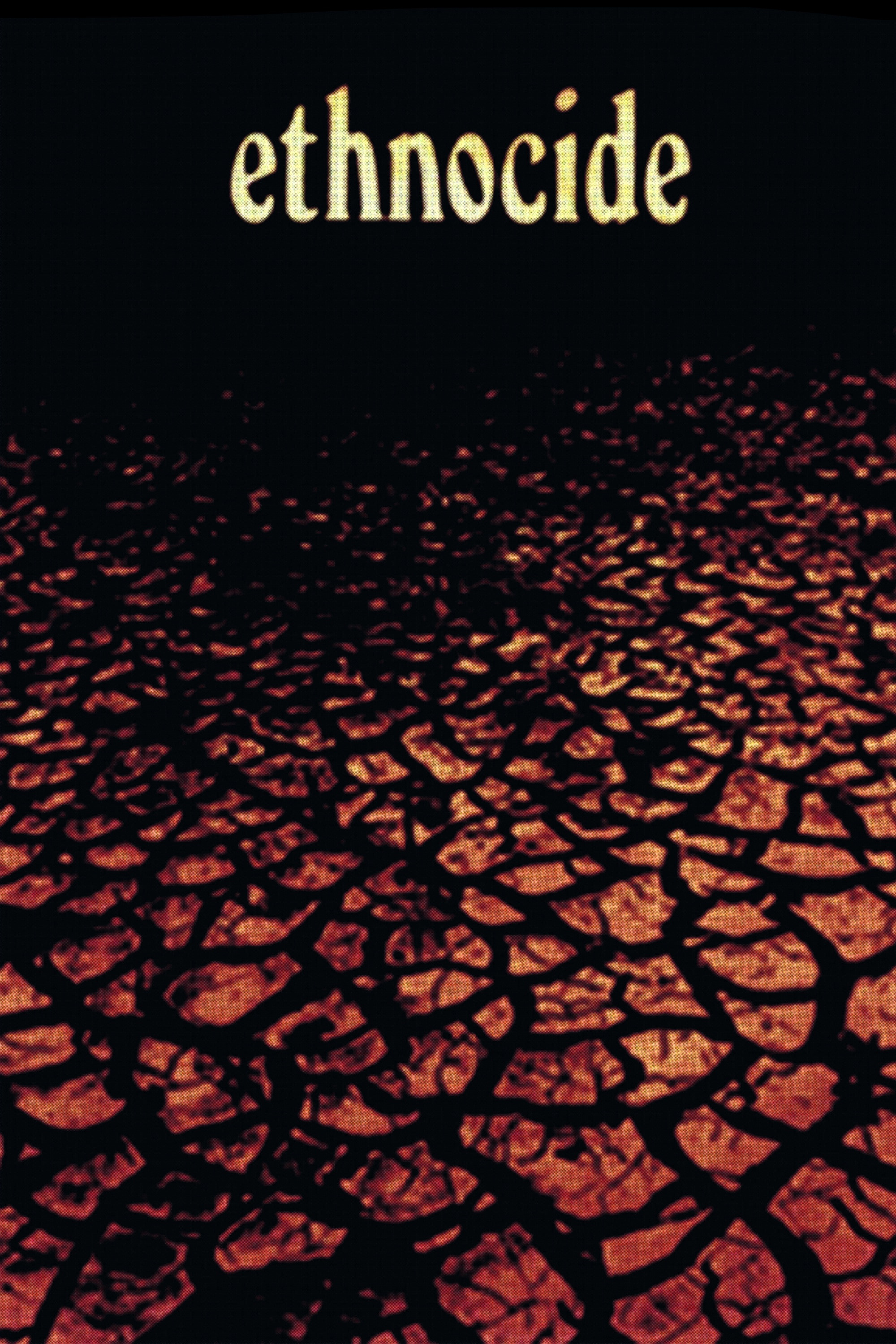
Ethnocide: Notes on El Mezquital (1977)
Etnocidio: Notas sobre El Mezquital WikiData IMDb TMDB
other title: Etnocidio: Notas sobre El Mezquital / Etnocidio: notas sobre el Mezquital …
Through the direct testimony of the Indians, the phenomenon of acculturation suffered by the Otomí minority of the Mezquital Valley, one of the poorest rural areas of the state of Hidalgo, in Mexico, is analyzed. It tries to show a broader problem that encompasses a large part of the Continent; how other peoples, other ethnic groups, are exterminated with all kinds of mechanisms, from brutal repression to the most sophisticated cultural penetration.

Movie

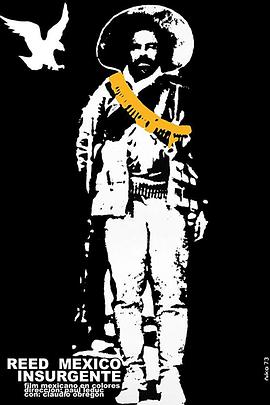
Reed: Insurgent Mexico (1972)
Reed, México insurgente Douban
保罗·勒迪克 actor: 约翰·里德 / General Tomas Urbina …
other title: Reed, México insurgente / 里德:墨西哥叛乱份子
In the early 1960s there was a strong film movement in most Latin American countries that originated the so-called New Latin American Cinema. Pioneer countries were Argentina, Brazil and Cuba, but this "new wave" mostly consisted of documentaries and shorts that hardly made it to the screens outside their countries of origin. Then, in Mexico during the 1970s, with the help of the state, and through its powerful distribution machine (the now extinct Peli-Mex), we could see movies by new directors, many graduates from film schools. Among these was Paul Leduc, formed in France, whose first work "Reed: México insurgente", based on John Reed's account of his 1913 travel to México, was acclaimed as the first true portrait of Mexican revolution in a feature. Made independently from Mexican unions (which initially caused it to be banned from screens), using documentary techniques, sparse dialogue, sepia-tinted images, and a more restrained aesthetics than Brazilian film guru Glauber Rocha's wild cinema, Leduc became an icon of renovation, and his movie, a sign of hope for many filmmakers, and an early example of post-modern cinema. This work led to other films by Leduc, which are among the best of Latin American cinema, as "Etnocidio" and especially "Frida: Naturaleza viva", so far the best film based on Frida Kahlo's life and work, with an outstanding performance by Ofelia Medina.

Movie

Frida (1983)
Frida, naturaleza viva WikiData IMDb TMDB Douban
保罗·勒迪克 actor: 奥费莉娅·梅迪纳 / Juan José Gurrola …
other title: 弗里达 / Frida, naturaleza viva …
The most prominent female painter of Latin America, Frida Kahlo, is agonizing in her Coyoacán home. She evokes memories of her childhood, of the streetcar accident that caused her terrible pain and affliction, her friendship with Trotsky and painter Alfaro Siqueiros, her marriage to Diego Rivera, her miscarriage, her political commitment, her love affairs and the anticipated exhibition of her works. Written by Edgar Soberon-Torchia {cimas@sinfo.net} This film is a chronicle of painter Frida Kahlo, and her encounter with the personalities of her time. Despite being confied to a wheelchair as a result of polio, operations and amputations, she faces and traces some of the most colorful and controversial aspects of Mexican history, during the dominant time of Mexican muralism. Written by L.H. Wong {as9401k56@ntuvax.ntu.ac.sg}