Vittorio De Seta — Director (15)

Movie

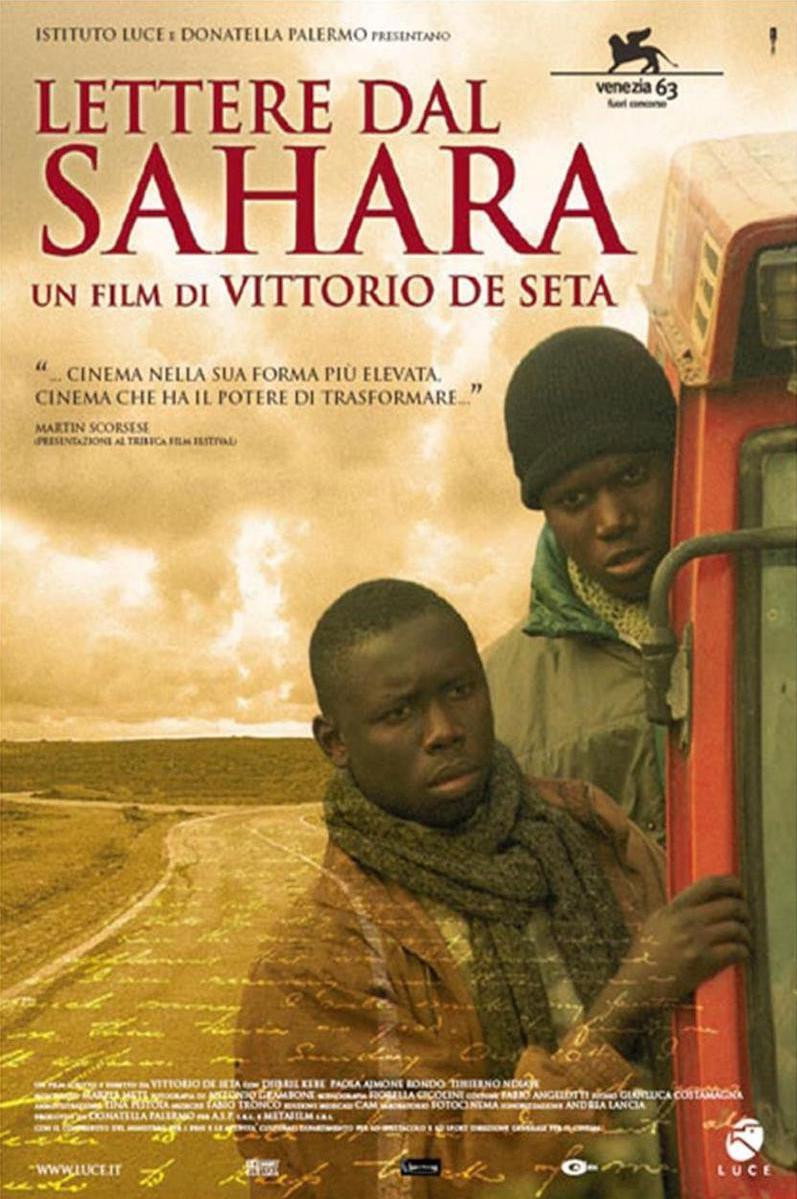
Letters from Sahara (2006)
Lettere dal Sahara WikiData IMDb TMDB
other title: Lettere dal Sahara / Letters from the Sahara …
The story of a young Senegalese man who treks the Sahara, takes an immigrant boat bound for Italy, the attempts to eke out a living there - finally deciding to return to his native place. Vittorio De Seta's first fiction feature since 1969.

Movie

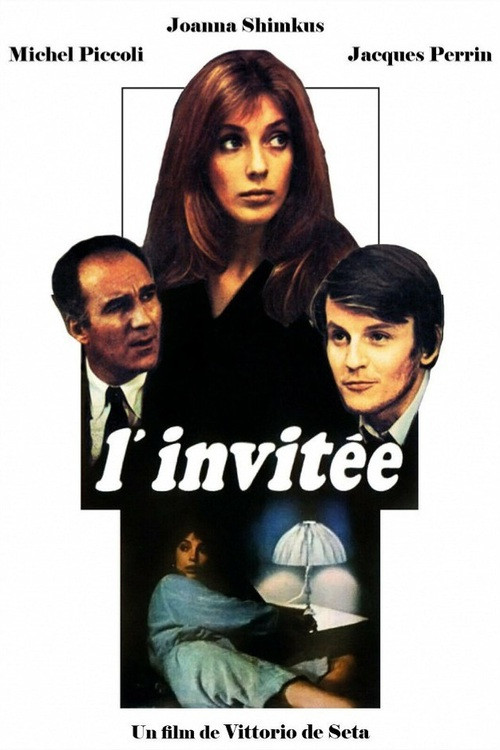
The Uninvited (1969)
L'invitata WikiData IMDb TMDB
other title: A Convidada / L'Invitée …
When her husband returns from his work abroad with a guest, a young girl, his wife suspects a liaison. She leaves her home. Her boss takes her to the Côte d'Azur. They get closer during the long voyage and the man invites her to his marital home.

Movie

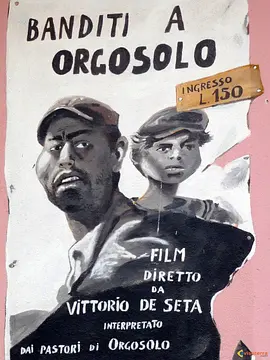
Bandits of Orgosolo (1961)
Banditi a Orgosolo WikiData IMDb TMDB Douban
other title: 奥尔高索洛的强盗 / Banditi a Orgosolo …
A Sardinian peasant is implicated in the murder of a policeman and, although innocent, he doesn’t give himself up, lacking faith in the judicial system and fearing that he may lose his sheep while awaiting trial. He leaves for the mountains with his brother but life is difficult and his flock dies. Returning to the town he discovers his family in abject poverty. He procures a gun and, forced by his social predicament, resorts to banditry.

Movie

Island Of Fire (1954)
Isole di fuoco WikiData IMDb TMDB Douban
other title: 火之岛 / Isole di fuoco …
The first light of dawn. The sound of a boat and the screech of birds fill the wide expanse of sea. Black rocks emerge from the water, the “sciara” – the volcanic scoria – of Stromboli, the underwater sulfurous emanations, the layers of reddish rock eroded by the sea. The roar of the volcano can be heard, the flames and the liquid lava are thrown skyward. As nature unleashes itself, the fishermen row toward the shore, the sheep stray and the women return home.

Movie

The Swordfish Season (1954)
Lu tempu di li pisci spata Douban
other title: 箭鱼季节 / Lu tempu di li pisci spata
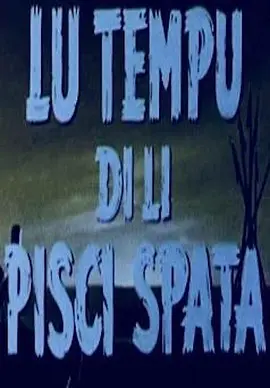
Vittorio De Seta’s rhythmic editing adds drama to this chronicle of a Sicilian spearfishing expedition.A documentary of Sicilian men spear fishing and women doing laundry.

Movie

Orgosolo Shepherds (1958)
Pastori di Orgosolo Douban
other title: 奥尔高索洛的牧羊人 / Pastori di Orgosolo
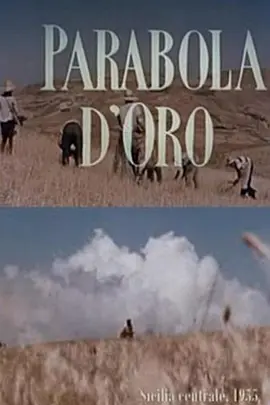
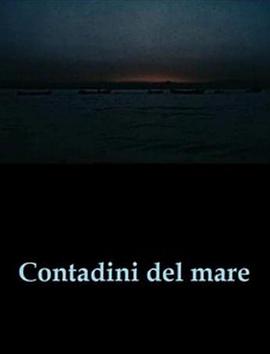
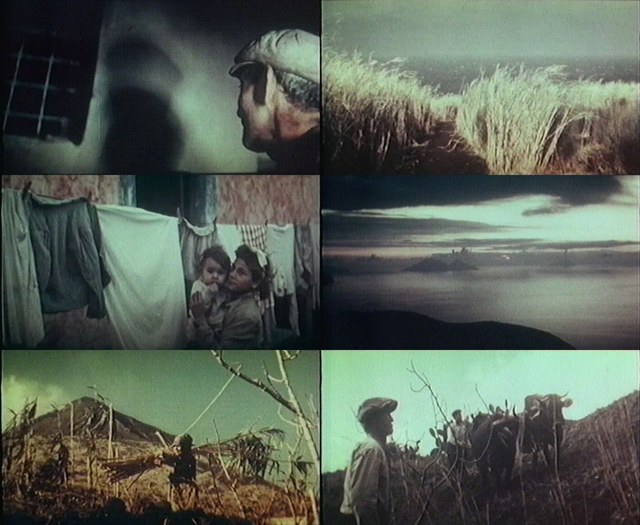
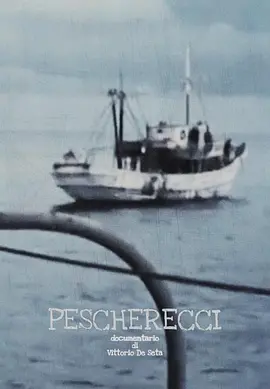
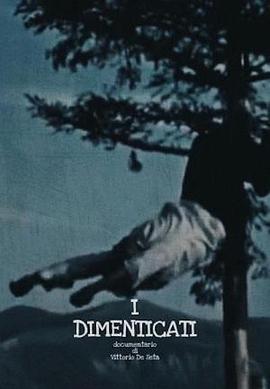
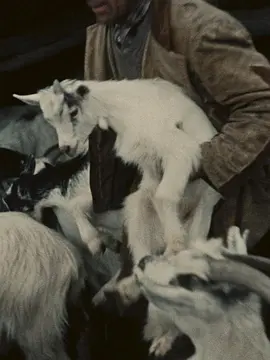
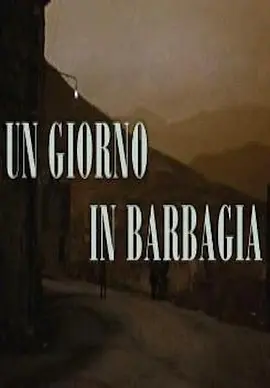
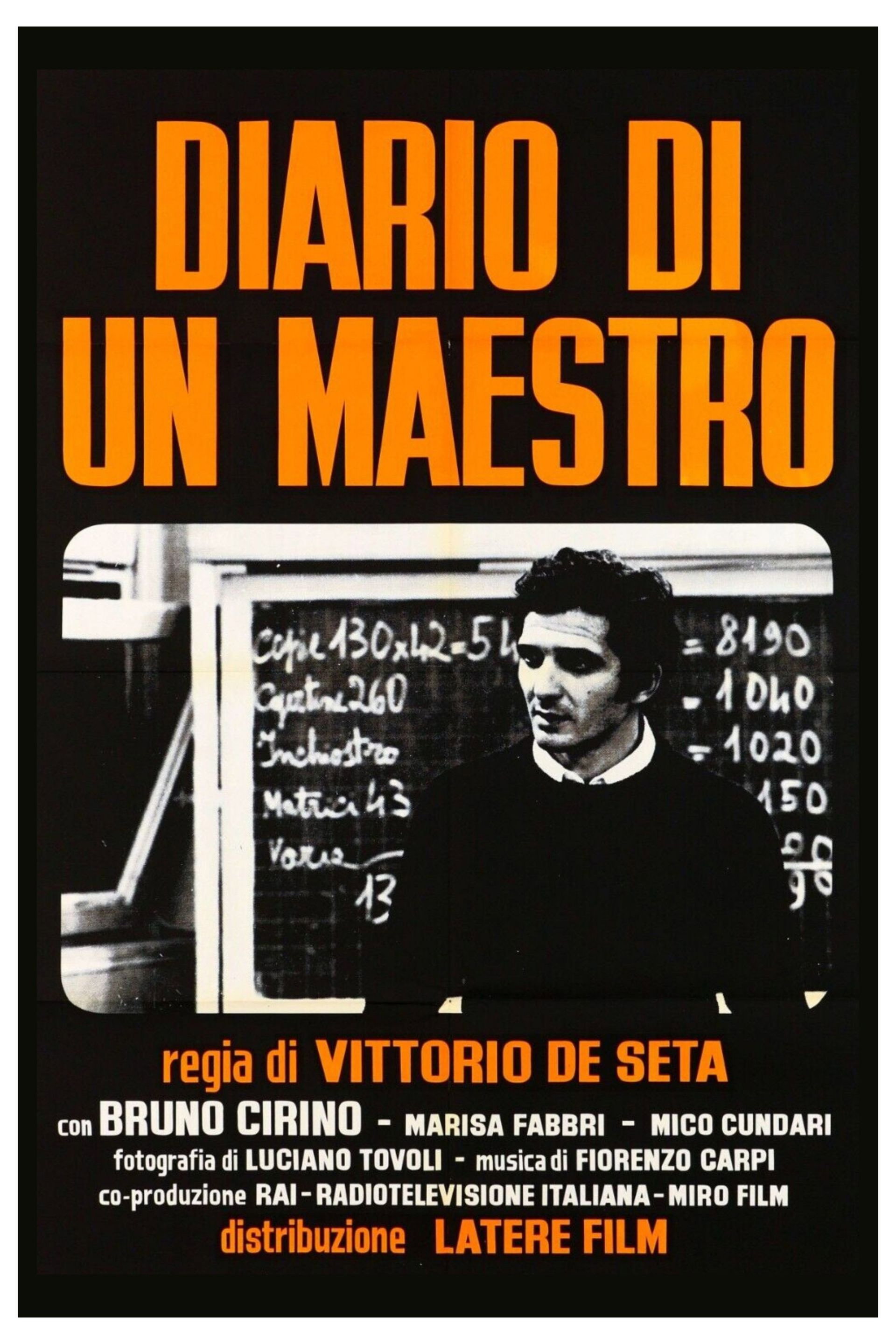
Shot in Sicily, Sardinia and Calabria in the Fifties, the documentaries chronicle a lost world. They combine the strength of classical cinema with an austere and powerful expressiveness. Isole di fuoco (Island of fire, 1955), set in the Eolie islands, shows the impressive strength of the volcano. The documentary was awarded the First Prize at the Cannes Film Festival in 1955. A world where the ritual dimension is very strong, like in Lu tempu di li pisci spata (The swordfish season, 1955), on swordfish fishing "in the tepid water separating Sicily and Calabria". Hunt frenzy, worthy of Moby Dick, and the struggle between man and nature are also present in Contadini del mare (Peasants of the sea, 1955), dedicated to fishing with the tunny-fishing nets off the Sicilian coast, where men wait for tunas, which have always followed the same route: "When sea tribute appears in the net, the circle of life and death repeats". And, at sunset, when men go back ashore and children dance, solemn women carry the fishes on their head to the fish market (Pescherecci, Fishing boat, 1958 is on the same topic). The conditions of miners risking their lives in the bowels of the earth to extract the conditions of farm labourers scything and harvesting wheat in huge fields with primitive systems in Parabola d'oro (Golden parable, 1955) are not less dramatic. Then, Pasqua in Sicilia (Easter in Sicily, 1955) with its sacred folklore and the representation of the Passion of Christ. Pastori a Orgosolo (Orgosolo shepherds, 1958) and Un giorno in Barbagia (A day in Barbagia, 1958) are the two documentaries shot in Sardinia. They chronicle the isolated lives of shepherds in the very heart of Sardinia, where men live far away from their families most part of the year to pasture the flocks. Vittorio De Seta - Born in Palermo in 1923 from an aristocratic family, he said that he "discovered" the world of the humbles during military service. He devoted to them most of his cinematographic work, undertaken after quitting the faculty of architecture. A withdrawn and shy author, for a long time underestimated by critics, he was often personally involved in film editing, photography and musical choices. After his Sicilian documentaries, in 1958 he shoots Pastori ad Orgosolo (Orgosolo shepherd) and Un giorno in Barbagia (A day in Barbagia) in Sardinia, which are at the basis of his feature film Banditi ad Orgosolo (Bandits of Orgosolo, 1961, Prize for the First Work at Venice Film Festival), a detailed in-depth analysis of an archaic civilization and its malaise. In 1966 he directed Un uomo a meta (Half a man) on the eccentricity of a politically-committed intellectual, giving rise to a lot of criticism (Moravia and Pasolini among the few defending him). After L'invitata (The invited woman, 1969), he met a resounding success in 1973 with the TV series Diario di un maestro (Diary of a schoolteacher). In 1981 he left cinema, but he was back in 1993 with the direction of In Calabria, in which he reflected again on the lost identity of the South of Italy. In 2004 he completed Lettere dal Sahara (Letters from Sahara) on an African migrant in Italy.
Movie

A Day in Barbagia (1958)
Un Giorno In Barbagia IMDb TMDB Douban
other title: 巴巴吉亚的一天 / Un Giorno In Barbagia …
Against the background of flocks of sheep at pasture, mules walking down unpaved roads, tractors in the fields, and isolated figures in a deserted village, a caption explains that Barbagia is a vast region in Sardinia; Orgosolo, Oliena and Mamoiada are villages of shepherds and the men spend most of the year far away, with their flocks. This is why the houses and the children are entrusted to the women, who cut the wood, work the fields and prepare bread, shepherds’ bread.

Movie

Almost a Man (1965)
Uomo a metà, Un WikiData IMDb TMDB Douban
other title: 半个男人 / Uomo a metà, Un …
A young writer descends into madness. Alienated, neurotic, and plagued by guilt, Michele retreats from reality, loses interest in work, and comes to the brink of suicide before being sent to an asylum for shock therapy. Escaping from the asylum, Michele returns to his boyhood home, where he learns the reasons for his present mental state.