Štefan Uher — Director (7)

Movie

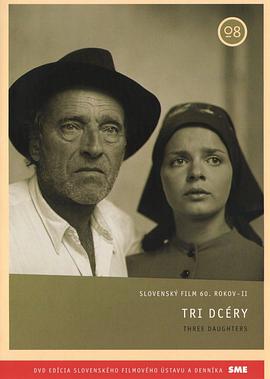
Three Daughters (1968)
Tři dcery Douban
Stefan Uher actor: Jozef Cierny / Alzbeta Strkulová …
other title: 三个女儿 / Tři dcery …
A classical ballad motif about an ageing father and his three daughters is quite unusually here set against the backdrop of Czechoslovakia of the 1950s. After having been expropriated, the former landowner Majda seeks refuge with his three daughters whom he had sent to a convent a long time ago. But only the youngest one is able to forgive him and she is willing to take care of him despite the threat of expulsion from the order. Uher’s constant obsession with the national theme was again given voice in Three Daughters, the first introspective film about the most difficult years of Communism. His use of emotion, metaphysics, and surrealism imparted a balladic quality to his work. The confrontation of two ideologies, Catholic and Communist, in the story of nuns being expelled from monasteries at the beginning of the 1950s, bitterly acknowledged that although ideology (history) should serve people, in reality it mercilessly rolled over anyone who got in its way, even if only briefly.

Movie

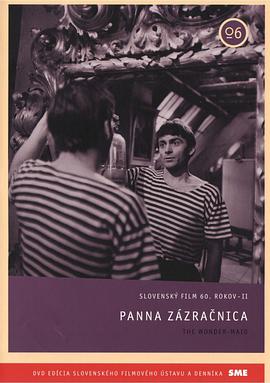
Miraculous Virgin (1967)
Panna zazracnica WikiData IMDb TMDB Douban
斯特凡·乌赫尔 actor: 乔兰塔·乌梅卡 / Ladislav Mrkvicka …
other title: 创造奇迹的女人 / Panna zazracnica …
A group of Czech artists choose to ignore the realities of Nazi occupation in this brooding experimental war drama. When a pretty female refugee comes to town seeking help, she awakens the sexual desires of all the men, but the only one who helps her is a sympathetic sculptor. When she is allegedly killed, the man sends the artists who refused to aid the woman death masks of the victim. All later conclude that the woman was not mortal.

Movie

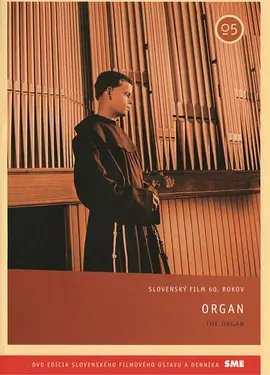
Organ (1965)
Organ Douban
斯特凡·乌赫尔 actor: Frantisek Bubik / 亚历山大·布雷齐纳 …
other title: 管风琴 / 风琴
A Polish soldier uses the robes of a dead monk to avoid being captured by the Nazis in this World War II drama. He is accepted into the monastery and proves himself adept at playing the organ. The local mayor becomes jealous when the solder/monk replaces him as church organist, and he turns the soldier over to the Nazis. The mayor's actions end up bringing about the death of his own daughter in a bitter twist of irony.

Movie

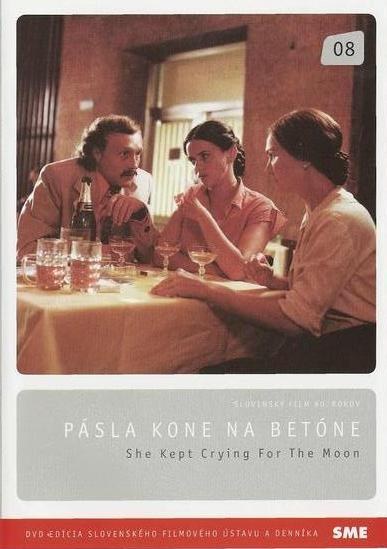
She Kept Asking for the Moon (1984)
She Kept Asking for the Moon Douban
斯特凡·乌赫尔 actor: Emilia Zimková / 维罗妮卡·杰尼科夫 …
other title: 母女情深 / Pásla kone na betóne …
A tragicomic story from a rural setting was based on the collection of short stories by Milka Zimkova, who was also cast in the lead role. The lives of Johana Ovsena and her illegitimate daughter Pavlína seem to copy each other. Johana, a single mother, watches her daughter make the same mistake as she herself had made in the past. The makers of the film had very good knowledge of village life: Stefan Uher's film is an authentic picture of the way of life, regional traditions, and mentality of people from eastern Slovakia.

Movie

If I Had a Gun (1972)
Keby som mal pušku Douban
other title: 我要是有了枪 / Keby som mal pušku …
如果我有一支枪,中文剧情:这是关于一个男孩在战争时期梦想当英雄的悲喜剧故事,他们每天都面临着战争和乡村生活的严峻事件。 此片于布拉格之春后4年上映,或多或少折射出捷克人和斯洛伐克人一种无奈的民族情绪——斯洛伐克人的小提琴,德国人来了,演奏莉莉马莲,俄国人来了,演奏喀秋莎。

Movie

The Sun In A Net (1963)
Slnko v sieti WikiData IMDb TMDB Douban
★ 8.6 17 ratings
other title: 网中的太阳 / Slnko v sieti …
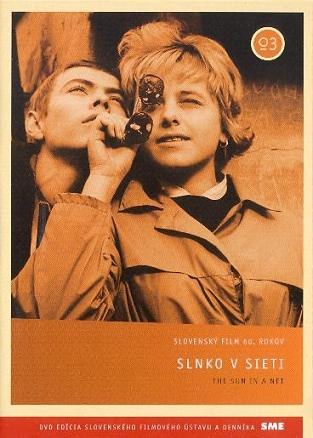
Oldrich "Fajolo" Fajták (Marián Bielik), a student who directs quasi-existentialist verbal abuse at his girlfriend Bela Blažejová (Jana Beláková), takes off to a formally-volunteer summer work camp at a farm, actually mandated by the authorities, which inspires both him and Bela to start a relationship with someone else. A parallel story peels layers off Bela's permanently tense home life marked by her blind mother's (Eliška Nosáľová) studied helplessness, and her father's (Andrej Vandlík) revealed infidelity and past break with his father (Adam Jančo) who happens to live in the village where Fajolo is finding some consolation in the arms of a fellow student-volunteer Jana (Oľga Šalagová). As Fajolo begins to pry into Bela's grandfather's secrets, she, in turn, allows her new boyfriend Peťo (Ľubo Roman) to read and deride Fajolo's discursive and indirectly remorseful letters from the farm. The solar eclipse barely discerned by the main characters through thick clouds at the beginning of the film is echoed by summer and fall images of the sun[3] as they present themselves to all of them at various points in the film through a fisherman's net from his pontoon on the Danube beyond the city's suburbs, which Fajolo and Peťo have discovered independently and use as a swimming deck, a place to ponder life, or to try to seduce Bela. When, however, Bela brings her mother and brother Milo (Peter Lobotka) to the pontoon after a series of subdued interpersonal crises, the pontoon is on dry land because the water level has dropped, and the film ends with Bela and Milo lying to their mother about what they can see as they did about the visibility of the eclipse during the opening sequences. -------------------------------------------- 请帮忙把图片换成已上传了的DVD封面吧,这片今年8月份已作为斯洛伐克新浪潮纪念套装的一部分而出版了DVD。 The Sun in a Net (Slnko v sieti) became a key film in the development of Slovak and Czechoslovak cinema from the mandated Socialist-Realist filmmaking of the repressive 1950s towards the Czechoslovak/Czech New Wave and socially critical or experimental films of the 1960s marked by a gradual relaxation of communist control. Stefan Uher's cinematic idiom is as exquisite and deliberate as any of his European contemporaries, including Michelangelo Antonioni, Ingmar Bergman and Chris Marker. The Sun in a Net received multiple votes in a wide survey of Czech and Slovak film academics and critics in the late 1990s asking them for their lists of the 10 best films in the history of filmmaking in the former Czechoslovakia.