résumé
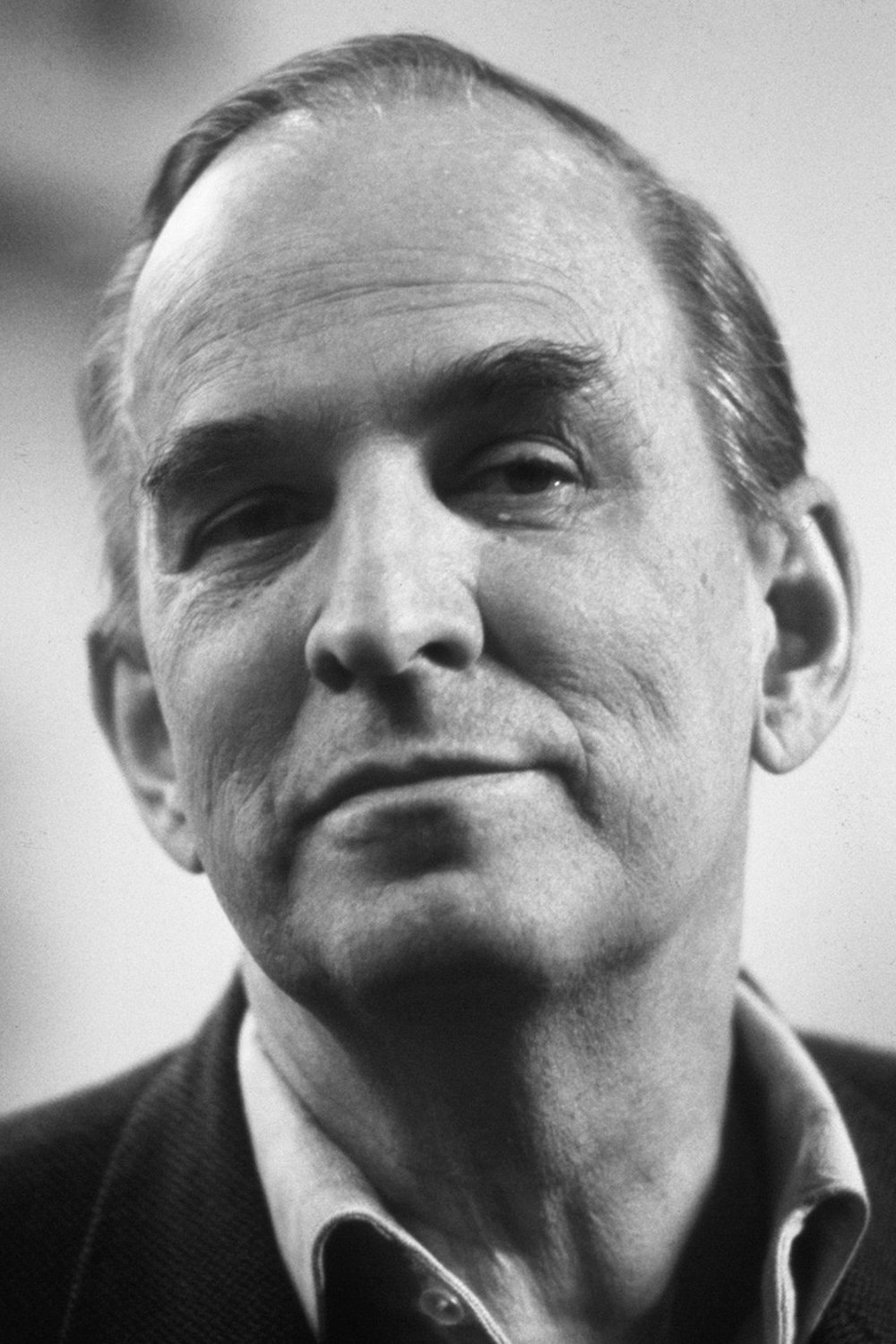
Ernst Ingmar Bergman (July 14, 1918 – July 30, 2007) was a Swedish filmmaker. Widely considered one of the greatest and most influential filmmakers of all time, his films are known as "profoundly personal meditations into the myriad struggles facing the psyche and the soul."
Bergman directed more than 60 films and documentaries for cinematic release and for television screenings, most of which he also wrote. Most of his films were set in Sweden, and many films from 1961 onward were filmed on the island of Fårö. He also had a theatrical career that ran in parallel with his film career. It included periods as Leading Director of the Royal Dramatic Theatre in Stockholm and of the Residenztheater in Munich. He directed more than 170 plays. He forged a creative partnership with his cinematographers Gunnar Fischer and Sven Nykvist. Among his company of actors were Harriet Andersson, Bibi Andersson, Liv Ullmann, Gunnar Björnstrand, Erland Josephson, Ingrid Thulin, Gunnel Lindblom and Max von Sydow.
Description above from the Wikipedia article Ingmar Bergman, licensed under CC-BY-SA, full list of contributors on Wikipedia.
Acteur⋅ice (36)
-
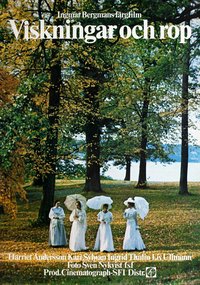 Cris et Chuchotements 1972
-
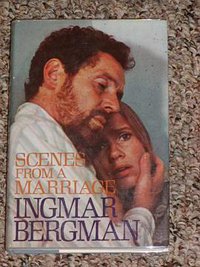
 Scènes de la vie conjugale (Scenes from a Marriage) 1973
-
 伯格曼的片场小电影 2008
-
 Cinema Europe: The Other Hollywood 1995
-
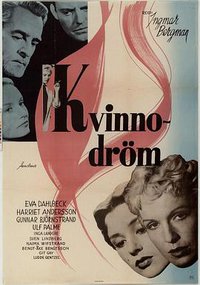 Rêves de femmes 1955
-
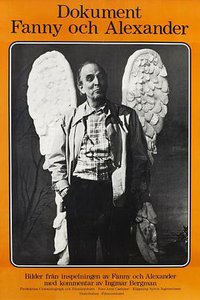 Le Document de Fanny et Alexandre 1984
-
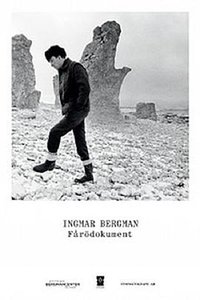 Mon île Faro 1969 1970
-
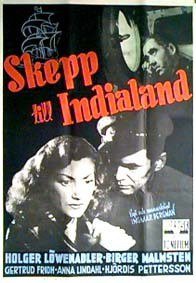 L'Éternel Mirage 1947
-
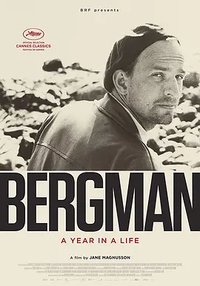 Bergman, une année dans une vie 2018
-
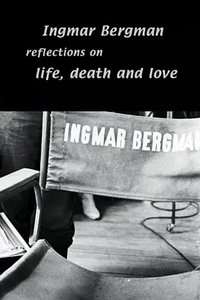 Ingmar Bergman: Reflections on Life, Death and Love with Erland Josephson 2000