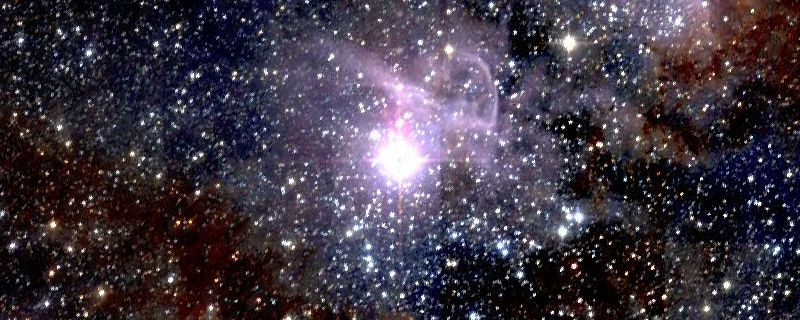
The SETI Institute invites nominations for the 2026 Jill Tarter Award for Innovation in the Search for Life Beyond Earth, an international honor recognizing individuals whose ideas, work, or leadership have meaningfully advanced humanity’s efforts to understand life and intelligence in the Universe. Artists, journalists, media, scientists, educators, law & ethics, philosophers, and more – all disciplines are welcome.
space


#Space video accounts to follow:
(If an account looks blank to you, see https://fedi.tips/why-does-someones-account-page-look-completely-blank-is-it-really-blank)
➡️ @lightcurvefilms_socialmedia - Planetary science videos
➡️ @europlanet_media - European org for planetary science
➡️ @issi_media - Research on Solar System, planetary sci, astrophysics etc
➡️ @geo.x_media - Geoscientific competence network based in Berlin & Potsdam, Germany
➡️ @openplanetary_media - Helping planetary scientists & software developers to share data & tools
🧵 1/2
Edited 1y ago

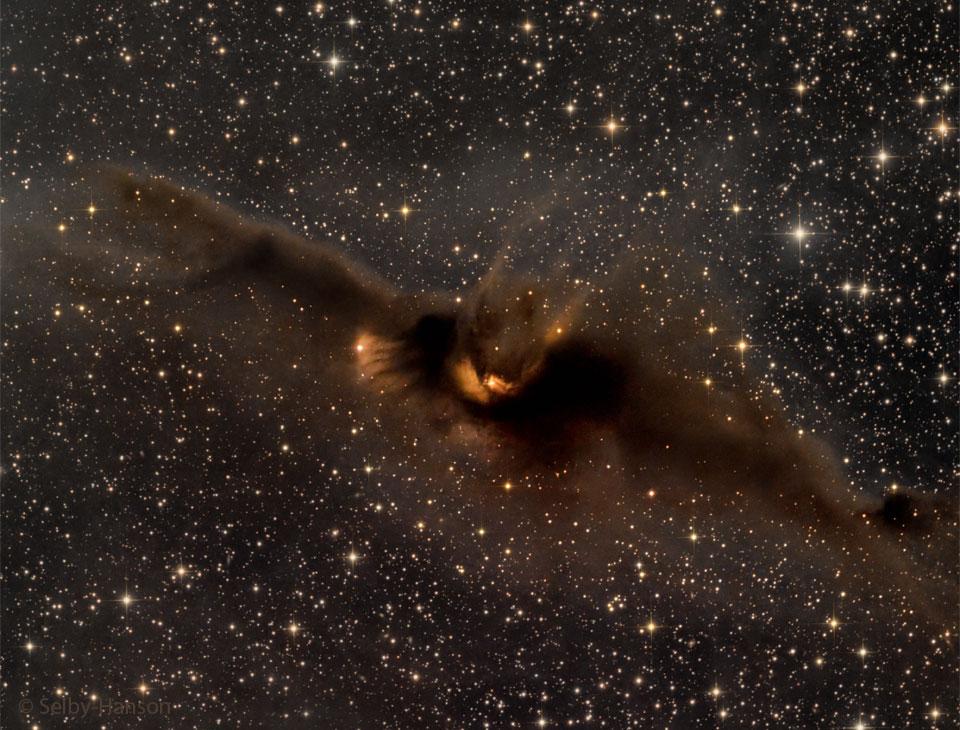
Astronomers sure do conjure up a lot of spooky images when they look out into deep space. A short Halloween thread:
Let's start with the Cosmic Bat Nebula (LDN 43).
https://apod.nasa.gov/apod/ap241027.html #space #science #art #halloween

Three Chinese astronauts who have been living on China's Tiangong space station since April 24 were set to return to Earth Wednesday when a piece of suspected “space junk” struck their return capsule — just hours ahead of departure. Looks like they’re going to be there for a while. Read more from @LiveScience:

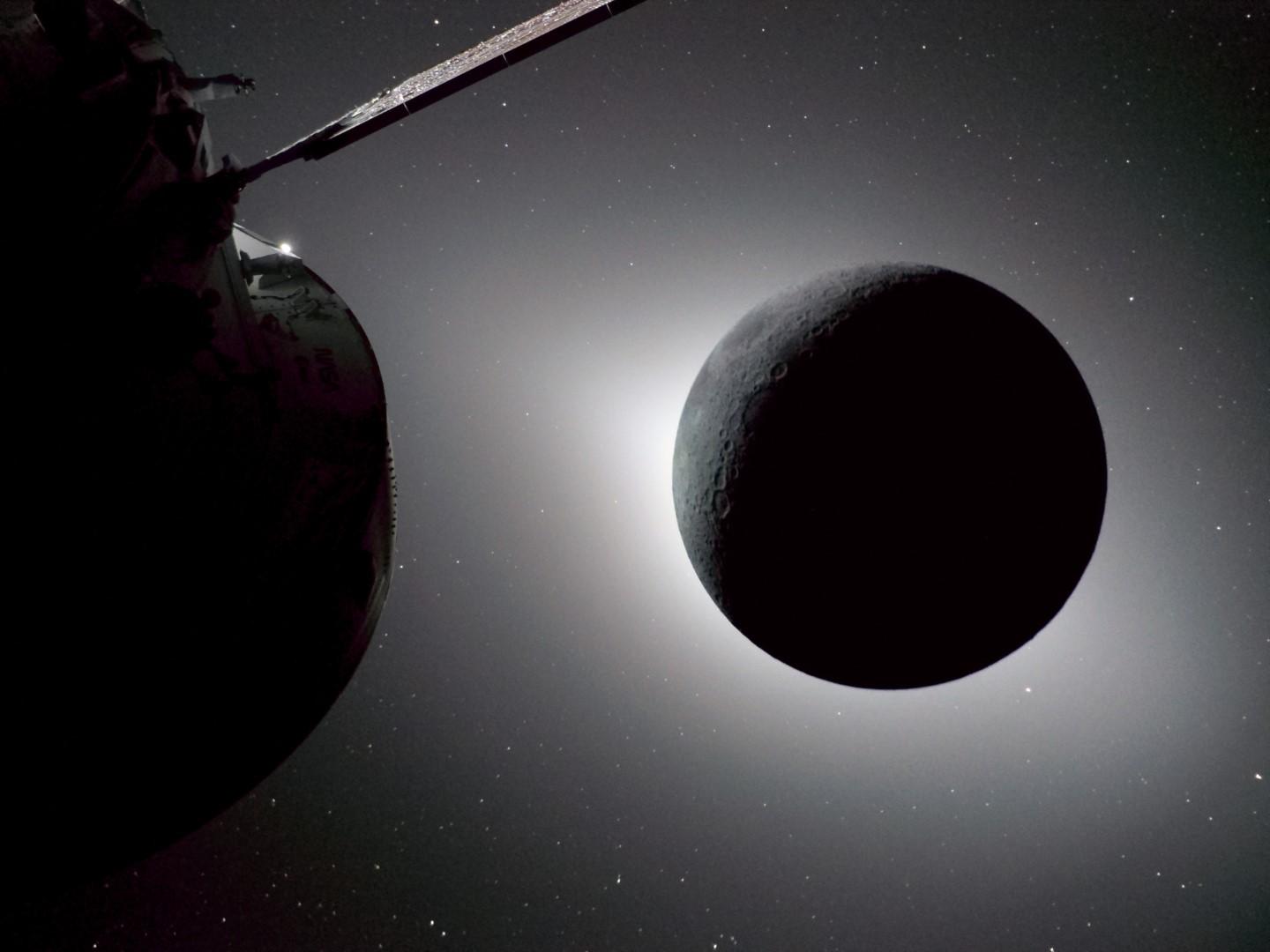
I really can't stop looking at this photo - We usually think of space as being entirely empty and dark, but our Sun has a lot of dust around it that we can rarely see. This so called Zodiacal light is giving the moon this eerie backlit glow.
And four people really have been there and witnessed this yesterday, absolutely blows my mind!
Credit: NASA
Processing: Simeon Schmauß
Full quality: https://flic.kr/p/2s6ionW

Robots are cool and all, but have you tried shooting squishy humans into space so that they can use their eyeballs to appreciate the features on the surface of the Moon with more nuance??

Fascinating #documentary on the #Challenger space shuttle #disaster. Apparently #NASA withheld quite a bit of #information from the #public for decades.
While it was true the rubber O rings failed due to subfreezing temperatures, NASA ignored engineers warnings and proceeded with the launch. What isn't true is the #astronauts vaporizing due to the #explosion. Withheld #evidence showed not only were they aware, they activated #emergency air tanks and were passengers trapped in a cabin on a #terrifying high speed freefall which slammed into the ocean.

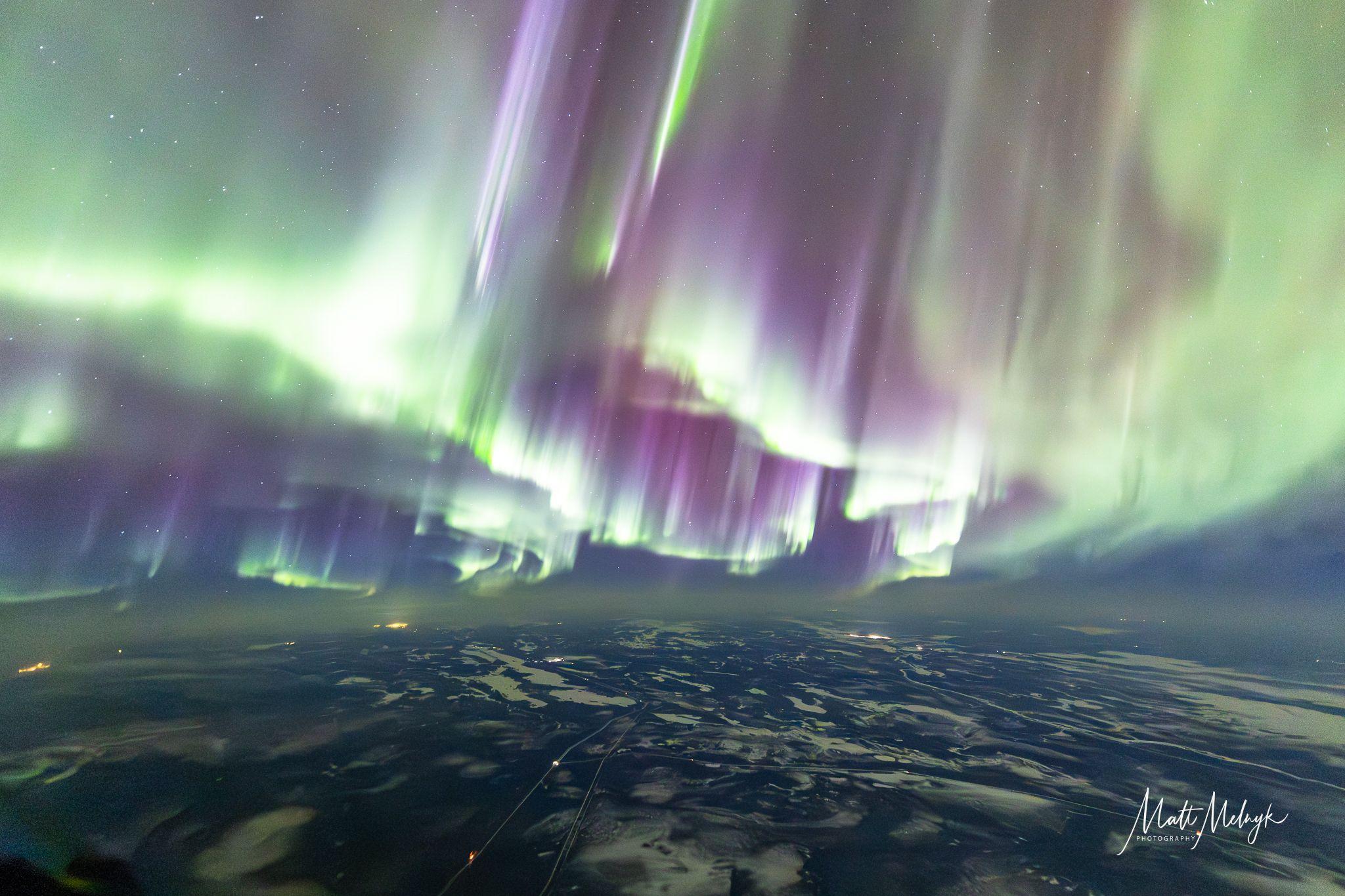
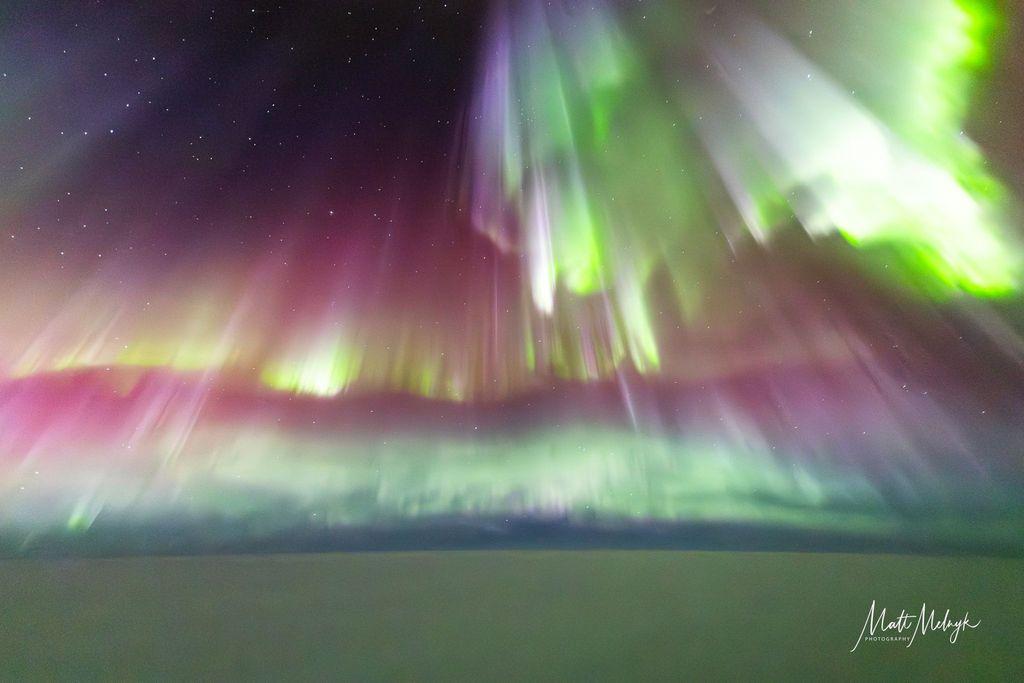
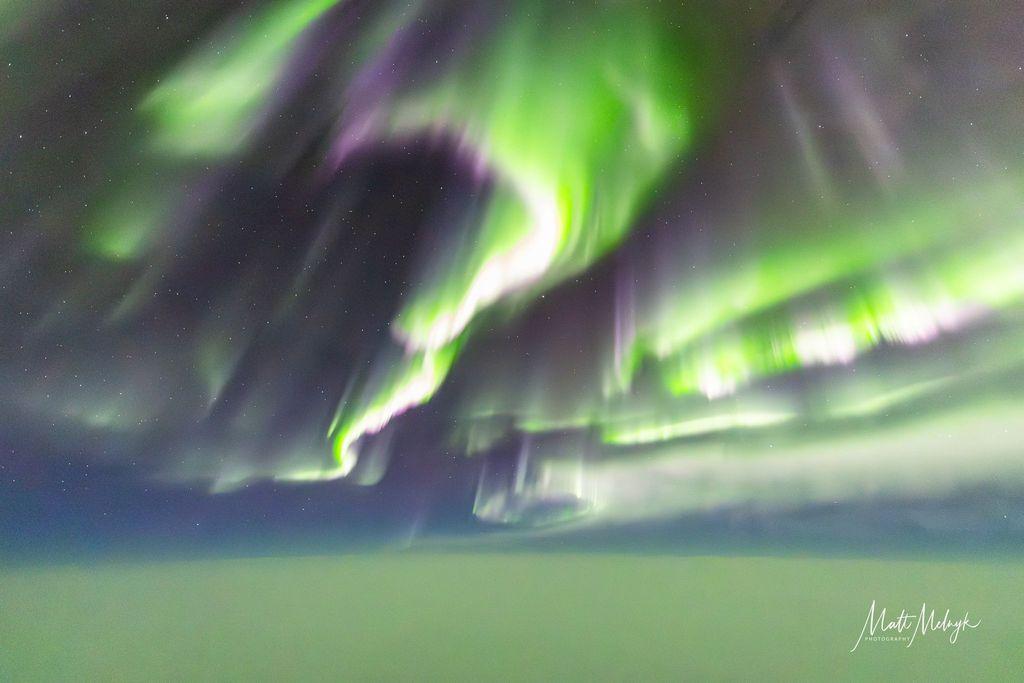
'The most incredible display of aurora I've ever seen in my 20 years of flying'.
Pilot captures historic northern lights show from 37,000 feet (photos)
#news #science #space #astronomy #aurora #photography

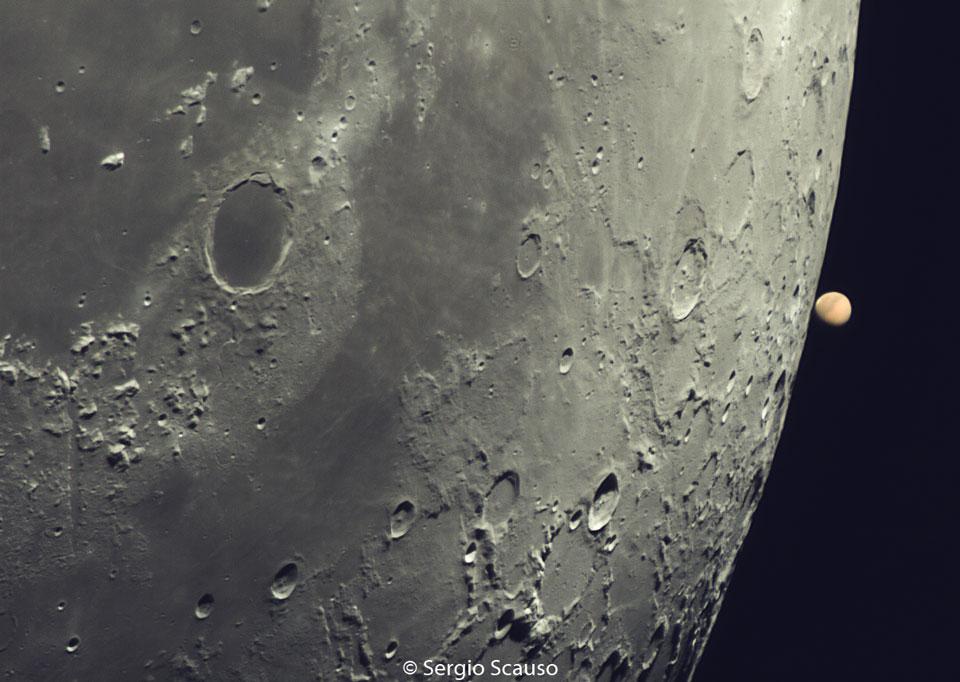
Mars at the Moons Edge
Credits: Sergio Scauso
#nature #space #astrophotography

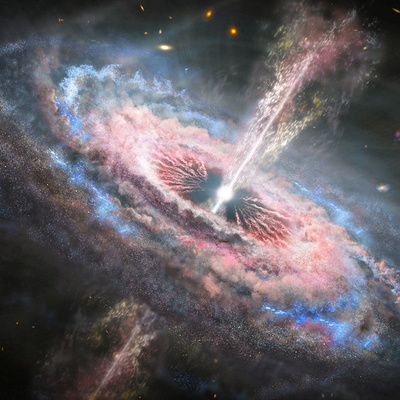
NASA Selects Far-Infrared Telescope as First in New Mission Class https://www.byteseu.com/2393276/ #Astrobiology #Astrophysics #Cosmology #PlanetaryScience #Space #SpaceExploration #SpaceTechnology


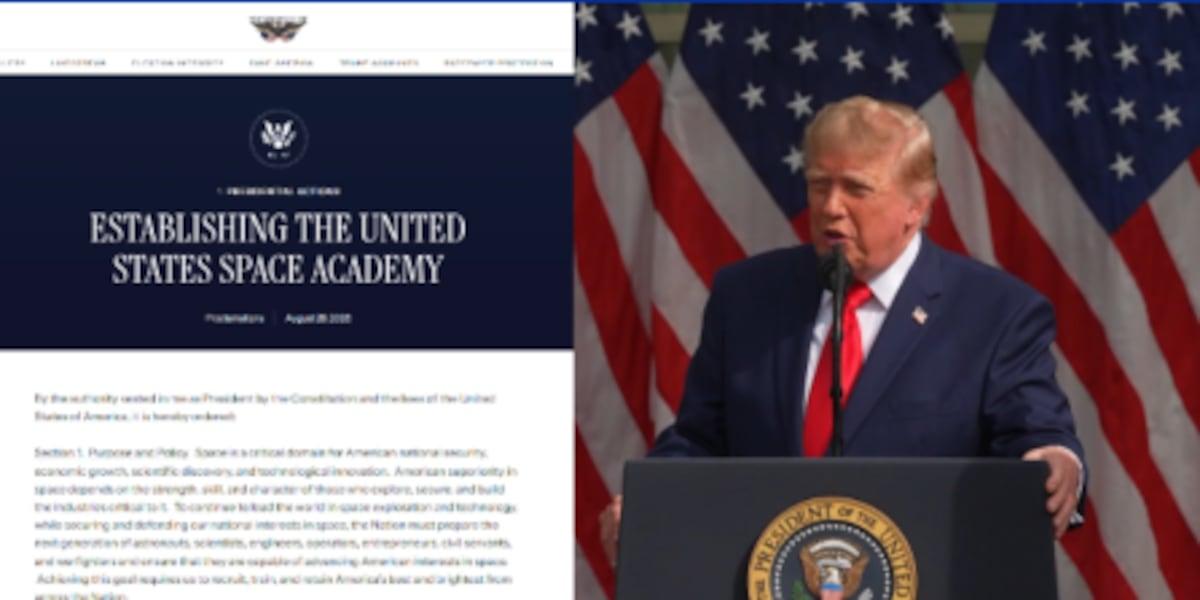
https://www.europesays.com/3268937/ Ohio Forms Group to Pursue U.S. Space Academy #space
https://www.europesays.com/3269434/ GNO Inc. leader in D.C. as Louisiana seeks U.S. Space Academy #CongressmanTroyCarter #GNOInc #Politics #SabrinaWilson #space #SpaceAcademy
Enter the Dragon 🐉🥋
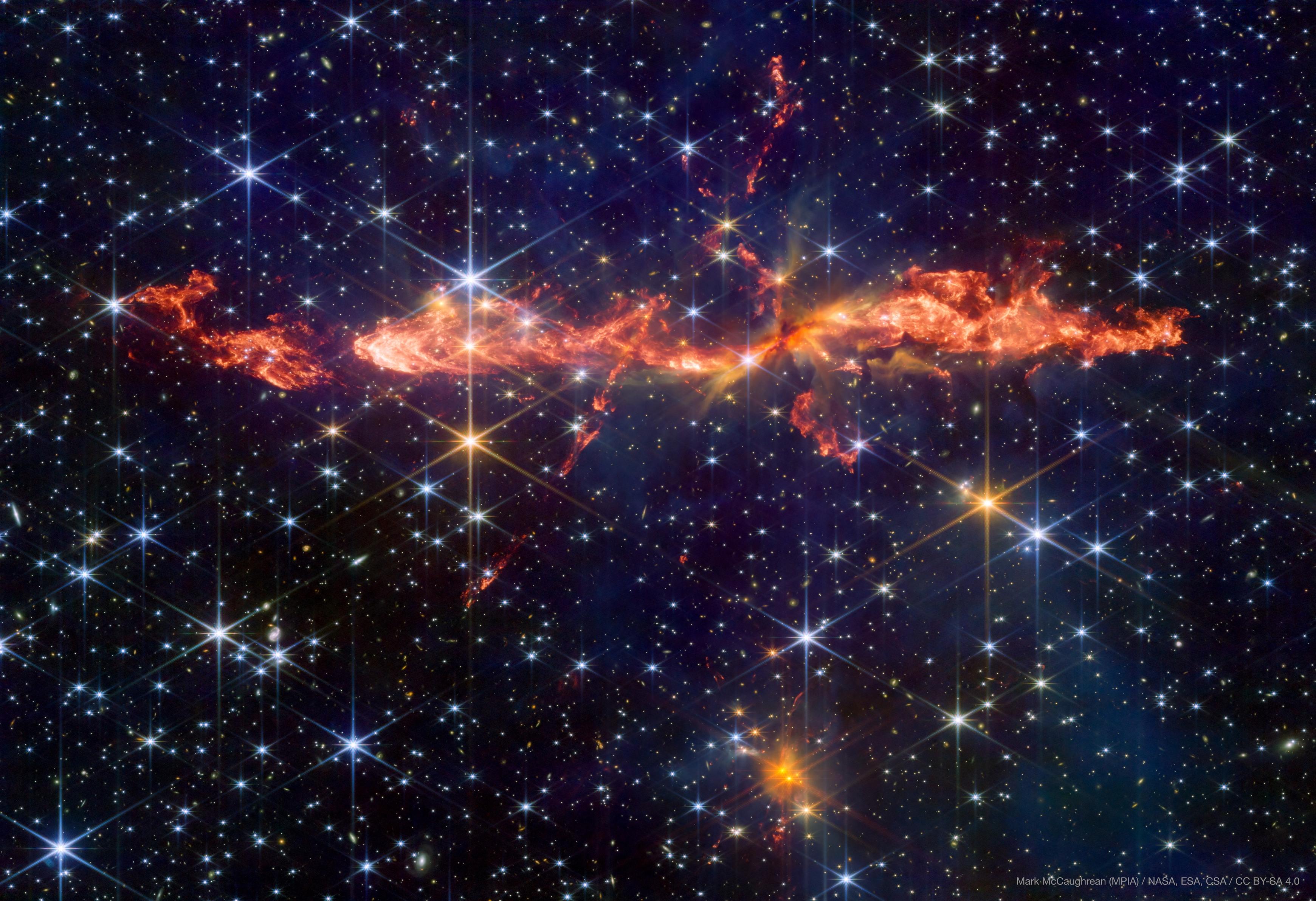
Here it is – my new JWST image of the young protostellar outflow system in Cassiopeia called HH288, aka The Dragon Jet.
We discovered it in the 1990s & the NASA/ESA/CSA JWST reveals stunning new detail, including several new jets crossing the main dragon 🙂👍
This is a 4K version – you can view & download the full 12K image here: https://www.flickr.com/gp/markmccaughrean/944q5814f8
For more coverage, see this by @DrCarpineti at: https://www.iflscience.com/dragon-jet-erupts-from-baby-stars-in-stunning-new-jwst-image-82374
Edited 288d ago
I'm flat-out amazed that we can monitor the currents of molten metal in Earth's outer core, 2200 kilometers underground--but we can. Lately, part of that flow has reversed direction, for reasons unknown.
There's a whole other dynamic world inside the world we see.
https://www.esa.int/Applications/Observing_the_Earth/FutureEO/Swarm/Insights_into_Earth_s_molten_outer_core_from_space #space #science #tech

"For two decades, spacefaring nations have operated under a simple rule: any satellite sent into orbit must have a less than one in 10,000 chance of injuring someone on the ground. The rule was written when a few dozen objects reentered the atmosphere each year. By early 2026, with more than 9,000 #Starlink satellites in orbit and filings for constellations totaling over 70,000 spacecraft, that arithmetic no longer holds."
https://indiandefencereview.com/starlink-satellites-falling-nonstop-to-earth-risk/

Yes, you may be killed by falling human made space junk, but the odds remain small(ish) that will occur. The (almost inevitable) #KesslerSyndrome may also prevent future #space flights if all those #satellites in Low Earth Orbit start colliding, creating countless debris.
However, we *ALL* have to worry about the ‘chemical problem’ being created by SpaceX et al in the upper atmosphere. I have been banging on about this for a while and the attached article summarises the science in an easy to understand way - I have pasted the bit about the ‘chemical problem’ below because we *ALL* need to understand what the billionaires are doing to the planet while we are watching.
—————
Quote:
Debris on the ground attracts immediate attention, but atmospheric scientists are tracking a slower process with potentially larger consequences. When satellites vaporize in the mesosphere, 50 to 80 kilometers above Earth, they release clouds of vaporized metals that condense into aerosol particles. Those particles descend into the stratosphere, where Earth’s protective ozone layer resides.
Aluminum is the element of greatest concern. Upon reentry, aluminum oxidizes into aluminum oxide nanoparticles. A single 250 kilogram satellite generates roughly 30 kilograms of these particles. Unlike chlorofluorocarbons, which directly destroy ozone, aluminum oxide acts as a catalyst. One particle can facilitate chemical reactions that destroy thousands of ozone molecules over decades without being consumed.
Researchers from the University of Southern California’s Department of Astronautical Engineering documented an eightfold increase in atmospheric aluminum oxides between 2016 and 2022, directly correlating with the proliferation of satellite constellations, a finding reported in detail by CNET. In 2022 alone, reentering satellites released an estimated 41.7 metric tons of aluminum, approximately 30 percent more than the natural input from micrometeoroids.
Projections based on current deployment schedules suggest annual aluminum oxide emissions could reach 360 metric tons, a 646 percent increase over natural background levels, according to research highlighted by Popular Mechanics. Because these particles take 20 to 30 years to descend into the ozone layer, the atmospheric chemistry of today’s satellite fleet will not manifest as measurable ozone loss until the 2040s. By then, the upper atmosphere could already be saturated with catalysts.
NASA high altitude sampling flights over Alaska in 2023 detected the signature of this process. At approximately 60,000 feet, instruments found that 10 percent of stratospheric sulfuric acid particles larger than 120 nanometers contained aluminum and other metals traceable to spacecraft reentries, according to data presented at the American Astronomical Society meeting that year. The atmosphere now bears a permanent chemical marker of human activity in space.
—————
#space #science #TheBillionairesAreKillingUsAll
https://indiandefencereview.com/starlink-satellites-falling-nonstop-to-earth-risk/


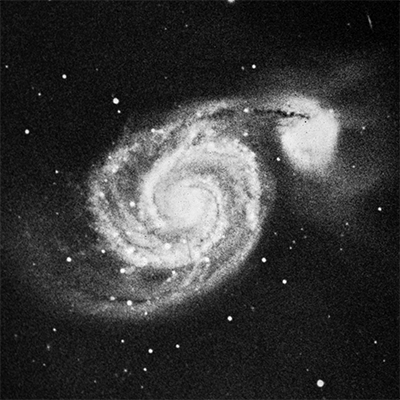
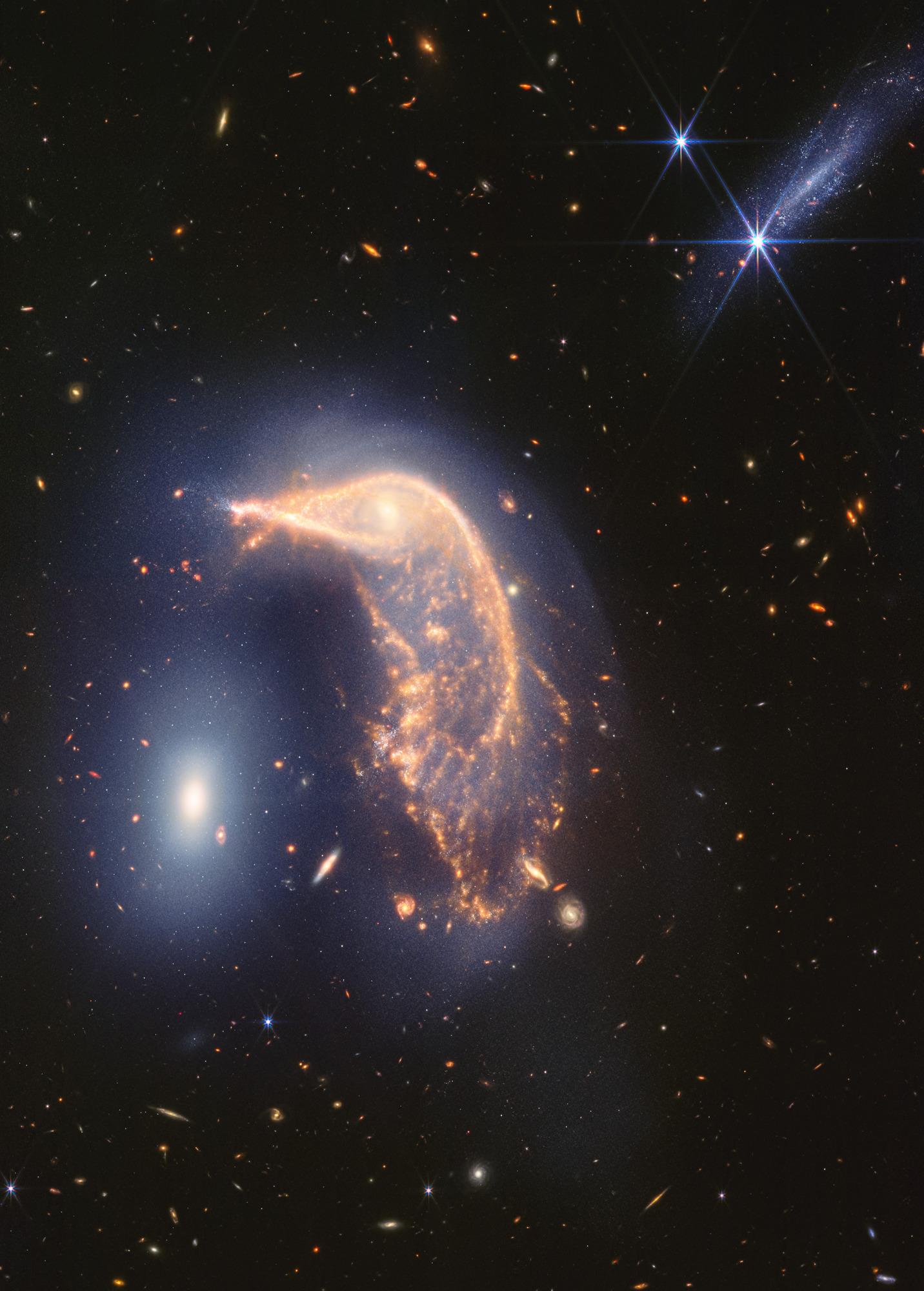
JWST NIRCam and MIRI image of Arp 142, also known as NGC 2936, NGC 2937, and UGC 5130, or the Penguin and the Egg.
The Penguin is a spiral galaxy whose shape has been distorted by the gravity of the elliptical Egg galaxy. The two are about 100,000 light-years apart and completed a close pass between 25 and 75 million years ago.
Credit: NASA, ESA, CSA, STScI
Source: https://webbtelescope.org/contents/media/images/2024/124/01J06XYGEDEE86D1H9N5EJ9EG0
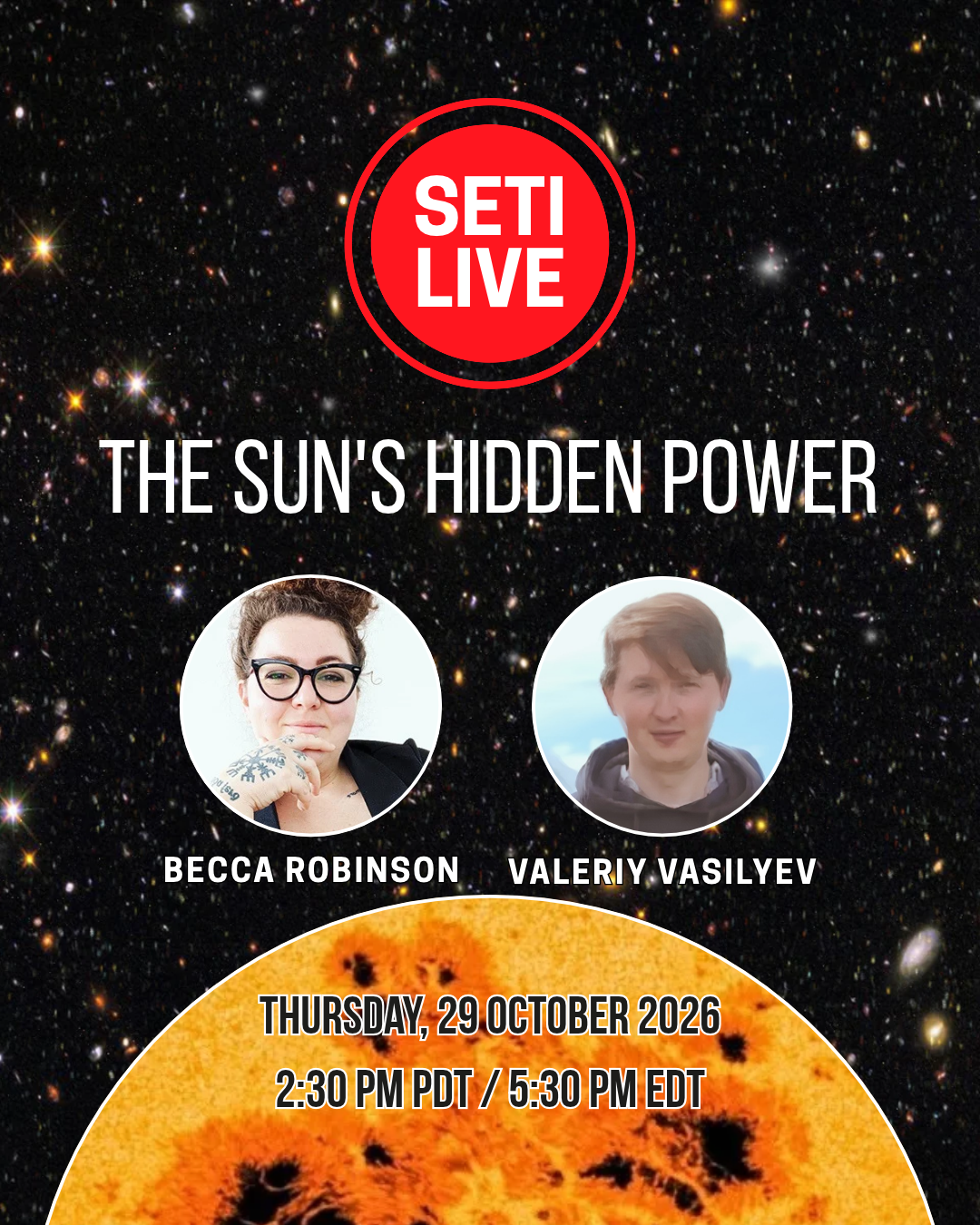
☀️ Could the Sun unleash a superflare?
An enormous sunspot observed in 1947 may have been able to produce one. What does this reveal about our star?
Join Dr. Becca Robinson and Dr. Valeriy Vasilyev for #SETILive on Thursday, October 29, at 2:30 p.m. PDT.

Happy Sunday, y'all.
My new YT video is up! This week's topic is ads in space, which is wild, but is becoming a possibility and may one day be a thing. Luckily for us, there's some resistance.
If you enjoy the video, let me know what you think and please take a second to hit the like button. Thank you.
https://www.youtube.com/watch?v=fz9NSNL2NG4
#Space #Ads #Capitalism #Astronomy #Science #YouTube #Video #SocialMedia

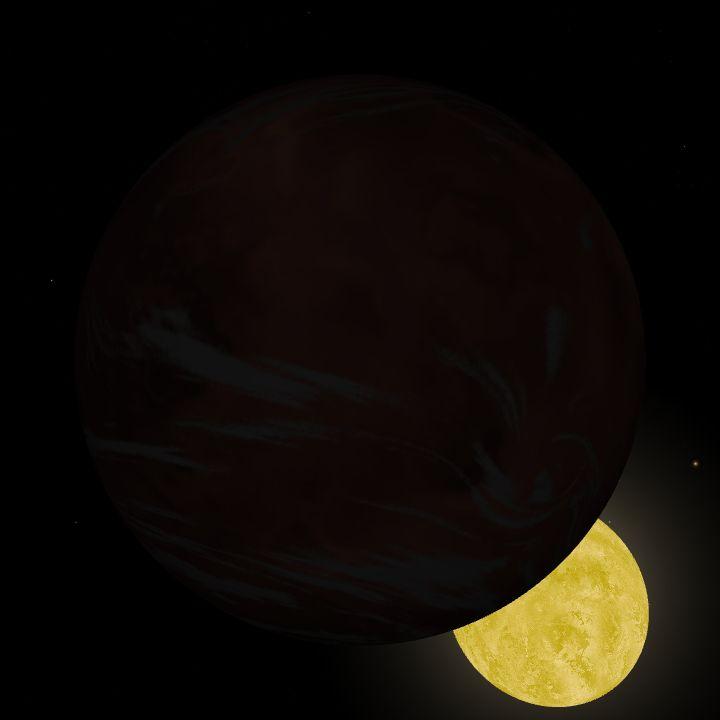
Name: Kepler-904 b
A potentially rocky world, larger than Earth.
Distance from Earth: 3,190 light-years
Year discovered: 2016
Discovered by: Kepler
Planet radius: 1.77 x Earth
Orbital period: 3.02 day(s)
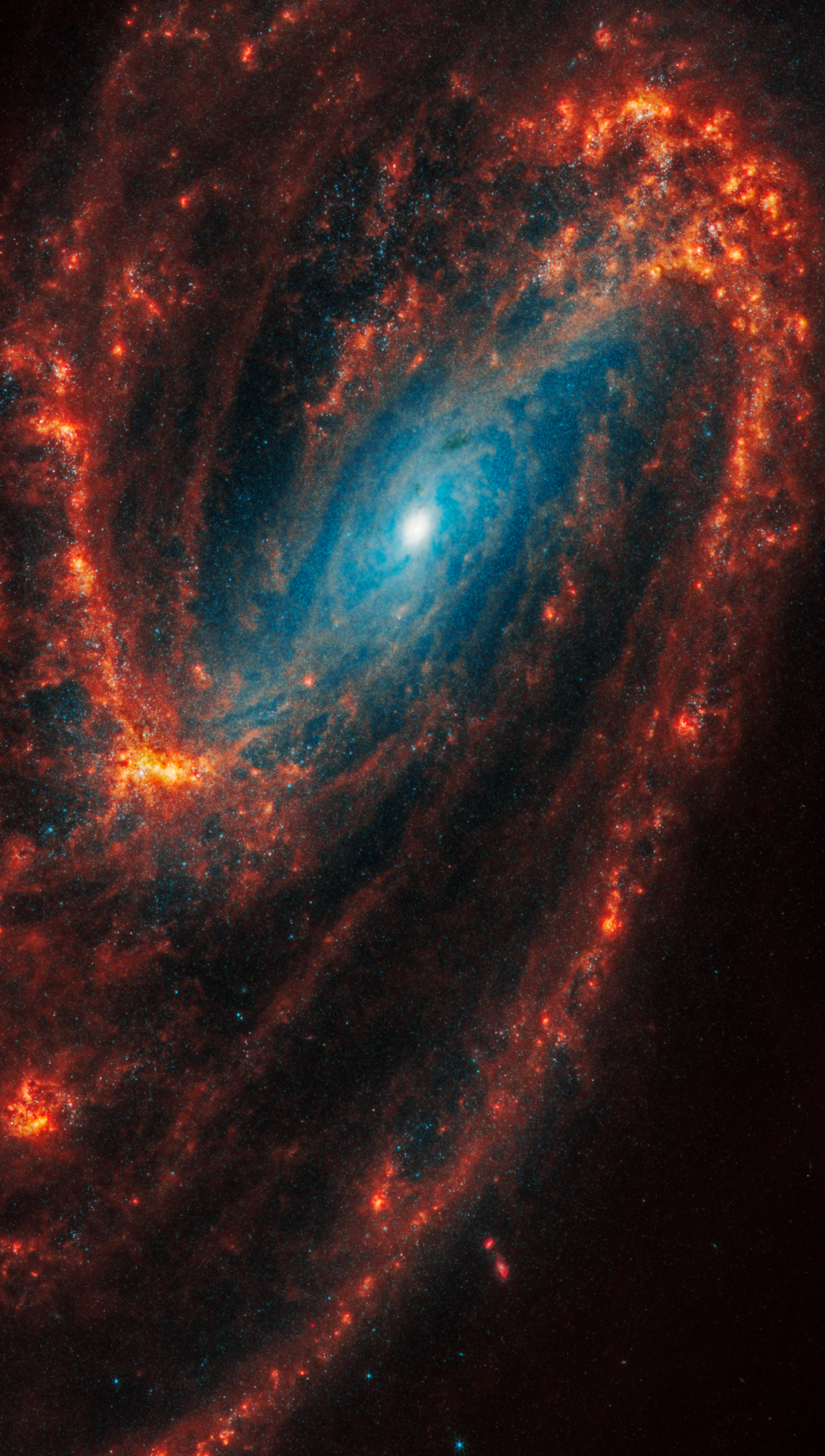
JWST image of Arp 16, also known as M66.
This image was taken as part of the PHANGS program. They take high-resolution observations of galaxies at many different wavelengths of light to learn how the small-scale details of how stars form influence the large-scale structures of galaxies.
Credit: NASA, ESA, CSA, STScI, J. Lee (STScI), T. Williams (Oxford), PHANGS Team
Source: https://webbtelescope.org/contents/media/images/2024/105/01HMA6P3V363GW0EA0347CR6HV

Earlier today, the discarded upper stage of a Falcon 9 rocket impacted on the Moon. As part of a coordinated observing campaign, our Very Large Telescope detected spectral lines of sodium and lithium gas in the impact plume lasting for 5-10 minutes after impact.
📷 ESO/C. Schmidt et al.
1/4

The FAA once said that pieces of space debris “pose a significant risk,” but the Trump administration has backed off a rule that would have required companies like Elon Musk’s SpaceX to remove rocket parts from orbit within 25 years of launch.
https://www.propublica.org/article/faa-trump-space-junk-safety-spacex-rockets?utm_source=mastodon&utm_medium=social&utm_campaign=mastodon-post
#News #ElonMusk #SpaceX #Aviation #Space #Rockets #Safety #Trump

What is Webb observing?
https://spacetelescopelive.org/webb?obsId=01KKAYRHH5YPGGPH1EB2SR6DXD