La macchina cinema (电影机器) (1978)
豆瓣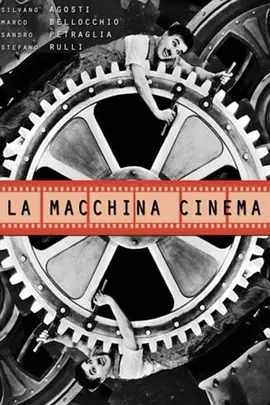
La macchina cinema
所屬 電視劇集: La macchina cinema簡介
"We are all victims of the cinema," says Marco Bellocchio and his collaborators in this nastily fascinating Italian version of "Hollywood Babylon." For better or worse, the movies can ennoble us, debase us or even destroy us. No one who comes in touch with the "cinema machine" (the Italian term for movie camera) as a participant or an observer can remain untouched. Originally conceived as a five-hour series for Italian television, THE CINEMA MACHINE is a radical documentary being circulated in a 100-minute condensation of its best episodes. We see, for example, the story of Tony DeBonis, an ex-boxer who organizes home-movie festivals in his home town and then awards himself top prize. There is an episode in which the makers of amateur soft-porn movies in the provinces test aspiring players by having them undress. The reactions of the applicants range from exhibitionistic bravado to utter embarrassment. Certainly the most moving episode in the entire movie comes at the end with the extended interview of actress Daniela Rocca. She is best remembered as the mustachioed wife of Marcello Mastroianni in the comedy DIVORCE ITALIAN STYLE. Although considered a sensation at the time, she was given fewer roles of any consequence, and her career went nowhere. Seen here as the victim of mental institutions and bankruptcy courts, she lives in poverty, a pathetic figure who is ignored by the industry and spurned by many of her former friends. She seems to be a sad icon of loneliness in a world where if nothing succeeds like success, then surely nothing fails like failure. "The cinema will come back to me, " she tells us, "if I don't kill myself." There has rarely been as profoundly moving or amusing love-hate documentary on the movies as this film. In it even those who have been the most shabbily treated, even the most radical and politicized, admit a frustrating but vivid love for the film camera and a deep longing for its end product: the cinema.