李零
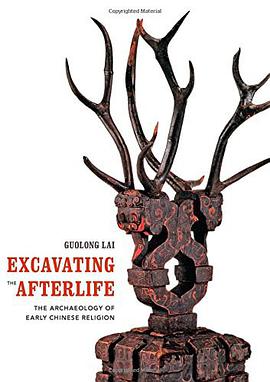
Excavating the Afterlife
Douban
Guolong Lai
publishing house:
University of Washington Press
2015
- 3
In Excavating the Afterlife, Guolong Lai explores the dialectical relationship between sociopolitical change and mortuary religion from an archaeological perspective. By examining burial structure, grave goods, and religious documents unearthed from groups of well-preserved tombs in southern China, Lai shows that new attitudes toward the dead, resulting from the trauma of violent political struggle and warfare, permanently altered the early Chinese conceptions of this world and the afterlife. The book grounds the important changes in religious beliefs and ritual practices firmly in the sociopolitical transition from the Warring States (ca. 453-221 BCE) to the early empires (3rd century-1st century BCE).
A methodologically sophisticated synthesis of archaeological, art historical, and textual sources, Excavating the Afterlife will be of interest to art historians, archaeologists, and textual scholars of China, as well as to students of comparative religions.

中国古代房内考
Douban Goodreads
[荷]高罗佩
translator:
李零
/
郭晓惠
…
publishing house:
商务印书馆
2007
- 1
“房内”一词是中国古代对性事的雅称,“历代房内考”即是对悠悠历史长河中性文化的考证。本书首次全面系统地阐述了中华民族性文化漫长而曲折的演变史。从最初的原始社会的性崇拜、性禁忌到逐渐形成性文化雏形的奴隶社会;宽松的两性关系、房中术的兴起和性艺术、性文学的兴盛为代表的汉唐时期到对性进行残酷的禁锢与剥夺的宋元明清时期;从二十世纪初的“性博士”奇人张竟生到改革开放的九十年代的全国两万例“性文明”调查,人们的性观念、性意识一直在禁锢与解放中交错演进。 全书以洋洋二百万文字,近千幅图片将5000年中国性文化的发展史,淋漓尽致地展现给读者,从而揭开了中国历史上最为神秘的一页。 本书是一部全面系统阐述历代中国性文化的宏篇巨制,一部生动直观描绘中国房中术的精美典籍。本书首次透过古代中国性文化的渊源看当代性文化的发展;首套集性文化、性科学、性医学、性风俗之大成的巨作;首部公开披露历代民间性学秘传本、手抄本及宫廷房中理论的典籍;首次登载并以学术眼光研究性文物、春宫画、秘戏图的精美读物。


丧家狗
Douban
李零
publishing house:
山西人民出版社
2007
- 5
孔子不是圣,只是人,一个出身卑贱,却以古代贵族(真君子)为立身标准的人;一个好古敏求,学而不厌、诲人不倦,传递古代文化,教人阅读经典的人;一个有道德学问,却无权无势,敢于批评当世权贵的人;一个四处游说,替统治者操心,拼命劝他们改邪归正的人;一个古道热肠,梦想恢复周公之治,安定天下百姓的人。他很牺惶,也很无奈,唇焦口燥,颠沛流离,像条无家可归的流浪狗。读他的书,既不捧,也不摔,恰如其分地讲,他是个堂吉诃德。
《论语》有个优点,就是没有后人的那种虚伪劲儿。书中人物,夫子也好,十哲也好,都是普通人,喜怒笑骂,毫不遮掩。谁说伟大导师就得高大全,圣门弟子就得身披光芒?他们师生在一块儿,学生顶老师,老师骂学生,都被记下来。真我读《论语》,是读原典。孔子的想法是什么,要看原书。我的一切结论,是用孔子本人的话来讲话——不跟知识分子起哄,也不给人民群众拍马屁。
古人说,“衣食足而知荣辱”。其实,衣食足了,也未必知荣辱。学《论语》,有两条最难学,一是“三军可夺帅,匹夫不可夺志”,二是“不义而富且贵,于我如浮云”。现在,哭着闹着学《论语》的,不妨先学这两条,试试看!