Krautrock


Tago Mago
Douban
Can
genre:
Rock
release date 1971-01-01
publisher:
Mute U.S.
Can was a German experimental rock band formed in Cologne, West Germany in 1968 by the core quartet of Holger Czukay (bass), Irmin Schmidt (keyboards), Michael Karoli (guitar), and Jaki Liebezeit (drums).
The group cycled through several vocalists, including Malcolm Mooney ('68ñ70) and Damo Suzuki ('70ñ73), as well as various temporary members. Drawing from backgrounds in the avant-garde and jazz, Can incorporated minimalist, electronic, and world music elements into their often psychedelic and funk-inflected music. They have been widely hailed as pioneers of the German krautrock scene.
The band used the names "Inner Space" and "The Can" before finally settling on "CAN". Liebezeit subsequently suggested the backronym "Communism, Anarchism, Nihilism" for the band's name. In mid-1968, the band enlisted the creative, highly rhythmic, but unstable and often confrontational American vocalist Malcolm Mooney, a New York-based sculptor, with whom they recorded the material for an album,Prepared to Meet Thy Pnoom.
The next few years saw Can release their most acclaimed works. While their earlier recordings tended to be at least loosely based on traditional song structures, on their mid-career albums the band reverted to an extremely fluid improvisational style.
The double album Tago Mago (1971) is often seen as a groundbreaking, influential and deeply unconventional record, based on intensely rhythmic jazz-inspired drumming, improvised guitar and keyboard soloing (frequently intertwining each other), tape edits as composition, and Suzuki's idiosyncratic vocalisms. Czukay: "(Tago Mago) was an attempt in achieving a mystery musical world from light to darkness and return."
The later albums Landed (1975) and Flow Motion (1976) saw Can moving towards a somewhat more conventional style as their recording technology improved. Accordingly, the disco single "I Want More" from Flow Motion became their only hit record outside Germany. Co-written by their live sound mixer Peter Gilmour, it reached No 26 in the UK charts in October 1976, which prompted an appearance on Top of the Pops, where Czukay performed with a double bass.
In 1977 Can were joined by former Traffic bassist Rosko Gee and percussionist Rebop Kwaku Baah, both of whom provided vocals to Can's music, appearing on the albums Saw Delight (1977), Out of Reach (1978) and Can (1979). During this period Holger Czukay was pushed to the fringes of the group's activity; in fact he just made sounds using shortwave radios, Morse code keys, tape recorders and other sundry objects. He left Can in late 1977 and did not appear on the albums Out of Reach or Can, although he was involved with production work for the latter album. The band seemed to be in a hiatus shortly afterwards, but reunions have taken place on several occasions since.
Tago Mago is the third album by the German krautrock band Can, originally released as a double LP in 1971. It was the band's second studio album and the first to feature Damo Suzuki after their previous vocalist, Malcolm Mooney, quit the band in 1970 to return to the United States.
Tago Mago has been described as Can's best and most extreme record in sound and structure. The album has received much critical acclaim since its release and has been cited as an influence by various artists.
With the band in full artistic flower and Damo Suzuki's sometimes moody, sometimes frenetic speak/sing/shrieking in full effect, Can released not merely one of the best Krautrock albums of all time, but one of the best albums ever, period. Tago Mago is that rarity of the early '70s, a double album without a wasted note, ranging from sweetly gentle float to full-on monster grooves. "Paperhouse" starts things brilliantly, beginning with a low-key chime and beat, before amping up into a rumbling roll in the midsection, then calming down again before one last blast. Both "Mushroom" and "Oh Yeah," the latter with Schmidt filling out the quicker pace with nicely spooky keyboards, continue the fine vibe. After that, though, come the huge highlights three long examples of Can at its absolute best.
"Halleluwah" featuring the Liebezeit/Czukay rhythm section pounding out a monster trance/funk beat; Karoli's and Schmidt's always impressive fills and leads; and Suzuki's slow-building ranting above everything is 19 minutes of pure genius.
Members
Damo Suzuki ñ vocals
Holger Czukay ñ bass, engineering, editing
Michael Karoli ñ guitar, violin
Jaki Liebezeit ñ drums, double bass, piano
Irmin Schmidt ñ keyboards, vocals on "Aumgn"

Reflections On The Future
Douban
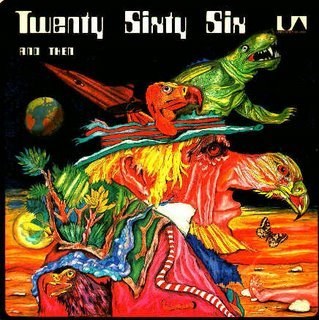
Twenty Sixty Six And Then
release date 1972-01-01
publisher:
United Artists Records
The group created this uncommon name by adding thousand years to the historic battle of Hastings in 1066. Unfortunately, their lifespan was rather short: from Spring 1971 to Summer 1972.
Their one and only album is nothing short of an all time classic: Reflections On The Future (1972), recorded during Autumn 1971 at the Dierks Studio, Stommeln near Cologne. This album contained five long heavy progressive tracks with a dramatic mood and a quite unique German styling. "At My Home", a fast tempo opener, kicked off the album with stunning heavy guitars, swirling hammond organs and Geff Harrison's great, though slightly soul-influenced vocals. The next track "Autumn" brought in the topics of death and desintergration. The melancholic lyrics predated Pink Floyd's "Time":
"Butterking" had weird, trippy lyrics dealing with the arrival of the Butterking (??) - the king of butterflies! The track is an uncommon masterpiece, featuring jungle sound effects, very slow and heavy organ and guitar riffs interrupted by perverted "ragtime" piano interludes. The 15 minute title track offered some great instrumental excursions, ending with a psychedelic space flight! "How Do You Feel" rounded off the album in a marvellous way, featuring a haunting vocal arrangement. The original version of this song (recorded some months prior to the album sessions) lasted for 13 minutes! The musicians of the group excelled throughout the album. Engineer Dieter Dierks ensured great sound quality and added his patented "cosmic" phasing effects.
(Those who have heard the Kosmische Kuriere albums will know what I'm talking about!) Due to poor sales and a ruined economy, one of Germany's best groups had a premature death only months after the album's release. A projected 1972 single was never released. Their legacy is an album that should be in every serious German rock collection! It's quite rare that so many talented musicians are assembled in one group. They were later involved in many other projects: Geff Harrison and Cagey Mrozeck joined Kin Ping Meh, in time for their third album (released on Zebra). Steve Robinson (his real name was Rainer Geyer!) played with Nine Days' Wonder and Aera. Veit Marvos recorded with Emergency, Tiger B. Smith and Midnight Circus. Konstatin Bommarius played drums for Abacus and on Karthago's Rock'n'Roll Testament. None of these later projects have stood the test of time as well as Reflections On The Future. United Artists originals sell for DEM 500 in mint condition.

Ege Bamyasi
Douban
Can
genre:
Rock
release date 2004-11-30
publisher:
Mute U.S.
Ege Bamyası is the fourth studio album by the German experimental rock band Can which was originally released as an LP in 1972 by United Artists. The album contains the single "Spoon", which charted in the Top 10 in Germany, largely because of its use as the theme of a German TV thriller mini-series called "Das Messer" (The Knife). The success of the single allowed Can to move to a better studio in which they recorded Ege Bamyası. Ege Bamyası was remastered as a hybrid SACD in 2004 which includes a booklet with commentary on the album by former Melody Maker journalist David Stubbs, as well as previously unreleased photos of the band.