
electronic

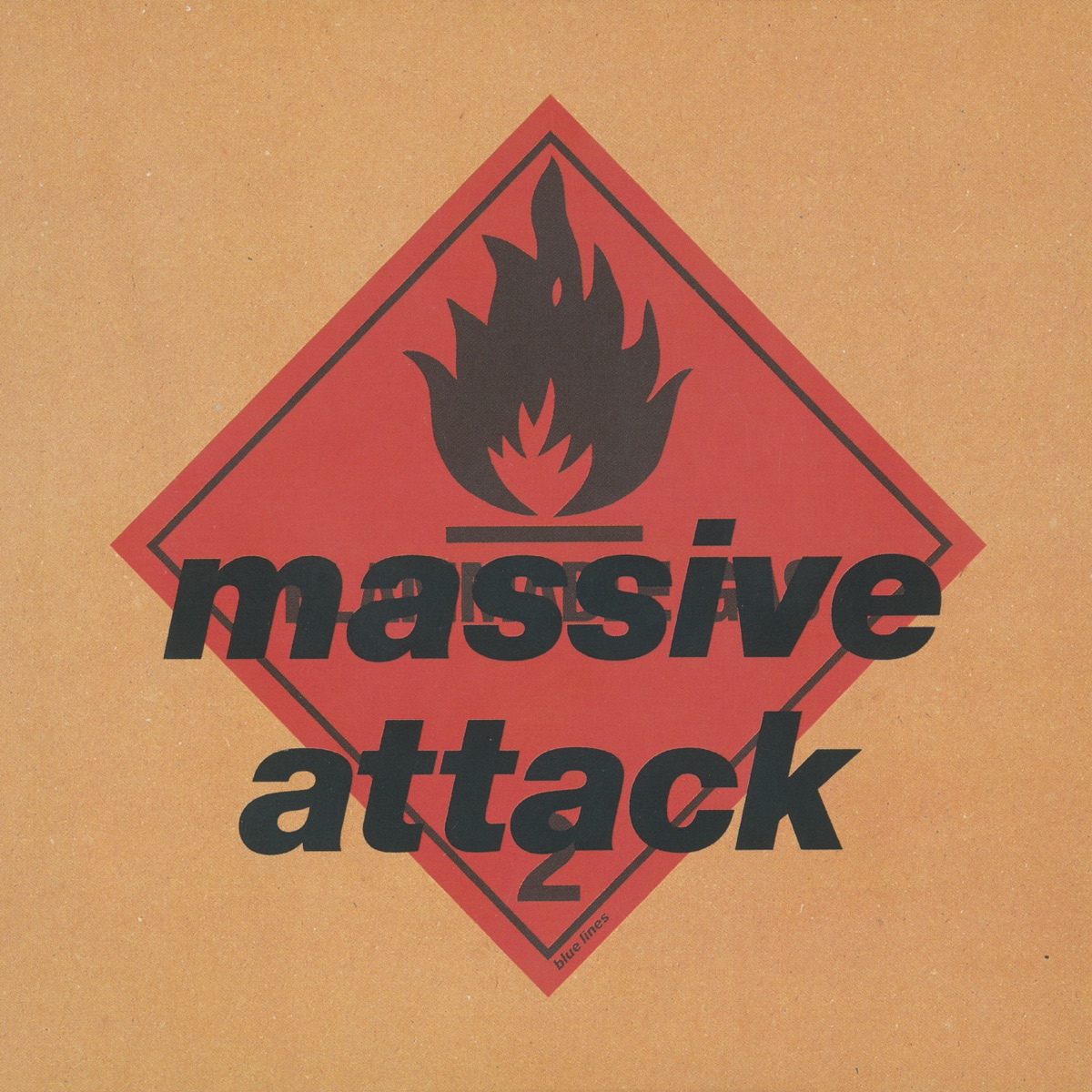
Blue Lines (2012 Mix/Master)
Apple Music
Massive Attack
genre:
电子音乐
/
Music
/
Electronica
/
爵士乐
/
波普爵士
…
release date 1991-04-08
<b>100 Best Albums</b> From the first whispers of whistling wind, driving basslines, and sludgy, slowed breakbeats, the sound of Massive Attack’s 1991 debut is unmistakably theirs. Rooted in the musical culture of Bristol, England, at the turn of the 20th century’s final decade, <i>Blue Lines</i> absorbs the port city’s soundsystem vibrations, industrial grit, and post-punk harshness to produce nine tracks of unsettling nocturnal introspection.
Starting out as DJ and MC collective The Wild Bunch, Robert Del Naja, Andrew Vowles, Grant “Daddy G” Marshall, and Adrian “Tricky” Thaws began turning their hand to production in the late ’80s, thanks to a collaboration with local singer Neneh Cherry on her 1989 single “Manchild.” Encouraged by Cherry and her partner, producer Cameron McVey, the quartet soon adopted the moniker Massive Attack and holed up in one of Cherry’s spare rooms to begin work on what would become <i>Blue Lines</i>.
Inspired by the reggae music of the Caribbean diaspora in Bristol as much as by nascent UK rap pioneered by artists like Rodney P and the dub-punk of local heroes The Pop Group, Massive Attack forged a record of remarkable clarity, clothed in the paranoid fug of weed smoke. Opener “Safe From Harm” sets the tone, pairing Shara Nelson’s soulful vocals with record-scratches and a thundering rhythm section, while De Naja delivers a typically anxious hook: “I was looking back to see if you were looking back at me to see me looking back at you.”
This tension between unease and harmony continues throughout, simmering in the jazz shuffle of the title track as Tricky drawls menacingly, or weaving through the dub bass and counterpoint of singer Horace Andy’s soaring falsetto on “Five Man Army.” Ultimately, it is on the group’s most well-known track, “Unfinished Sympathy,” that they reach their apotheosis. Pairing luscious string orchestrations with eerie vocal samples and Nelson’s yearning vocal lamenting an unrequited love, Massive Attack creates five minutes of soul music that stirs as much as it soothes.
The group would go on to be labeled innovators of a new laid-back genre called “trip-hop,” spawning dozens of imitators and hundreds of chill-out playlists. Yet, there is nothing relaxed about <i>Blue Lines</i>: Amid its euphoric melodies is an ominous vocal, and between its groove there is a bassline breaking almost to distortion. On this pioneering debut there is always a reason to look back over your shoulder.
Farstucker (Special Remastered Band Edition)
Apple Music
Lords of Acid
genre:
Techno
/
Music
/
Dance
release date 2000-01-01
Sound of Silver
MusicBrainz Apple Music Skybridge
LCD Soundsystem
genre:
Electronic
/
Music
/
Alternative
/
Indie Rock
release date 2007-03-12
publisher:
[no label]
Light Asylum
Apple Music
Light Asylum
genre:
Dance
/
Music
/
Techno
/
Electronic
/
Rock
release date 2012-05-01
OK Computer
MusicBrainz Apple Music Skybridge
Radiohead
genre:
另類音樂
release date 1997-05-21
publisher:
EMI
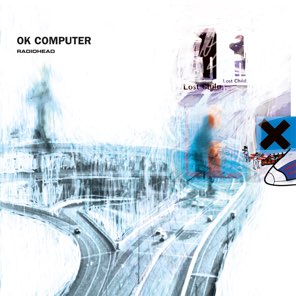
前兩張作品為 Radiohead 打開了市場並獲得廣泛關注,《OK Computer》則真正宣告 Radiohead 成為了 90 年代最具代表性的偉大樂團之一。與前作《The Bends》以吉他為主、抒情自省的風格不同,《OK Computer》抽象而模糊、密集而獨特的聲音成為樂團新的標籤,也為後續實驗性作品奠定基調。專輯發行後即如風暴般迅速攻占各大排行榜,並贏得第 40 屆葛萊美「最佳另類音樂專輯」獎,《OK Computer》脫去了傳統搖滾的外衣,重新審視著英倫搖滾,Thom Yorke 的嗓音從溫暖細膩的假聲轉變成歇斯底里的釋放,更為複雜的歌曲結構則加入了電子元素襯托,在極度迷幻的氛圍下仍然能嗅出搖滾的痕跡。從開篇〈Airbag〉中的 riff 與電子聲效交錯,到終曲〈The Tourist〉Thom Yorke 想要放慢腳步的懇求,每一首歌都是專輯精神的講述,如同腦海中交錯出現的關於生死、科技與社會不可避免的矛盾對話;〈Fitter Happier〉更是為專輯概念點睛,歌曲中機械化的語音播報,道出電腦時代下人類看似差不多的生活方式,冰冷生硬的聲音中帶著諷刺意味。《OK Computer》不僅是 Radiohead 的靈魂所在,也是他們對於時代的反思,更是搖滾史上無可磨滅的經典。
The Almost People - EP
Apple Music
Fused
genre:
Electronica
/
音樂
/
電子音樂
/
另類音樂
release date 2024-10-10
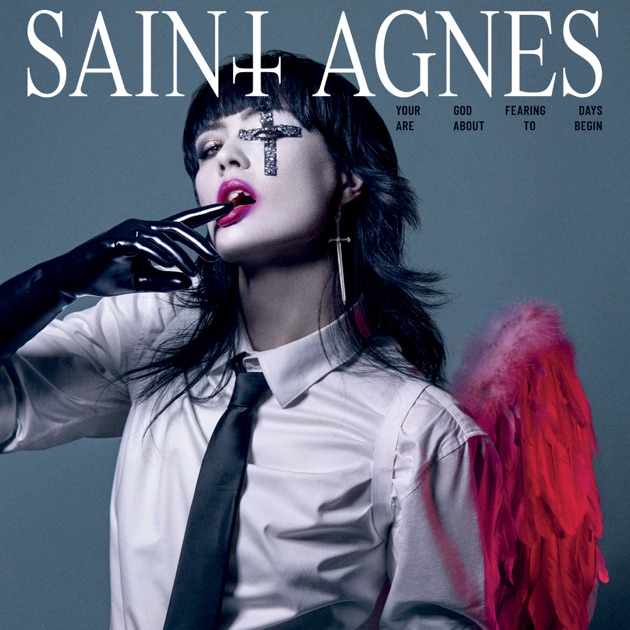
Your God Fearing Days Are About To Begin
Apple Music
Saint Agnes
genre:
Rock
/
Music
/
另类音乐
release date 2026-05-29

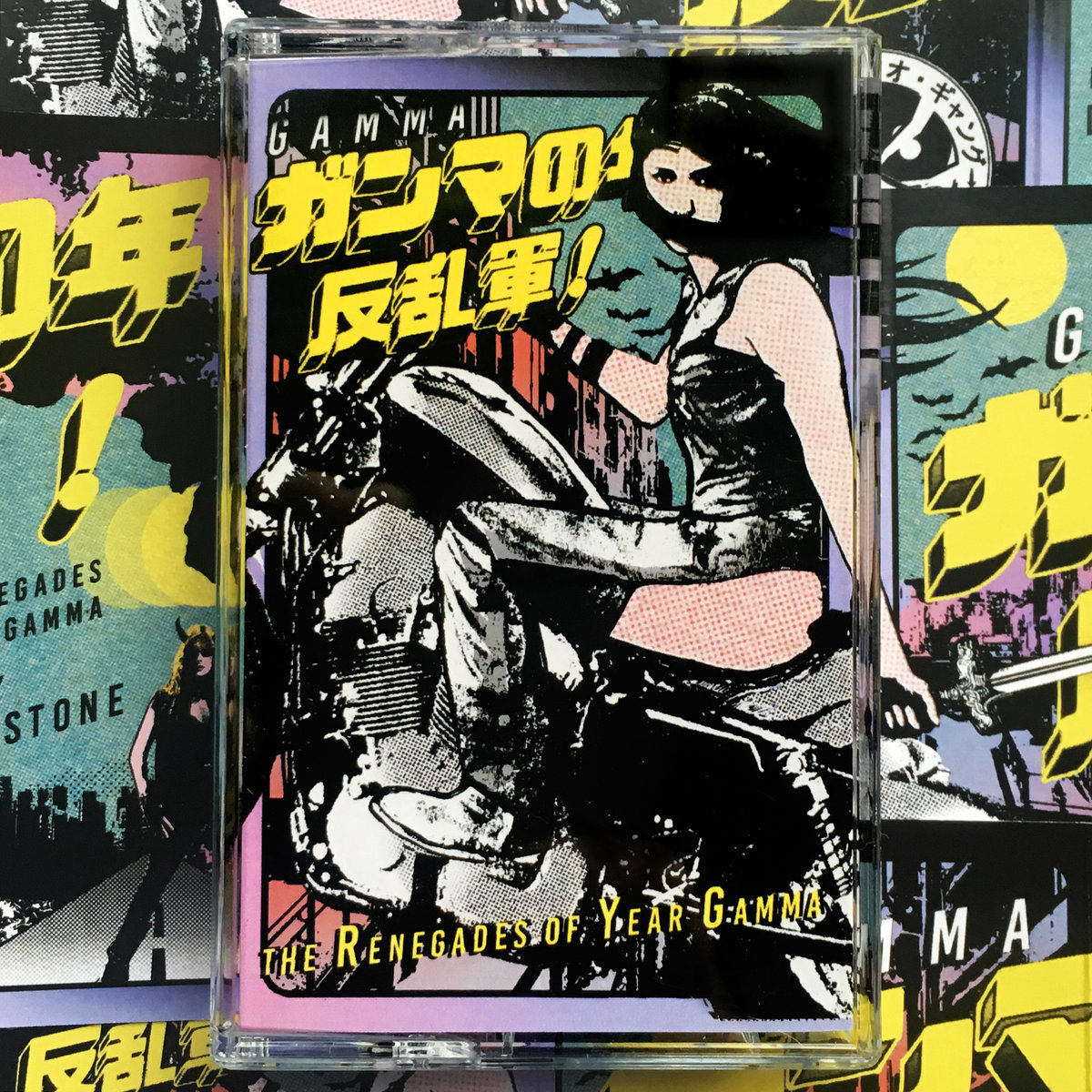
HDK 08 † ガンマの年の反乱軍 (Renegades of Year Gamma)
Bandcamp
DAVID STONE
release date 2018-03-30
ガ ン マ の 年 の 反 乱軍 (Ganma no toshi no hanran-gun) aka RENEGADES OF YEAR GAMMA is an apocalyptic sci-fi film (never)filmed in Japan in 1984. This is the soundtrack found in the production company's archives and finally published in this limited edition by HDK.
With this release, HDK inaugurates a new electro-dungeon series called "Post-Nuclear Wave".
- - - - - - - - - - - - - - - - - - - - - - - - - - - - - -
Tracklist & plot:
1. Year Gamma after the Nuclear Meltdown [open credits]
Anno Gamma: Japan is entirely contaminated by radiation due to nuclear disasters. This was caused by senseless use of atomic energy and natural calamities. Many areas of the country have been evacuated and have become dangerous places. The population lives barricaded in city fortresses. Because of radiation, japanese women have almost lost fertility and are being subjugated by men for reproductive purposes. There is dictatorship and society is strongly militarized. Dissidents are killed or imprisoned.
2. Escape from the Yomi-prison
The high-security prison in the countryside around Osaka called “Yomi” (“the land of the dead” in japanese), directed by merciless Mr. Shinigami. Someone is trying to escape: he’s Hiro, an infamous political dissident. Hiro's escape is successful.
3. The woman from underground
In the run, Hiro meets a punk girl called Maiko. Because she hearing the prison’s sirens she was hiding. Since Hiro discovered her, they flee together. During the escape Hiro saves the life to Maiko, protecting her from a gunshot. Thanks to the knowledge of the territory of Maiko, they manage to save themselves. Maiko is grateful to Hiro, but she is also suspicious of him…
4. Driving like an Oni-demon
Maiko agrees, however, to take Hiro to a safe haven in Osaka. Hiro and Maiko steal a car and flee at full speed on the forbidden streets hacked by police and bandits. During the trip Maiko reveals to Hiro to be part of a gang of female bikers called “Gang of the Broken Tao” living in the subsoil of Osaka. They hate men and kill them to get the seed to fertilize themselves. Hiro fakes to be gay and disguises herself as a woman.
5. Osaka dungeons
Transsexual Hiro and Maiko arrive in Osaka and they go into the underground sewers to reach the Broken Tao Gang’s lair.
6. The Broken Tao Gang
Hiro knows Lady Tennyo, the leader of the gang. He is hostile to hosting Hiro, but then he says he knows the location of the Yomi-prison’s warehouse full of fuel, decontaminated water and other basic necessities. He says to know about security systems and makes a deal with Lady Tennyo to do a big theft there. During the days of preparation of the mission, Hiro and Maiko fall in love with each other. Neither of them confesses their love to the other, because they must keep their love secret to the other members of the gang.
7. Bosozoku fallout ride
Hiro, Maiko, Lady Tannyo and the others in the gang leave for the mission. Unfortunately they suffer an ambush from the prison police, captained by Mr. Shinigami. The battle is hard and many fall. Hiro is unmasked by the Mr. Shinigami and imprisoned: Lady Tannyo and the others of the gang discover that Hiro is not a woman. Lady Tannyo, Maiko and the survivors manage to escape. The leader of the gang is furious: he understood that Hiro lied to them and believes he has betrayed them. Maiko is desperate and wants that the gang to save Hiro. Lady Tannyo is categorical and says: no!
8. The night before the final round
Maiko decides to steal from the gang's explosive reserves and go alone to get Hiro to escape. A suicide mission…
9. Warriors with a bleeding heart
Maiko manages to free Hiro, but the escape that follows is bloody and desperate. Hiro is seriously injured. The two manage to save themselves, but Hiro is dying. At the end of his life he confesses his love for Maiko asking for a first and last kiss. She, in tears and desperate, takes Hiro's knife and, symbolically, she cuts his hair to no longer look like a man or a woman and no longer suffer for love in the future…
10. Love in a radioactive era [end credits]
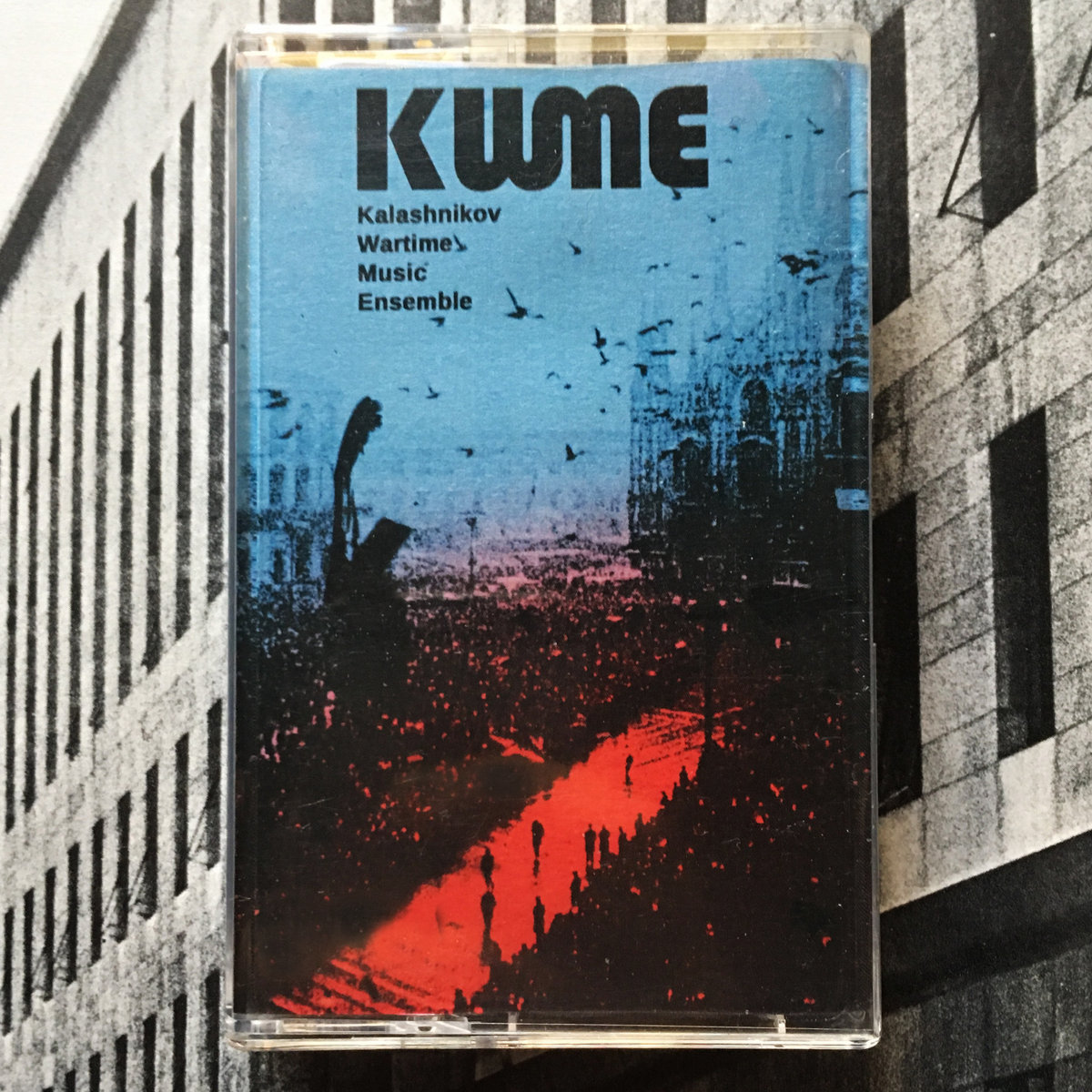
HDK 03 † E' pazzia o la morte?
Bandcamp
KWME
release date 2017-12-12
On December 12th 1969, a bomb exploded in the hall of the National Bank of Agricolture at Piazza Fontana in Milano: 17 people died.
The 36 years old anarchist Pietro Valpreda was accused of being the author of this attack. He had to undergo a hard media trial and, though innocent, was declared guilty and had to stay in jail for three years until the investigators identified the neo-fascist of Ordine Nuovo as the true perpetrators of the massacre. Valpreda was declared innocent in 1987. During the years of imprisonment, he wrote a handful of poems about his anguish and frustration. KWME has collected some of them to write the script of an imaginary movie that tells about the city of Milano in that terrible fall of 1969, which marked the beginning of "Anni di Piombo".
- - - - - - - - - - - - - - - - - - - - - - - - - - - - - -
In the vein of the first records of Franco Battiato, Ennio Morricone's experimental stuff and 70s giallo/poliziotteschi soundtracks, KWME has packed an intense, gloomy, bloody album of unidentified music between minimal-synth, library music and punk. A fascinating, thrilling drama-concept!
- - - - - - - - - - - - - - - - - - - - - - - - - - - - - -
KW/\/\E (Kalashnikov Wartime Music Ensemble) is a branch of anarcho-punk band Kalashnikov collective that deals with sound design and descriptive music.
- - - - - - - - - - - - - - - - - - - - - - - - - - - - - -
"We wander pale in a world that is not ours. We're travelers on the run from a distant time. Time travel consumes the soul, torn the existence. We are strangers to this present, but we need to get into spiritual contact with it, to touch the secret that has led to the destruction. Music is our medium to summon what we have lost"
Ⓐ angst / amour / anarchie Ⓐ
Personnel here:
Lisa >>> theremin
Milena >>> vocals
Sarta >>> synth & e-piano
Don >>> synth & keyboards
Stiopa >>> guitars
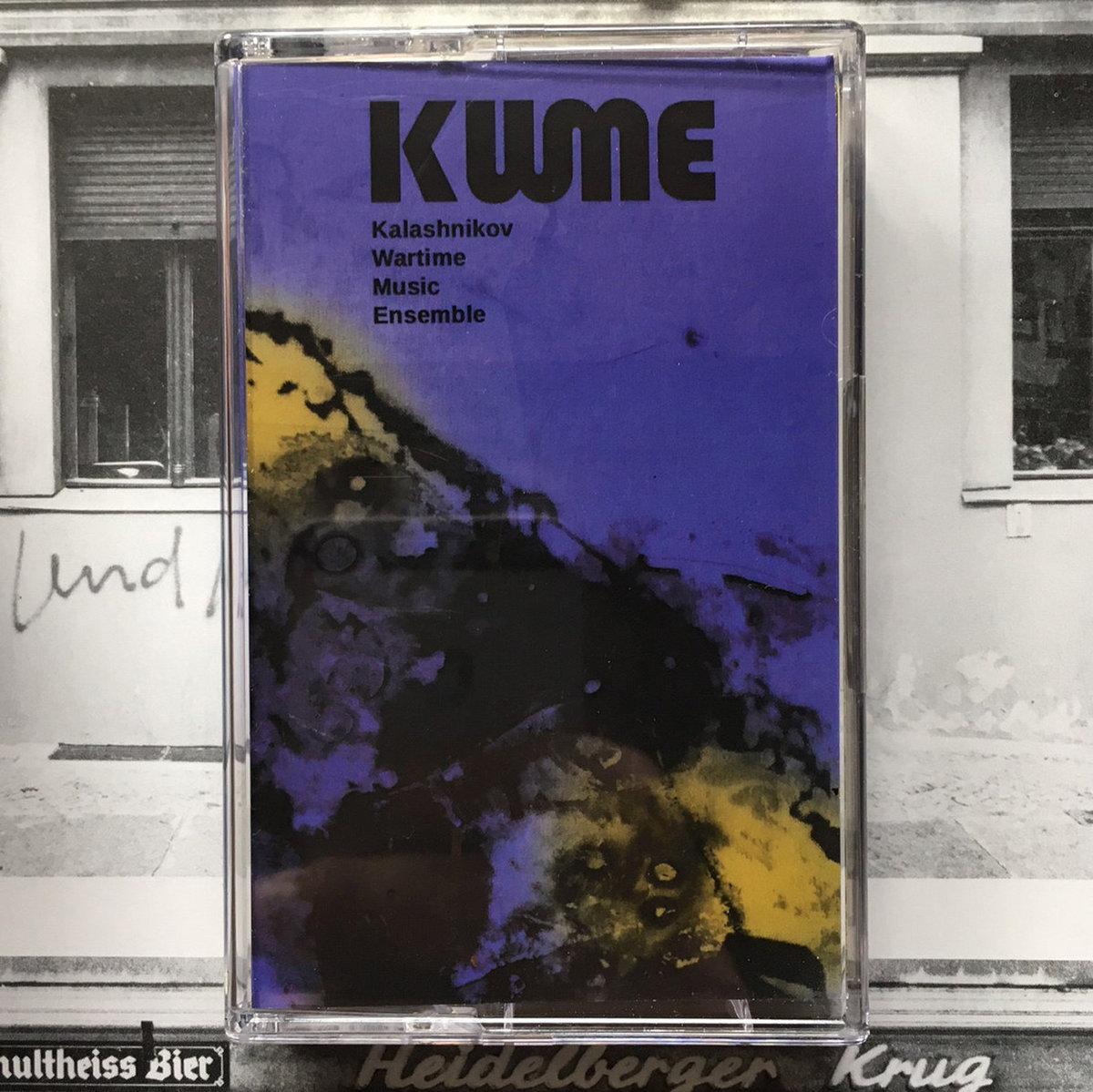
HDK 01 † Soldati senza divise e senza bandiere
Bandcamp
KWME
release date 2017-06-29
KW/\/\E (Kalashnikov Wartime Music Ensemble) is a branch of anarcho-punk band Kalashnikov collective that deals with sound design and descriptive music.
KW/\/\E (Kalashnikov Wartime Music Ensemble) è una branca del collettivo anarco-punk milanese Kalashnikov e si occupa di musica descrittiva e colonne sonore.
- - - - - - - - - - - - - - - - - - - - - - - - - - - - - -
"SOLDATI SENZA DIVISE E SENZA BANDIERE" (Soldiers without uniforms and flags) is the soundtrack for a radio drama in three acts, inspired by the short stories written by Giulio Questi (1924 * 2014), director, author and partisan during the italian war of liberation against the nazi-fascism in the WWII. The short stories are published in the volume "Uomini e comandanti" (Men and commanders) edited in 2016. Soundtrack was recorded in November '015.
"SOLDATI SENZA DIVISE E SENZA BANDIERE" è la colonna sonora di un radiodramma in tre atti ispirato ai racconti scritti da Giulio Questi, regista e partigiano durante la guerra di liberazione dell’Italia dal giogo nazi-fascista negli anni della Seconda Guerra Mondiale. I racconti di Giulio Questi sono stati pubblicati nel volume intitolato “Uomini e comandanti” (2015). Il radiodramma “Soldati senza bandiere e senza divisa” è stato realizzato dalle compagne e dai compagni di Radiocane e andato in onda a puntate tra il 2016 e il 2017. La colonna sonora è stata registrata dal KWME nel proprio quartier generale nel novembre 2015.
- - - - - - - - - - - - - - - - - - - - - - - - - - - - - -
"We wander pale in a world that is not ours. We're travelers on the run from a distant time. Time travel consumes the soul, torn the existence. We are strangers to this present, but we need to get into spiritual contact with it, to touch the secret that has led to the destruction. Music is our medium to summon what we have lost"
"Vaghiamo pallidi in un mondo che non è il nostro, siamo viaggiatori in fuga da un tempo lontano. Viaggiare nel tempo consuma l'anima, strappa l'esistenza. Siamo estranei a quello che ci circonda, ma dobbiamo entrare in un contatto spirituale con esso, per toccare il segreto che ha portato alla distruzione: la musica è il nostro mezzo per ricordare ciò che abbiamo perduto"
Ⓐ angst / amour / anarchie Ⓐ
My Life (Marvel83' remix) - Single
Apple Music
FM Attack
genre:
電子音樂
/
音樂
/
Dance
release date 2020-08-14