rock
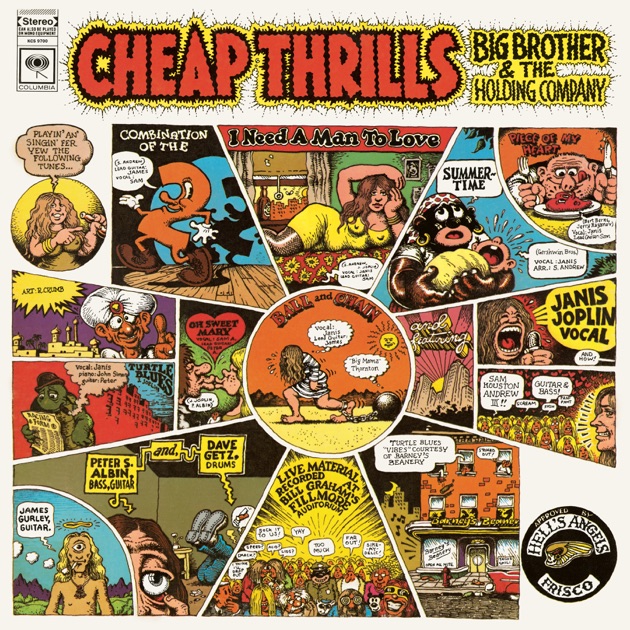
Cheap Thrills
Apple Music
Big Brother & The Holding Company / Janis Joplin genre: Rock / Music / Hard Rock / Blues-Rock / Rock & Roll …
release date 1968-08-12
Listened
Aug. 17, 2026
rock
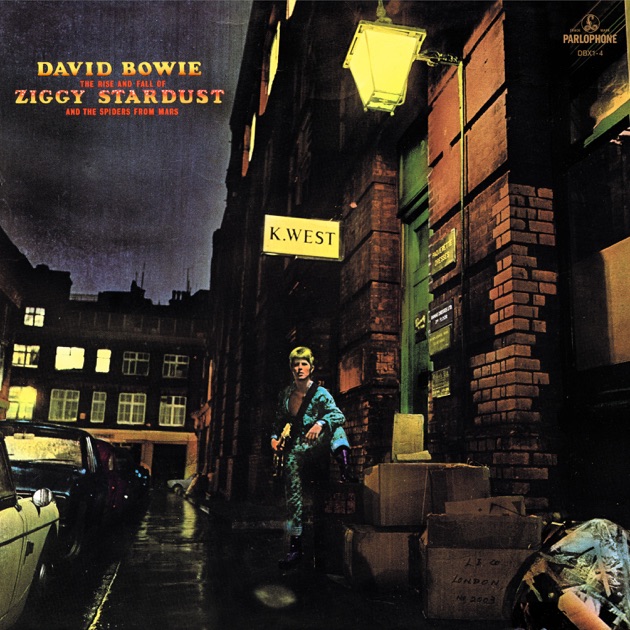
The Rise and Fall of Ziggy Stardust and the Spiders from Mars (2012 Remaster)
Apple Music Skybridge
David Bowie genre: Rock / Music / 国际流行 / 流行/摇滚 / Arena Rock …
release date 1972-06-16
<b>100 Best Albums</b> When David Bowie stood onstage at the Hammersmith Odeon in full Ziggy Stardust getup and announced his retirement in July 1973, nobody really knew what he meant. Was this Bowie’s retirement, or just Ziggy’s? And what was the difference, anyway? The persona had been laid on so thick, it seemed impossible to peel it away from the artist who invented it. Not to mention, of course, how liberating the persona had been to Bowie’s audience: the drama, the glitter, the possibility of becoming your most fantastic inner self, societal boxes and pre-existing roles be damned. If the crowd screamed in protest, you couldn’t blame them: Ziggy had promised that they weren’t alone—and now he was leaving them.<br /> The concept is catchy, but the subversion is in the music: nasty but glamorous (“Moonage Daydream,” “Suffragette City”), theatrical but intimate (“Five Years”), punk before punk (“Hang on to Yourself”), and cabaret for an audience who would’ve never deigned (“Rock ’n’ Roll Suicide”). He’s so exceptional he talks about himself in the third person but so arrogant his fans kill him for it (“Ziggy Stardust”), so deluded he thinks rock ’n’ roll can save the world but so brave he’s willing to die trying (“Star”). “And it was cold, and it rained, so I felt like an actor,” he sings on “Five Years”—an image that captures the moments in life that feel so real they seem fake. The artifice brings him down, but it also sets him free.<br /> The album helped loosen binaries around gender, sexuality, performance, and identity. But it also helped broaden the vocabulary of mainstream rock more generally, drawing on concepts from the underground (Bowie barely escaped an interview without talking about Iggy Pop), the art world, kabuki, mime, and film (“Space Oddity” had been written under the influence of <I>2001</I>, <I>Ziggy Stardust</I> under <I>A Clockwork Orange</I>). Calling him flighty or inauthentic missed the point: Like Andy Warhol, Bowie treated his art in part as a synthesis of his interests. For all the ways it was radical at the time, <I>Ziggy</I> also pointed to a referential, hyperlinked future we’re all familiar with—curation as creation.
Listened
Aug. 10, 2026
rock
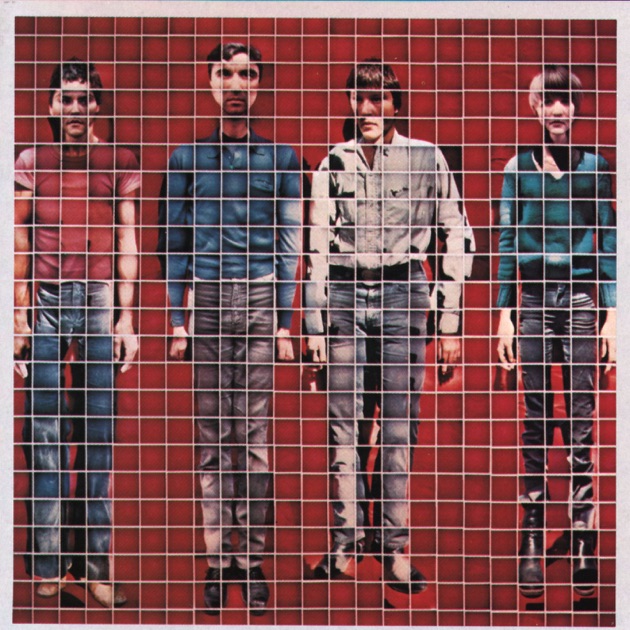
More Songs About Buildings and Food
Apple Music
Talking Heads genre: 另类音乐 / Music / Rock / College Rock / Adult Alternative …
release date 1978-07-14
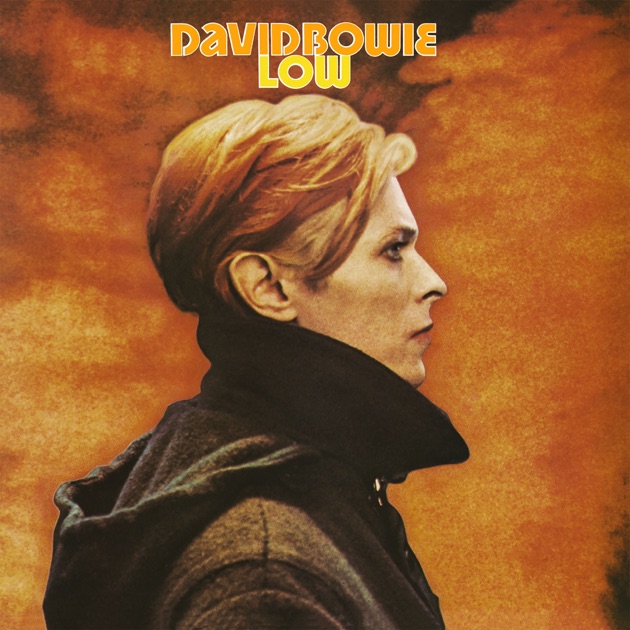
On their second album, Talking Heads met their ideal musical match: the British producer and Roxy Music alum Brian Eno, who shared an art-school background with singer David Byrne, bassist Tina Weymouth, and drummer Chris Frantz, and had recently worked on David Bowie’s album <i>Low</i>. There’s a denser, more foreboding sound on <i>More Songs About Buildings and Food</i>. (Here’s how the self-mocking title came about: Weymouth asked, “What are we gonna call an album that’s just about buildings and food?” And Frantz responded, “You call it <i>More Songs About Buildings and Food</i>.”) If all Eno had done was to add the thickening studio effects to Frantz’s hypnotic drums on “Warning Sign” and Weymouth’s sliding bass line on “With Our Love,” <i>dayenu</i>, he would’ve earned his keep. Byrne is at his inquisitive best in these songs, which portray him as someone puzzled by power dynamics, whether in relationships or at the office. “I’ve got to get to work now,” he sings in “With Our Love,” while “The Good Thing” goes even deeper into a hard-work ethos, with echoes of philosopher of selfishness Ayn Rand (“Add the will to the strength and it equals conviction”). “Work! Work!” Byrne chants at the end of the song, and by then it’s impossible to tell if he’s giving orders or complaining about them. The ends of the songs throughout, especially on “Found a Job” and “The Big Country,” are magnificent, with scrubbing guitars jumping between Frantz’s spare, purposeful drumming. An intense cover of Al Green’s “Take Me To the River” gave the band its first hit, with a peak of No. 26 on the pop chart. And in “The Big Country,” guitarist and keyboardist Jerry Harrison plays a loping slide-guitar lick while Byrne itemizes the humdrum sites he sees while on a flight over the middle of the country, and concludes with chilly disdain, “I wouldn’t live there if you paid me.” It’s unclear whether he’s mocking or embracing East Coast snobbery, but either way, it’s the pinnacle of Byrne’s misanthropic phase.
Listened
July 22, 2026
rock