WilliamKentridge
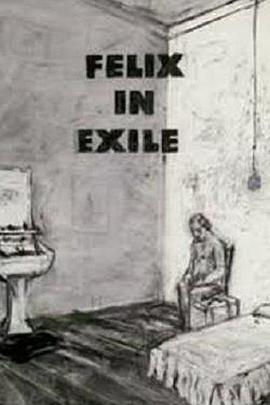
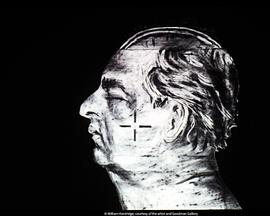
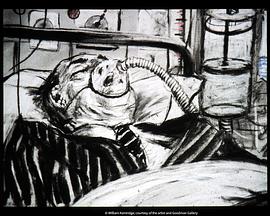
History of the Main Complaint (2000)
History of the Main Complaint Douban
威廉·肯特里奇
other title:
控诉的历史
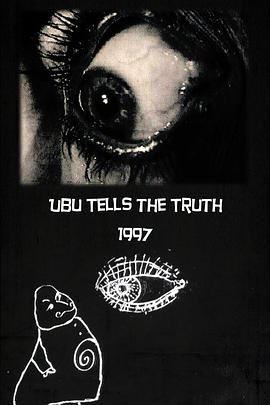
Ubu Tells the Truth (1997)
Douban
威廉·肯特里奇
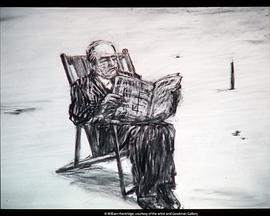
Kentridge's short animated films are typically made from a series of large-scale charcoal and pastel drawings which the artist repeatedly alters and interchanges as his narrative progresses. Ubu Tells the Truth marks an important change in technique, as Kentridge has combined images from documentary films and photographs together with moving puppets as well as his animated drawings. This film was made from a basis of thirty drawings. Sleeper (Tate P78231) is a related etching he made in the same year. Much of the footage was originally created to accompany action on stage in the multi-media theatre work Ubu and the Truth Commission (1997), in which Kentridge collaborated with the Handspring Puppet Company in Johannesburg. It was subsequently edited to accentuate the drama implicit in the series of images. The result is a greater degree of abstraction than in his earlier films and a more heightened violence.
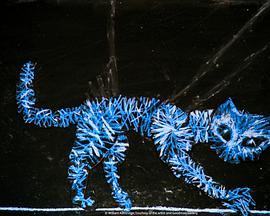
Stereoscope (1999)
Stereoscope Douban
威廉·肯特里奇
other title:
立体镜
Stereoscope was produced by Kentridge’s unique process of animation. For each film sequence, the artist begins with a single charcoal drawing, which he modifies either by additions or erasures. Each alteration to the drawing is photographed to become one frame of his animated film. The film is therefore the result of thousands of changes to a few drawings. Kentridge’s narratives are grounded in the recent politics of his native South Africa but are also personal works. The work’s protagonist, Soho Eckstein, a pinstripe-suited businessman, is based on the artist’s grandfather but resembles the artist physically. The labor-intensive filmmaking process, visible to the viewer in the finished work, becomes a metaphoric parallel to the deliberate acts of effacement and remembrance that characterize South Africa’s post- apartheid state. In this newest film, Kentridge references the stereoscope, a photographic device that produces the illusion of a three-dimensional image by combining two pictures of a single subject taken from different points of view.