乡村教育
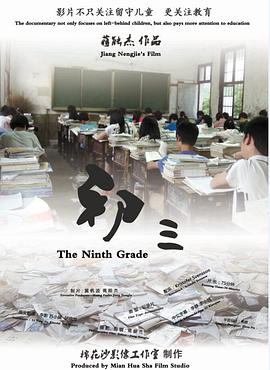
The Ninth Grade (2014) Douban
★ 8.1 (18 ratings) director: 蒋能杰 actor: 向永红 / 范清华
other title: 初三
本片荣获首届留守与儿童国际电影节 最佳纪录片,并被香港中文大学 永久收藏。
本片以湖南省一群备战中考的重点班孩子展开讲述。他们中大部分是留守儿童,读书 成为摆脱自身命运的唯一出路。但处于青春期的他们,面对繁重的功课、备考的压力、资金的不足以及家庭的教育的缺失站在了人生的十字路口上......
Junior Th ree is the last part of the Homewood Trilogy directed by Jiang Nengjie. It is about the students who are preparing for the Senior High School Entrance Examination in Hunan. The most of them are unattended children, studying is the only way for them to lift themselves from destiny. However, facing the heavy study work, tremendous pressure, fund shortage and the absence of family education, they are in a dilemma.
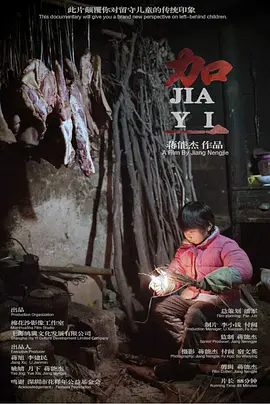
加一 (2016) Douban
★ 8.4 (10 ratings) director: 蒋能杰 actor: 蒋佳伊 / 范梓沐
本片 荣获第四届深圳青年影像节纪录片类 最佳创意奖 ,香港中文大学、 第二届中国民族博物馆 永久收藏奖 。
有意想观看的,可联系版权方微信:1714371600
《加一》颠覆大众对留守儿童的固定思维,以独特的视角呈现最真实的留守儿童生活。
加一是一名留守儿童,父母常年在外打工,每次短暂的相聚都会牵动加一幼小 的心灵:长途 跋涉和爷爷去看望在外打工的父母,离别时躺在爸爸腿上静静落泪;春节过后妈妈提前出去打工,没有说再见是因为偷偷躲在被 窝里泣不成声。然而父母离开后生活依然要继续,忍受过难尝的别离滋味后,依然要忘掉烦恼,快乐地和同学玩耍,淘气地逗哭弟弟后又像大人一样哄着他。每天和弟弟徘徊在哭与笑之间,就这样在痛与乐中成长着。
留守儿童并不是“苦逼”的代名词,他们有他们的快乐,有他们的纯真,他们也确实要忍受不一样的孤独和无奈。大时代下的小人物,他们的生存状态是这个时代的特殊印迹。
The documentary, “JIAYI”, adopts a particular position from where it objectively and non-discriminatingly uncovers a real world of these left-behind kids in rural area in China, which overthrows the social stereotyping towards this special group existing in the remote and underdeveloped regions.
JiaYi, one of these unattended children, cherished every single reunion with her parents who work as migrant labors: she would travel thousands of miles with her grandfather to visit them; lying on her father’s leg and crying silently is her way of resisting saying goodbye; Tears flooded her eyes so violently that she didn't says any words when her mother had to leave earlier than planned to start working during the spring festival. However, life goes on no matter they are ready or not. She struggles to survive in the suffering of separation while at the mean time, she must learn to forget this painfulness and pretend to live like a normal kid who enjoys her time in school with peers. She, like a mature adult, can make her younger brother cry and then burst into laughs. Their life is filled with tears and laughter as they grow up happily and toughly.
“Sadness” is not supposed to be the first image of these unattended children. Even though they have to withstand the loneliness and desperation that are not normally experienced by their peers, they still have their share of happiness and innocence. They contribute to maybe a minor section of this era but their very existence still leaves marks on this thriving generation filled with variations.
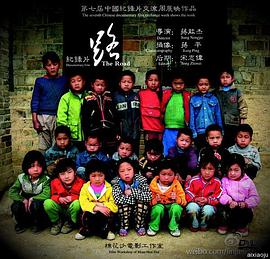
(2010) Douban
director: 蒋能杰 actor: 蒋云洁 / 蒋恒
纪录片《路》以湖南省一个偏远的小山村私立学校22个学生为切入点,通过对他们的深入访谈,探讨“留守儿童”缺乏父爱母爱这一主题。希望让更多的社会力量来关注他们的家庭生活和内心世界,同时,也反映出一系列农村落后的教育问题。
光安村的小学由于危房问题,于2002年全部撤往镇中心小学,响应政府的政策 — 集中办学。从而引起一系列的问题:如交通不便,上学小孩年龄太小走不起, 绝大多数的农村孩子父母外出打工,家中上年纪的老人又要种田种地。但为了小孩的未来,家里不得不有一人专门在镇里租房子陪伴幼小的孙子孙女读书。在镇里吃住都要钱,给原本贫穷的家庭带来了沉重的负担。有一部分小孩因没陪读条件,只得早上五六点起来,一大早行走在上学的路上。
在这种情况下,村里创办了一所私人学校,共招收了一个由22人组成的一年级。同时村领导不得不历经艰难,通过层层关卡向国家申请重建“光明小学”……

该片入围 第七届中国纪录片交流周 于2010年05月05日在宋庄美术馆首映
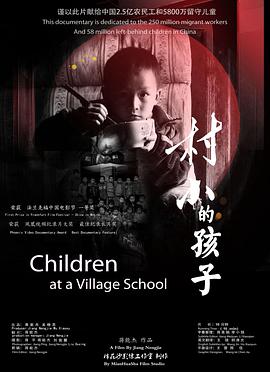
村小的孩子 (2014) Douban
★ 8.6 (52 ratings) director: 蒋能杰 actor: 范魏煜 / 张良友
other title: 希望!希望!
本片为独立纪录片导演蒋能杰留守儿童三部曲的第二部,另外两部分别为《路》和《加一》,蒋能杰致力于用影像关注社会,用镜头呼吁更多人关注留守儿童,重视乡村教育。 (有意观看高清版的,可联系本人微信:1714371600 (QQ)
本片荣获第三届 凤凰视频纪录片大奖 最佳纪录长片奖、法兰克福影展 一等奖。
2009年:首次走进村小,镜头记录临时学校的22个学生(其中17个为
留守儿童),同时关注村小艰难申请重建。
2010年:重建后的村小调来张老师教两个班,代课十几年的张老师老
为转正问题烦心和奔波,跟拍的留守儿童的学习、心理、生活也面临
着种种问题。
2011年:代课的 张老师因种种不满,已离开村小,跟拍的孩子们面临
的问题愈加严重。
2012年:由于媒体的力量,村小的物质条件有所改变,但好像无力改
善更多。
2013年:留守儿童生活看是没什么变化,其实在悄悄变化着。
2014年:又是一年春节,而跟拍的留守儿童家庭 …… 。
2009: First glance at the village school, in which the lives of 22 students including 17 left-behind children, together with the unsmooth application of the school’s reconstruction, were focused on.
2010: Teacher Zhang, a supply teacher with more than 10 years teaching experience, was assigned to the reconstructed school. While in charge of two classes, he was concerned about, and striving for the obtainment of permanent teaching status. Meanwhile, folks began to doubt on the quality of the school buildings, as the left-behind children were facing numerous problems in life, study and emotion.
2011: Mr. Zhang left the school out of dissatisfaction. After he left, the problems those left-behind children were confronting with became more serious.
2012: Thanks to the media, the material condition of the village school began to turn around. However, it still had a long way to go.
2013: The situation of those left-behind children seems unchanged, but it turned out to get changed day by day.
2014:As another Spring Festival comes, what is going on in those left-behind families?
June 13, 2020 watched
影片中有一个问孩子们的片段:梦想是打工挣钱,中国国家主席是毛泽东,不知道中国的首都,不知道天安门, 不知道北京奥运会, 日本人全是坏人,经常杀人。
留守儿童 乡村教育 纪录片 大陆 农村