现象学
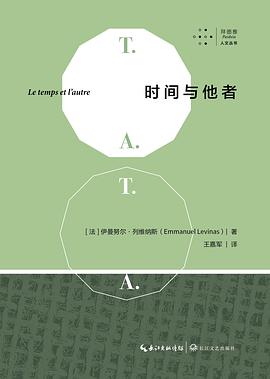
时间与他者 Douban
Le temps et l’autre
★ 8.3 (22 ratings) author: [法]伊曼努尔·列维纳斯 translator: 王嘉军 publishing house: 拜德雅 | 长江文艺出版社 2020 - 6
-编辑推荐-
★★讲稿集结×清晰易读★★
本书由1946—1947年伊曼努尔•列维纳斯在哲学学院所作的“时间与他者”系列讲座的速记稿整理而来,具有难得的清晰性和易读性,可谓是列维纳斯最易阅读的一本著作。
★★思想过渡×代表著作★★
本书既接续了1947年出版的《从存在到存在者》的论述,又预演了1961年出版的《总体与无限》的关键性思路,是这两本重要著作之间的过渡,勾勒出连贯的思想发展路线,被公认为是作者的代表著作。
★★一个目标×四个论题★★
本书呈现了该系列讲座的目标——时间并不是孤立和单一的主体的所作所为,而是主体和他者的关系本身——并围绕于此展开了四个层层递进的论题:
(1)实存的孤独
(2)享受和日常生活中的超越
(3)死亡的绝对他异性及其昭示的时间与他者之关系
(4)爱欲和生育作为另一种时间与他者的关系,及其对死亡的战胜
-内容简介-
本书由列维纳斯的四次讲座演化而来,是作者早期和中期两本重要代表作《从存在到存在者》和《总体与无限》之间的过渡。在本书中,列维纳斯进一步阐述了时间在与他者的关系中的生成,时间性即社会关系本身这一在《从存在到存在者》中就已显现的思想。列维纳斯的思想艰深、语言晦涩,但本书的结构却很具系统性,逻辑层次的推进也非常清楚,相比于他的其他著作,本书确是入门的最佳选择之一。
总体与无限 Douban
Totalité et infini: essai sur l'extériorité
★ 9.7 (14 ratings) author: [法国] 列维纳斯 translator: 朱刚 publishing house: 北京大学出版社 2016 - 8
本书是著名现象学家列维纳斯的代表作,是其前期思想的核心,对现象学有着深远的影响。在本书中,列维纳斯把西方传统的存在论哲学视作一种总体哲学。这种哲学以作为总体的存在为最终的意义来源,抹杀作为个体的个人的意义与价值,充满了对于他者的暴力。与这种总体哲学相反,列维纳斯通过对面容的现象学分析表明,在面容中呈现出来的他人标志着绝对的外在性,是真正的无限,不可还原为内在性。他进而证明,自我与他人的伦理关联既先于自我与他人的存在关系,也先于自我与对象的存在关系。在此意义上,伦理学先于存在论。本书最终表明,自我与他人之间有着一种不可还原的非同一性,自我与他人的面对面是存在中的终极关系。因此,哲学必然是“多元论”的,世界的本原是多元,是每一个表达着的自我。这多元之间则通过作为主体性的善良而最终走向和平。
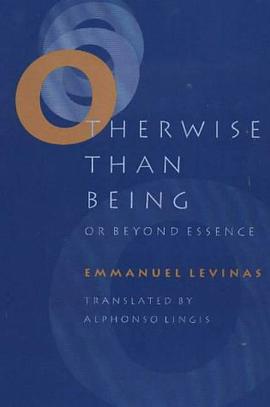
Otherwise Than Being, or, Beyond Essence Douban
author: Emmanuel Levinas translator: Alphonso Lingis publishing house: Duquesne University Press 1999 - 1
Otherwise than Being, or Beyond Essence, first published in 1974, is the second of Levinas's mature philosophical works, the first being Totality and Infinity (first published in 1961). Otherwise than Being is essentially the sequel to Totality and Infinity, further elaborating the rich and comprehensive philosophy of ethical metaphysics that Levinas had introduced in the earlier work. At the heart of Levinas's writings is the irreducible ethical proximity of one human being to another⎯morality, and through that encounter a relation to all others⎯justice. Otherwise than Being emphasizes the themes of moral sensibility and language within this system of ethical metaphysics. These themes had been introduced in Totality and Infinity, but are developed in this later work. And while Totality is focused on ethical alterity, Otherwise is focused on ethical subjectivity. The process of the revelation of Being as laid out by modern phenomenological ontology is severely criticized, as Levinas claims that the ultimate account of these phenomena is not in ontology, but in a paradoxical discourse of what is beyond Being.