纪录片
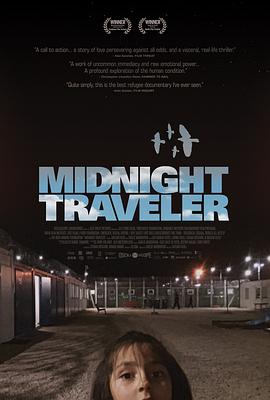
Midnight Traveler (2019) Douban
Midnight Traveler
director:
哈桑·法利
actor:
Nargis Fazili
/
Zahra Fazili
…
other title:
午夜行者
/
从阿富汗到德国
阿富汗导演 Hassan Fazili拍摄的作品,全片由三台手机拍摄完成,记录下镜头中一家人在3年多的时间里跨越3500英里却仍未完成的神奇旅程。

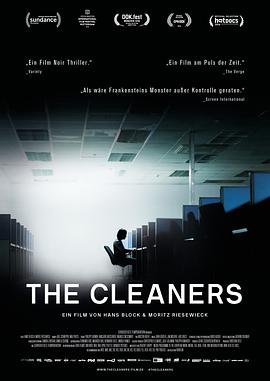
The Cleaners (2018) WikiData IMDb TMDB Douban
Im Schatten der Netzwelt
director:
汉斯·布洛克
/
Moritz Riesewick
other title:
网络审查员
/
Im Schatten der Netzwelt
…
A deep dive into the hidden industry of digital cleaning, which rids the Internet of unwanted violence, porn and political content.
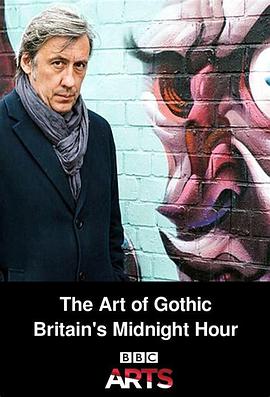
The Art of Gothic: Britain's Midnight Hour (2014) TMDB Douban
The Art of Gothic: Britain's Midnight Hour Season 1 part of TV Series: The Art of Gothic: Britain's Midnight Hour
actor:
Andrew Graham-Dixon
In a three-part series, Andrew Graham-Dixon looks back at 19th century Britain and its obsession with all things Gothic. The series explores how an inspired group of architects and artists spurned the modern age, turning to Britain’s medieval past to create some of Britain’s most iconic works and buildings.
Inspired by the tumultuous Industrial Revolution, John Ruskin was among those who created architectural wonders, using the cutting edge of technology to create a brand-new British style of architecture. While in art and literature, the Gothic allowed Horace Walpole, Bram Stoker and Dickens to capture the terror, weirdness and social ills that plagued Victorian Britain.
Inspired by the tumultuous Industrial Revolution, John Ruskin was among those who created architectural wonders, using the cutting edge of technology to create a brand-new British style of architecture. While in art and literature, the Gothic allowed Horace Walpole, Bram Stoker and Dickens to capture the terror, weirdness and social ills that plagued Victorian Britain.

The Art of Germany (2010) Douban
The Art of Germany
director:
BBC
actor:
Andrew Graham-Dixon
BBC呈献
【国家】英国
【语言】英语
【字幕】外挂英文字幕
【简介】BBC纪录片《德国的艺术》,展现德国在意大利文艺复兴时期的历史文化的艺术气息,分为三集:
Part 1: A Divided Land
Part 2: Dream and Machine
Part 3: In the Shadow of Hitler
文艺复兴是指13世纪末在意大利各城市兴起,以后扩展到西欧各国,于16世纪在欧洲盛行的一场思想文化运动,带来一段科学与艺术革命时期,揭开了近代欧洲历史的序幕,被认为是中古时代和近代的分界。
主持人Andrew Graham-Dixon用不同的主题去探讨德国的艺术,包括景观、民俗文化等,为那些对世界艺术和文化传统不太熟悉的人群开阔了视野。
【国家】英国
【语言】英语
【字幕】外挂英文字幕
【简介】BBC纪录片《德国的艺术》,展现德国在意大利文艺复兴时期的历史文化的艺术气息,分为三集:
Part 1: A Divided Land
Part 2: Dream and Machine
Part 3: In the Shadow of Hitler
文艺复兴是指13世纪末在意大利各城市兴起,以后扩展到西欧各国,于16世纪在欧洲盛行的一场思想文化运动,带来一段科学与艺术革命时期,揭开了近代欧洲历史的序幕,被认为是中古时代和近代的分界。
主持人Andrew Graham-Dixon用不同的主题去探讨德国的艺术,包括景观、民俗文化等,为那些对世界艺术和文化传统不太熟悉的人群开阔了视野。
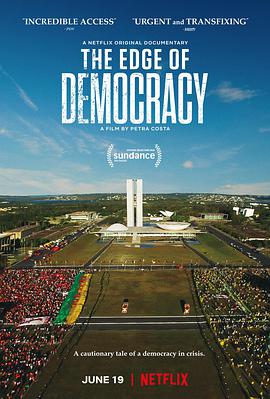
The Edge of Democracy (2019) WikiData IMDb TMDB Douban
Democracia em Vertigem
director:
佩特拉·科斯塔
actor:
迪尔玛·罗塞夫
/
路易斯·伊纳西奥·卢拉·达席尔瓦
…
other title:
民主的边缘
/
Democracia em Vertigem
…
A cautionary tale for these times of democracy in crisis—the personal and political fuse to explore one of the most dramatic periods in Brazilian history. With unprecedented access to Presidents Dilma Rousseff and Lula da Silva, we witness their rise and fall and the tragically polarized nation that remains.

British Gardens In Time (2014) Douban
British Gardens In Time
director:
Ruairi Fallon
actor:
Monty Don
Documentary exploring the history of four gardens from across Britain

The Art of Scandinavia (2016) TMDB Douban
The Art of Scandinavia Season 1 part of TV Series: Art of Scandinavia
director:
Ian Leese
actor:
安德鲁·格雷厄姆-迪克森
Series in which Andrew Graham-Dixon explores the history of Scandinavia through its art.
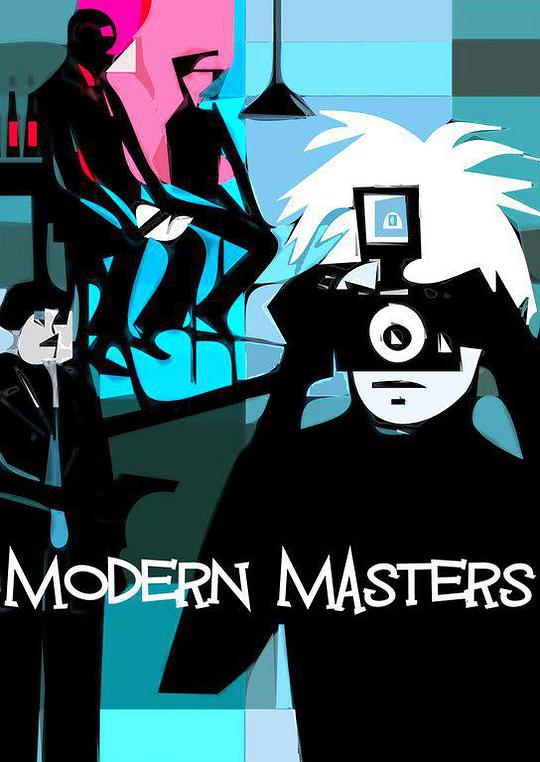
Modern Masters (现代艺术大师) (2010) Douban Douban
Modern Masters part of TV Series: Modern Masters
director:
Louise Hooper
actor:
阿拉斯泰尔·苏克
《现代艺术大师》是英国广播公司BBC推出的一档电视系列节目,它由四部分组成,分别详细介绍了20世纪的四位重要的艺术大师:安迪·沃霍尔(Andy Warhol)、马蒂斯(Henri Matisse)、毕加索(Pablo Picasso)和达利(Salvador Dali)的工作与生活。在片中,镜头跟随主持人Alastair Sooke的脚步,走访了四位艺术家们生前的居所、艺廊及博物馆,甚至是他们最爱的餐厅等地,向观众展示了他们伟大的艺术贡献以及惊人的后世影响力。环顾四周,麦当娜的专辑封面、米菲兔的文具、甚至是你家的沙发和电话,也许就来源于这四位大师的创作……
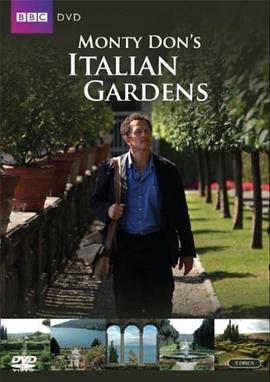
Monty Don's Italian Gardens (2011) TMDB Douban
Monty Don's Italian Gardens Season 1 part of TV Series: Monty Don's Italian Gardens
director:
Patty Kraus
actor:
Monty Don
蒙提·唐回带领我们一同环绕意大利,进行“伟大花园之旅”。我们将从富裕的北部休养胜地一直逛到南部的园艺瑰宝...
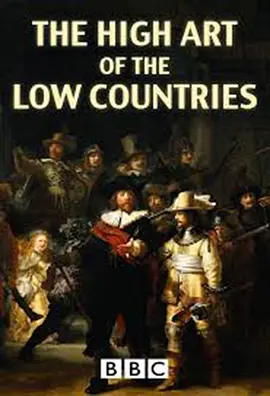
The High Art of the Low Countries (2013) Douban
The High Art of the Low Countries
director:
Ian Leese
actor:
安德鲁·格雷厄姆-迪克森
With this new series Andrew Graham-Dixon returns to Europe taking us on a journey into the captivating watery world of the Low Countries and its art. This small myriad of regions we now know as Holland and Belgium produced some of the most celebrated names in art: Van Eyck, Bosch, Rembrandt, Rubens, Vermeer, Van Gogh, Mondrian and Magritte.
As he travels by canal boat and of course by bicycle Andrew reveals just how important the Low Countries were in key moments in the development of western culture - the birth of oil painting in the late medieval ages, the triumph of the Dutch golden age, and the onset of polarizing modern art movements surrealism and abstraction.
This is not the story of one nation, but of fluid, ever-shifting boundaries and the search for identity in an area that has always been politically contested.
EPISODE ONE:
The first episode will be about how the art of Renaissance Flanders evolved from the craft of precious tapestries within the Duchy of Burgundy into a leading painting school in its own right. Starting his journey at the magnificent altarpiece of Ghent Cathedral created by the Van Eyck brothers Andrew explains their ground breaking innovation in oil painting and marvels how the colours they obtained can still remain so vibrant today. Andrew will describe how in the early Renaissance the most urgent preoccupation was not the advancement of learning, humanist or otherwise, but the Last Judgment. People believed they were living in the end of days; a subject popular with preachers and artists and intensely realized in swarming microscopic detail by Hieronymus Bosch.
EPISODE TWO:
In the second episode Andrew explores how the seemingly peaceful countries of Holland and Belgium – famous for their tulips and windmills, mussels and chips - were in fact forged in a crucible of conflict and division. He will examine how a period of economic boom driven for the first time by a burgeoning and secular middle class led to the Dutch Golden Age of the 17th Century. Andrew travels to Delft and Amsterdam to demonstrate the striking contrast between two of its greatest proponents, Rembrandt and Vermeer (one famed for his breathtakingly realistic domestic street scenes, the other for explosive rapid brushstrokes and raw colours, best exemplified in his contentious magnum opus – The Nightwatch.) Radically different in style, both men were united by the realization that they must become innovators in business as well as masters of their craft. Yet boom also meant bust - and in a story with very modern echoes they ultimately shared the same fate, financial destitution.
EPISODE THREE:
Following a brief period of decline, the third episode will look at how the entrepreneurial and industrious region of the Low Countries rose again to become a cultural leader in the modern age; how despite its small and apparent insignificance when stood up against the powerhouses of Europe it produced important forward thinking artists like Van Gogh, Mondrian, Magritte and Delvaux who changed the face of art forever. In this episode Andrew’s exhilarating journey takes us to a remote beach in North West Holland which inspired Mondrian’s transition to his now renowned abstract grid paintings.
As he travels by canal boat and of course by bicycle Andrew reveals just how important the Low Countries were in key moments in the development of western culture - the birth of oil painting in the late medieval ages, the triumph of the Dutch golden age, and the onset of polarizing modern art movements surrealism and abstraction.
This is not the story of one nation, but of fluid, ever-shifting boundaries and the search for identity in an area that has always been politically contested.
EPISODE ONE:
The first episode will be about how the art of Renaissance Flanders evolved from the craft of precious tapestries within the Duchy of Burgundy into a leading painting school in its own right. Starting his journey at the magnificent altarpiece of Ghent Cathedral created by the Van Eyck brothers Andrew explains their ground breaking innovation in oil painting and marvels how the colours they obtained can still remain so vibrant today. Andrew will describe how in the early Renaissance the most urgent preoccupation was not the advancement of learning, humanist or otherwise, but the Last Judgment. People believed they were living in the end of days; a subject popular with preachers and artists and intensely realized in swarming microscopic detail by Hieronymus Bosch.
EPISODE TWO:
In the second episode Andrew explores how the seemingly peaceful countries of Holland and Belgium – famous for their tulips and windmills, mussels and chips - were in fact forged in a crucible of conflict and division. He will examine how a period of economic boom driven for the first time by a burgeoning and secular middle class led to the Dutch Golden Age of the 17th Century. Andrew travels to Delft and Amsterdam to demonstrate the striking contrast between two of its greatest proponents, Rembrandt and Vermeer (one famed for his breathtakingly realistic domestic street scenes, the other for explosive rapid brushstrokes and raw colours, best exemplified in his contentious magnum opus – The Nightwatch.) Radically different in style, both men were united by the realization that they must become innovators in business as well as masters of their craft. Yet boom also meant bust - and in a story with very modern echoes they ultimately shared the same fate, financial destitution.
EPISODE THREE:
Following a brief period of decline, the third episode will look at how the entrepreneurial and industrious region of the Low Countries rose again to become a cultural leader in the modern age; how despite its small and apparent insignificance when stood up against the powerhouses of Europe it produced important forward thinking artists like Van Gogh, Mondrian, Magritte and Delvaux who changed the face of art forever. In this episode Andrew’s exhilarating journey takes us to a remote beach in North West Holland which inspired Mondrian’s transition to his now renowned abstract grid paintings.

复旦在批邓斗争中前进 (1976) Douban
1976年初,随着“反击右倾翻案风”运动改为“批邓、反击右倾翻案风”运动,指令上影拍摄《翻案不得人心》(1976),指令上海电视台拍摄《复旦在批邓斗争中前进》(1976),又派新影到上海拍摄《复旦校园卷狂飙》(1976)、《坚持同邓小平对着干——上海钟表元件厂在斗争中阔步前进》( 1976),这些影片矛头直指邓小平。新影受命拍摄的《洪流滚滚》(1976)全面赞扬了文革以来各个领域出现的“新生事物”。
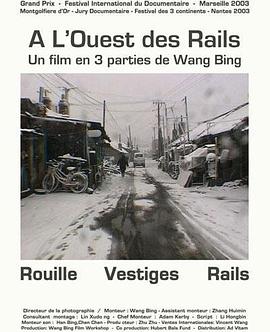
Tie Xi Qu:West of the Tracks-Part 3:Rails (2003) Douban
director:
王兵
other title:
铁西区第三部分:铁路
/
铁西区第三部分: 铁路
《铁路》长不足两个小时,主要片段是大段的火车穿越铁西区的空镜,穿过一个个工厂,穿过道路,大雪飞扬或烈日炎炎。铁路边的货场住着一对相濡以沫的父子。
盗火者:中国教育改革调查 (2013) Douban
盜火者:中國教育改革調查
director:
邓康延
actor:
叶开
/
周国平
…
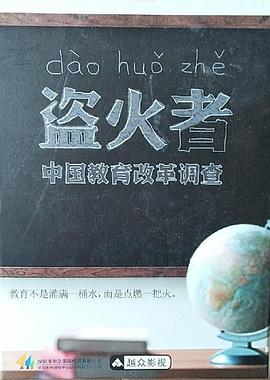
2013年9月9日至9月13日,十集电视纪录片《盗火者:中国教育改革调查》将在凤凰卫视中文台《凤凰大视野》首播(1-5集),播出时间为周一到周五每晚20:00。本片由深圳越众影视公司、深圳市越众投资控股股份有限公司制作出品,深圳市宣传文化事业发展专项基金支持。凤凰卫视首播之后,本片随后将登陆中国教育电视台、重庆卫视等电视频道。
具体播出安排:
凤凰卫视中文台《凤凰大视野》
9月9日(周一)晚20:00 《重回人的语文》
9月10日(周二)晚20:00 《天梯》
9月11日(周三)晚20:00 《守望乡村》
9月12日(周四)晚20:00 《大学 大学》
9月13日(周五)晚20:00 《公民》
第二天下午16:30重播
第一集:《重回人的语文》
什么是语文?它不该是枯燥得让人想烧掉的课本,也不是考卷上的标准答案。语文是语言背后的思想和灵魂,它教会人如何成为一个大写的“人”。然而,今天的语文课,质量已经岌岌可危——
在上海,《收获》杂志主编叶开发现,女儿正在成为垃圾教材和病态课堂的受害者,他奋笔疾书,决心以一己之力《对抗语文》;在江浙,20多位一线教师自动集结,他们致力于给小学语文课本“挑错”、“找茬”,并自觉探索“现代公民理念下的语文教育”;在民间,学者们回到民国,向老课本汲取言语的力量和人性之美……
种种努力,都是为了恢复语文的本义——人的语文。
第二集:《寻找马小平老师》
2012年1月16日,深圳中学语文教师马小平因患脑癌去世,北大教授钱理群惋叹:马小平是他所识教师中“最具世界眼光”、“可以称得上教育家的人”;
同年,官方组织的“寻找最美乡村女教师”活动在央视高调飘红,与此同时,由民间发起的“寻找活着的马小平”却在教育界引发了更深刻的感动。有评论说,“两种不同价值取向的寻找,耐人寻味”;
马小平是谁?一个普通中学教师如何燃烧生命,照亮了他的人文讲堂?摄制组依次走过湘潭、东莞和深圳,学生、同事、朋友、女儿……众人动情的讲述中,马小平的形象渐次丰满,我们最终发现,他,正是我们时代所需要的师者。
马小平走了,“活着的马小平们”正在走来,他们将带着我们的孩子找回人的尊严,找回教育的尊严……
第三集:《呵护童年》
法国教育家卢梭说:大自然希望儿童在成人之前,就要像儿童的样子。
华德福,一种源自德国的教育,一种为生活做准备的教育——没有作业,没有考试,它是学园、花园、菜园和家园,它“呵护孩子完整的童年”。
九月,开学的季节,陪伴两个被体制教育折磨得疲惫不堪的孩子,杭州独立教师郭初阳走进成都华德福学校,为期一周的“试读”和“陪读”,孩子们将体验主流教育之外的另一种童年;而郭初阳,这个现行教育体制的质疑者,将为我们解读华德福教育的种种细节,并探寻它与主流教育接轨的可能性。
孩子们是否会选择华德福?家长的选择又会是什么?无论结局如何,“还孩子一个美好童年”的命题,已经无可回避。
第四集:《天梯》
一代一代的中国人笃信:知识改变命运。然而今天,寒门子弟藉以改换门庭的那道阶梯,正在发出断裂的声音——
他们,是5800万留守儿童和农民工子弟;他们,是挣扎在贫困线上的800万山乡孩子;在垄断了优质教育资源的超级小学、超级中学的大门外,他们逐年流失,转而出现在田间地头,或者打工者拥挤的列车上;他们,是游走在城市边缘的蚁族群落,空有一张大学文凭,却既无力“拼爹”,又没能掌握起码的谋生技能……
究竟是什么,让寒门学子的人生道路越走越狭窄?
国家的转型在加剧,而个体命运的转型,却似乎陷入了停顿。教育资源的不平等,已成为中国社会不能承受之殇……
第五集:《守望乡村》
乡村是每一个中国人的根。改变乡村落后的基础教育,恢复乡村文化生态,需要民间力量具体而微、坚韧不拔的长期介入——
在晏阳初的故乡,立人乡村图书馆在一所普通的乡镇中学扎下根来;在陶行知的故里,德胜鲁班木工学校向农家子弟敞开怀抱……他们不约而同地践行着陶行知、晏阳初们的信条:授人以鱼,不如授人以渔。
眼下,他们能够改变的,或许只是一个孩子,一所学校,一个乡村;但是,他们不约而同地相信,欲温暖世界,必先擦亮一根火柴。
守望乡村,让穷孩子也能仰望星空。
第六集:《大学 大学》
英国教育家怀德海说:在中学阶段,学生应该伏案学习;在大学,他该站起来,四面张望。
2005年,诗人王小妮以一名大学教师的身份走上讲台,在那些年轻的面孔上,她读到的是困惑、迷茫、贫乏、冷漠……12年的应试教育把他们压成了扁平状,他们缺乏常识、自私、现实,对周围世界漠不关心;严峻的就业形势压抑了他们的梦想,他们无力“站立”,更谈不上“四面张望”……
刘道玉、钱理群、陈丹青、张鸣、周孝政、熊丙奇……大学里的智识之士纷纷诉说体制之痛:官本位、学术腐败、钱权横行……,积习与流弊的漩涡中,人文精神消失殆尽。
拿什么拯救你,我的大学?!
第七集:《在路上》
上世纪八十年代,樱花盛开的武汉大学,最早释放出中国高教变革的积极信号——学分制、双学位、贷学金……一系列闪动着人文、人性光辉的改革举措,让刘道玉赢得了“武大的蔡元培”的美誉;
时隔20年,在举步维艰的泥潭中,中国高教改革的探索者再次出发了——
2012年9月,修成正果的南方科技大学正式开学了——当理想遭遇现实,朱清时,这个理想主义的校长能否将他领军的“去行政化”改革进行到底?被打上“试验”标签的莘莘学子们,如何开始他们全然不同的大学生活?
珠海联合国际学院,一所潜水七年的“内地与香港合办大学”近日浮出水面,许嘉璐评价说:“UIC已经跃升为清华、北大级的大学”;校长负责制、教授治校、全英文教学、浸会大学的文凭……“洋大学”的冲击波,能否对内地高校产生“鲇鱼效应,”倒逼国内的高校体制改革?
第八集:《课堂风暴》
没有讲台,老师“靠边站”,学生三五成群簇拥在黑板前,边写边讨论,教室门洞开,参观者络绎不绝——偏居鲁西南乡村的杜郎口中学,一度因教学质量太差险些关门,如今却以独特的“学生自主课堂”闻名教育界。
专家评论说:“杜郎口模式”是课堂模式的革命性变革,是素质教育的希望之路;质疑的声音说:杜郎口并未摆脱“应试”的窠臼。
在民间,“第一线教育研究小组”宣称要“点燃思想的课堂”,在各自的教室里,一线教师们掀起了一场不同于杜郎口的学习的革命;
体制并非铁板一块,或许,此起彼伏的课堂风暴,将为中国教育吹出一片明朗的天空。
第九集:《在家上学》
面对教育的现实困境,有人迎战,有人妥协,有人则选择逃离。
有这样一群孩子,他们无需去学校,客厅是他们的教室,父母是他们的老师,他们自主安排时间和课程,他们中的大部分,不打算参加国家统一的中考和高考;而在现代版的私塾,“中西合璧”的教育正在打造着另一批孩子,私塾的开创者,多半是“在家上学”的成功者,他们认为,他们的成功可以复制。
支持者说:在家上学有利于个性培养;反对者说:孩子需要朋友,独自在家无法实现“社会化”;有关部门说:在家上学违反教育法;教育专家说:社会应让在家上学合法化……
无论如何,在民间,形形色色的新教育正在生长。它们的未来,或许远比我们所能理解的更丰富,更深远……
第十集:《公民》
美国现代公共教育运动之父霍拉斯曼说:建共和国易,造就共和国公民难;有识之士指出:缺乏公民意识,是中国与先进国家最大的差距。
在西方主流社会,公民课程已经运行了几百年;在中国,1949年之后,公民教育戛然而止。
2012年,在深圳,央校校长李庆明突然被“下课”,他在央校的公民教育实践,吸引了舆论的眼球,也让他备受争议;在南京,律师崔武走进校园,以一只苹果为道具,向小学生们诠释“公民”的内涵;在上海,复旦大学研究生吴恒利用互联网,一次一次向公众演绎着“公民责任”的空间……
公民教育,何时堂而皇之地走进中国的中小学校?
具体播出安排:
凤凰卫视中文台《凤凰大视野》
9月9日(周一)晚20:00 《重回人的语文》
9月10日(周二)晚20:00 《天梯》
9月11日(周三)晚20:00 《守望乡村》
9月12日(周四)晚20:00 《大学 大学》
9月13日(周五)晚20:00 《公民》
第二天下午16:30重播
第一集:《重回人的语文》
什么是语文?它不该是枯燥得让人想烧掉的课本,也不是考卷上的标准答案。语文是语言背后的思想和灵魂,它教会人如何成为一个大写的“人”。然而,今天的语文课,质量已经岌岌可危——
在上海,《收获》杂志主编叶开发现,女儿正在成为垃圾教材和病态课堂的受害者,他奋笔疾书,决心以一己之力《对抗语文》;在江浙,20多位一线教师自动集结,他们致力于给小学语文课本“挑错”、“找茬”,并自觉探索“现代公民理念下的语文教育”;在民间,学者们回到民国,向老课本汲取言语的力量和人性之美……
种种努力,都是为了恢复语文的本义——人的语文。
第二集:《寻找马小平老师》
2012年1月16日,深圳中学语文教师马小平因患脑癌去世,北大教授钱理群惋叹:马小平是他所识教师中“最具世界眼光”、“可以称得上教育家的人”;
同年,官方组织的“寻找最美乡村女教师”活动在央视高调飘红,与此同时,由民间发起的“寻找活着的马小平”却在教育界引发了更深刻的感动。有评论说,“两种不同价值取向的寻找,耐人寻味”;
马小平是谁?一个普通中学教师如何燃烧生命,照亮了他的人文讲堂?摄制组依次走过湘潭、东莞和深圳,学生、同事、朋友、女儿……众人动情的讲述中,马小平的形象渐次丰满,我们最终发现,他,正是我们时代所需要的师者。
马小平走了,“活着的马小平们”正在走来,他们将带着我们的孩子找回人的尊严,找回教育的尊严……
第三集:《呵护童年》
法国教育家卢梭说:大自然希望儿童在成人之前,就要像儿童的样子。
华德福,一种源自德国的教育,一种为生活做准备的教育——没有作业,没有考试,它是学园、花园、菜园和家园,它“呵护孩子完整的童年”。
九月,开学的季节,陪伴两个被体制教育折磨得疲惫不堪的孩子,杭州独立教师郭初阳走进成都华德福学校,为期一周的“试读”和“陪读”,孩子们将体验主流教育之外的另一种童年;而郭初阳,这个现行教育体制的质疑者,将为我们解读华德福教育的种种细节,并探寻它与主流教育接轨的可能性。
孩子们是否会选择华德福?家长的选择又会是什么?无论结局如何,“还孩子一个美好童年”的命题,已经无可回避。
第四集:《天梯》
一代一代的中国人笃信:知识改变命运。然而今天,寒门子弟藉以改换门庭的那道阶梯,正在发出断裂的声音——
他们,是5800万留守儿童和农民工子弟;他们,是挣扎在贫困线上的800万山乡孩子;在垄断了优质教育资源的超级小学、超级中学的大门外,他们逐年流失,转而出现在田间地头,或者打工者拥挤的列车上;他们,是游走在城市边缘的蚁族群落,空有一张大学文凭,却既无力“拼爹”,又没能掌握起码的谋生技能……
究竟是什么,让寒门学子的人生道路越走越狭窄?
国家的转型在加剧,而个体命运的转型,却似乎陷入了停顿。教育资源的不平等,已成为中国社会不能承受之殇……
第五集:《守望乡村》
乡村是每一个中国人的根。改变乡村落后的基础教育,恢复乡村文化生态,需要民间力量具体而微、坚韧不拔的长期介入——
在晏阳初的故乡,立人乡村图书馆在一所普通的乡镇中学扎下根来;在陶行知的故里,德胜鲁班木工学校向农家子弟敞开怀抱……他们不约而同地践行着陶行知、晏阳初们的信条:授人以鱼,不如授人以渔。
眼下,他们能够改变的,或许只是一个孩子,一所学校,一个乡村;但是,他们不约而同地相信,欲温暖世界,必先擦亮一根火柴。
守望乡村,让穷孩子也能仰望星空。
第六集:《大学 大学》
英国教育家怀德海说:在中学阶段,学生应该伏案学习;在大学,他该站起来,四面张望。
2005年,诗人王小妮以一名大学教师的身份走上讲台,在那些年轻的面孔上,她读到的是困惑、迷茫、贫乏、冷漠……12年的应试教育把他们压成了扁平状,他们缺乏常识、自私、现实,对周围世界漠不关心;严峻的就业形势压抑了他们的梦想,他们无力“站立”,更谈不上“四面张望”……
刘道玉、钱理群、陈丹青、张鸣、周孝政、熊丙奇……大学里的智识之士纷纷诉说体制之痛:官本位、学术腐败、钱权横行……,积习与流弊的漩涡中,人文精神消失殆尽。
拿什么拯救你,我的大学?!
第七集:《在路上》
上世纪八十年代,樱花盛开的武汉大学,最早释放出中国高教变革的积极信号——学分制、双学位、贷学金……一系列闪动着人文、人性光辉的改革举措,让刘道玉赢得了“武大的蔡元培”的美誉;
时隔20年,在举步维艰的泥潭中,中国高教改革的探索者再次出发了——
2012年9月,修成正果的南方科技大学正式开学了——当理想遭遇现实,朱清时,这个理想主义的校长能否将他领军的“去行政化”改革进行到底?被打上“试验”标签的莘莘学子们,如何开始他们全然不同的大学生活?
珠海联合国际学院,一所潜水七年的“内地与香港合办大学”近日浮出水面,许嘉璐评价说:“UIC已经跃升为清华、北大级的大学”;校长负责制、教授治校、全英文教学、浸会大学的文凭……“洋大学”的冲击波,能否对内地高校产生“鲇鱼效应,”倒逼国内的高校体制改革?
第八集:《课堂风暴》
没有讲台,老师“靠边站”,学生三五成群簇拥在黑板前,边写边讨论,教室门洞开,参观者络绎不绝——偏居鲁西南乡村的杜郎口中学,一度因教学质量太差险些关门,如今却以独特的“学生自主课堂”闻名教育界。
专家评论说:“杜郎口模式”是课堂模式的革命性变革,是素质教育的希望之路;质疑的声音说:杜郎口并未摆脱“应试”的窠臼。
在民间,“第一线教育研究小组”宣称要“点燃思想的课堂”,在各自的教室里,一线教师们掀起了一场不同于杜郎口的学习的革命;
体制并非铁板一块,或许,此起彼伏的课堂风暴,将为中国教育吹出一片明朗的天空。
第九集:《在家上学》
面对教育的现实困境,有人迎战,有人妥协,有人则选择逃离。
有这样一群孩子,他们无需去学校,客厅是他们的教室,父母是他们的老师,他们自主安排时间和课程,他们中的大部分,不打算参加国家统一的中考和高考;而在现代版的私塾,“中西合璧”的教育正在打造着另一批孩子,私塾的开创者,多半是“在家上学”的成功者,他们认为,他们的成功可以复制。
支持者说:在家上学有利于个性培养;反对者说:孩子需要朋友,独自在家无法实现“社会化”;有关部门说:在家上学违反教育法;教育专家说:社会应让在家上学合法化……
无论如何,在民间,形形色色的新教育正在生长。它们的未来,或许远比我们所能理解的更丰富,更深远……
第十集:《公民》
美国现代公共教育运动之父霍拉斯曼说:建共和国易,造就共和国公民难;有识之士指出:缺乏公民意识,是中国与先进国家最大的差距。
在西方主流社会,公民课程已经运行了几百年;在中国,1949年之后,公民教育戛然而止。
2012年,在深圳,央校校长李庆明突然被“下课”,他在央校的公民教育实践,吸引了舆论的眼球,也让他备受争议;在南京,律师崔武走进校园,以一只苹果为道具,向小学生们诠释“公民”的内涵;在上海,复旦大学研究生吴恒利用互联网,一次一次向公众演绎着“公民责任”的空间……
公民教育,何时堂而皇之地走进中国的中小学校?
The Ninth Grade (2014) Douban
director:
蒋能杰
actor:
向永红
/
范清华
…
other title:
初三
本片荣获首届留守与儿童国际电影节 最佳纪录片,并被香港中文大学 永久收藏。
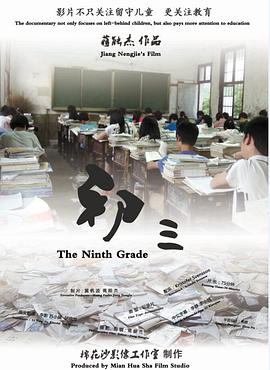
本片以湖南省一群备战中考的重点班孩子展开讲述。他们中大部分是留守儿童,读书 成为摆脱自身命运的唯一出路。但处于青春期的他们,面对繁重的功课、备考的压力、资金的不足以及家庭的教育的缺失站在了人生的十字路口上......
Junior Th ree is the last part of the Homewood Trilogy directed by Jiang Nengjie. It is about the students who are preparing for the Senior High School Entrance Examination in Hunan. The most of them are unattended children, studying is the only way for them to lift themselves from destiny. However, facing the heavy study work, tremendous pressure, fund shortage and the absence of family education, they are in a dilemma.
本片以湖南省一群备战中考的重点班孩子展开讲述。他们中大部分是留守儿童,读书 成为摆脱自身命运的唯一出路。但处于青春期的他们,面对繁重的功课、备考的压力、资金的不足以及家庭的教育的缺失站在了人生的十字路口上......
Junior Th ree is the last part of the Homewood Trilogy directed by Jiang Nengjie. It is about the students who are preparing for the Senior High School Entrance Examination in Hunan. The most of them are unattended children, studying is the only way for them to lift themselves from destiny. However, facing the heavy study work, tremendous pressure, fund shortage and the absence of family education, they are in a dilemma.