法国


The Amazing Baby Experience (2016)
The Amazing Baby Experience Douban
other title:
跟着宝宝去旅行
/
1 an dans la peau d'un bébé
…
What is it like to experience the incredible journey that takes place during the baby’s 1st year? The baby himself tells you his story and shares his emotions, excitement and surprises that emerge from the daily life of a real family. Through rigorous scientific investigations, we will discover what takes place during the development of an infant. Thanks to the pioneering camerawork, we will actually witness the development of the baby....
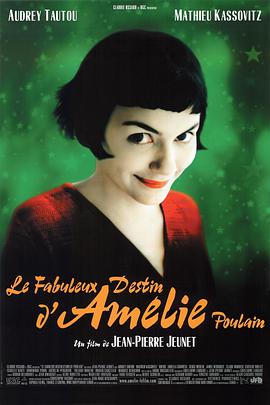
Amélie (2001)
Le fabuleux destin d'Amélie Poulain WikiData IMDb TMDB Douban Eggplant.place Min reol Skybridge +4
让-皮埃尔·热内 Jean-Pierre Jeunet
actor:
奥黛丽·塔图
/
马蒂厄·卡索维茨
…
other title:
Il favoloso mondo di Amélie
/
Den fabelagtige Amélie fra Montmartre
…
At a tiny Parisian café, the adorable yet painfully shy Amélie accidentally discovers a gift for helping others. Soon Amelie is spending her days as a matchmaker, guardian angel, and all-around do-gooder. But when she bumps into a handsome stranger, will she find the courage to become the star of her very own love story?
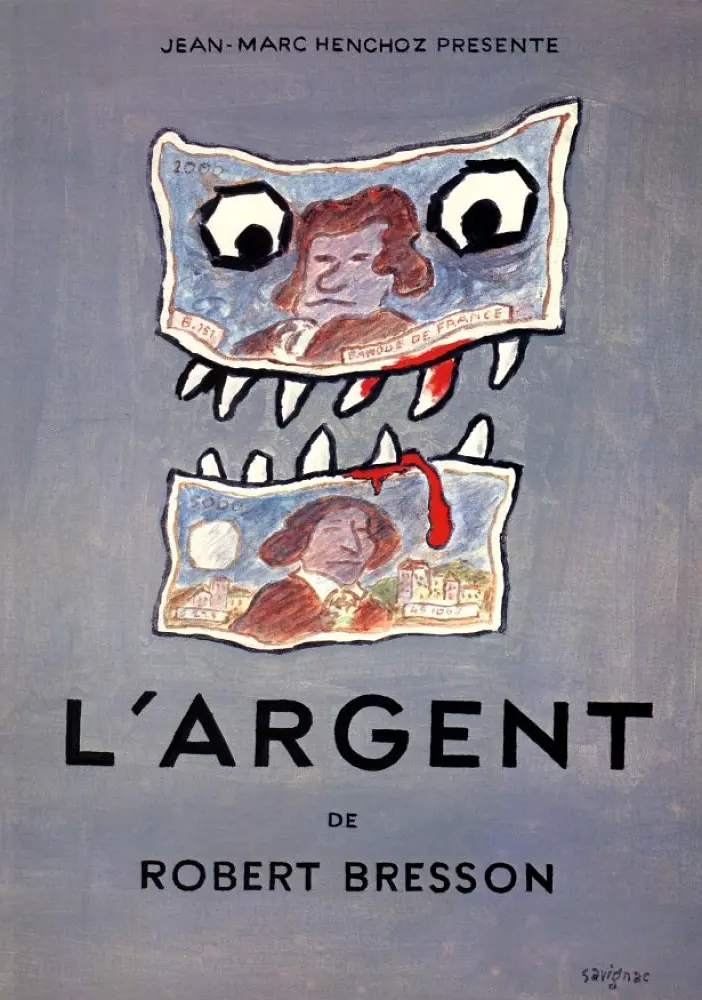
Money (1983)
L'argent WikiData IMDb TMDB Douban
罗伯特·布列松
actor:
Christian Patey
/
Vincent Risterucci
…
other title:
钱
/
L'argent
…
1983 film by Robert Bresson
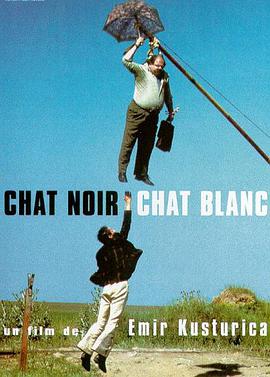
Black Cat, White Cat (1998)
Црна мачка, бели мачор WikiData IMDb TMDB Douban Eggplant.place Fantastika +3
other title:
Gatto nero, gatto bianco
/
Crna mačka, beli mačor
…
Matko is a small time hustler, living by the Danube with his 17-year-old son Zare. After a failed business deal he owes money to the much more successful gangster Dadan. Dadan has a sister, Afrodita, that he desperately wants to see get married so they strike a deal: Zare is to marry her.
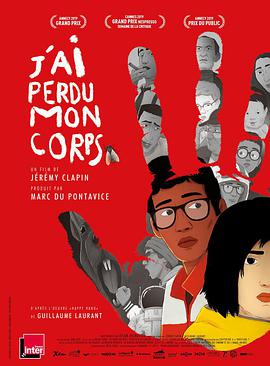
I Lost My Body (2019)
J'ai perdu mon corps WikiData IMDb TMDB Douban Bangumi +2
杰赫米·克拉潘
actor:
维克图瓦尔·杜布瓦
/
帕特里克·德阿萨姆曹
…
other title:
我失去了身体
/
J'ai perdu mon corps
…
2019 film by Jérémy Clapin
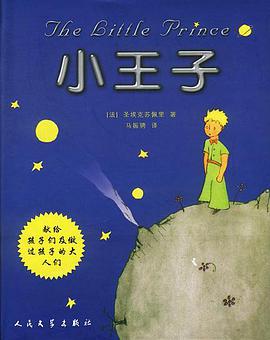
小王子
Le Petit Prince Douban Goodreads Eggplant.place
[法国] 安东尼·德·圣-埃克苏佩里
translator:
马振聘
publishing house:
人民文学出版社
2003
- 8
小王子是一个超凡脱俗的仙童,他住在一颗只比他大一丁点儿的小行星上。陪伴他的是一朵他非常喜爱的小玫瑰花。但玫瑰花的虚荣心伤害了小王子对她的感情。小王子告别小行星,开始了遨游太空的旅行。他先后访问了六个行星,各种见闻使他陷入忧伤,他感到大人们荒唐可笑、太不正常。只有在其中一个点灯人的星球上,小王子才找到一个可以作为朋友的人。但点灯人的天地又十分狭小,除了点灯人他自己,不能容下第二个人。在地理学家的指点下,孤单的小王子来到人类居住的地球。
小王子发现人类缺乏想象力,只知像鹦鹉那样重复别人讲过的话。小王子这时越来越思念自己星球上的那枝小玫瑰。后来,小王子遇到一只小狐狸,小王子用耐心征服了小狐狸,与它结成了亲密的朋友。小狐狸把自己心中的秘密——肉眼看不见事务的本质,只有用心灵才能洞察一切——作为礼物,送给小王子。用这个秘密,小王子在撒哈拉大沙漠与遇险的飞行员一起找到了生命的泉水。最后,小王子在蛇的帮助下离开地球,重新回到他的B612号小行星上。
童话描写小王子没有被成人那骗人的世界所征服,而最终找到自己的理想。这理想就是连结宇宙万物的爱,而这种爱又是世间所缺少的。因此,小王子常常流露出一种伤感的情绪。作者圣埃克絮佩里在献辞中说:这本书是献给长成了大人的从前那个孩子。
《小王子》不仅赢得了儿童读者,也为成年人所喜爱,作品凝练的语言渗透了作者对人类及人类文明深邃的思索。它所表现出的讽刺与幻想,真情与哲理,使之成为法国乃至世界上最为著名的一部童话小说。
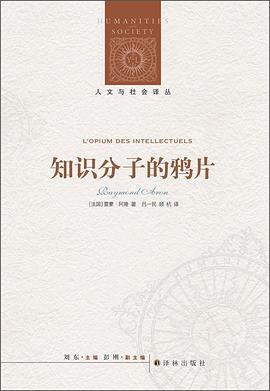
知识分子的鸦片
L'Opium des intellectuels Douban Goodreads
[法国] 雷蒙·阿隆
translator:
吕一民
/
顾杭
publishing house:
译林出版社
2012
- 6
《 知识分子的鸦片》一书是雷蒙·阿隆在冷战初期,针对当时法国特别是法国知识界的情况而作的一本法国人反思法兰西病的著作。在 《 知识分子的鸦片》一书中,作者对偏爱走极端的法国知识分子本身进行了剖析和批判,是研究法国现代思想史的重要参考资料,也是知识社会学的名著。在许多情况下,深刻的思想往往采取片面的姿态,左派的作品是这样,右派的作品也是如此。所以,即使在时过几十年之后,我们再来阅读阿隆的这部著作,仍会为其间的清醒与尖利惊叹。
" 没有雷蒙•阿隆,世界将感到更孤单,而且更空虚。——亨利•基辛格
《知识分子的鸦片》是20世纪最有开创性的书之一,是对研究知识分子的“虚妄”这一主题最有价值的贡献之一。本书出了要让知识分子们回归平凡务实的正道,也希望能让他们免于在智识方面的混乱不清,正是这种混乱不清造成了许多智识上的“怪胎”。——罗杰•金巴尔"
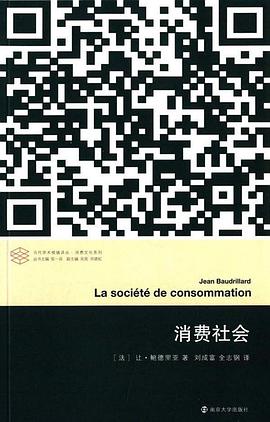
消费社会
Douban
[法国] 让·鲍德里亚
translator:
刘成富
/
全志钢
publishing house:
南京大学出版社
2014
- 10
本书围绕消费这个中心对包括美国在内的西方社会进行了详尽而深刻的剖析,向人们揭示了大型技术统治集团是如何引起不可遏制的消费欲望,并在此基础上对阶级社会里的各个阶层重新进行了划分。 消费是用某种编码及某种与此编码相适应的竞争性合作的无意识纪律来驯化他们;这不是通过取消便利,而是相反让他们进入游戏规则。这样,消费才能只身取代一切意识形态,并同时只身担负起整个社会的一体化,就像原始社会的等级或宗教礼仪所做到的那样。 --让·鲍德里亚 如果说,《物体系》一书的重点为揭露当今世界存在的功能性有序结构,那还是一个形而上学的本体论命题;而《消费社会》则试图走进形下的经济生活中发现一种新的支配和奴役关系:消费者与物的关系竟然不再是人与物品的使用功能之间的关系,它已经转变为人与作为“全套的物”的有序消费对象的被强暴关系了。这是一个无限的消费意义链环和强制性系列。以我的理解,这正是今天市场经济的消费结构中生成的欺骗性的伪欲望场境。消费场中,人是被一个看不见的铭记凸状锁链捆住并强迫消费的。需要指出的是,此处的强制性并不是外在的可感的东西,而是消费中的诱奸!因为,这种强制性的实施恰恰是通过一种被幻象引诱中的自愿。


西方的妄想
Le délire occidental et ses effets actuels dans la vie quotidienne: travail, loisir, amour Douban
(法) 达尼-罗伯特·迪富尔
translator:
赵飒
publishing house:
中信出版社
2017
- 2
“西方的妄想”源自笛卡儿理性的基石:人类妄图凭借幻想从世界之中挣脱出来,成为自然的主人和占有者,继而统治一切。自那时起,人类命运转向了疯狂的进步主义和生产至上主义,直至今天对技术的盲目崇拜。这种不可持续的“欧洲模式”不但破坏了自然环境的平衡,还深刻地异化了个人生活的三个关键方面——工作、休闲与爱情:
支配劳动关系的时钟模式已升级为控制模式,控制系统通过不断追求更高产量和满足不断攀升的金钱欲望向现代奴隶们许诺幸福和梦想;
资本家们欣喜地发现发展“休闲产业”可以获得巨大的利润,大众则在民主的名义下“消费”掉自由时间并沉溺于瘟疫般的娱乐以及被制造出来的需求;
性资本把自由和免费的色情转变成高利润的淫秽制品,民主则鼓励个体走向这样一种挑战自然的命运——性别不由人,性身份却可以自由选择;爱无能,欲无限,享乐至上!

疯癫与文明
Folie et Déraison: Histoire de la folie à l'âge classique Douban Goodreads
[法] 米歇尔·福柯
translator:
刘北成
/
杨远婴
publishing house:
生活·读书·新知三联书店
2003
- 1
other title:
疯癫与文明
Madness & Civilization: A History of Insanity in the Age of Reason, by Michel Foucault, is an examination of the ideas, practices, institutions, art & literature relating to madness in Western history. It's an abridged English edition of Histoire de la folie à l'âge classique, originally published in 1961 as Folie et déraison. Histoire de la folie à l'âge classique. A full translation, The History of Madness, was published by Routledge in 6/2006. This was his 1st major book, written while Director of the Maison de France in Sweden.
This history begins in the Middle Ages, noting the social & physical exclusion of lepers. It argues that with the gradual disappearance of leprosy, madness came to occupy this excluded position. The ship of fools in the 15th century is a literary version of one such exclusionary practice, the practice of sending mad people away in boats. However, during the Renaissance, madness was regarded as a common phenomenon because humans couldn't attain Divine Reason. As Cervantes' Don Quixote, all humans are weak to desires & dissimulation. Therefore, the insane, understood as those who had come too close to God's Reason, were accepted in the middle of society. It isn't before the 17th century, in a movement famously called the Great Confinement, that unreasonable people systematically were institutionalized. In the 18th century, the mad came to be seen as having lost what made them human & become animalistic & treated as such. It isn't before 19th century that madness was regarded as an illness to be cured.
Foucault wasn't talking about medical institutions designed specifically for the insane but about the creation of houses of confinement for social outsiders, including not only the insane but also vagrants, the poor & orphans, & what effect those houses of confinement had on the insane & perceptions of madness in the West. He demonstrates that while confinement of social outcastes was a generally European phenomenon, it had a unique development in France & distinct developments in other countries such as Germany & England.
Foucault also argues that madness during the Renaissance had the power to signify the limits of social order & to point to a deeper truth. This was silenced by Enlightened Reason. He also examines the rise of modern scientific & humanitarian treatment of the insane, notably at the hands of Philippe Pinel & Samuel Tuke. He claims these modern treatments were no less controlling than previous methods. Tuke's country retreat for the mad consisted of punishing them until they gave up their commitment to madness. Similarly, Pinel's treatment of the mad amounted to an extended aversion therapy, including such treatments as cold showers & straitjackets. This treatment amounted to repeated brutality until the pattern of judgment & punishment was internalized by the patient.