小津安二郎
导演小津安二郎
監督 小津安二郎 Douban
[日本] 莲实重彦 translator: 周以量 publishing house: 中信出版社 2012 - 4
构成小津电影魅力的真正原因是什么?这部划时代的著作将人们的目光从固有的小津风格的神话中解放出来,使小津在当下复活。以小津诞生百年为契机,作者增写了三章的内容。本书还收录了作者与著名摄影师厚田雄春和《美人哀愁》的女主角井上雪子的访谈等其他资料。
Ozu
Douban
Donald Richie publishing house: University of California Press 1977 - 3
Read
Sept. 14, 2021
电影课作业,看了intro部分。日本电影研究先驱。优美顺畅。Richie说,尽管看起来重复,Ozu电影的一个核心是关于离家,关于人与人之间的期望与失望。如此就决定了他片中淡淡的忧伤基调吧,人与人之间的期望,毕竟总是要落空的。但是日本人看清了这一切,就反而赞美世事的无常和丰盈,所以ozu的作品,就是哀而不伤。电影真好,能把生死、离别这样重大的事情看得透彻,也削弱它的忧伤。
小津安二郎 电影 日本 电影研究
小津
Douban
★ 8.7 14 ratings
[美] 唐纳德·里奇 translator: 连城 publishing house: 上海译文出版社 2009 - 4
这本书是西方首部系统研究和介绍小津安二郎电影艺术的专著,也是著名日本电影专家唐纳德·里奇的代表作。里奇通过对小津电影的主题、编剧、拍摄、剪接之深入分析,窥探其电影文法与美学风格,并以此展现了蕴藏在小津作品中的日本历史、社会及文化意涵。
Read
Sept. 14, 2021
看了intro,发现了一些问题,比如小津电影的重复性,但是解释得不太到位。第一代关注日本电影的西方学者。
小津安二郎 电影 日本
Tokyo Story (1953)
東京物語
★ 9.2 808 ratings
other title: Viaggio a Tokyo / Viagem a Tóquio …
The elderly Shukishi and his wife, Tomi, take the long journey from their small seaside village to visit their adult children in Tokyo. Their elder son, Koichi, a doctor, and their daughter, Shige, a hairdresser, don't have much time to spend with their aged parents, and so it falls to Noriko, the widow of their younger son who was killed in the war, to keep her in-laws company.
Watched
Sept. 13, 2021
结尾看得哭死了,影片最妙的是没有对任何立场展开批评,人性都是复杂和无奈的,哪怕纪子也会渐渐忘记亡夫、害怕寂寞。我自己也像京子一样,过了很久才明白和接受,“只是每个人都最重视自己的人生”。迫不及待地想去看ozu的相关论文了
日本电影 家庭 亲情 小津安二郎 经典
Good Morning (1959)
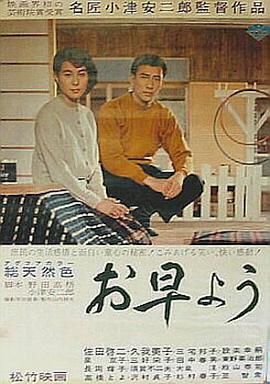
お早よう
★ 8.7 155 ratings
other title: Buon giorno / お早よう …
A lighthearted take on director Yasujiro Ozu’s perennial theme of the challenges of inter­generational relationships, Good Morning tells the story of two young boys who stop speaking in protest after their parents refuse to buy a television set. Ozu weaves a wealth of subtle gags through a family portrait as rich as those of his dramatic films, mocking the foibles of the adult world through the eyes of his child protagonists. Shot in stunning color and set in a suburb of Tokyo where housewives gossip about the neighbors’ new washing machine and unemployed husbands look for work as door-to-door salesmen, this charming comedy refashions Ozu’s own silent classic I Was Born, But . . . to gently satirize consumerism in postwar Japan.
Watched
Sept. 11, 2021
成年人不理解少年心思的单纯,就像少年不了解大人心思的复杂。结尾,男女主人公在车站不断地重复着一大堆诸如早安、天气真好一类的废话,呼应了姐姐前面说的男主不敢表达真正想法的预判。“早安”既是人们寒暄客套的礼节,也是掩藏心事的托辞,是小朋友不屑的废话,也是维护邻里之间表面和谐的遮羞布,串联起种种日常的琐碎、快乐、与无奈。
文艺 早安 日本 喜剧 日本电影