经济史

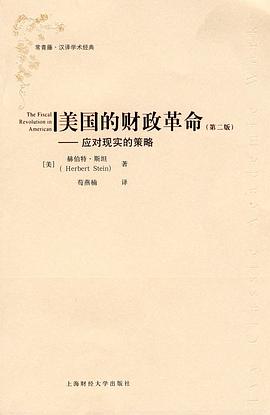
美国的财政革命
Douban
[美]赫伯特·斯坦(Herbert Stein)
translator:
苟燕楠
publishing house:
上海财经大学出版社
2010
- 1
《美国的财政革命:应对现实的策略(第2版)》关于美国财政政策变迁的书,是一本关于美国经济基础和政治结构变迁的书,也是一本关于美国治国理念和思想兴衰浮沉的书。斯坦展现的是一幅错综复杂的现实画卷,财政管理和财政政策不只是某个思想家的理性建构,不只是某个政要的主观意愿,不只是某个党派的政治方略,不只是某个团体的利己行动,不只是广大公众的利益诉求,不只是对经济形势的机械反应,而是上述所有各方面的综合。书中既有对具体人物和事件细致入微的描述,也有对宏观趋势清晰明确的勾画。斯坦从美国财政管理和财政政策的变迁过程中提炼出若干基本问题和基本模式,对它们的深入分析则在最大限度上探讨了财政管理和财政政策的可能性和现实性。
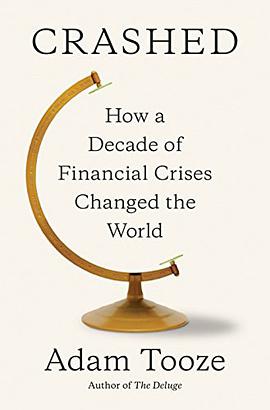
Crashed
Douban Goodreads Skybridge
Adam Tooze
publishing house:
Allen Lane
2018
- 8
other title:
Crashed: How a Decade of Financial Crises Changed the World
From a prizewinning economic historian, an eye-opening reinterpretation of the 2008 economic crisis (and its ten-year aftermath) as a global event that directly led to the shockwaves being felt around the world today.
In September 2008 President George Bush could still describe the financial crisis as an incident local to Wall Street. In fact it was a dramatic caesura of global significance that spiraled around the world, from the financial markets of the UK and Europe to the factories and dockyards of Asia, the Middle East, and Latin America, forcing a rearrangement of global governance. In the United States and Europe, it caused a fundamental reconsideration of capitalist democracy, eventually leading to the war in the Ukraine, the chaos of Greece, Brexit, and Trump.
It was the greatest crisis to have struck Western societies since the end of the Cold War, but was it inevitable? And is it over? Crashed is a dramatic new narrative resting on original themes: the haphazard nature of economic development and the erratic path of debt around the world; the unseen way individual countries and regions are linked together in deeply unequal relationships through financial interdependence, investment, politics, and force; the ways the financial crisis interacted with the spectacular rise of social media, the crisis of middle-class America, the rise of China, and global struggles over fossil fuels.
Finally, Tooze asks, given this history, what now are the prospects for a liberal, stable, and coherent world order?