krautrock
Faust IV
Douban
Faust
genre:
Rock
release date 1993-01-01
publisher:
Blue Plate Caroline
Faust IV is the fourth studio album by the German krautrock group Faust, released in 1973. The album is included in the book 1001 Albums You Must Hear Before You Die, where it is referred to as a "krautrock classic".[4] This was the last album by the first incarnation of the band, they returned in 1994 with the release of Rien featuring a different line-up.
Future Days
Douban
Can
release date 2008-04-15
publisher:
Mute U.S.
2008 digitally remastered SACD hybrid reissue of the German avant garde/Krautrock act's album, originally released in 1973. Features sleeve notes, rare photos and reproductions of original artwork from long-deleted editions. Mute.
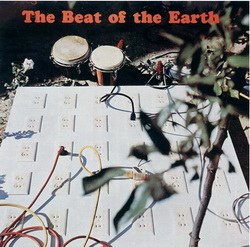
The Beat Of The Earth
Douban
The Beat Of The Earth
genre:
Rock
release date 1967-02-20
publisher:
Radish
Originally released as an LP by Radish 1967
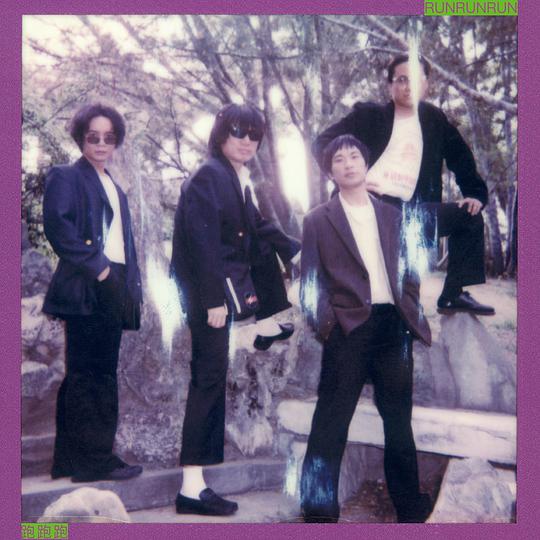
RUNRUNRUN
Douban
Run Run Run
genre:
Rock
release date 2020-10-20
publisher:
兵马司唱片
在柏拉图的「洞穴寓言」中,一堆火将万物的形迹投射在洞穴的岩壁上。被缚的面壁者们凝望着那些活动的影子,确信它们就是这个世界的真相。这是一种古老的仪式,一场奇异的电影——如果还需要配乐的话,就让「RUN RUN RUN」乐队为它作一次现场演奏吧:在摇曳的火光与潮湿的空气里,低音鼓与铃声被反复敲着,随山洞的空旷混响滞缓地铺开;一支吉他开始弹奏散漫邪幻的和弦,盘旋的旋律诱导着面壁者将眼睛与火合为一体。乐手的身形会不时被映照在岩壁上,他们的影子是低垂的。
沉默、潜行,这支乐队的存在一度曾比他们的音乐还要神秘。从2014年组建并签约兵马司唱片开始,「RUN RUN RUN」在很长一段时间里都难觅踪迹:很难说清他们是蛰伏在贵阳还是北京,以及除了吉他手窦朝以外又有哪些成员是确定的。直到5年后首作《HOON》的发行,一切似乎才变得清晰——小窦定居在了北方,先是和鼓手毛特组成了二人阵容,随后小文从乐队巡演经理转为合成器手,THE BEDSTARS乐队的赵凯也带着一本手记为他们加入了念白。在一年多半是聚众饮酒半是即兴排练的磨合后,这支乐队名字的意义似乎从对「地下丝绒」著名歌曲的致敬,回归到这个词语字面意义本身——跑,并且强调三次,并且成为他们第二张唱片的标题。《RUNRUNRUN》,一封写给洞穴的告别信,一则关于行进的宣言书。
冲出洞口的起跑以《引》开始。《HOON》中通篇离散飘忽的吉他,在这里被集结成规整的行进队列:行进,行进,沿着被强力低音轧出的路径,将西南中国的森林与湿气统统抛在了脑后。一路向北,影子会越来越暗淡,视野却愈发开阔光亮。在那里,习惯了洞穴微光的眼睛,或许会被《跑》中庆典般的旋律照射得晕眩,或许会在节奏暂歇时的电流与回授中稍作观望,但行进的脚步并不会拐进分岔小径去寻求「变化」的风景;当跳动的4/4鼓点再次响起,一切会被决绝地牵引向前,仿佛将无休无尽地去向永恒。
行进中,赵凯会摊开他的笔记本读上若干次。在《治爱丽丝》里,它们以一些由远及近却难以分辨的声音形态出现。朗读的口吻是笃定的,仿佛在宣告一些重大而不容置疑的事情。可是那些词句究竟在说什么?很难有人能解释清楚——在大部分时间里,它像一盘古旧模糊的垮掉派诗人街头宣讲录音带,抑或一次醉后本能般喷出的支离破碎的错乱言语。而此时关于洞穴的记忆似乎尚未远去:在《清道》中,它被合成器旋律再次唤起——仪式般的吟唱,飘渺迷离的回响弥散着来自街道车流的声音,幻觉与现实共舞,仿佛是「洞穴幻影」在行进中的一次回魂上身。行将出神之际,《电山》和《5G》骤然把所有游移的重新拽回Motorik规训的秩序中:脚步在连环往复的吉他节奏里越来越密集,间或的tambourine就像是行进者腰间撞击的钥匙。行进,继续行进。
就这样又跑出了很久,《逆行》的鼓机节奏与合成器不觉间铺满了路面。在和弦的延音里,在规整的击掌声中,那些与仪式或幻觉有关的事情似乎已恍若隔世。随后焦急的吉他和歌声出现了:它们在《余悸》中不安地涌动着,好像预示着什么行将发生。很快喧闹就在空气中弥漫开去,宣讲的声音从广播喇叭倾泻而出。强烈的和弦被前所未有地激扫,它与密集的RIDE敲击、闪耀的合成器旋律混合在一起,构成了名为《投机》的唱片结束曲,构成了在目力所及的终点到来前的最后一次欢庆。
炽热的气氛并没有持续太久。鼓声停了,一切渐渐消逝在电流的余波中。奔跑者的身影越过终点离开了视线,他们接下来要去的或许会是一个令我们都感到意外的地方。
Hijack
Douban
Amon Düül II
release date 2007-06-26
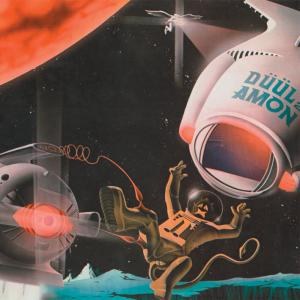
Reissue of the Krautrock pioneers' 1974 album originally released on Lollipop. Contains 32-page booklet with sleevenotes and lyrics in both English and German. Nine tracks including 'I Can't Wait', 'Traveller' and 'Explode Like A Star'. Garden Of Delights.
La Düsseldorf
Douban
La Düsseldorf
genre:
Rock
release date 1976-01-01
publisher:
Telefunken
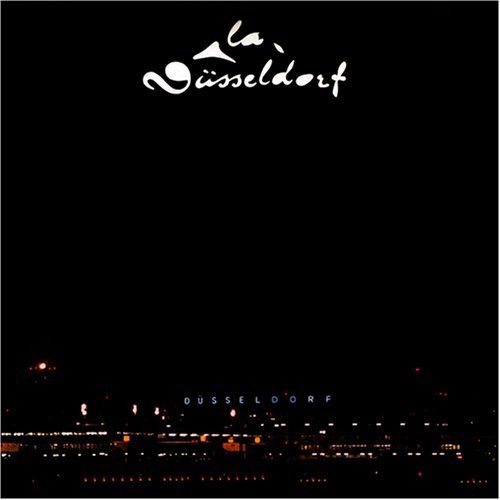
La Düsseldorf was a German band, consisting of onetime Kraftwerk drummer and Neu! multi-instrumentalist Klaus Dinger and occasional Neu! collaborators Thomas Dinger and Hans Lampe. La Düsseldorf was formed after Neu! disbanded following the release of their Neu! '75 record. They released a string of successful albums (with sales totaling over a million) during the late '70s and early '80s and were considered highly influential by the likes of Brian Eno and David Bowie, with Bowie going so far as calling La Düsseldorf "the soundtrack of the eighties".
Viva
Douban
La Düsseldorf
release date 1978-01-01
publisher:
Eastwest
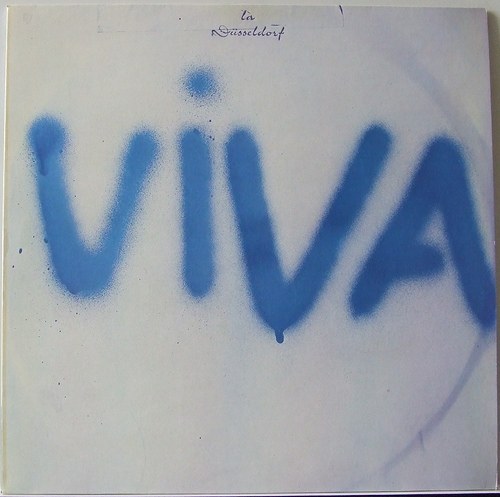
La Dusseldorf's Viva crystallized Klaus Dinger's progressive rock vision into a symphony of swirling guitars, rich keyboard melodies and driving percussive beats. The magnum opus "Cha, Cha 2000," will forever stand as one of the all-time anthems of futurist rock & roll. ~ Archie Patterson, All Music Guide
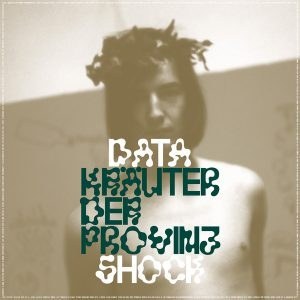
Kräuter der Provinz
Douban
Datashock
genre:
Rock
release date 2018-01-01
publisher:
Bureau B
Ambient、Avant-garde、Drone、Experimental、Krautrock
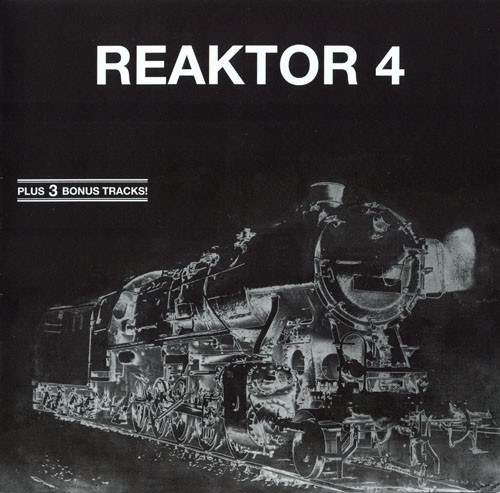
Pannschüppenczewski
Douban
Reaktor 4
genre:
Rock
release date 2017-01-01
publisher:
Garden Of Delights


Ege Bamyasi
Douban
Can
genre:
Rock
release date 2004-11-30
publisher:
Mute U.S.
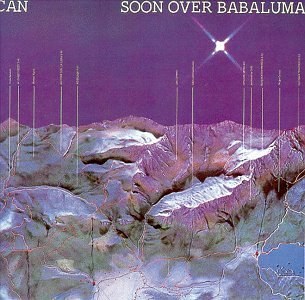
Ege Bamyası is the fourth studio album by the German experimental rock band Can which was originally released as an LP in 1972 by United Artists. The album contains the single "Spoon", which charted in the Top 10 in Germany, largely because of its use as the theme of a German TV thriller mini-series called "Das Messer" (The Knife). The success of the single allowed Can to move to a better studio in which they recorded Ege Bamyası. Ege Bamyası was remastered as a hybrid SACD in 2004 which includes a booklet with commentary on the album by former Melody Maker journalist David Stubbs, as well as previously unreleased photos of the band.

Tago Mago
Douban
Can
genre:
Rock
release date 1971-01-01
publisher:
Mute U.S.
Can was a German experimental rock band formed in Cologne, West Germany in 1968 by the core quartet of Holger Czukay (bass), Irmin Schmidt (keyboards), Michael Karoli (guitar), and Jaki Liebezeit (drums).
The group cycled through several vocalists, including Malcolm Mooney ('68ñ70) and Damo Suzuki ('70ñ73), as well as various temporary members. Drawing from backgrounds in the avant-garde and jazz, Can incorporated minimalist, electronic, and world music elements into their often psychedelic and funk-inflected music. They have been widely hailed as pioneers of the German krautrock scene.
The band used the names "Inner Space" and "The Can" before finally settling on "CAN". Liebezeit subsequently suggested the backronym "Communism, Anarchism, Nihilism" for the band's name. In mid-1968, the band enlisted the creative, highly rhythmic, but unstable and often confrontational American vocalist Malcolm Mooney, a New York-based sculptor, with whom they recorded the material for an album,Prepared to Meet Thy Pnoom.
The next few years saw Can release their most acclaimed works. While their earlier recordings tended to be at least loosely based on traditional song structures, on their mid-career albums the band reverted to an extremely fluid improvisational style.
The double album Tago Mago (1971) is often seen as a groundbreaking, influential and deeply unconventional record, based on intensely rhythmic jazz-inspired drumming, improvised guitar and keyboard soloing (frequently intertwining each other), tape edits as composition, and Suzuki's idiosyncratic vocalisms. Czukay: "(Tago Mago) was an attempt in achieving a mystery musical world from light to darkness and return."
The later albums Landed (1975) and Flow Motion (1976) saw Can moving towards a somewhat more conventional style as their recording technology improved. Accordingly, the disco single "I Want More" from Flow Motion became their only hit record outside Germany. Co-written by their live sound mixer Peter Gilmour, it reached No 26 in the UK charts in October 1976, which prompted an appearance on Top of the Pops, where Czukay performed with a double bass.
In 1977 Can were joined by former Traffic bassist Rosko Gee and percussionist Rebop Kwaku Baah, both of whom provided vocals to Can's music, appearing on the albums Saw Delight (1977), Out of Reach (1978) and Can (1979). During this period Holger Czukay was pushed to the fringes of the group's activity; in fact he just made sounds using shortwave radios, Morse code keys, tape recorders and other sundry objects. He left Can in late 1977 and did not appear on the albums Out of Reach or Can, although he was involved with production work for the latter album. The band seemed to be in a hiatus shortly afterwards, but reunions have taken place on several occasions since.
Tago Mago is the third album by the German krautrock band Can, originally released as a double LP in 1971. It was the band's second studio album and the first to feature Damo Suzuki after their previous vocalist, Malcolm Mooney, quit the band in 1970 to return to the United States.
Tago Mago has been described as Can's best and most extreme record in sound and structure. The album has received much critical acclaim since its release and has been cited as an influence by various artists.
With the band in full artistic flower and Damo Suzuki's sometimes moody, sometimes frenetic speak/sing/shrieking in full effect, Can released not merely one of the best Krautrock albums of all time, but one of the best albums ever, period. Tago Mago is that rarity of the early '70s, a double album without a wasted note, ranging from sweetly gentle float to full-on monster grooves. "Paperhouse" starts things brilliantly, beginning with a low-key chime and beat, before amping up into a rumbling roll in the midsection, then calming down again before one last blast. Both "Mushroom" and "Oh Yeah," the latter with Schmidt filling out the quicker pace with nicely spooky keyboards, continue the fine vibe. After that, though, come the huge highlights three long examples of Can at its absolute best.
"Halleluwah" featuring the Liebezeit/Czukay rhythm section pounding out a monster trance/funk beat; Karoli's and Schmidt's always impressive fills and leads; and Suzuki's slow-building ranting above everything is 19 minutes of pure genius.
Members
Damo Suzuki ñ vocals
Holger Czukay ñ bass, engineering, editing
Michael Karoli ñ guitar, violin
Jaki Liebezeit ñ drums, double bass, piano
Irmin Schmidt ñ keyboards, vocals on "Aumgn"