progressive-rock
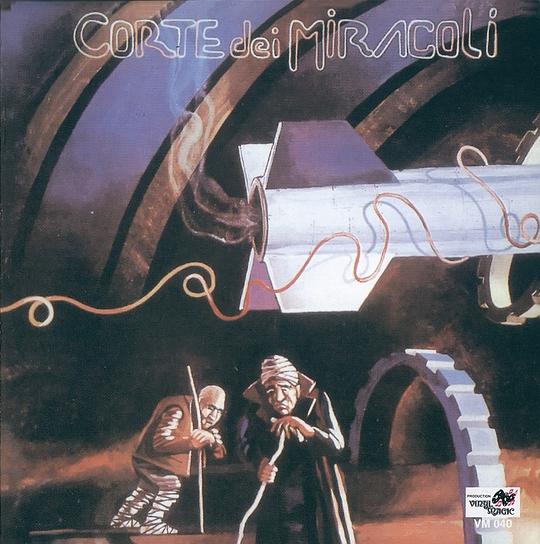
Corte dei Miracoli Douban
Corte Dei Miracoli
release date 1976-01-01
CORTE DEI MIRACOLI is another Italian great that falls into the realm of traditional, keyboard-based symphonic. The band creates a sound fairly similar to BANCO, sometimes heavy, sometimes lighter, usually lyrical, always in the symphonic vein. The music is moderately complex and all members are good on their instruments.
The first incredible recordings from this famous band elaborated tracks with symphonic keyboards and great mixture of progressive elements that combines certain aspects of GENESIS, VDGG and PFM. Corte dei Miracoli's self-titled album has a distinct symphonic prog sound being very melodic and contrasting in writing style with fellow Italians BALLETTO DI BRONZO, BIGLIETTO PER L'INFERNO or CAMPO DI MARTE. This is purely Italian progressive rock at its best. Pleasant albums after all!!!
Biglietto Per L'Inferno Douban
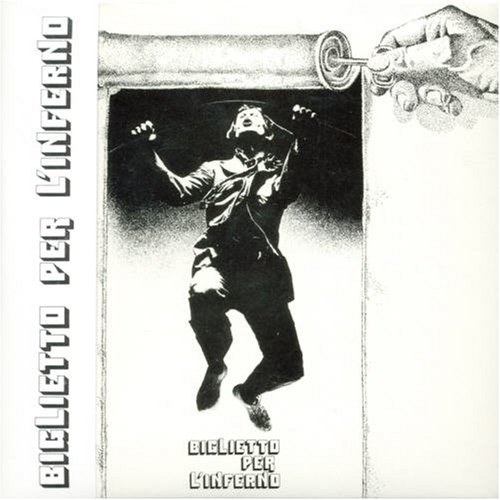
Biglietto Per L'Inferno
release date 1974-01-01 publisher: Btf
Reissue of Italian progressive rock masterpiece originally released in 1974. Considered one of the best Italian prog albums of the 70's, combining hard rock with great keyboards & flute.
Alphataurus Douban
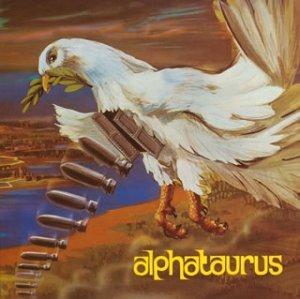
9.2 (5 ratings) Alphataurus
release date 2003-06-18
Japanese remastered reissue of the Italian progressive rock act's 1973 debut album, packaged in a miniature LP gatefold sleeve features 5 tracks. Disc Union. 2003.
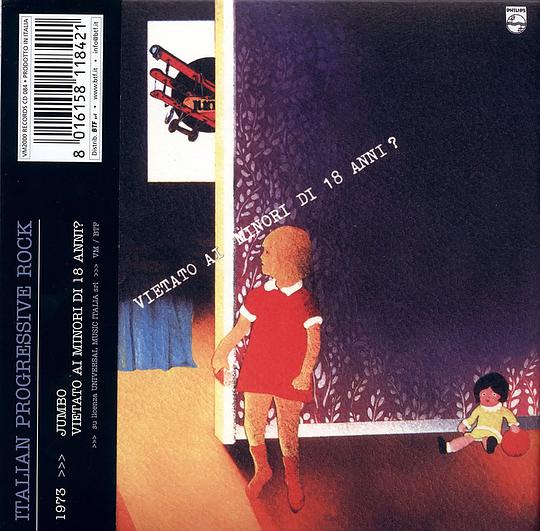
Vietato Ai Minori Di 18 Anni? Douban
Jumbo genre: Pop
release date 1973-01-01 publisher: Vinyl
3rd Album, released in 1973
- Alvaro "Jumbo" Fella / vocals, electric piano (3,7), organ (3), sax (7)
- Daniele "Pupo" Bianchini / acoustic (4) & electric guitars
- Sergio "Samuel" Conte / keyboards
- Dario Guidotti / flute, mouth harp, acoustic guitar, sixtro (7), vocals (2)
- Aldo Gargano / bass, Mellotron (5), bells & sixtro (6)
- Tullio Granatello / drums, timpani (6,8)
With:
- Lino "Fats" Gallo / slide guitar (5)
- Franco Battiato / VCS3 synthesizer (5)
- Angelo Vaggi / Minimoog synthesizer (5)
- Lino "Capra" Vaccina / tabla & percussion (5)
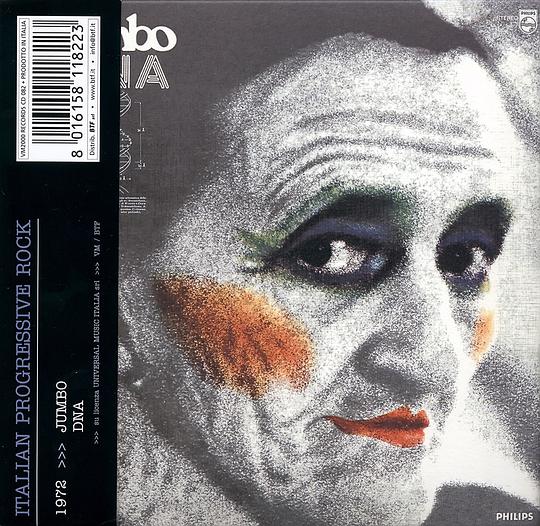
DNA Douban
Jumbo
release date 1972-01-01
2nd Album, released in 1972
- Alvaro "Jumbo" Fella / vocals, acoustic guitar
- Daniele "Pupo" Bianchini / acoustic & electric guitars
- Sergio "Samuel" Conte / organ, piano, electric piano
- Dario Guidotti / flute, mouth harp, acoustic guitar
- Aldo Gargano / bass
- Vito "Juarak" Balzano / drums
Dedicato a Frazz Douban
Semiramis
release date 2002-02-22
Italian reissue of the Italian progressive rock act's sole masterpiece, originally released in 1973.
Lyrics By – Marcello Reddavide
Music By – Michele Zarrillo
Electric Guitar, Acoustic Guitar, Vocals, Arranged By – Michele Zarrillo
Piano, Electric Piano, Synthesizer, Harpsichord, Idiophone [Sistro], Arranged By – Maurizio Zarrillo
Guitar [Di Giorgio], Twelve-String Guitar [Ovation], Synthesizer, Arranged By – Giampiero Artegiani
Bass, Bells – Marcello Reddavide
Drums, Percussion, Vibraphone, Effects – Paolo Faenza
Design [Cover Design] – Gordon Faggetter
Photography By – Fabio D'Emilio
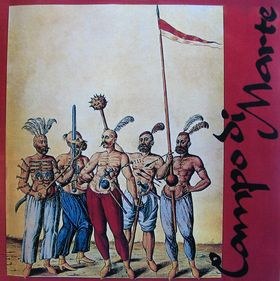
Campo Di Marte Douban
Campo Di Marte
release date 2006-08-01 publisher: Dark Matter Distribution
意大利前卫摇滚乐队Campo Di Marte于1971年成立于佛罗伦萨。成员Enrico Rosa (guitar, vocals, mellotron), Alfredo Barducci (horns, piano, organ, vocals), Paul Richard (Ursillo)(bass, vocals), Mauro Sarti (drums, percussion, flute, vocals), Carlo Felice Marcovecchio (drums, percussion, vocals)。
Campo Di Marte是乐队唯一的专辑,以其独特浓郁的古典文艺风格成为意式前摇的经典之作。
Drummer Carlo Felice Marcovecchio formed Campo Di Marte in 1971, following the break-up of the 60s beat band I Califfi. Still based in that band's hometown of Florence, where the new group swiftly gained a strong live following, Campo Di Marti came to the attention of United Artists as that label looked to expand its European frontiers beyond the Kraut Rock arena with which it was already synonymous. In the event, Campo Di Marti proved the label's sole Italian signing, although the eponymous LP that resulted was certainly not to blame for that. Strongly influenced by classical music, beautifully bombastic but deeply melodic too, Campo Di Marti has been ranked among the finest Italian albums of 1973. However, despite a good critical reception, the LP disappeared and, by the end of the year, Campo Di Marti had followed it into oblivion.
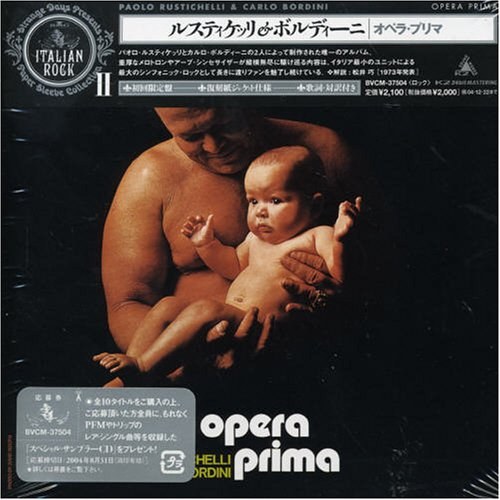
Opera Prima Douban
Paolo Rustichelli / Carlo Bordini genre: Rock
release date 2004-07-05 publisher: Bmg Japan
Japanese limited edition reissue of the progressive rock act's 1973 album, packaged in a miniature gatefold LP sleeve. RCA. 2004.
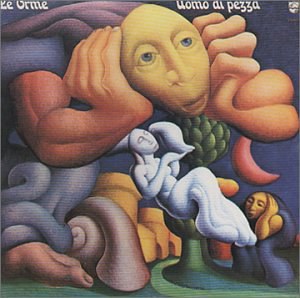
Uomo Di Pezza Douban
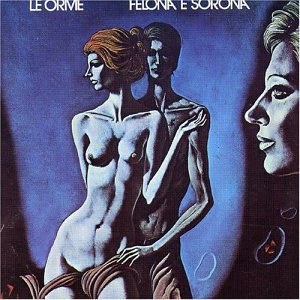
Le Orme
release date 1999-04-26 publisher: Mercury Italy
Uomo di pezza is an album by the Italian progressive rock band Le Orme. It was released in 1972 and was one of their best selling works.
Compared to the previous album, it shows much more classical elements: The opening of this work is nothing else as a chaconne of Johann Sebastian Bach, played on piano by maestro Gian Piero Reverberi. Furthermore, Tony Pagliuca plays a synthesizer for the first time.
The lyrics of Uomo di pezza describe a powerless, problematic masculine attitude, juxtaposed to an unknown, inscrutable feminine universe.
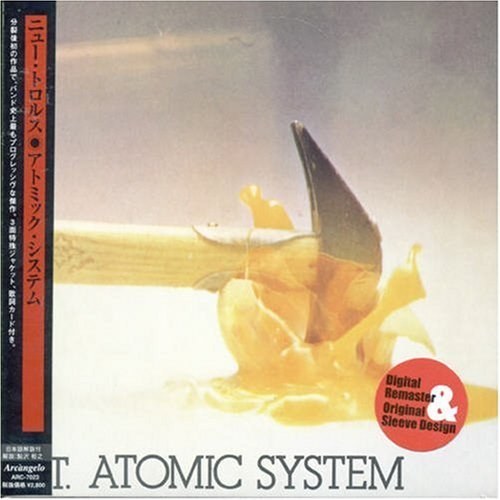
Atomic System Douban
New Trolls
release date 1973-01-01 publisher: J
Piano, Lead Guitar, Synthesizer [Arp], Spinet, Vocals – Vittorio De Scalzi
Piano, Organ [Hammond], Synthesizer [Moog], Mellotron, Electric Piano – Renato Rosset
Bass – Giorgio D'Adamo
Chorus – Anna, Giulietta
Drums – Tullio D'Episcopo
Percussion – Ramasandiran Somusundaran
Tenor Saxophone, Flute – Giorgio Baiocco
Producer – Alberigo Crocetta
Engineer [Sound Technician] – Gianluigi Pezzera
Mixed By, Technician – Pierluigi Molinari
Celeste Douban
Celeste
release date 1976-01-01
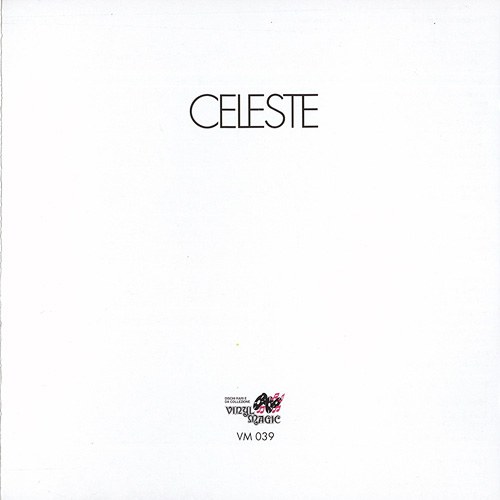
This may be the ultimate of the so-called "pastoral" progressive rock albums. Acoustic guitar arpeggios, flute, mellow crooning vocals and piano with a brick left on the sustain pedal all permeate this album; and on top of it all, there's almost as much Mellotron as Genesis used in their entire career. The music is meandering and ethereal, with more musical complexity than the average New Age album, but very much the same mood. In short, it's the epitome of the seventies' pastoral-progressive style.
Comparisons come easily for this album. Recorded in 1974, two years before it was eventually released, this album was to a great extent a product of what had gone before it. Imagine a cross between Trespass (minus "The Knife") and Per un Amico, and you won't be far off. There are also traces of the accoustic sections of Yes' "All Good People" by, and the beginning of "Favole Antiche" is more than a little reminscent of the opening to "Court of the Crimson King".
Principe di Giorno is certainly progressive, but it's hard to classify it as rock. The climactic moments on this album are handled by either sax or an ARP synthesizer, but these are hardly blistering solos; instead, they're more akin to the climactic moments of classical music which rely on compositional skill as much as volume to create the mood.
There are many shortcomings people will find with this album. The pace is never anything other than sedate, there is hardly anything on here that is technically challenging for the musicians, the style is derivative, and surely the Mellotron could have been given a rest a little more often. The fact is, though, that the melodies and arrangements are truly gorgeous. The absence of a track like "The Knife" on Trespass means that the mood is never broken. In fact the only song that strays too far from the ethereal mood of the rest of the album is the last track "L'Imbroglio", but rather than being a piece to stir the blood and quicken the heartbeat, it's a silly throwaway piece that leaves anybody with a sense of fun in a good mood when they finish listening to the album.
There are many albums which I regard as pleasant listening and will happily pull out when the mood takes me. Camel's Snow Goose and Novalis' Sommerabend come to mind. However, none touch me as deeply as this truly beautiful album. Essential for anyone who likes the softer side of the Italian scene, or thinks that too much Mellotron is barely enough.