艺术
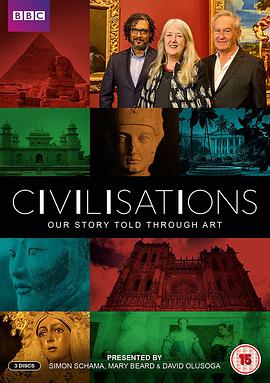
Civilisations (2018) Douban
Civilisations part of TV Series: Civilisations
9.2 (91 ratings) director: 阿什利·格辛 / 马修·希尔 actor: 西蒙·沙玛 / 玛丽·比尔德
BBC新版《文明》,2018倾情奉献,共九集。涵盖六个大陆,三十一个国家,超过五百件艺术品。主讲人历史学家西蒙·沙玛、学者玛丽·比尔德以及戴维·奥卢索加将一起探索人类创造的渴望。此外,“文明节”将通过创新的数字产品和活动,为博物馆的珍宝赋予新的生命力。
Landmarks of Western Art (2005) Douban
Landmarks of Western Art
第一集:后中古时期 The Late Medieval World
中古世纪时,欧洲最有势力的组织就是教会。当时教会在社会中的地位至高无上,同时也对当时的艺术产生了很大的影响。当时许多艺术家都是负责制作教会手稿的画家。他们全心描绘宗教主题,沿用古老的艺术手法,传达出净化人心的主旨。乔托、范艾克、波提伽利等人的作品都是此时期的杰作;不过在中世纪晚期,艺术面临重大变革,这股新兴风潮将导致16世纪的文艺复兴全盛时期。
第二集:文艺复兴时期 A Renaissance Education
西方世界在脱离中古世纪后,西方艺术也迈入新纪元。15世纪末,是西方艺术史上最辉煌年代的开端。1500年代左右,艺术家开始受到"天才"般的敬重,他们得创造出哥德中前所未有的杰作。其中许多艺术家,如米开朗基罗、拉婓尔、提普及达文西等,都受到宗教等人士的赞助,展开了一项野心勃勃的计画。"文艺复兴"这个字的意义就是重生,也就是重现罗马和希腊的古典世界。"文艺复兴时期"人们开始反抗学术、哲学等教条,发展了以"人"为中心思想,这一些艺术家以崭新的角度观察世界,创作出人类前所未有的杰作。而『蒙娜丽莎的微笑』、『最后的晚餐』、『圣母昇天日』等名作即为他们留给人类文明的珍贵遗产。
第三集:巴洛克时期 The Baroque
巴洛克时期始於1600年代,约在1715年结束。"巴洛克"这个字用来描述和古典及文艺复兴艺术相反的东西。文艺复兴时期古典时期的艺术首重和谐、平衡及比例,但巴洛克时期的艺术却恰恰相反,那时期的艺术家喜爱斜角取线,充满戏剧性和热情。巴洛克时期的艺术活动主要提倡整体圆满,所以巴洛克时期的作品看起来更充满动感。巴洛克艺术的另一个特点是它的多样化,此时期产生了许多不同的画家;如卡瓦拉乔和林布兰特,还有像卡拉西等画家及贝里尼等雕塑家。
第四集:洛可可及新古典时期 From Rococo to Revolution
洛可可时期和新古典时期的画作是本及的主题。"洛可可"这个字的来源代表的是"华美的装饰"。他沿袭了巴洛克时期的技术和风格,但表达的更私蜜、更强烈的感情,作品中充满了感官上的喜悦。新古典主义的起源可以回溯十八世纪前半,他们反对洛可可的装饰风格,追求的是一种新的简约艺术风。他们深受所谓的"古代艺术的简约沉稳风格"所啟发。新古典主义的色彩运用较为谨慎,线条十分简洁,降低了色彩的运用,似乎是将知性至於感性之前的艺术风格,主题线条鲜明,背景则很简约。本集中霍加斯、华鐸及盖兹波洛的作品将近入眼帘。
第五集:浪漫主义时期 Romanticism
1789年都被认为是现代思潮的开端,当然在艺术方面也不例外。法国大革命开啟了艺术史上的新页,在这段期间艺术家创造了世界上最重要的佳作,我们将这段时间统称为浪漫时期。浪漫时期的作品不仅要美观、和谐、注重比例,另一方面更力图呈现出历史和自然的壮阔。
浪漫主义的核心就是个人主义,而感情则成为浪漫主义表现的重点。当时表现个人的感情比表现群眾的反应还更重要,所以浪漫主义首重的是自画像及情感,所以浪漫主义紧接着新古典主义兴起,代表了感情压倒了理性。在康斯塔伯及哥雅等人作品中,我们可以一见古典画风逐渐褪去后、充满浓厚浪漫画风的杰作。
第六集:印象派及后印象派时期
印象派及后印象派,是19世纪下半兴起於法国巴黎艺术的流派,这一群年轻艺术家的作品,不同於当时的学院派艺术的作品,他们的画风更加自由、色彩更丰富。
印象派兴起的部分原因,乃因新古典主义盛行50年后,已变的太古板、太学院派了;而浪漫主义又太过於沉溺在个人的内心世界。印象派的艺术家想要记录下来的,是人们肉眼看见的外在世界。这个时期的另外一项重大成就,就是色彩的运用及视觉的呈现,在结合了以上这些因素后,印象派大师塞尚、秀拉一一在画坛扬名立万,而莫内的『睡莲』及梵谷的『向日葵』更是此时期不世出的杰作。西方艺术史上又进入新的里程碑。
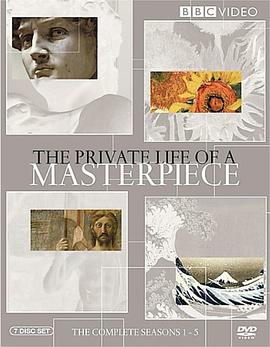
The Private Life of a Masterpiece (Private Life of a Masterpiece) (2003) TMDB Douban
Private Life of a Masterpiece Season 1 part of TV Series: The Private Life of a Masterpiece
8.8 (10 ratings) director: Michael Burke / Lucie Donahue actor: Richard Cork / Douglas Druick
在美丽的画布与雕像的背后往往藏着许多故事,本片揭露了历史上最经典艺术作品背后的真相以及惊人的事实!"旷世杰作的秘密"详述了每一件杰作被受争议的旅程.从创作者到破坏杰作的人,是鉴赏家与热爱艺术人群不容错过的绝对经典.....
1、The Kiss 超现实主义-克林姆的“吻”
2、The Third of May 1808 哥雅-五月三日
3、The Great Wave 葛饰北斋-巨浪
4、Sculpture The Kiss
5、The Battle of San Romano-圣罗马诺的战役
6、The Art of Painting 维梅尔 绘画艺术
7、The Sunflowers 梵高-向日葵
8、The Scream 爱德华孟克-呐喊
9、The Rokeby Venus 镜子里的维纳斯
10、The Resurrection 复活
11、The Night Watch 伦勃朗-夜巡
12、The Last Supper 最后的晚餐
13、Michelangelos David 米开朗基罗-大卫
14、Little Dancer Aged Fourteen 德加-14岁的小舞女
15、Liberty Leading the People 德拉克洛瓦-自由引导人民
16、Les Demoiselles d Avignon 毕加索-亚维农的姑娘
17、Le Primavera
18、Arrangement in Grey and Black No.1 Portrait the Artists Mother 惠斯勒-灰与黑的改编曲:画家的母亲肖像
19、A Sunday On La Grande Jatte 1884 大碗岛夏日的星期天午后
20、Christ of St.John of the Cross 圣约翰的十字架
21、Le Dejeuner sur lherbe
Great Artists with Tim Marlow (2001) Douban
Great Artists with Tim Marlow
director: Phil Grabsky actor: Tim Marlow
A major 14 part television series in which art historian Tim Marlow takes a fresh look at the most important artworks of some of the greatest artists in history. Shot on location in over 50 galleries, museums, churches and palaces throughout Europe and the United States, this series is a comprehensive survey of the history of Western art. Both intelligent and informative, the series aims to provide an uncomplicated and accessible analysis of the works and artists featured including Giotto, Michelangelo and Raphael.
Art of the Western World (1989) Douban
Art of the Western World
director: Tony Cash / Geoff Dunlop actor: 迈克尔·伍德 / 西蒙·沙玛
Consists of segments: (1) "The Classical Ideal". The origins of Western art are traced to ancient Greece through Kouroi and Korai figures, as well as by the architectures of the Pantheon. From Greece to Rome through the Hellenistic period, the program focuses on the new artistic approach to human form and violent emotions that reached its pinnacle with the altar of Zeus at Pergamun. (2) "A White Garment of Churches". Examines Romanesque and Gothic churches as evidence of the values of the societies that created them. Shows the effect of monasticism and pilgrimage on Romanesque church architecture. Uses Gislebertus's sculpture at St. Lazare in Autun to show the medieval focus on Heaven and the afterlife. The Gothic architecture, sculpture and stained glass at St. Denis and Chartres are discussed as evidence of a new theology and profound social changes during the twelfth and early thirteenth centuries. (3) "The Early Renaissance in Italy and the North". (4) "The High Renaissance". Covers key aspects of the High Remaissance, including the advent of the artist as genius (Leonardo, Michelangelo, and Raphael), the rise of Rome as a center of artistic vitality, and Venetian preoccupation with the quality of light (Giorgione and Titian). Also examines the social turbulence of the late sixteenth century and the reinterpretation of classical architectural principles. (5) "Realms of Light". Examines the divergent themes of the baroque period, including a new emotional appeal as seen in Bernini's 'The Ecstasy of St. Teresa,' Caravaggio's naturalism, Velasquez's multilayered works, and the rise of bourgeois values as seen in Rembrandt's works. (6) "An Age of Reason, an Age of Passion". Covers the move from the rococo period to neoclassicism and romanticism. Relates stylistic changes to the French Revolution and the Napoleonic wars. Covers the work of David, Géricault, Turner, Delacroix, and Goya. (7) "Realists, Impressionists, Post-Impressionists". Contrasts Courbet's treatment of subjects from everyday life with the innovations and techniques used by the impressionists. Examines the impressionists characteristic concern with color and changing light and contrasts this with the very individualistic visions of the postimpressionists. (8) "Into the Twentieth Century". Covers the work of the Fauves, the Cubists, the international style, and the Surrealists. Discusses how these movements relate to modern life. (9) "In Our Own Time." Examines why the appearance of abstract expression caused the United States to become a center for the visual arts. Reviews the diversity of styles in the postwar period, including the work of Pollock, Warhol, Oldenburg. Also examines the explosive internationalization of the art world in the 1970s and 1980s. Written by Fiona Kelleghan {fkelleghan@aol.com
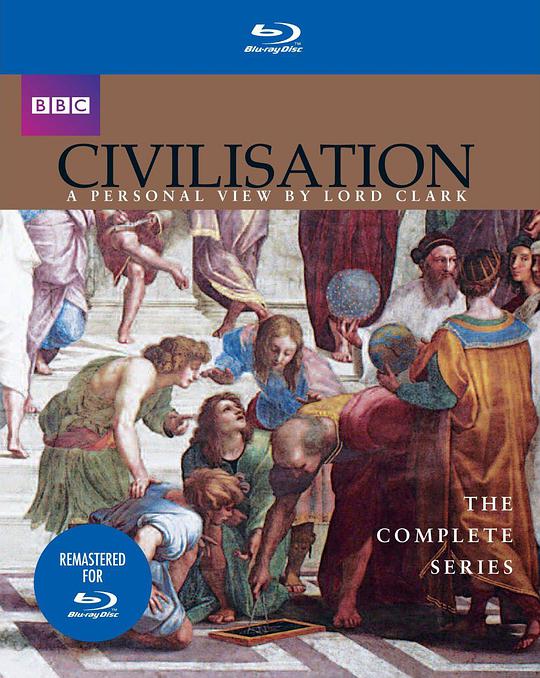
Civilisation (1969) TMDB Douban Douban
Civilisation Season 1 part of TV Series: Civilisation
9.4 (14 ratings) director: Michael Gill / Peter Montagnon actor: 肯尼斯·克拉克 / 伊恩·理查森
BBC“电视史上的里程碑”,当代艺术历史最具雄心壮志的纪录片拍摄工作,由著名艺术历史学家克拉克爵士担任编剧与主持,探讨西欧文明,而爵士更在本片中界定了人类文明发展中的几个重要阶段。《文明的轨迹》历时两年才拍摄完毕,剧组跨越13个国家,曾走访百多个城市拍摄,本纪录片首年播出时更被喻为电视史上的代表作。克拉克爵士引人入胜的对白,再加上欧洲地标动人画面,带领我们探索自罗马帝国沦亡至工业革命用其后的文明发展。这种通过艺术、音乐来呈现历史观点的做法,成为日后无数纪录片看齐并努力超越的基准。
"Kenneth Clark's sumptuous,magisterial,one-man servey of the achievements of bumanistic civilisation is a TV landmark" The daily mail
In 1966 BBC Television embarked on its most ambitious documentary series to date.The eminent art historian Lord Clark was commissioned to write and present an epic examination of Western Eyuopean culture,defining what he considered to be the crucial phases of its development.Civilisation:A personal View by Lord Clark would be more than two years in the making,with filming in over 100 locations across 13 countries.The lavish series was hailed as a masterpiece when it was first transmitted in 1969.
From the fall of the Roman Empire to the Industrial Revolution and beyond,Clark's compelling narrative is accompanied by breathtaking colour photography of Europe's grearest landmarks.This "history of ideas as illustrated by art and music'remains the benchmark for the numerous programmes it inpired.
特别收录 Special Feature
大卫·艾登堡禄爵士回忆《文明的轨迹》制作过程 Sir David Attenborough remembers the making of Civilisation
剧相馆 Photo gallery of behind-the-scenes stills
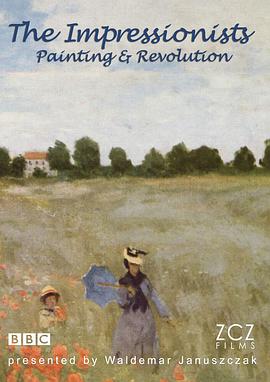
The Impressionists: Painting and Revolution (The Impressionists - Painting and Revolution) (2011) TMDB Douban
The Impressionists - Painting and Revolution Season 1 part of TV Series: The Impressionists: Painting and Revolution
9.6 (22 ratings) director: Susan Doyon actor: 瓦尔德马·雅努茨扎克
Gang of Four
Episode 1 of 4
Duration: 1 hour
Art writer Waldemar Januszczak explores the revolutionary achievements of the Impressionists. In the first episode, Waldemar delves into the back stories of four of the most influential Impressionists - Pissarro, Monet, Renoir and Bazille - who together laid the foundations of the artistic movement. He finds out what social and cultural influences drove them to their style of painting, how they were united and how ultimately they challenged and changed art forever.
Waldemar journeys from the shores of the West Indies, to the progressive city of Paris to the suburbs of South London, where these four artists drew inspiration from the cities and towns in which they lived. Whether it be the infamous spot on the river Seine - La Grenouillere - where Monet and Renoir beautifully captured animated people, iridescent light and undulating water or the minimalist, non-sensationalised illustrations of Pissarro's coarse countryside paintings, Waldemar discovers how the Impressionists broke conventions by depicting every day encounters within the unpredictable and ever changing sights around them.
------
Painting outdoors
Episode 2 of 4
Duration: 1 hour
Waldemar Januszczak continues his investigation of the Impressionists by taking us outdoors to their most famous locations. Although Impressionist pictures often look sunny and relaxed, achieving this peaceful air was hard work. Trudging through fog, wind and rain, across treacherous coastal rocks and knee-deep snow, Waldemar shows how the famous spontaneity of the Impressionists is thoroughly misleading.
This episode visits the French riverside locations that Monet loved to paint, and where Renoir captured the bonhomie of modern life. Waldemar also introduces a number of technical and practical developments of the age which completely revolutionised Impressionist painting - the invention of portable easels; the use of hog's hair in paint brushes; as well as the introduction of the railway through France. And a scientific demonstration in a Swedish snowdrift explains just how right the Impressionists were to paint brightly coloured shadows in their winter scenes, despite being accused of 'hallucinating' at the time.
Finally, Januszczak explains Cezanne's part in the Impressionist story from his dark and challenging early work to his first rural landscapes in France, and then his departure from Paris and separation from the Impressionist gang.
------
Painting the People
Episode 3 of 4
Duration: 1 hour
Waldemar Januszczak continues his investigation of the Impressionists, focusing this time on the people they painted and in particular the subjects of Degas, Caillebotte and the often forgotten Impressionist women artists. The Impressionists are famous for painting landscape but they were just as determined to paint people.
Looking closely at one of Impressionism's finest painters, Edgar Degas, Waldemar reveals how he consistently challenged traditions and strove to record real life as it appeared in the city, from sculpting the contorted movements of horses in motion at the Longchamp race course in Paris to encapsulating extravagant 3D viewpoints of the ballet dancers at the Paris Opera.
Waldemar also uncovers the intoxicating haziness the pastel produced in Degas' work when visiting his supplier Pastels de Roche. He also reveals the unusual viewpoints and dramatic perspectives of Caillebotte's paintings from the Place de L'Europe and the rebellious and revolutionary art of Morisot, Bracquemond and Cassatt, three impressive female artists who were eagerly embraced by the progressive movement of Impressionism
------
Final Flourish
Episode 4 of 4
Duration: 1 hour
This episode takes a closer look at the late years of Impressionism, using the last show these artists did together as a starting point.
Waldemar looks in considerable depth at the work of Georges Seurat, taking into consideration his academic training at the Beaux-Arts School in Paris and the artists that influenced him, such as Piero della Francesca and Puvis de Chavannes.
There is also an insight into the complex but fascinating world of optics and art, and the ways in which the Impressionists were using the new discoveries in light and eyesight to influence their work. A fascinating 'after-image' experiment brings to life the ways in which our own eyes see colour, both in its presence and its absence.
Van Gogh's time in Paris, a period very little is known about, is also covered, charting the incredible journey the artist made from his brown and dull canvases to the splendid colour and light that pervaded his work on the cusp of his departure for the South of France.
The film finishes with a revisiting of Monet and his later waterlily paintings in the Orangerie in Paris. Waldemar investigates how a bad case of cataracts was responsible for a seismic shift in his colour palette and his brushstrokes. Spending time with an ophthalmologist, he finds out how old age and a fairly common ailment of the eyes caused Impressionism to shift and become radical again at the turn of the century and into the 20th century
Treasures of Ancient Rome (2012) Douban
Treasures of Ancient Rome
9.2 (11 ratings) director: BBC actor: 阿拉斯泰尔·苏克
Alastair Sooke takes an in-depth look at the art of the Roman Empire.
文艺复兴 (2010) Douban
Renaissance Revolution
8.9 (11 ratings) director: 兰德尔·赖特 actor: 马休·柯林斯
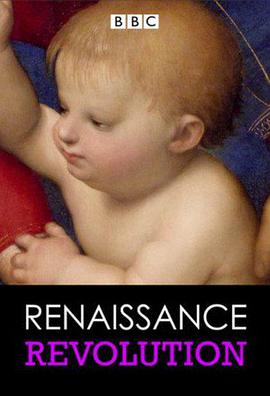
The new series on Renaissance painting, written and presented by Matthew Collings, begins with an artistic investigation into one of the most radiant and beautiful images in all of art history, The Madonna of the Meadow, painted in 1505 by Raphael.
Renaissance art has become part of the 21st-century heritage industry but when Raphael was alive, it was a startling new form of visual expression, and Raphael's vibrant 'realism' was striking and fresh. It became the model for western art for the next 400 years, right up until the birth of Modernism.
As much as it was a cultural 'rebirth', the Renaissance was also a revolution in ideas about reality. Matthew Collings sets out to remind us of how radical Renaissance paintings were when they were made, as well as opening our eyes to what is still truly great about them. In this programme he deconstructs The Madonna of the Meadow with the help of the very latest high-resolution digital technology, which allows him to explore the inner secrets of Raphael's painterly effects with a clarity and at a level of detail never before seen on television.
As Matthew says, it is a journey 'to the other side of an illusion', revealing how Raphael created the alluring images that were so appealing to his wealthy Renaissance clients - including the Pope - and which entranced artists for centuries after his death. Matthew explains the secret to Raphael's vibrant colour harmonies, which the artist grasped intuitively, long before the advent of colour 'theory'; and Raphael also knew how to exploit colour effects to create the impression of extraordinary depth in his paintings.
How Art Made the World (2005) Douban
How Art Made the World
9.5 (13 ratings) director: Robin Dashwood / Mark Hedgecoe actor: Nigel Spivey
BBC记录片
艺术是人类对世界的感知;艺术是人类对自身的体验;艺术塑造并阐释着人类过去和未来的生活穿越十万年的历史长河,一起去寻觅视觉艺术的起源,绘画、人体、影像、死亡艺术创世纪——引领你我走进艺术的世界,探索人类艺术的起源
《艺术创世纪之——艺术中的人体》
在大街的墙壁上、杂志上、还有电视屏幕上,到处都是有关人体的图片——没有任何一种图像能像人体图像一样如此彻底地主宰我们的生活。然而你是否注意到,这些人体图像中,竟没有一个是和真人一摸一样的。是什么原因让艺术家创造了这些超越真实的图像?现在,就让我们回溯过去,到维伦道尔夫、古埃及,古希腊以及意大利,去解开这个疑团。
《艺术创世纪之——图画的诞生》
三万五千年前,人们突然决定描述他们身边的生活——史前人开始了绘画的创作。这是个令人震惊的改变。令科学家疑惑的是,我们的祖先最初是怎样产生了画画的想法?他们又是怎样意识到,一些线,点和颜色的集合是可以描述事物的呢?研究者为此提出了种种假说,却一个接一个地被否定。结果,答案隐藏在非洲的一幅诡异的壁画里……
《艺术创世纪之——说服的艺术》
艺术具有独特的说服力量,从古罗马的奥古斯塔斯到美国总统布什,艺术在政治领域有着不可估量的作用。你为什么会支持他的统治?为什么会在竞选时投他一票?你或许没有意识到,自己已经被艺术所愚弄。那些看上去普通平常的图画、音乐,在不知不觉中发挥着神秘的作用……
《艺术创世纪之——电影的古老基因》
现在,你或许已经习惯了到影院去看几场大片。可是 ,当你在大笑,尖叫或者痛哭的时候,你有没有想过 ,是什么给了你那些迷恋,振奋,欢喜或者悲伤?在本片中,我们将带你走入电影艺术的古老源头,去解开几厘米胶片所带来的神奇魔法……
《艺术创世纪之——死亡的图像》
在所有的图像中,有一种图像具备独一无二的吸引力。它让我们感到恐惧,同时又以某种方式安慰我们,它操纵我们,但也让我们心无疑虑。这就是死亡的图像。它无所不在:为逝者建造墓地和纪念碑,古埃及的木乃伊,石棺上的人像……是什么驱使人们将自己置身于死亡的图像之中?答案并不在现代社会,而是在几千年前的约旦峡谷……
Simon Schama's Power of Art (2006) TMDB Douban
Simon Schama's Power of Art Season 1 part of TV Series: Simon Schama's Power of Art
9.4 (85 ratings) director: Carl Hindmarch actor: 西蒙·沙玛 / 安迪·瑟金斯
八集BBC年度巨献纪录片《艺术的力量》,将为您详细讲述卡拉瓦乔、贝尼尼、伦勃朗、雅克、透纳、梵高、毕加索以及罗斯科八位艺术家的生平,重现这八位艺术大师的创作历程。八位艺术大师拥有自成一派的创作风格和鲜明的个性,本片将全面剖析艺术大师们孕育和诞生艺术品时扣人心弦的故事。在主持人西蒙‧沙玛独特而富有个性化的叙事下,这将是一次饱览艺术大师们所创作的最伟大作品的饕餮盛宴。戏剧化的艺术重塑,壮阔华美的摄影画面,八位艺术界巨匠背后鲜为人知的故事被刻画得曲尽其妙,或扼腕叹息或拍手称快,这便是艺术的力量。
这部独特而极具震撼力的纪录片《艺术的力量》,荣获国际艾美奖最佳艺术节目、2007年第60届英国电影电视艺术学院奖最佳摄影纪实类等多项国际大奖。
Treasures Of Ancient Greece (2015) Douban
Treasures Of Ancient Greece Season 1
8.9 (25 ratings) director: David Vincent actor: Alastair Sooke
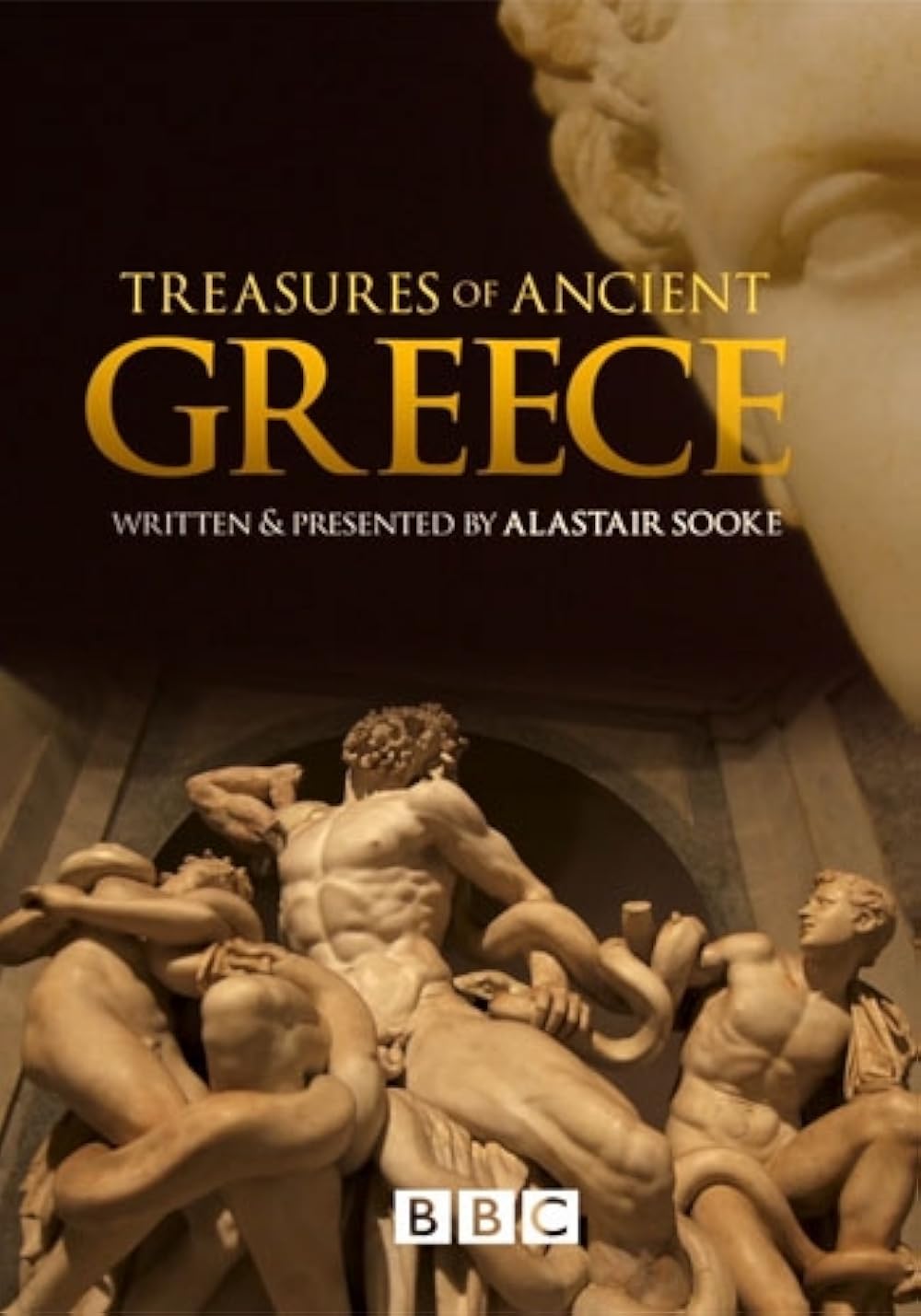
In this three-part series Alastair Sooke (Treasures Of Ancient Rome, Pride and Prejudice: Having A Ball) explores the riches and unique legacy of Greek art. Episode One tells the story of Greek art from its surprising, often mysterious origins, travelling from Crete to Santorini, Mycenae to Delphi. Episode Two explores the astonishing development of classical art - the so called 'Greek revolution', asking how did the ancient Greeks get so good, so fast? The final instalment looks in detail at a handful of works that have achieved the status of masterpieces, tracing the complex and fascinating story of western civilisation’s love affair with Greek art, from the Romans to modern times.
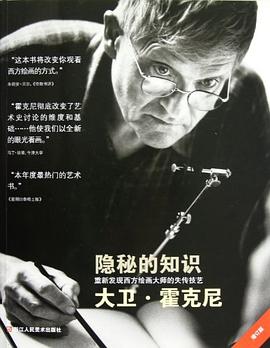
隐秘的知识 Douban
9.0 (10 ratings) author: [英] 大卫·霍克尼 translator: 万木春 / 张俊 publishing house: 浙江人民美术出版社 2012
"《隐秘的知识——重新发现西方绘画大师的失传技艺》最初发表就引起了轰动。大卫·霍克尼在这本书中提出了一个吸引人的理论,不仅指出西方一些伟大的艺术作品是借助镜子和透镜画成的,而且讲述了光学镜头的观看方式如何逐渐主宰绘画作品面貌的过程。他的这一理论吸引了全世界主流媒体的关注,并且在科学和艺术史领域引发了激烈的讨论。
现在,在这个增订版中,霍克尼将他的研究进一步拓展,首次展示了他令人激动的新发现。这本书中包含数百幅画作和素描,其中许多是西方艺术史上最著名、最受人喜爱的画作,每一幅图版都配有霍克尼充满激情的文字说明。书中还有许多他自己拍的照片、画的草图,展示往昔艺术家为了画得准、画得像而采用的各种技法手段,同时说明他们当年可能取得的效果。
此外,霍克尼还汇编了大量历史和现代文献来证明自己的观点,而他与一系列国际专家之间的通信汇编则重现了神奇探索的整个过程。
这本书写的不仅仅是古代大师的失传技法,它写的也是现在和未来。它讨论的是在今天这样一个电脑时代,我们是如何观看、处理和制作图像的。永不休止地探询,不信任何先入之见,质疑已成定式的观念,霍克尼迫使我们睁开眼睛,重新认识我们观看和再现世界的方式。《隐秘的知识——重新发现西方绘画大师的失传技艺》从一位富有原创精神的艺术家的视角,向读者提供了一种对艺术史的深刻洞见。"
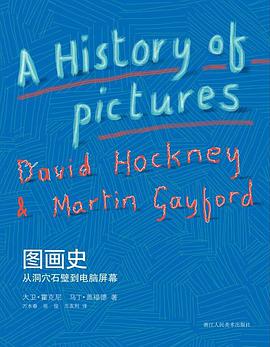
图画史 Douban
A History of Pictures
9.2 (8 ratings) author: [英]大卫·霍克尼 / 马丁·盖福德 translator: 万木春 / 张俊 publishing house: 浙江人民美术出版社 2017 - 1
大卫·霍克尼说,要转述所见,唯一的办法是用图画。然而一切图画制作者都面临一个共同难题:如何将三维的人、物和场所压缩到二维平面上?对这个难题有各式图画作为解答,这些图画常常被归入“绘画”“摄影”或“电影”等鸽子笼里,而另一种思路是用时间和风格对其分类:中世纪、文艺复兴或者巴洛克。可是霍克尼提出,不论制作工具是画笔、相机抑或电脑程序,不论所处位置是在洞穴石壁上还是电脑屏幕上,它们首先都是图画。为了理解人类如何观看周遭世界,进而理解人类自身,我们需要一部图画史。这就是本书。
凭借大半生从事绘画、素描及使用相机制像所掌握的知识、所具备的热情,霍克尼与艺术评论家马丁·盖福德合作,共同探索人类在历史上如何制作图画以及为什么要制作图画。平面上的笔痕为什么会有意义?怎么在静态图画中呈现运动?反之,电影、电视与老大师们又有着怎样的联系?有哪些办法,能够将时空压缩进一幅静态图像里——不论是布上的还是屏幕上的?图画呈现的是什么——是真相还是谎言?照片是以我们的体验方式来再现世界的吗?
通过将丰富的图像并置在一起——迪斯尼动画片的定格画面与歌川广重的日本木版画,爱森斯坦执导的电影剧照与委拉斯开兹的油画——两位作者跨越了通常横亘在高雅文化与通俗娱乐之间的界限,并将不同时代和媒介别开生面地联系在一起。以霍克尼里程碑式的著作《隐秘的知识——重新发现西方绘画大师的失传技艺》为基础,两位作者进一步提出电影、摄影、绘画和素描之间具有深刻的内在联系。《图画史——从洞穴石壁到电脑屏幕》富于洞见、发人深省,对认识人类如何再现现实裨益良多。
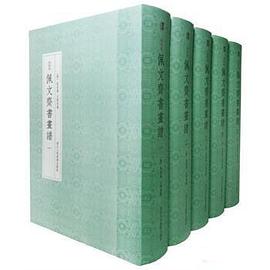
佩文斋书画谱 Douban
author: 孙岳颁 / 王原祁 2014
《佩文斋书画谱》一百卷,清孙岳颁、宋骏业、王原祁等人奉敕纂辑。孙岳颁等人以内府所藏各朝文献为基础,去粗取精,历时近三年,终成此巨著。因康熙书房名佩文斋,遂以名书。全书包括论书、论画、历代帝王书、历代帝王画、书家传、画家传、历代无名氏书、历代无名氏画、御制书画跋、历代帝王书跋、历代帝王画跋、历代名人书跋、历代名人画跋、书辨证、画辨证、历代鉴藏书类、历代鉴藏画等部分。始自五帝,迄于元明,堪称集书画文献资料之大成,是中国书画学方面的“百科全书”。直至今日,《佩文斋书画谱》仍不失为一部体系比较完整的、收料颇具价值的书画理论综合丛书。
现代主义 Douban
Modernism:The Lure of Heresy:From Baudelaire to Beckett and Beyond
8.1 (16 ratings) author: [美] 彼得·盖伊 translator: 骆守怡 / 杜冬 publishing house: 译林出版社 2017 - 1
萌发于19世纪中期的现代主义运动是对传统审美的全面反叛,小说、绘画、诗歌、戏剧、音乐、舞蹈、建筑、设计、电影,几乎所有艺术形式皆在这场运动中被彻底颠覆。两百多年来,现代主义余韵未消,当年的文化先锋们仍深刻影响着我们今日的文化生活。
现代主义运动缘何而起?为何具有如此强大的魅力和能量?在这本关于现代主义的百科全书式著作中,彼得·盖伊将“现代主义”这个看似抽象的概念具象化为一个个现代主义风格代表人物或一件件名垂艺术史的经典作品,他以波德莱尔为这一波澜壮阔的研究揭开序幕,追溯了现代主义最初如何以革命者的姿态出现于巴黎。随后,马尔克斯的小说、毕加索的绘画、斯特拉文斯基的音乐、盖瑞的建筑等轮番出场,盖伊在书中将它们或相互比较,或相互融汇,以博学且风趣的笔触为读者呈现了一场异彩纷呈的盛会,而现代主义发展、壮大直至衰退的过程在其中得以清晰的显现。
心画 Douban
The Chinese Literati on Painting
author: [美] 卜寿珊(Susan Bush) translator: 皮佳佳 publishing house: 北京大学出版社 2017 - 11
本书是研究中国文人画的经典之作。 本书最重要的贡献是还原了文人画的真实含义及其产生的社会环境。文人画在北宋产生之时,主要指的并非是一种鲜明的绘画风格,而是士大夫阶层对自身创作活动的一种认同和期许,并以此和那些职业画家划清界限。 之后,经过南宋、元代、明代,文人画的概念不断变化发展,文人画与院画、画师作品之间的关系变得愈加复杂微妙。苏轼对于士人阶层的推崇,在董其昌的南宗北宗论中得到一种新的回响。 本书以纵横开合、明暗相照的叙述结构展开,切入中国画的生成原境,以广阔而宏大的历史视角、对思想体系的社会历史背景的细腻分析、饱含思辨力和理论穿透力的笔触,清晰呈现了中国文人画理论的生发、演变与成熟的发展全貌。 本书一经出版,在海外学界引起广泛关注,美国著名艺术史家谢伯轲、方闻、高居翰都曾引用其观点。本书成为海外美术史学生了解中国文人画理论的必读书。
加德纳艺术通史 Douban Goodreads
Art Through the Ages
9.0 (6 ratings) author: 弗雷德·S. 克莱纳 / 克里斯廷·J. 马米亚 translator: 李建群等 publishing house: 湖南美术出版社 2013 - 1
根据西方艺术史界享有盛名的《加德纳艺术通史》的第12版翻译出版。
著名学者海伦•加德纳的《世界艺术史》自1926年首次出版以来,因广受好评而不断再版,成为读者最多,流传最广的英文艺术史书籍。同时还被美国许多大学选为艺术史专业的教材,又是一本颇具权威的艺术通史类教科书。该书遵循加德纳的基本框架,以“全景化”的视角来阐释艺术发展的主旨,内容从史前到20世纪的后现代主义艺术,涉及绘画、雕塑、建筑、设计、摄影及工艺美术等多个艺术门类,体现出权重平衡的整体观和客观性。在全面的基础上,加德纳艺术通史还注重图像完整的历史与文化背景,以及它在过去和现在的不同学术地位,为相关专业的学生、老师以及有这方面兴趣的人士提供了更多的帮助。相较之前的各种版本,本书新增了丰富的图像与文字资料,并且图像和翻译的质量也有大幅提高。
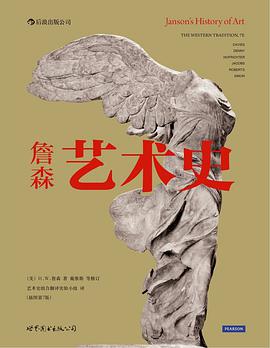
詹森艺术史(插图第7版) Douban
Janson's History of Art : The Western Tradition, 7E
10.0 (6 ratings) author: H.W.詹森(H.W.Janson) / A.F.詹森(A.F.Janson) translator: 艺术史组合翻译实验小组 publishing house: 世界图书出版公司 2013 - 7
◎享誉全球五十载的艺术史划时代巨著
◎叙述时间跨度最长,门类最齐,插图最丰富的单卷本艺术史
◎艺术通史著作的典范,畅销半世纪的艺术类图书
本书是一部艺术通史著作,聚焦从史前直到20世纪末的西方艺术。该书英文原版自1962年出版以来,迅速占据最畅销艺术史书籍的位置, 成为西方大学艺术史课程的标准教材。
本书以时间为框架,分为古代世界、中世纪、从文艺复兴到洛可可和现代世界四个部分,以各个时段的代表艺术品和艺术家为重点,阐释了艺术风格及其演变的历史。此外,书中穿插了六个学习板块,补充介绍了背景知识,艺术家的创作技法,艺术史家的研究方法以及大量的历史文献等相关知识,并有章末小结梳理各章重点。全书配有1450余幅插图,每幅作品都经过了调色或专业审核,确保忠实原作,是了解学习西方艺术史的最佳书籍。
本书是该经典著作的第七版,内容上较之前版本有很大扩充,除了包含传统的绘画、雕塑和建筑之外,摄影和工艺美术等门类也得到了足够的重视。此外,本版还顺应了当代学术思想的发展潮流,扩充了对女性艺术家、当代艺术和文化多元论等当代议题的论述。
--------------------------------------------------------------------------------------------
《詹森艺术史》是一部在学界和社会大众中很有影响的学术著作。在一次次新版中不断修订和补充新内容,引导读者思考和提出问题,把艺术史的学习、研究和提高人们的文化素质联系起来,鼓励和启发人们探究未知。
——邵大箴,著名艺术史家,中央美术学院教授
新版《詹森艺术史》反映了当今艺术研究、鉴赏和收藏中的新观念和潮流。新版对当代艺术的重视也远远超过旧版,选为插图的当代作品更反映了改编者对多元文化论的兴趣,而全球化则是另一被强调的重点。
——巫鸿,著名艺术史家,芝加哥大学教授
这是一本可以说是传奇性的教材,它曾带领一批批充满求知欲望的本科生穿越艺术的历史,从旧石器时代一直走到现在。詹森的名字成为了艺术史课程中“研究”一词的同义词。
——温尼·海德·米奈,科罗拉多大学博尔分校人文与艺术史教授
书中对中世纪艺术的美丽和庄严给出了清晰并权威的阐释。……大卫·西蒙把詹森的杰作变得更可靠,更富启发 性,同时也更为实用。他对这本超越时代的著作做了一次细致而又明智的修订。
——查理·李特尔,大都会艺术博物馆
这是《詹森艺术史》的一大进步,本版装帧精美,结构清晰,文字流畅,可读性高。除了提供基本的历史信息和精彩的形式分析之外,新版还从物质文化和社会/文化史的角度加以论述。书中没有令人费解的术语,感谢作者。
——肯尼斯·E·西尔维,纽约大学美术系主任
戴维斯教授用清晰、有趣且整合良好的散文式语句阐释了古代艺术传统的发展。……这些权威、生动又引人入胜的文本必然会激励读者,并为他们做好阅读后续章节的准备。
——大卫·戈登·米滕,哈佛大学詹姆斯·洛布古典艺术和考古教授