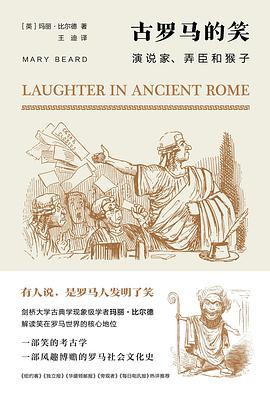
古罗马
古罗马的笑
Laughter in Ancient Rome: On Joking, Tickling, and Cracking Up Douban
[英] 玛丽· 比尔德 translator: 王迪 publishing house: 广西师范大学出版社 2020 - 8
什么会让罗马人发笑?谁在笑?什么时候能笑,什么时候不能笑?谁在制定笑的规则和文化?笑在罗马人生活、权力和意识层面扮演了何种角色? 本书既是一部“笑史”,又是一部罗马社会文化史。作者在广博的文学、历史学、心理学、语言学、考古学知识的基础上,以幽默诙谐但又不失严谨的笔触讨论了古罗马“笑”的关键主题——从开着玩笑的演说家、弄臣,到可笑的猴子,重现了古罗马社会运作方式和权力体系,揭示笑在古罗马的核心地位和文化意涵。本书不但为了解古罗马的社会与文化生活提供了新的视角,也为跨文化历史研究提供了新的洞见。 媒体推荐 (比尔德)让罗马人的形象跃然纸上,并借此引导读者去思考人类最基本、最独特的能力——笑。了不起的比尔德女士写就的又一部佳作,我认为这是她最棒的作品之一。 ——《独立报》 对于一向在我们心目中雄伟庄严的罗马,她让喧闹的笑声幽幽重现。……极尽敏锐,又不避其繁。 ——《每日电讯报》 她的论述给了人们新的视角,乃至能以此看待她未探讨的作品。 ——《纽约书评》 《古罗马的笑》就像一部考古学巨著,让我们透过古老文化一面有裂缝的镜子,瞥见自己的模样。 ——《华盛顿邮报》
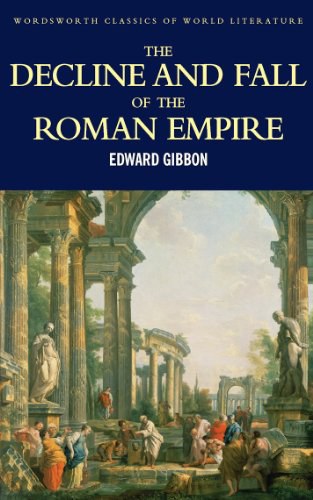
The History of the Decline and Fall of the Roman Empire
Douban
Edward Gibbon publishing house: Wordsworth Editions Ltd 1999
Gibbon's Decline and Fall of the Roman Empire, published between 1776 and 1788, is the undisputed masterpiece of English historical writing which can only perish with the language itself. Its length alone is a measure of its monumental quality: seventy-one chapters, of which twenty-eight appear in full in this edition. With style, learning and wit, Gibbon takes the reader through the history of Europe from the second century AD to the fall of Constantinople in 1453 - an enthralling account by 'the greatest of the historians of the Enlightenment'. This edition includes Gibbon's footnotes and quotations, here translated for the first time, together with brief explanatory comments, a precis of the chapters not included, 16 maps, a glossary, and a list of emperors.