
英国

Slumdog Millionaire (2008)
Slumdog Millionaire WikiData IMDb TMDB Douban Eggplant.place Min reol Skybridge +4

The Hitchhiker's Guide to the Galaxy (2005)
The Hitchhiker's Guide to the Galaxy WikiData IMDb TMDB Douban Eggplant.place Min reol mauveHAUS Reviews Skybridge +5
The Duchess (2008)
The Duchess WikiData IMDb TMDB Douban Skybridge +2
索尔·迪勃
actor:
Keira Knightley
/
Ralph Fiennes
…
other title:
公爵夫人
/
叛逆激情-她与戴安娜的命运
…
A chronicle of the life of 18th century aristocrat Georgiana, Duchess of Devonshire, who was reviled for her extravagant political and personal life.

About Time (2013)
About Time WikiData IMDb TMDB Douban Eggplant.place Min reol Skybridge +4
other title:
时空恋旅人
/
回到最爱的一天(港)
…
The night after another unsatisfactory New Year's party, Tim's father tells his son that the men in his family have always had the ability to travel through time. They can't change history, but they can change what happens and has happened in their own lives. Thus begins the start of a lesson in learning to appreciate life itself as it is, as it comes, and most importantly, the people living alongside us.
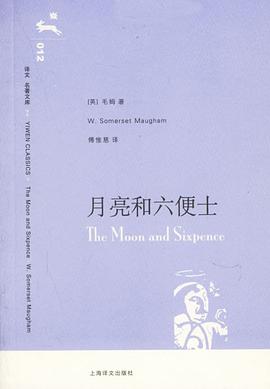
月亮和六便士
The Moon and Sixpence Douban
[英国] 威廉·萨默塞特·毛姆
translator:
傅惟慈
publishing house:
上海译文出版社
2006
- 8
一个英国证券交易所的经纪人,本已有牢靠的职业和地位、美满的家庭,但却迷恋上绘画,像“被魔鬼附了体”,突然弃家出走,到巴黎去追求绘画的理想。他的行径没有人能够理解。他在异国不仅肉体受着贫穷和饥饿煎熬,而且为了寻找表现手法,精神亦在忍受痛苦折磨。经过一番离奇的遭遇后,主人公最后离开文明世界,远遁到与世隔绝的塔希提岛上。他终于找到灵魂的宁静和适合自己艺术气质的氛围。他同一个土著女子同居,创作出一幅又一幅使后世震惊的杰作。在他染上麻风病双目失明之前,曾在自己住房四壁画了一幅表现伊甸园的伟大作品。但在逝世之前,他却命令土著女子在他死后把这幅画作付之一炬。通过这样一个一心追求艺术、不通人性世故的怪才,毛姆探索了艺术的产生与本质、个性与天才的关系、艺术家与社会的矛盾等等引人深思的问题。同时这本书也引发了人们对摆脱世俗束缚逃离世俗社会寻找心灵家园这一话题的思考,而关于南太平洋小岛的自然民风的描写也引人向往。
《月亮和六便士》说问世后,以情节入胜、文字深刻在文坛轰动一时,人们争相传看。在小说中,毛姆用第一人称的叙述手法,借“我”之口,叙述整个故事,有人认为这篇小说的原型是法国印象派画家高更,这更增加了它的传奇色彩,受到了全世界读者的关注。

Skyfall (2012)
Skyfall WikiData IMDb TMDB Douban Min reol Eggplant.place Skybridge +4
other title:
007:大破天幕杀机
/
007系列23:大破天幕杀机
…
When Bond's latest assignment goes gravely wrong, agents around the world are exposed and MI6 headquarters is attacked. While M faces challenges to her authority and position from Gareth Mallory, the new Chairman of the Intelligence and Security Committee, it's up to Bond, aided only by field agent Eve, to locate the mastermind behind the attack.

香奈儿 (2008)
Coco Chanel Douban
克里斯丁·杜瓦
actor:
Daria Baykalova
/
巴博拉·伯布洛瓦
…
other title:
Coco Chanel
/
可可·香奈儿
…
香奈儿(巴博拉·伯布洛瓦 Barbora Bobulova 饰)在她出世前父母个还没正式结婚,落得一个私生女的身份。六岁时母亲去世,父亲下5个孩子离去。从此由姨妈抚养,后来进入修女院学校学了一门针线技巧。1905年,22岁的她当上咖啡厅歌手,有了艺名Coco,在不同的歌厅和咖啡厅卖唱维生。在这段时间内,她先后结交了两名老主顾:英国工业家和富有的军官。成为他们的情人后,让她有经济能力开设自己的店子。1910年,在巴黎开设了一家女装帽店子 ,凭着非凡的针线技巧,缝制出一顶又一顶款式简洁耐看的帽子。两位情人为她介绍了不少名流客人。当时女士们已厌倦了花巧的饰边,所以Chanel简洁的帽子深得她们的喜爱。然而,做帽子已不能满足她对时装事业的雄心,她开始进军高级订制服的领域。1914年,开设了两家时装店,影响后世深远的时装品牌Chanel宣告正式诞生。

My Week with Marilyn (2011)
My Week with Marilyn WikiData IMDb TMDB Douban Skybridge +2
Simon Curtis
actor:
Michelle Williams
/
Eddie Redmayne
…
other title:
我与梦露的一周
/
和玛丽莲的一周
…
2011 film directed by Simon Curtis

The Iron Lady (2012)
The Iron Lady WikiData IMDb TMDB Douban Skybridge +2
菲利达·劳埃德
actor:
Meryl Streep
/
Jim Broadbent
…
other title:
铁娘子:坚固柔情
/
铁娘子
…
A look at the life of Margaret Thatcher, the former Prime Minister of the United Kingdom, with a focus on the price she paid for power.

Tinker Tailor Soldier Spy (2011)
Tinker Tailor Soldier Spy WikiData IMDb TMDB Douban Skybridge +2
Tomas Alfredson
actor:
Gary Oldman
/
Colin Firth
…
other title:
锅匠,裁缝,士兵,间谍
/
諜網謎踪
…
2011 film directed by Tomas Alfredson
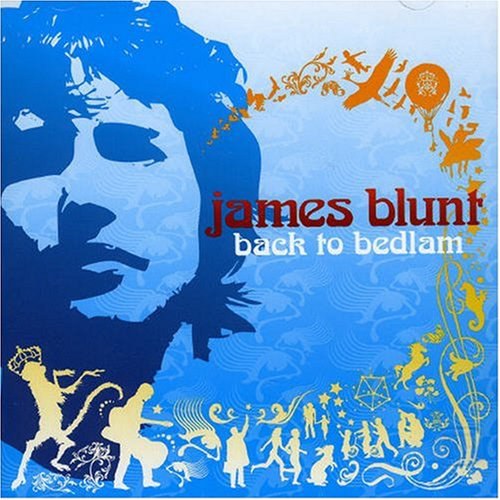
Back to Bedlam
Douban
James Blunt
genre:
Pop
release date 2006-07-10
publisher:
Warner
Back to Bedlam is the debut studio album by the English singer-songwriter James Blunt, released on 11 October 2004 through Atlantic Records. It is named after the famous psychiatric institution of Bethlem Royal Hospital, which is commonly known as Bedlam.

50 Greatest Harry Potter Moments (2011)
50 Greatest Harry Potter Moments IMDb TMDB Douban
other title:
哈利·波特系列的50个精彩瞬间
/
哈利·波特系列的50个最伟大瞬间
…
To mark the release two weeks ago of the eighth and final movie in the series, Robbie Coltrane narrates a countdown of the movie franchise's best moments. From Harry's first meeting with Ron and Hermione aboard the Hogwarts Express through to magical mysteries.

Harry Potter and the Deathly Hallows: Part 2 (2011)
Harry Potter and the Deathly Hallows: Part 2 WikiData IMDb TMDB Douban Min reol Skybridge +3
other title:
哈利·波特与死亡圣器(下)
/
哈利波特7:死神的圣物2(港/台)
…
Harry, Ron and Hermione continue their quest to vanquish the evil Voldemort once and for all. Just as things begin to look hopeless for the young wizards, Harry discovers a trio of magical objects that endow him with powers to rival Voldemort's formidable skills.

It's What I'm Thinking: Photographing Snowflakes
Douban
Badly Drawn Boy
release date 2010-10-12
publisher:
The End Records

The King's Speech (2010)
The King's Speech WikiData IMDb TMDB Douban Min reol Skybridge +3
Tom Hooper
actor:
Colin Firth
/
Geoffrey Rush
…
other title:
国王的演讲
/
皇上无话儿(港)
…
The King's Speech tells the story of the man who became King George VI, the father of Queen Elizabeth II. After his brother abdicates, George ('Bertie') reluctantly assumes the throne. Plagued by a dreaded stutter and considered unfit to be king, Bertie engages the help of an unorthodox speech therapist named Lionel Logue. Through a set of unexpected techniques, and as a result of an unlikely friendship, Bertie is able to find his voice and boldly lead the country into war.

The Architecture of Happiness
Douban
Alain De Botton
publishing house:
Pantheon
2006
- 3
From Publishers Weekly
With this entertaining and stimulating book, de Botton (How Proust Can Change Your Life) examines the ways architecture speaks to us, evoking associations that, if we are alive to them, can put us in touch with our true selves and influence how we conduct our lives. Because of this, he contends, it's the architect's task to design buildings that contribute to happiness by embodying ennobling values. While he makes no claim to be able to define true beauty in architecture, he suggests some of the virtues a building should have (illustrated by pictures on almost every spread): order combined with complexity; balance between contrasting elements; elegance that appears effortless; a coherent relationship among the parts; and self-knowledge, which entails an understanding of human psychology, something that architects all too often overlook. To underscore his argument, de Botton includes many apt examples of buildings that either incorporate or ignore these qualities, discussing them in ways that make obvious their virtues or failings. The strength of his book is that it encourages us to open our eyes and really look at the buildings in which we live and work. A three-part series of the same title will air on PBS this fall. (Oct. 3)
Copyright © Reed Business Information, a division of Reed Elsevier Inc. All rights reserved.
From The Washington Post's Book World/washingtonpost.com
While happily reading Alain de Botton's graceful musings about architectural beauty, I was suddenly struck by the photograph of the Edgar J. Kaufmann House in Palm Springs, Calif., designed by Richard Neutra in 1946. I turned the page to see what de Botton had to say about it:
"The bourgeois couples who lived in Richard Neutra's mid-twentieth-century steel and glass pavilions in California may at times have drunk too much, squabbled, been insincere and overwhelmed by anxiety, but at least their buildings spoke to them of honesty and ease, of a lack of inhibition and a faith in the future."
That was all. Odd, I thought. De Botton never points out that this same Edgar J. Kaufmann commissioned the most beautiful private home in America, Fallingwater. He was. Nor, I discovered after checking the index, does he mention its architect, a certain Frank Lloyd Wright. Not once.
There's no obvious reason why the author of How Proust Can Save Your Life and The Consolation of Philosophy should leave out Wright. Perhaps he simply decided to challenge himself, to see if he could manage the trick, just as the French novelist Georges Perec once published a perfectly readable novel in which none of the words contain the letter E. Certainly, de Botton otherwise reveals his usual wide learning, lyrically deployed. He discusses the neoclassical influence of Palladio, the impact of Horace Walpole's Gothic extravaganza Strawberry Hill on 19th-century building in Britain, the austere concrete housing of Le Corbusier (who once dubbed his sterile tenements "machines for living"). But mysteriously, almost tantalizingly, he avoids the vastly influential, world-famous Wright, whose houses are so serenely beautiful to look at and yet almost impossible to live in comfortably -- at least if you slouch, have children or collect anything. Not surprisingly, The Architecture of Happiness is itself a carefully designed book, tightly constructed around the photographs that appear on virtually every other page. (Another mystery: Which came first, the images or the text?) There are pictures of castles, cathedrals, office buildings, private homes, bridges, hallways, windows, chairs, ironwork. De Botton visits a theme park in Japan built to resemble 17th-century Amsterdam, shows us a 30-foot-high obelisk memorializing a beloved pig, interprets the monumental elegance of the Royal Crescent in Bath, and discusses both the early modern pursuit of functionality and the ancient Japanese esthetic of wabi, which "identified beauty with unpretentious, simple, unfinished, transient things."
Throughout, de Botton argues that the buildings we walk by, work in or come home to affect how we feel. They influence our mood, our sensibility, our very character. No one is likely to disagree with this, especially those of us who dispiritedly sink down into our windowless office cubicles day after day or vainly yearn for just one room, let alone an entire house, like those in Architectural Digest. Alas, much of the time we must simply accept what we are given or settle for what we can afford. For at no point does de Botton seriously address the economics of architecture and interior design. Even if you do it yourself, construction of any kind, especially the highly individualized, is almost prohibitively expensive.
This reality, however, doesn't undercut de Botton's essential point: "Buildings speak -- and on topics which can readily be discerned. They speak of democracy or aristocracy, openness or arrogance, welcome or threat, a sympathy for the future or a hankering for the past." In short, "they speak of visions of happiness." De Botton attempts to understand aspects of that happiness by touching on the achievements or failures of particular styles and constructions. He offers us, in effect, a handsome photo album printed on coated stock, augmented by thoughtful, highly polished paragraphs and pensées. Time after time, his descriptions neatly capture the distinctiveness and character of even the most unusual buildings. Admittedly, those who prefer their sentences strictly functional may sometimes judge de Botton's a tad lyrical, just as his mini-essays risk sounding a little gushy. For the most part, though, he keeps his balance, largely through his quiet intelligence, passionate conviction and the charm of a personality lightly tinged with melancholy:
"The failure of architects to create congenial environments mirrors our inability to find happiness in other areas of our lives. Bad architecture is in the end as much a failure of psychology as of design. It is an example expressed through materials of the same tendency which in other domains will lead us to marry the wrong people, choose inappropriate jobs and book unsuccessful holidays: the tendency not to understand who we are and what will satisfy us.
"In architecture, as in so much else, we cast around for explanations to our troubles and fix on platitudinous targets. We get angry when we should realize we are sad and tear down ancient streets when we ought instead to introduce proper sanitation and street lights. We learn the wrong lessons from our griefs while grasping in vain for the origins of contentment.
"The places we call beautiful are, by contrast, the work of those rare architects with the humility to interrogate themselves adequately about their desires and the tenacity to translate their fleeting apprehensions of joy into logical plans -- a combination that enables them to create environments that satisfy needs we never consciously knew we even had."
De Botton concludes his book with an even more heartfelt plea: We must strive to build in a manner worthy of the meadows and woods we are destroying. "We owe it to the fields that our houses will not be inferiors of the virgin land they have replaced. We owe it to the worms and the trees that the buildings we cover them with will stand as promises of the highest and most intelligent kind of happiness."
Copyright 2006, The Washington Post. All Rights Reserved.
From Bookmarks Magazine
Alain De Botton, author of How Proust Can Change Your Life, The Art of Travel, and Status Anxiety, among other books, takes a humanistic approach in Architecture of Happiness and explores the ways in which our built environment affects us. He occasionally overindulges in florid prose, but critics agree that his more general observations of architecture are sound and interesting, if not entirely novel. The average reader will find much of interest in the broad range of eras, places, and styles that de Botton discusses. Well-placed photographs illustrate each point in the text. The book is so visual, in fact, that the BBC is making a three-part television series based on it, to air on PBS this fall.
Copyright © 2004 Phillips & Nelson Media, Inc.
Review
"De Botton is a lively guide, and his eclectic choices of buildings and locations evince his conclusion, that “we should be as unintimidated by architectural mediocrity as we are by unjust laws.”
—The New Yorker
The next time I'm at a party, and the conversation turns to "serious topics," like what the stock market did today, I think I'll suggest we talk about something more important: architecture. I'll ask the investment banker why he bought the house he did and insist he answer the question. And then I'll start quoting Alain de Botton.
—The National Post
If this book were a building, it would be a contemporary reading room, I think, with big windows, and clean, built-in bookshelves with a fold-out step ladder just right for fetching slim volumes from the top shelf. The elegant clarity and brisk humour of his style, accompanied by pages of photos, opens your eyes to the rich possibility of thinking about your home, and your city, in a new way.
—The Toronto Star
"De Botton's books are the literary equivalent of the Slow Food movement. They demand to be lingered over, not because the concepts are difficult but because they are rich and deep. Be prepared to put down your book frequently and turn his last few sentences over in your mind, testing his theses against the rooms and buildings you know well."
—The Globe and Mail
"In this simple, entertaining and brilliant book, Alain de Botton explores how architecture speaks to us and why it affects all aspects of human life. His great strength is to explain things we always knew but never understood."
—Christopher Hume, Architecture Critic, Toronto Star
“How did we ever manage without de Botton?”
— Sunday Times (U.K.)
“[de Botton] deals with questions of style, ideas of beauty, notions about why certain structures appeal to us. The author argues that we love beautiful buildings because they solidify ideas we have about ourselves and our world. They put into concrete form our aspirations; they compensate for our human weaknesses; in short, they make us happy. Virtually every page contains a sentence any essayist would be proud to have written. A lyrical and generously illustrated monograph about the intimate relationship between our buildings and ourselves.”
— Kirkus Reviews
“Singlehandedly, de Botton has taken philosophy back to its simplest and most important purpose: helping us live our lives.”
— Independent
Product Description
One of the great but often unmentioned causes of both happiness and misery is the quality of our environment: the kinds of walls, chairs, buildings and streets that surround us.
And yet a concern for architecture and design is too often described as frivolous, even self-indulgent. The Architecture of Happiness starts from the idea that where we are heavily influences who we can be, and it argues that it is architecture’s task to stand as an eloquent reminder of our full potential.
Whereas many architects are wary of openly discussing the word beauty, this book has at its center the large and naïve question: What is a beautiful building? It is a tour through the philosophy and psychology of architecture that aims to change the way we think about our homes, our streets and ourselves.

