写作
Writing for Social Scientists
Douban
Howard S. Becker publishing house: University of Chicago Press 2020 - 9
For more than thirty years, Writing for Social Scientists has been a lifeboat for writers in all fields, from beginning students to published authors. It starts with a powerful reassurance: Academic writing is stressful, and even accomplished scholars like sociologist Howard S. Becker struggle with it. And it provides a clear solution: In order to learn how to write, take a deep breath and then begin writing. Revise. Repeat. This is not a book about sociological writing. Instead, Becker applies his sociologist’s eye to some of the common problems all academic writers face, including trying to get it right the first time, failing, and therefore not writing at all; getting caught up in the trappings of “proper” academic writing; writing to impress rather than communicate with readers; and struggling with the when and how of citations. He then offers concrete advice, based on his own experiences and those of his students and colleagues, for overcoming these obstacles and gaining confidence as a writer. While the underlying challenges of writing have remained the same since the book first appeared, the context in which academic writers work has changed dramatically, thanks to rapid changes in technology and ever greater institutional pressures. This new edition has been updated throughout to reflect these changes, offering a new generation of scholars and students encouragement to write about society or any other scholarly topic clearly and persuasively. As Becker writes in the new preface, “Nothing prepared me for the steady stream of mail from readers who found the book helpful. Not just helpful. Several told me the book had saved their lives; less a testimony to the book as therapy than a reflection of the seriousness of the trouble writing failure could get people into.” As academics are being called on to write more often, in more formats, the experienced, rational advice in Writing for Social Scientists will be an important resource for any writer’s shelf.
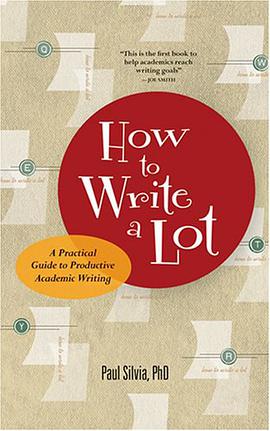
How to Write a Lot
Douban Goodreads
★ 7.8 11 ratings
Paul J. Silvia publishing house: American Psychological Association 2007 - 1
All students and professors need to write, and many struggle to finish their stalled dissertations, journal articles, book chapters, or grant proposals. Writing is hard work and can be difficult to wedge into a frenetic academic schedule. In this practical, light-hearted, and encouraging book, Paul Silvia explains that writing productively does not require innate skills or special traits but specific tactics and actions. Drawing examples from his own field of psychology, he shows readers how to overcome motivational roadblocks and become prolific without sacrificing evenings, weekends, and vacations. After describing strategies for writing productively, the author gives detailed advice from the trenches on how to write, submit, revise, and resubmit articles, how to improve writing quality, and how to write and publish academic work.
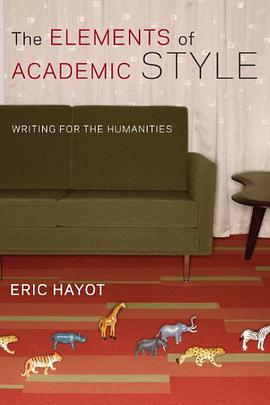
The Elements of Academic Style
Douban
Eric Hayot publishing house: Columbia University Press 2014 - 8
Eric Hayot teaches graduate students and faculty in literary and cultural studies how to think and write like a professional scholar. From granular concerns, such as sentence structure and grammar, to big-picture issues, such as adhering to genre patterns for successful research and publishing and developing productive and rewarding writing habits, Hayot helps ambitious students, newly minted Ph.D.'s, and established professors shape their work and develop their voices. Hayot does more than explain the techniques of academic writing. He aims to adjust the writer's perspective, encouraging scholars to think of themselves as makers and doers of important work. Scholarly writing can be frustrating and exhausting, yet also satisfying and crucial, and Hayot weaves these experiences, including his own trials and tribulations, into an ethos for scholars to draw on as they write. Combining psychological support with practical suggestions for composing introductions and conclusions, developing a schedule for writing, using notes and citations, and structuring paragraphs and essays, this guide to the elements of academic style does its part to rejuvenate scholarship and writing in the humanities.
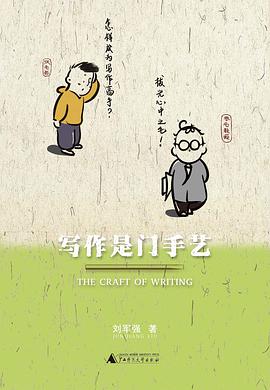
写作是门手艺
Douban
★ 9.1 20 ratings
刘军强 publishing house: 广西师范大学出版社 2020 - 7
酒吧凳子为什么那么高?人一辈子可以看多少书?玻璃和写作有什么关系?防弹背心和写作又有什么关系?这些问题看似与学术无关,但其实都会给论文写作带来不小的启示,书中将会为你一一解答。 从一而终式写作,三步提问法,马奇故事三原则,选题四象限,兰德标题法,WSPC结构……一本书涵盖36大概念干货,从分野、风格、阅读、视角、提问、文献、论证、结构、流动、故事10个角度透析论文;《罗生门》《费马大定理》等46部电影,带你在电影中掌握写作要领;《不必读书目》《常识》《反常识》等80余本精心选择的阅读材料,参考书单不用愁;25幅清华美院艺术家精心绘制漫画,精准还原学生与导师的日常;还有10类短篇写作、26个辩题和问题、48次实操动手机会…… 总而言之,这是一本让你不再因为写不出论文而掉头发的书。
Read
Nov. 26, 2020
按需,良心入门书,有一些小惊喜。就凭我阅读这本书的速度也要给可爱作者的写作打五星。一些细节很让人感动,琐碎的操作性知识正是本科生科研教学的空白。mark:建立学术档案;坚持每天写作直到上瘾(就像阅读一样);利用好口授(这就是为啥很想独立住宿啊);参考文献体现学术水准;坚持分类多样化阅读;选题忌眼高手低。
方法 写作 入门