法国

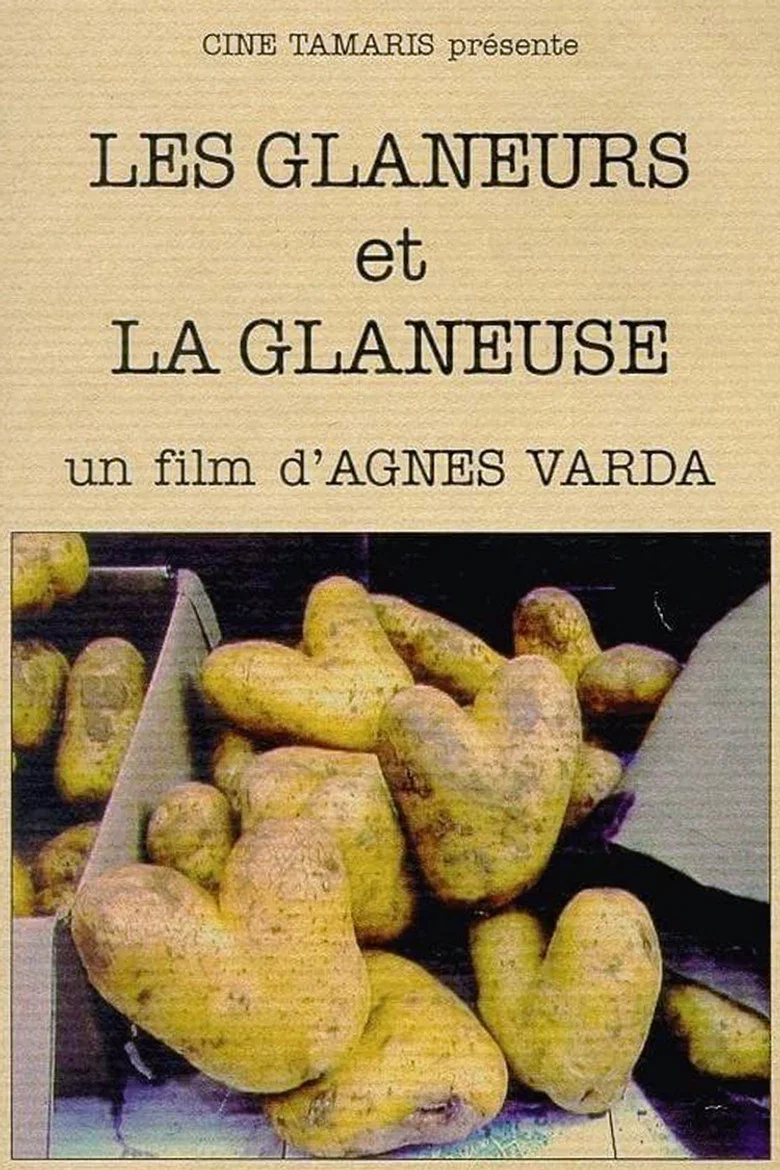
The Gleaners and I (2000)
Les glaneurs et la glaneuse WikiData IMDb TMDB Douban Eggplant.place Skybridge +3
阿涅斯·瓦尔达
actor:
Bodan Litnanski
/
阿涅斯·瓦尔达
…
other title:
La vita è un raccolto
/
Les Glaneurs et la Glaneuse
…
Varda focuses her eye on gleaners: those who scour already-reaped fields for the odd potato or turnip. Her investigation leads from forgotten corners of the French countryside to off-hours at the green markets of Paris, following those who insist on finding a use for that which society has cast off, whether out of necessity or activism.


The Illusionist (2010)
L'illusionniste WikiData IMDb TMDB Douban Bangumi +2
希尔万·肖默
actor:
Jean-Claude Donda
/
Eilidh Rankin
…
other title:
魔术师
/
L'illusionniste
…
2010 animated film about a French magician directed by Sylvain Chomet


I Lost My Body (2019)
J'ai perdu mon corps WikiData IMDb TMDB Douban Bangumi +2
杰赫米·克拉潘
actor:
维克图瓦尔·杜布瓦
/
帕特里克·德阿萨姆曹
…
other title:
我失去了身体
/
J'ai perdu mon corps
…
2019 film by Jérémy Clapin

Fahrenheit 451 (1966)
Fahrenheit 451 WikiData IMDb TMDB Douban Eggplant.place +2
other title:
华氏451度
/
華氏四五一度
…
In the future, the government maintains control of public opinion by outlawing literature and maintaining a group of enforcers, known as “firemen,” to perform the necessary book burnings. Fireman Montag begins to question the morality of his vocation…

Jeanne Dielman, 23 quai du Commerce, 1080 Bruxelles (1975)
Jeanne Dielman, 23 Quai du Commerce, 1080 Bruxelles WikiData IMDb TMDB Douban Eggplant.place +2

Delphine and Carole (2019)
Delphine et Carole, insoumuses WikiData IMDb TMDB Douban
卡利斯托·麦克诺迪
actor:
卡罗尔·罗索普洛斯
/
德菲因·塞里格
…
other title:
德菲因与卡罗尔:反叛缪斯
/
Delphine et Carole, insoumuses
…
In the 70s, actress Delphine Seyrig and director Carole Roussopoulos, both militant feminists, were the pioneers of video activism in France. They documented the demonstrations of French feminists and used the new technologies to counter the poor representation of women in the public media.


Beau Travail (1999)
Beau travail WikiData IMDb TMDB Douban Skybridge +2
Claire Denis
actor:
Denis Lavant
/
米歇尔·索博
…
other title:
军中禁恋
/
Beau travail
…
1999 film by Claire Denis

Like Someone in Love (2012)
Like Someone in Love WikiData IMDb TMDB Douban
阿巴斯·基亚罗斯塔米
actor:
奥野匡
/
高梨临
…
other title:
如沐爱河
/
東京出租少女
…
2012 film by Abbas Kiarostami


Olivia (1951)
Olivia WikiData IMDb TMDB Douban
Jacqueline Audry
actor:
Marie-Claire Olivia
/
Yvonne de Bray
other title:
奥莉维娅
/
The Pit of Loneliness
…
大概是法国第一部描写女同志的故事片吧。
Olivia (also known as Pit of Loneliness) is a 1951 French film directed by Jacqueline Audry. It is based on the 1950 semi-autobiographical novel by Dorothy Bussy. It has been called a "landmark of lesbian representation". Olivia arrives at a finishing school and falls in love with headmistress Mlle. Julie. Mlle. Julie feels the same, but tries to suppress her desire. For her part as Mlle. Julie, Edwige Feuillère was nominated for a BAFTA award for Best Foreign Actress in 1952.
French director Audry made 18 feature films from 1944 to 1972. Her earliest films are prime examples of the French 'tradition of quality.' She favored plots adapted from French literature. Audry is most distinguished from her peers in that her films were primarily focused upon female leads, whereas traditional French cinema is centered around the lives of men. Her most notorious film was 1951's Olivia, which dealt with lesbian relationships.


Athena (2022)
Athena WikiData IMDb TMDB Douban Eggplant.place +2
罗曼·加夫拉斯
actor:
达利·本萨拉赫
/
Sami Slimane
…
other title:
雅典娜
/
Moussa
…
Hours after the tragic death of their youngest brother in unexplained circumstances, three siblings have their lives thrown into chaos.