Beethoven
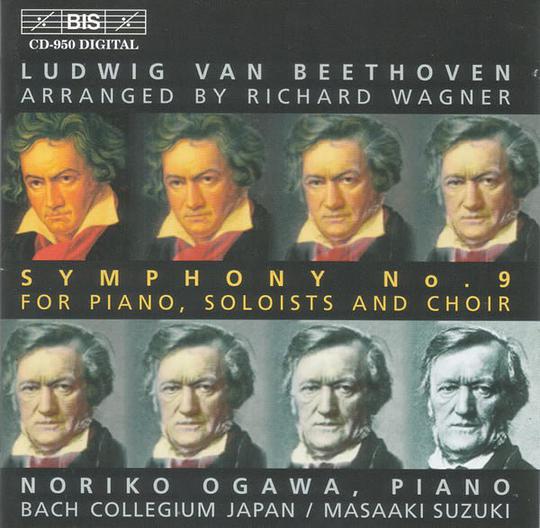
Beethoven: Symphony No 9
Douban
Herbert von Karajan / Berliner Philharmoniker genre: Classical
release date 2006-01-01 publisher: Berliner Philharmoniker
1963年10月15日,新的柏林愛樂音樂廳 ( Berlin Philarmonie )開幕,為慶祝新據點的落成,由卡拉揚帶領柏林愛樂演出貝多芬第九號交響曲(見5月6日網誌)。這場音樂會由Memories發售立體聲版,這幾天CD入手,Memories很妙,在封底資訊欄寫著Kind Permission: Herbert von Karajan Club,CD則在台灣壓片,可惜台灣無管道可買。 以1960年非正規錄音的品質來看,此碟的音質算相當好。 Gundula Janowitz (S) , Sieglinde Wagner (A) , Luigi Alva (T) ,Otto Wiener (Bs) St.Hedwig Cathedrale Chor ,RIAS Kammer Chor 1.Allegro ma non troppo un poco maestoso 15:02 2.Molto vivace 10:06 3.Adagio molto e cantabile 15:58 4.Presto Allegro assai 24:10
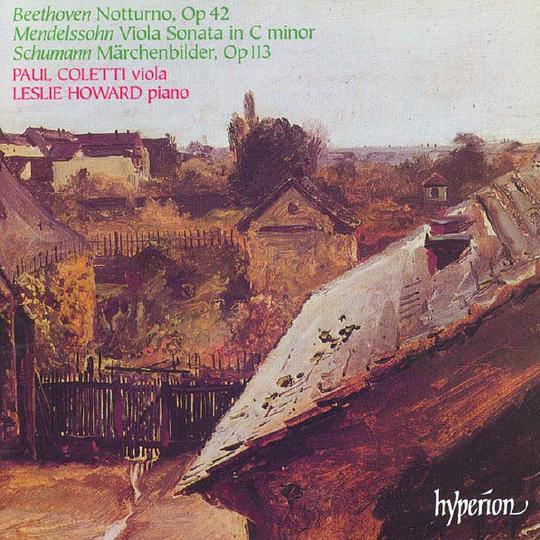
中提琴作品集:贝多芬《夜曲》Op.42;门德尔松:C大调中提琴奏鸣曲;舒曼:《童话插图》Op.113
Douban
Paul Coletti / Leslie Howard genre: Classical
release date 1997-08-12 publisher: Hyperion UK
The Op. 42 Notturno for viola and piano is an arrangement of the 1796-97 Serenade in D, Op. 8, which was scored for violin, viola and cello. But it was not the composer who reduced it to piano and viola here. F. X. Kleinheinz did the arrangement and presented it to Beethoven, who corrected it and approved it for publication in 1804. In the same year Kleinheinz also fashioned an arrangement of Beethoven's Op. 25 Serenade for flute (or violin) and piano, with the composer once more making emendations he deemed necessary for publication, at which time he assigned the opus number 41. There were other instances where Beethoven allowed another hand to transcribe his music: the Op. 104 String Quintet (1817) was an arrangement (now attributed to Kaufmann) of the Op. 1 Trio, No. 3, and the Op. 64 Sonata for Cello and Piano was an arrangement by an unknown party of the Op. 3 String Trio. And there are more such instances. -------------------------------------- Felix Mendelssohn composed three violin sonatas (two of which have only in the last 50 years been re-discovered and published) and, as he moved toward and into his thirties, a pair of cello sonatas. Three-quarters of the members of a standard string quartet are thus satisfied; and the other quarter will quickly tell you that Mendelssohn also, in fact, satisfied, or at least tried to satisfy, them -- for in 1824 he composed something most remarkable for the time: a Sonata for viola and piano in C minor. Mendelssohn's Viola Sonata is not actually unique for its day -- other composers had applied, were applying, and would apply the instrument to the genre. But still there certainly aren't many Classical or early-Romantic viola sonatas. The sonata is by date early Mendelssohn; Mendelssohn was 15 when he signed his name to the piece on February 14, 1824 (he was in fact just a week and a half past his 15th birthday). There is, however, nothing juvenile about the music it contains, and if in his adulthood he wrote superior music, that is a comment not regarding the Viola Sonata's shortcomings, but rather Mendelssohn's own outstanding -- if not always fully used -- gifts. The composer was himself a keen violinist and violist in his youth (it is well-known that he played one of the viola parts in an early performance of his Octet in E flat), and he clearly understands all of the difficulties that come hand-in-hand with composing for viola. He is sure to keep the piano writing transparent and lean so that the viola and its musically unwieldy register can shine through at any moment. There are three movements. 1. Adagio -- Allegro, in the usual sonata-allegro form; 2. Menuetto (Allegro molto), with a slightly slower, chorale-like trio section; and 3. Andante con Variazioni, in which the violist occasionally drops out so that the pianist might let loose a bit and draw some thicker, more opaque sounds from the instrument. ----------------------------------- Robert Schumann's little-known Märchenbilder (Fairytale Pictures) for viola and piano (alternately for violin and piano, by the composer's own indication) were composed during March of 1851, during his brief and relatively unhappy tenure as conductor at Düsseldorf. Chronologically, these four fantasy pieces occupy the space between the two sonatas for violin and piano, though they can hardly be said to inhabit the same emotionally conflicted world. Instead, they draw the listener into that same glistening world of fantasy and childlike imagination that, many years earlier, drew from him some of the most beloved piano music in the repertory. However, twenty years of further experience and the first signs of approaching madness grant to these seemingly simple portraits an almost desperate sense of escapism lacking in the earlier piano works. The first of the four Märchenbilder, marked Nicht schnell (Not fast), features a somber melody in D minor that recurs throughout the piece in a variety of guises. Lebhaft (spirited), which follows, is a kind of truncated rondo that contrasts its main, exuberant, theme with two much gentler digressions, while pitting the violin and piano against one another in friendly competition. Rasch (swift or brisk), a vehement moto perpetuo, follows. A secondary motive, announced by the piano in the fifth bar of the piece, is of rhythmic interest and considerable importance. The final piece of the group is set in the traditionally happy key of D major, but is nevertheless marked Langsam, mit melancholischem Ausdruck (Slowly, with melancholy expression). Its sonorous texture seems to presage the Adagio of Johannes Brahms' D minor violin sonata.
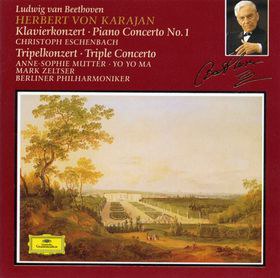
贝多芬:第一钢琴协奏曲/三重协奏曲
Douban
Herbert von Karajan / Christoph Eschenbach … genre: Classical
release date 1991-09-30 publisher: DG
C大调第一号钢琴协奏曲,作品完成于1798 年,并于当年在布拉格首演。虽名为《第一号》钢琴协奏曲,却比他的《降 B大调第二号钢琴协奏曲》的完成要晚三年,只是由于前者出版早而被定为第一号。从作品本身来看,第一号比第二号要成熟许多,在管弦乐法上,本曲已加入了单簧管、小号与定音鼓等乐器。这部作品是贝多芬年轻时代的代表作之一。 全曲共分三个乐章: 第一乐章 灿烂的快板,C大调,4/4拍子,协奏风奏鸣曲形式。音乐意气风发, 主部主题坚定有力,副部主题优雅柔美。 整个乐章旋律虽然平稳,但渐渐装饰得异常华丽,主奏钢琴的技巧性很强。 第二乐章 最缓板,降A大调,2/2拍子,三段体。 曲调抒情、柔美,平缓如歌的主题平和、安宁,充满希望。 第三乐章 诙谐的快板,C大调,2/4拍子,回旋曲形式。主奏钢琴若无其事地奏出了回旋主题,显得非常轻快,错落有致的节奏显得朝气蓬勃。随后是管弦乐充满气势的反复,主奏钢琴在发展部分,充分体现出作者日趋成熟的作曲技巧。最后,在一种排山倒海的气势之下,全曲结束。 --------------------------------- 贝多芬为小提琴、大提琴、钢琴与乐队而作的《三重协奏曲》 (作品56号) 与那些具有反映历史重大题材与博大精深充满人类至爱、每个音符都迸发着思想火花的交响曲相比有着很大的差别.这首《三重协奏曲》创作于1803年.当时愤世嫉俗的贝多芬在写作他的《英雄交响曲》的同时, 又要为取悦于他的一位贵族学生同时也是他的主要经济赞助人鲁道夫公爵而创作.这位鲁道夫公爵曾经当了贝多芬20多年的钢琴学生, 在此期间他曾经给予过贝多芬以极为丰厚的报酬与物质资助, 从而使贝多芬能得以减轻生活的重负而专心从事作曲并为世人留下了众多的惊世骇俗之作.从这个意义上讲, 鲁道夫公爵的善举确实值得称颂.贝多芬为了感谢公爵遂决定创作一首作品题献给他, 以示回报.运用什么体裁写作使贝多芬大伤脑筋, 虽然当时公爵已做了贝多芬多年的学生, 但据资料证实, 鲁道夫公爵的琴艺仍属极为一般.贝多芬为了让这位特殊的学生能在当时的上流社会社交场所中具有显山露水公开上台演奏的机会与能力, 于是在反复思量后便决定采用以三重奏协奏曲的形式来进行音乐创作. 《三重协奏曲》(即《C大调钢琴、小提琴与大提琴协奏曲》)是贝多芬运用小提琴、大提琴、钢琴三件乐器的组合与交响乐队相对置形式写成的一首协奏曲.在这首作品中, 贝多芬将室内乐纤细温暖的重奏形式与大型的具有磅礴气势的交响性协奏曲形式有机地结合在一起, 从而产生出一种生机盎然的新形式.虽然这一形式并非由贝多芬所创立, 并且这首乐曲的艺术成就和音乐价值在音乐史上也不能算做是经典之作, 但是它的问世及音乐表现力的充分展现, 却为以后的浪漫主义创作拓宽了思路、树立了典范.
贝多芬:第九交响曲、埃格蒙特序曲
Douban
恩斯特·黑夫林格
release date 2005-10-01 publisher: 中国录音录像出版总社
《必备的贝多芬第九交响曲合唱爱格蒙特序曲》“贝九”乃交响乐的巅峰作品之一,《爱格蒙特》序曲则是贝多芬最成功的序曲。指挥奇才费伦茨·弗里乔伊与柏林爱乐珍稀合作,重现贝多芬伟大作品中的精神火花,录音版本中的稀世珍宝! 柏林爱乐于DG的第一张立体声录音唱片,DG二战后首张以黄色商标发行的立体声录音唱片!推荐曲目——“爱格蒙特”序曲、“D 小调第九“合唱”交响曲”第四乐章。“D小调第九“合唱”交响曲”是贝多芬具有深邃思想、宏伟构思、富有哲理性的宏篇巨著,是所有交响曲中的最高成就。2002年,联合国教科文组织将这首伟大的交响曲列为人类文化遗产。“爱格蒙特”序曲是贝多芬于1809-1810年为同时代诗人哥德的一个历史悲剧“爱格蒙特”所创作的序曲及戏剧配乐,剧中的佛兰德贵族爱格蒙特反抗西班牙的暴力统治,于1567年被斩首。其序曲成为受欢迎的音乐会曲目,后经常单独上演。 颇具传奇色彩的匈牙利指挥大师弗里乔伊指挥柏林爱乐乐团在1958年录制的这张贝多芬的“爱格蒙特”序曲和“第九“合唱”交响曲”是比卡拉扬的1960年代版《贝多芬交响曲全集》更早的DG立体声录音,亦是柏林爱乐乐团在DG公司的第一张立体声录音,更是DG唱片公司在二战后首张以“黄色商标”发行的立体声录音唱片,此版唱片在1992年曾经以“档案”系列再版发行。由于弗里乔伊的录音作品弥足珍贵,这两首贝多芬重头作品的录音更是其中翘楚。弗里乔伊是20世纪最伟大的匈牙利指挥家,他指挥柏林爱乐的诠释的第九交响曲完全摒弃了德国乐团常有的缺点,将这首宏大的作品处理得波澜壮阔,注入了理性的思考与浪漫的激情,惊心策动了高潮迭起的气势,处处闪烁着“人类精神的火花”。而费舍尔-迪斯考、泽弗里德,黑弗里格三人则构成了弗里乔伊合唱阵容的中流砥柱,精彩的演唱、特别是合唱进入前的一段男中音引子宣叙调,著名歌唱家费舍尔-迪斯考的气魄使人为之一振。 LUDWIG VAN BEETHOVEN 路德维希·范·贝多芬(1770-1827) Overture "Egmont" Op.84 《爱格蒙特》序曲作品84号 8:58 01 Sostenuto ma non troppo-Allegro 不过分的绵延-快板 Symphony No.9 in D Minor Op.125 D小调第九交响曲 作品125号 68:24 02 Ⅰ.Allegro ma non troppo,un poco maestoso 第一乐章:快板,但不太快,稍庄严的 16:42 03 Ⅱ.Molto vivace 第二乐章:十分活泼的 10:31 04 Ⅲ.Adagio molto e cantabile 第三乐章:如歌而很慢的柔板 18:00 05 Ⅳ.Presto- 第四乐章:急板- 06:13 06 Presto-"O Freunde,nicht diese tone!"-Allegro assai 急板-“啊,朋友,不要这种声音”-很快的快板 16:58 (末乐章的合唱选自席勒《欢乐颂》) 女高音:伊姆格莱德·泽弗里德 女中音:莫琳·福里斯特 男高音:恩斯特·黑夫林格 男中音:迪特里希·费舍尔-迪斯考 合唱指挥:卡尔·福里斯特 圣赫德维格大教堂合唱团演唱 指挥:弗里乔伊/柏林爱乐乐团
贝多芬:帝皇钢琴协奏曲
Douban
卢比杰拉电台交响乐团 / 伦敦交响乐团 …
publisher: 雨果唱片
降E大调,第五号钢琴协奏曲《帝皇》,本曲是贝多芬所有的钢琴协奏曲作品中,规模最为庞大的一部,故常被人称为《“帝皇”协奏曲》。而事实上,本曲也确实具有堂堂王者风范。但是“帝皇”这一标题并不是贝多芬自己命名的,也不可能和某一位特定的“帝皇”有关,公认的说法是由于本曲在当时被誉为无可争议的“协奏曲之王”,故此得名,并沿用至今。在本曲中,作曲技巧炉火纯青的贝多芬,又设计出众多崭新的思路,整部作品在平稳的结构中蕴含着壮阔的波澜、变化无穷的旋律,尤其以主奏钢琴的花奏开始的第一乐章,一开始便给听众以极端宏伟、华丽的印象。 贝多芬自1808年开始着手创作此曲,并于第二年完成。当时由于拿破仑率领法军占领了维也纳,使得本曲迟迟不能上演。据说在法军四处作乱的时节,贝多芬曾遇见法军军官,他握紧拳头,咬牙切齿地说:“如果我对于战术也像对对位法一样有深入了解的话,非给你一点颜色看看不可!”直到1811年,本曲才在德国的莱比锡得以首次公演。当时的音乐杂志《大众音乐报》曾这样评价本曲:“毫无疑问,这是所有已经创作出来的协奏曲中最富创造力、最富想象力和最引人注目的作品,同时也是在技巧上最为艰深的一部。”
Friscay:Beethoven Symphonies3 5 7 8
Douban
Ferenc Fricsay
release date 1998-01-01 publisher: DG
Listened
June 28, 2010
从意气风发到垂死之人,四首交响曲向我们全面展示了一个真实的弗里乔伊的心路历程。这里的贝五是我听过的最富寓情感的命运,这里的英雄就是弗里乔伊自己,那个与病魔不屈斗争的人
弗里乔伊 Fricsay 柏林爱乐乐团 symphony DG
Dec. 14, 2010 Review 比“悲怆”更悲怆的命运 - a review of Friscay:Beethoven Symphonies3 5 7 8
EVA 交响乐
Douban
★ 9.2 19 ratings
Derrick Inouye / 日本新交响乐乐团 genre: Classical
release date 1997-12-22 publisher: キングレコード
昨年おおいに話題になったアニメ「エヴァ」中のクラシック曲を新日本フィルでライブ録音。マニアには曲間MCを担当する主要声優のトークが重要かもしれないが,やはりベートーヴェン・第九のダイナミズム,カノンの美しい旋律を堪能してほしい好録音盤。
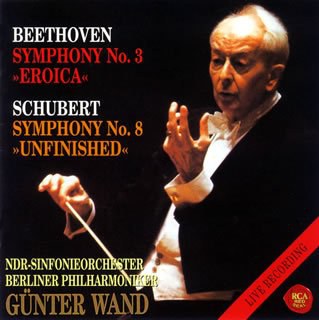
Gunter Wand:Beethoven Symphony No.3/Schubert Symphony No.8
Douban
Gunter Wand / NDR Sinfonieorchester genre: Classical
release date 2007-11-07 publisher: BMG JAPAN
《贝多芬"英雄"舒伯特"未完成"》《第三“英雄”交响曲》是一部伟大的作品,到处洋溢着战斗的气息和自由的理念,是贝多芬留给后人的最宝贵的精神财富。乐曲本来要呈献给拿破仑,却因拿破仑即位称帝,贝多芬便愤而改了原题为“献给拿破仑·波拿巴”的题词,重写了“为纪念一位伟大的人物而写的英雄交响曲”的扉页。 通常被人们称为“未完成交响曲”的《第八交响曲》,不仅是舒伯特交响曲中最杰出的作品,也是浪漫主义音乐的绝世佳作。独特的作曲手法是它成为世界上最受欢迎的交响曲之一的重要原因。 德奥传统指挥大师旺德领衔北德广播交响乐团和柏林爱乐乐团为这两部伟大作品做出了经典的诠释,他们的演奏沉稳流畅,使这张唱片成为当今最富德国厚重音色的唯一名演名版,也成为《日本唱片艺术》特选版本。 ●贝多芬“为纪念一位伟大的人物而写的英雄交响曲”和舒伯特完美无缺的“未完成”交响曲 ●当今最富德国厚重音色的唯一版本,绝对睥睨现有任何版本 音乐史上两部伟大交响曲 《日本唱片艺术》特选。北德广播交响乐团 柏林爱乐乐团/君特·旺德 指挥。