传染病
Global tuberculosis report 2019
Global tuberculosis report 2019 Douban
World Health Organization 2019
The World Health Organization (WHO) has published a global TB report every year since 1997. Its purpose is to provide a comprehensive and up-to-date assessment of the TB epidemic, and of progress in the response to the epidemic, at global, regional and country levels, in the context of global commitments and strategies. The report is based primarily on data gathered by WHO in annual rounds of data collection, and databases maintained by other multilateral agencies. In 2019, data were reported by 202 countries and territories that account for more than 99% of the world’s population and estimated number of TB cases.
血疫
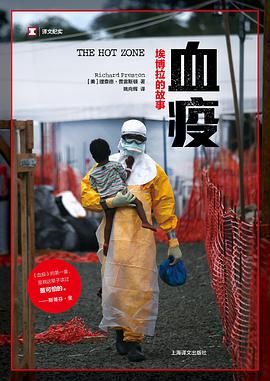
THE HOT ZONE Douban
★ 8.6 262 ratings
[美] 理查德·普雷斯顿 translator: 姚向辉 publishing house: 上海译文出版社 2016 - 3
文明与病毒之间,只隔了一个航班的距离。 来自热带雨林的危险病毒,可在24小时内乘飞机抵达地球上的任何城市。航空线路连接了全世界的所有城市,构成网络。 埃博拉已经进入网络,开始环球旅行。 卡尔•约翰逊,埃博拉病毒的发现者之一,他在病毒探索史上是个大人物,发现并命名了地球上好几种最危险的病原体。 “大自然并不平静,我很高兴,”他这么说,“但在今天这样的日子里,咱们就当大自然很平静好了。所有怪物和猛兽都有平静的时刻。” “扎伊尔当时发生了什么?”我问。 “我们抵达金沙萨的时候,那儿根本就是个疯人院,”他说,“我们知道那里的情况很糟糕,我们知道我们在和某种新病毒打交道。我们不知道它能不能像流感那样,通过空气中的悬浮液滴传播。假如埃博拉能轻易通过空气传播,今天的世界恐怕就大不一样了。” “会怎么样?” “人类会少很多。假如一种病毒与呼吸系统密切相关,那么你想控制住它就非常困难了。我心里想,假如埃博拉具备高致死率,又能通过液滴传播,那么全世界就不存在安全的地方了。与其在伦敦歌剧院被传染,还不如去爆发中心工作呢。” “你担心那会是一次威胁整个人类的危机吗?” 他盯着我。“这话什么意思?” “意思是一种能抹平人类的病毒。” “唔,我想有这个可能性——当然到现在还没有出现。我并不担心那个。更有可能的是这种病毒有能力按比例减少人口。比方说百分之三十。百分之九十。” “人类被杀死十分之九?你不担心?” 他脸上闪过一丝神秘的沉思表情。“假如一种病毒能减少一个物种的密度,那么这种病毒也许还是有用的。” 这就是大自然。仔细想一想,从河流到海洋,大自然充满了杀手。
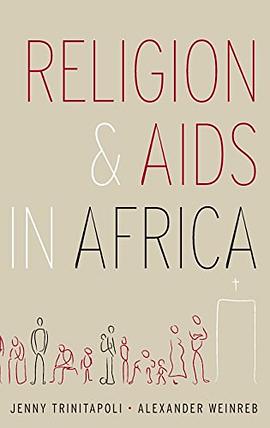
Religion and AIDS in Africa
Douban
Jenny Trinitapoli / Alexander Weinreb publishing house: Oxford University Press 2012 - 8
The true role of religion in the AIDS epidemic in Africa has been debated for years: some scholars and activists claim that religious groups have provided much-needed education and assistance to those afflicted with the disease, and others argue that religion has contributed to the spread and stigmatization of AIDS. Drawing upon extensive fieldwork in Malawi and survey data from 26 other sub-Saharan African countries, Jenny Trinitapoli and Alexander Weinreb provide the first comprehensive empirical account of how religious groups affect the spread of knowledge, prevention, and mitigation of AIDS in sub-Saharan Africa. Trinitapoli and Weinreb identify religious patterns in the infection of HIV, examine differences across religions in risk and preventive behaviors, and discuss the role of religion in the provision of assistance to the sick and their families. Their study also shows how religious groups shape social and cultural interpretations of AIDS, addressing such issues as the discouragement of condom-use and the promotion of restrictions on sexual behavior. This volume confirms the central role played by religious narratives and institutions in the epidemic - a reprise of religion's role in historical plagues. Yet the book also shows that different religious traditions and denominations vary widely in their approach to the AIDS epidemic, particularly in their approach to care of the sick and their families. These different approaches have significant implications for the trajectory of religious change, and, more broadly, for social solidarity in African states.