
StephenKrashen
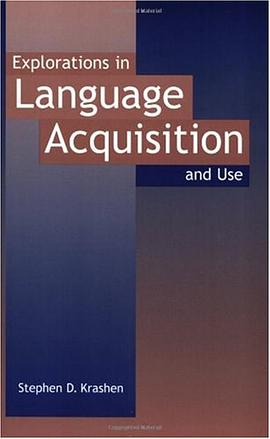
Explorations in Language Acquisition and Use
Douban
Stephen D. Krashen
publishing house:
Heinemann
2003
- 1

The Power of Reading
Douban
Stephen D. Krashen
publishing house:
Libraries Unlimited
2004
- 8
Continuing the case for free voluntary reading set out in the book's 1993 first edition, this new, updated, and much-looked-for second edition explores new research done on the topic in the last ten years as well as looking anew at some of the original research reviewed. Krashen also explores research surrounding the role of school and public libraries and the research indicating the necessity of a print-rich environment that provides light reading (comics, teen romances, magazines) as well as the best in literature to assist in educating children to read with understanding and in second language acquisition. He looks at the research surrounding reading incentive/rewards programs and specifically at the research on AR (Accelerated Reader) and other electronic reading products.

Foreign Language Education the Easy Way
Douban
Stephen D. Krashen
publishing house:
Language Education Assocs
1998
- 3
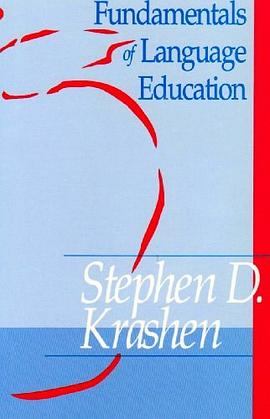
Fundamentals of Language Education
Douban
Stephen D. Krashen
publishing house:
SRA/McGraw-Hill
2001
- 2
Second language acquisition is explored in this title by the preeminent researcher and theorist Stephen Krashen. Included are these main topics: Acquisition vs Learning, Natural Order, Monitor, Input and Affective Filter.
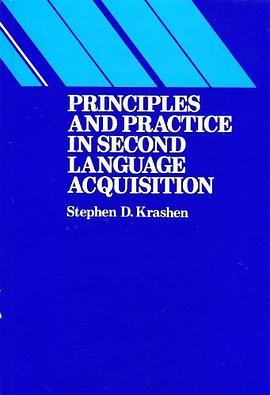
Principles and Practice in Second Language Acquisition
Douban Goodreads
Stephen D. Krashen
publishing house:
Prentice-Hall
1982
- 1
This text explores the relationship between second language teaching practice and what is known about the process of second language acquisition and summarizes the current state of second language acquisition theory.<br />-- Draws general conclusions about the application of theory to methods and materials and describes the characteristics that effective materials should include.<br />-- Concludes that language acquisition occurs best when language is used for the purpose for which it was designed: communication.
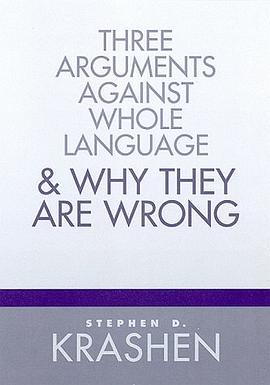
Three Arguments Against Whole Language & Why They Are Wrong
Douban
Stephen D. Krashen
publishing house:
Heinemann
1999
- 2