新清史
帝国之裘 Douban Goodreads
A World Trimmed with Fur: Wild Things, Pristine Places, and the Natural Fringes of Qing Rule
author: [美]谢健 translator: 关康 publishing house: 北京大学出版社 2019 - 7
本书荣膺2018年美国亚洲历史学会列文森奖。
乾隆帝曾经盛赞过东北丰饶的物产和独特的自然环境,认为满洲大地是资源富集之地,也是自然生命力的源泉。这里的土地山川生生不息,养育了满洲人以及清朝皇室的祖先,也使其分享了素朴纯真和不竭的生命力。
清朝皇帝通过进贡制度,向满洲和蒙古地区征收毛皮、珍珠、蘑菇、人参等珍稀物产,这些物产不仅仅是物产,而且代表其产地所具有的纯真、丰饶、充满生机等象征意义,作为一种永恒的家园,与皇室有着密切的依存关系。
但这种进贡制度渐渐对满洲和蒙古地区产生了深远的影响,不仅仅造成了环境退化的后果,还形成了复杂的开发与控制的制度和组织。
作者是新清史的新锐,利用了大量满蒙文献,在对东北和蒙古环境史的考察中发现了皇帝对于北部边疆的想象、进贡体系与自然环境的恶化、清朝的奢侈品贸易和消费等诸多因素复杂的互动关系,为我们理解清朝边疆历史提供了新颖的视角。
Dec. 19, 2019 read “一个貂皮镶边的世界”是最好的隐喻,“自然”从来都是创造物。借用一场环境危机/变迁(doom to be)及清廷反应,烛照出清帝国的几个特点,颇有启发。1,与白银帝国类似,一个以中国为支点的从太平洋到美洲的跨地区贸易。2,边疆本是一个混合体,环境危机诱因下的帝国进驻,其实将族群和地域差异制度化,“保护自然”同时是塑造臣民。3,清廷高度重视物质的生产与流通。可能物不明确的ownership始终带着超越界限的潜在威胁。 三章个案剥丝抽茧,不过似乎讲的是同一件事情。整本书的诉求高度明确,外行人不懂门道,但也未免有些自我划界、过于明晰了。
东北 新清史 满洲
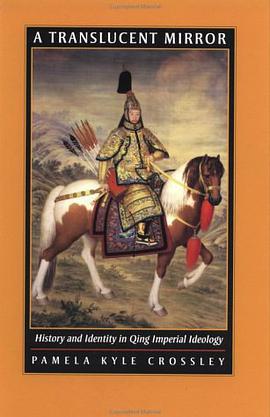
A Translucent Mirror Douban
author: Pamela Kyle Crossley publishing house: University of California Press 2002 - 4
In this landmark exploration of the origins of nationalism and cultural identity in China, Pamela Kyle Crossley traces the ways in which a large, early modern empire of Eurasia, the Qing (1636-1912), incorporated neighboring, but disparate, political traditions into a new style of emperorship. Drawing on a wide variety of primary sources, including Manchu, Korean, and Chinese archival materials, Crossley argues that distortions introduced in seventeenth- and eighteenth-century historical records have blinded scholars to the actual course of events in the early years of the dynasty. This groundbreaking study examines the relationship between the increasingly abstract ideology of the centralizing emperorship of the Qing and the establishment of concepts of identity in the seventeenth and eighteenth centuries, before the advent of nationalism in China. Concluding with a broad-ranging postscript on the implications of her research for studies of nationalism and nation-building throughout modern Chinese history, A Translucent Mirror combines a readable narrative with a sophisticated, revisionary look at China's history. Crossley's book will alter current understandings of the Qing emperorship, the evolution of concepts of ethnicity, and the legacy of Qing rule for modern Chinese nationalism.