J.D.Salinger
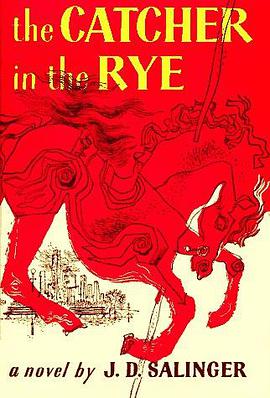
The Catcher in the Rye
Douban
★ 8.9 34 ratings
J·D·SALINGER publishing house: Little, Brown and Company 1951 - 7
Anyone who has read J. D. Salinger's New Yorker stories - particularly A Perfect Day for Bananafish, Uncle Wiggily in Connecticut, The Laughing Man, and For Esme - With Love and Squalor, will not be surprised by the fact that his first novel is full of children. The hero-narrator of The Catcher in the Rye is an ancient child of sixteen, a native New Yorker named Holden Caulfield. Through circumstances that tend to preclude adult, secondhand description, he leaves his prep school in Pennsylvania and goes underground in New York City for three days. The boy himself is at once too simple and too complex for us to make any final comment about him or his story. Perhaps the safest thing we can say about Holden is that he was born in the world not just strongly attracted to beauty but, almost, hopelessly impaled on it. There are many voices in this novel: children's voices, adult voices, underground voices-but Holden's voice is the most eloquent of all. Transcending his own vernacular, yet remaining marvelously faithful to it, he issues a perfectly articulated cry of mixed pain and pleasure. However, like most lovers and clowns and poets of the higher orders, he keeps most of the pain to, and for, himself. The pleasure he gives away, or sets aside, with all his heart. It is there for the reader who can handle it to keep. Salinger's classic coming-of-age story portrays one young man's funny and poignant experiences with life, love, and sex.
Read
June 18, 2013
第一遍读的时候认为是本烂书浪费了时间,第二遍读的时候搞明白这本书为什么能够成为经典。某种方面来说,跟霍顿一样想知道公园里的野鸭冬天去了哪里,还好现在有百度百科。对活得不自在又不愿去活出自在的“书中人”,依然喜欢不起来。
J.D.Salinger 美国文学
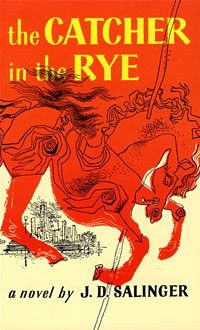
The Catcher in the Rye
Douban Skybridge
★ 9.2 19 ratings
J.D. Salinger publishing house: Little, Brown and Company 1991 - 5
The hero-narrator of The Catcher in the Rye is an ancient child of sixteen, a native New Yorker named Holden Caulfield. Through circumstances that tend to preclude adult, secondhand description, he leaves his prep school in Pennsylvania and goes underground in New York City for three days. The boy himself is at once too simple and too complex for us to make any final comment about him or his story. Perhaps the safest thing we can say about Holden is that he was born in the world not just strongly attracted to beauty but, almost, hopelessly impaled on it. There are many voices in this novel: children's voices, adult voices, underground voices-but Holden's voice is the most eloquent of all. Transcending his own vernacular, yet remaining marvelously faithful to it, he issues a perfectly articulated cry of mixed pain and pleasure. However, like most lovers and clowns and poets of the higher orders, he keeps most of the pain to, and for, himself. The pleasure he gives away, or sets aside, with all his heart. It is there for the reader who can handle it to keep. J.D. Salinger's classic novel of teenage angst and rebellion was first published in 1951. The novel was included on Time's 2005 list of the 100 best English-language novels written since 1923. It was named by Modern Library and its readers as one of the 100 best English-language novels of the 20th century. It has been frequently challenged in the court for its liberal use of profanity and portrayal of sexuality and in the 1950's and 60's it was the novel that every teenage boy wants to read.
Read
March 18, 2013
经济基础决定上层建筑。Holden的外在环境还是太舒服了,有钱,有物资,浪迹天涯什么的只不过是说说而已。没有吃过真正的苦头,强说愁而已。(虽然自己也一样。)
J.D.Salinger SATPrep