电影研究
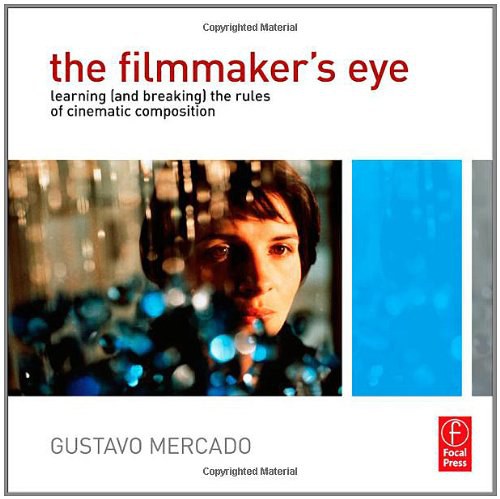
The Filmmaker's Eye
Gustavo Mercado Douban
Gustavo Mercado publishing house: Routledge 2010 - 9
This is the only book that combines conceptual and practical instruction on creating polished and eloquent images for film and video with the technical know-how to achieve them. Loaded with hundreds of full-color examples, The Filmmaker's Eye is a focused, easy-to-reference guide that shows you how to become a strong visual storyteller through smart, effective choices for your shots. After a short introduction to basic principles, a variety of shots are deconstructed in the following format: Why It Works: an introduction to a particular type of shot How It Works: callouts point out exactly how the shot works the way it does--the visual rules and technical aspects in action Technical Considerations: the equipment and techniques needed to get the shot. Breaking the Rules: examples where the "rules" are brilliant subverted This book: Helps you make smart visual choices with this quick, focused, and visual guide to cinematic composition. Shows you how to master the rules, then break them. Includes examples and discussions from a range of international films. Amazon Exclusive: A Letter from Gustavo Mercado on The Filmmaker’s Eye: Learning (and Breaking) the Rules of Cinematic Composition Dear Amazon Readers, Although there are other books out there that deal with the principles of visual composition, I always wanted to have a guide that specialized in the specific requirements that are inherent to the composition of shots intended for telling stories with moving images, also known as cinematic composition. The reason for the differentiation is simple: the composition of shots for movies has developed its own set of conventions, sometimes appropriating concepts from other art forms (like painting or still photography), but also creating its own aesthetic principles and visual language because of its unique characteristics (the fixed size of the frame, the movement of the subject and/or camera, the technology used to capture images, the way images are shown in conjunction with other images, etc.). As you can probably guess, I never found such a guide, so I decided to write The Filmmaker’s Eye: Learning (and Breaking) the Rules of Cinematic Composition to fill the gap in this critical area of filmmaking. This book combines, for the first time, a specialized, focused guide to the most common and basic shots of the film vocabulary, from the extreme close up to the extreme long shot (also including chapters on the over the shoulder, macro, establishing, and moving camera shots). The Filmmaker’s Eye examines the main aspects that make these shots work: the rules of cinematic composition used in their creation, the techniques and equipment necessary to implement them, and their most common narrative function as shown in examples from mainstream, independent, and world cinema. This approach allows you to understand not only why a particular shot type is usually composed in a certain way, but also how it is used to convey meaning and how to shoot it whether you are working on film or HD video. It is my sincerest wish that this book will help deepen your understanding of cinematic composition, whether you are on a film shoot setting up your next shot, or just enjoying one of your favorite movies. Have fun! --Gustavo Mercado Amazon Exclusive: Top Ten Tips from Gustavo Mercado to Improve Your Cinematic Compositions Use a director’s viewfinder, a still camera, or any other instrument that allows you to create a frame to see the world around you. Good compositions work not only because of what is included in the frame, but also because of what is left out of it. Using any device (even your hands) to create a frame will allow you to train your eye and better understand the visual relationships of the elements contained within it. Know what your lenses can and cannot do. The lens you choose can radically alter the visual relationships between elements in your frame; understanding how different lenses affect space, the look of your subjects, and the amount of light you can work with is fundamental if you want to have complete control over your images. Use depth of field as a creative element of your composition. Choosing what is in and out of focus is one of the most powerful ways to control the information contained in your frame, and therefore shape what an audience gets out of your compositions. Have a clear understanding behind the narrative function of your composition. A good storyteller knows how to emphasize certain moments in a story and details in a frame. It is imperative that you understand the dramatic purpose behind the moment you are capturing so that you can arrange the visual elements within the frame accordingly. Ask yourself: what do I want the audience to get out of this particular shot and how can I make it express that? Know the basic rules of composition and why they work. While this might seem obvious at first, the key here is not only to be familiar with the rules, but also to understand how and why they function, in essence, why did they become rules in the first place? Only when you know the concept behind the rule can you apply it in an expressive way. Learn how to break the rules. Every rule was created by individuals not following the rules; somebody decided to place a camera really close to a subject one day and gave birth to the close up. Of course, breaking the rules intelligently only works after you learn them (see previous tip)! Be familiar with the limitations and advantages of all your equipment. Creating visually compelling compositions requires not only your artistic insight, but also your technical skills. You may have an amazing composition in your mind’s eye that gets completely undone by the time you shoot it because you were unaware your camera could not run at a particular frame rate, or you did not have enough lights to get the look you wanted. Keep in mind how each individual composition will function when juxtaposed with the rest of the images in your film, and be aware of how their interaction adds meaning as a whole. Whether you intend to or not, your story will have an image system at work, so you should have a plan for how every composition you create fits within this framework. Make it a habit to scan the entire frame before you roll camera. Even experienced directors of photography fall into the trap of getting so caught up by a single aspect of a composition that they forget to look at every visual element in the frame, often ruining what would have been beautiful shots. Do your research. I find it extremely helpful to create a portfolio of images in preparation for a project. It can include pictures taken from magazines, examples from still photography books, paintings, other films, and any other image that you feel captures the tone, mood, and visual palette you want to implement for your film.
电影研究关键词
Cinema Studies: The Key Concepts Douban
[英] 苏珊·海沃德 translator: 邹赞 / 孙柏 … publishing house: 北京大学出版社 2013 - 4
电影学研究必备工具书 如果说电影学的概念异常丰富庞杂,初来乍到者恍若步入古希腊神话中克里特岛的迷宫,那么本书则是那根导引路径的丝线,近二百个词条涵盖了类型片、电影运动、电影理论和电影制作等方面的各项术语,全面而权威。 本书词条按英文词序排序,为方便中文读者,正文前还提供了汉英对照表,读者可据中文术语名查出对应的英文单词,再在正文中找到相关词条。 《电影研究关键词》一书到位地收编了相关领域的重要词汇,且力求以富于理论色彩的语言,覆盖全球的例证,贴靠当下的文化概念,细致地解析了其内涵外延的学术意义。 ——杨远婴(北京电影学院教授) 电影正借数码再度羽化重生,变身为巨幕奇观、三维魅影与微屏絮语。在影院、在课堂、在私室,在枕边。爱电影之人,可以观影,可以把玩,可以碎拆,可以重组。影片细读,早已不是电影人的专利。但深入影片与电影工业的腹地,却仍需执利器,善游击,方能开启摄影机暗箱,一窥究竟。苏珊•海沃德的《电影研究关键词》是一座电影研究的微型武库,或助你在电影研究的演武场上酣畅嬉戏,战略纵深,分享别样的表意实践。 ——戴锦华(北京大学教授 北京大学电影与文化研究中心主任)
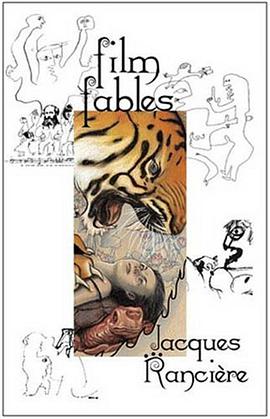
Film Fables
Douban
Jacques Ranciere translator: Emiliano Battista publishing house: Berg Publishers 2006 - 5
"Film Fables "traces the history of modern cinema, moving effortlessly from Eisenstein's and Murnau's transition from theatre to film to Fritz Lang's confrontation with television, from the classical poetics of Mann's Westerns to Ray's romantic poetics of the image, from Rossellini's neo-realism to Deleuze's philosophy of the cinema and Marker's documentaries.
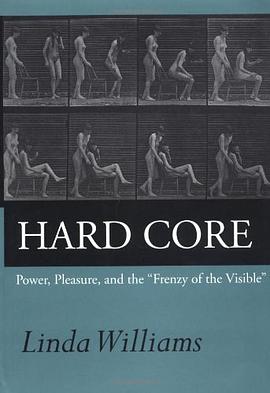
Hard Core
Douban
Linda Williams publishing house: University of California Press 1999 - 4
In this now-classic study, Linda Williams moves beyond the impasse of the anti-porn/anti-censorship debate to analyze what hard-core film pornography is and does--as a genre with a history, as a specific cinematic form, and as part of contemporary discourse on sexuality. For the 1999 edition, Williams has written a new preface and a new epilogue, "On/scenities," illustrated with 25 photographs. She has also added a supplementary bibliography.
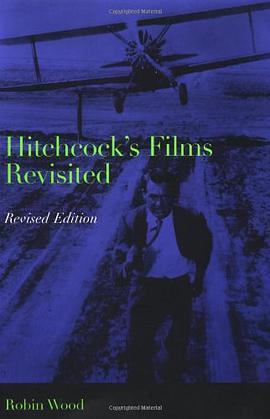
Hitchcock's Films Revisited
Douban
Robin Wood publishing house: Columbia University Press 2002 - 5
When "Hitchcock's Films" was first published, it quickly became known as a new kind of book on film - one that came to be considered a necessary text in the Hitchcock bibliography. When Robin Wood returned to his writings on Hitchcock's films and published "Hitchcock's Films Revisited" in 1989, the multi-dimensional essays took on a new shape - one that was tempered by Wood's own development as a critic. This new revised edition of "Hitchcock's Films Revisited" includes a substantial new preface in which Wood reveals his personal history as a film scholar - including his coming out as a gay man, his views on his previous critical work, and how his writings, his love of film, and his personal life have remained deeply intertwined through the years. This revised edition includes all original eighteen essays and a new chapter on Marnie titled "Does Mark Cure Marnie? Or, 'You Freud, Me Hitchcock.'"
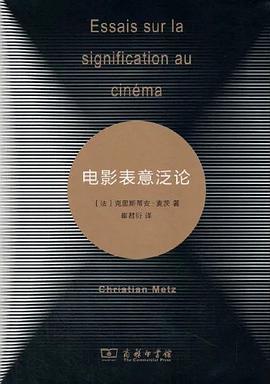
电影表意泛论
Douban
克里斯蒂安•麦茨 translator: 崔君衍 publishing house: 商务印书馆 2018 - 1
电影符号学一代宗师麦茨的论文集《电影表意泛论》是电影思维历史上的一部开创性著述,是电影符号学的奠基性原典。麦茨从现象学、语言学、叙事学、风格学、符号学等诸多方面论述了“电影表意”这一核心命题。全书共分两卷,第一卷(1968年初版)标志着立足于“电影语言”概念的传统美学与现代语言学思维形态的初次相逢;第二卷(1972年初版)补充了此前的论述,论证了符号学与电影思维成果的密切联系,涉及对第一符号学的自我审视,也预示了向第二符号学的演变。
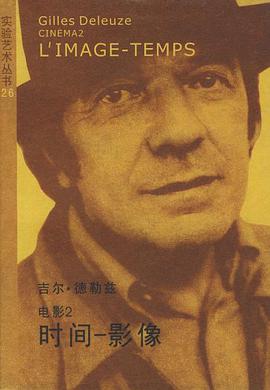
时间―影像
Douban
★ 9.3 11 ratings
德勒兹 translator: 谢强/蔡若明/马月 publishing house: 湖南美术出版社 2004 - 8
几乎可以这样说,德勒兹谈电影的两卷本著作也许是你这辈子所能读到的最深刻的电影论著了。为何如此绝对?因为跟你同时代的思想家们未必有希望超越德勒兹。 德勒兹是法国20世纪最伟大的哲学家之一,跟他不相上下的哲学家尚有几位,可惜他们都没有写过电影方面的论著。《电影2:时间-影像》是两卷本著作的第二卷,第一卷的题目是《电影1:运动-影像》。现在我们不必追问为什么中译本先推出第二卷,而不是先推出第一卷,或者同时推出。热爱电影的读者,你们要做的第一件事就是赶紧去书店把它抢购到手,因为该书只印了3000册,而中国有多少热爱电影的人会跟你竞争啊!
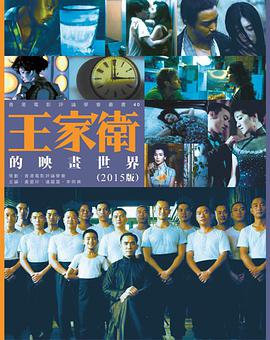
王家衛的映畫世界
Douban
★ 8.5 11 ratings
香港電影評論學會 publishing house: 三聯書店(香港)有限公司 2015 - 1
王家衛是九十年代以來,在香港備受爭議、在海外力受追捧的香港導演。 2004年出版的《王家衛的映畫世界》由多位香港資深影評人編寫,是由香港觀點出發的王家衛專論集,是認識王家衛作品,認識香港電影文化的必讀本。事隔十年,慢工出細貨的王家衛完成了兩部長片:《藍莓之夜》(My Blueberry Nights,2007)和《一代宗師》(2013),但此期間修復並重新剪輯了《東邪西毒終極版》(2009),還拍了多部短片和廣告片。《王家衛的映畫世界》(2015版),在原書的基礎上,對結構和內容重做整理,討論這十年來的新作。 本書從不同角度分析王家衛電影的重要性及藝術性。第一部份「橫移綜論」暢談貫穿王家衛作品裡的題旨、風格特色及其成功的背景;第二部份「大寫特寫」從首作《旺角卡門》到最新的《一代宗師》,細論每套電影。第三部份「面對面」,王家衛現身說法,杜可風、張叔平、譚家明、劉鎮偉、徐皓峰細談合作之道,梁朝偉、潘廸華、張曼玉、章子怡憶述傳奇的背後種種。
贾想 I
Douban Goodreads
★ 9.0 117 ratings
贾樟柯 / 万佳欢 编 publishing house: 理想国|台海出版社 2017 - 6
★ 刚才有年轻人问:“谁能救救我们?”我的回答可能会让年轻人不舒服:这是奴才的思维。永远不要等着谁来救我们。我们都得一步一步救自己,我靠的是一笔一笔地画画,贾樟柯靠的是一寸一寸的胶片。 ——陈丹青 ★陈丹青称他为“不一样的动物”。戛纳国际电影节“金马车奖”获得者,首个获得该奖的华人导演贾樟柯第一部回顾其电影创作和思路历程的著作。 ★我想用电影去关心普通人,首先要尊重世俗生活。在缓慢的时光流程中,感觉每个平淡生命的喜悦或沉重。“生活就像一条宁静的长河”,让我们好好体会吧。 北岛在一篇散文中写道:人总是自以为经历的风暴是唯一的,且自喻为风暴,想把下一代也吹得东摇西晃。 最后他说,下一代怎么个活法?这是他们自己要回答的问题。 我不知道我们将会是怎么个活法,我们将拍什么样的电影。 因为“我们”本来就是个空洞的词——我们是谁? ——贾樟柯 ★“邮政绿”皮面软精装设计,适合随身携带,细细品读“柯长”对电影艺术、社会现状的深刻思考。 本书稿是著名电影导演贾樟柯第一部回顾其电影创作和思路历程的著作,也是对其1996到2008年这十余年来导演生涯的梳理与总结,全景记录了这些年来其思考和活动的踪迹。此书2009年由北京大学出版社首次出版,此次经作者重新修订,改版推出。书中收录了贾樟柯导演生涯各时期对电影艺术孜孜不倦的探索和独特的思考,另有多篇与电影界、艺术界、媒体等多领域关键人物的代表性访谈。全书以贾樟柯所拍电影为纲,所有收录文章以发表的时间顺序排列,呈现出导演个人敏感而执着的心路历程,也体现出贾樟柯以电影抒写乡愁的深切情怀。 摄影机面对物质却审视精神。 在人物无休止的交谈、乏味的歌唱、机械的舞蹈背后,我们发现激情只能短暂存在,良心成了偶然现象。 这是一部关于现实的焦灼的电影,一些美好的东西正在从我们的生活中迅速消失。我们面对坍塌,身处困境,生命再次变得孤独从而显得高贵。 <导演的话>(“1998年,小武”) 我想用电影去关心普通人,首先要尊重世俗生活。在缓慢的时光流程中,感觉每个平淡生命的喜悦或沉重。“生活就像一条宁静的长河”,让我们好好体会吧。 北岛在一篇散文中写道:人总是自以为经历的风暴是唯一的,且自喻为风暴,想把下一代也吹得东摇西晃。 最后他说,下一代怎么个活法?这是他们自己要回答的问题。 我不知道我们将会是怎么个活法,我们将拍什么样的电影。 因为“我们”本来就是个空洞的词——我们是谁? <我不诗化自己的经历> 在法国的一家影院,我观看了文德斯的最新纪录片《乐满哈瓦那》(Buena Vista Social Club)。这部主要拍摄于古巴、讲述几个老爵士乐手生活的影片也是用数码技术拍摄,而后转为胶片的电影。银幕上粗颗粒的影像闪烁着纪录的美感,而数码摄像机灵巧的拍摄特点,也为这部影片带来了丰富的视点。观看过程中始终伴随着观众热情的掌声,不禁让我感慨,一种新的电影美学正在随数码技术的发展而成型。数码摄像机对照度的低要求,极小的机身,极易掌握的操作,极低的成本,都使我们看到一种前景。 <有了VCD 和数码摄像机以后> 这些年来,我目睹了太多朋友想拍一部电影而经历的遭遇。有的人怀抱一叠剧本,面对“推销者勿入”的牌子,艰难地推开一家又一家公司。在各种各样的脸色面前,自尊心严重受挫,理想变成了凶手。有的人将希望寄托在人际关系之上,千方百计广交朋友,在逢场作戏中盼望碰到大哥,能帮小弟一把。但大哥总在别处,希望总在前方。有一天突然会有“老板”拿走你的剧本,一年半载后,才发现“老板”也在空手套白狼,而且不是高手。也有人在向外国人“公关”,参加几次外交公寓的party 后,才发现洋务难搞,老外也一样实际。大小娱乐报纸你方唱罢我登场,一片繁荣景象。但在北太平庄一带遛遛,心里依旧凄凉。机会看起来很多却无从入手。于是电影研究得越来越少,社交能力越来越强。几个同病相怜的朋友偶尔相聚,在北航大排档喝闷酒,猜拳行令时开口便是:“人在江湖漂呀,谁能不挨刀呀!一刀,两刀……” <东京之夏> 后来有人跟我说,你选择小偷这样一个角色作为主要人物缺乏普遍意义,不符合你记录这个时代的创作意图。我觉得要谈一个作品里的角色有没有普遍性并不在于他具体的社会身份是什么,而在于你是否能从人性的角度去对这个特定的角色加以把握。 我之所以会对小偷这个角色感兴趣,是因为他给我提供了这样一种角度,通过这个角度去切入可以表现出一种很有意思的关系转换。譬如小武的朋友小勇,他本来也是个小偷,通过贩私烟、开歌厅,摇身一变,成了当地有头有脸的“民营企业家”。这里就有一个价值关系的转换:贩私烟→贸易,开歌厅→娱乐业,像小勇这样的人在这样一个世界里可以通过这种方式如鱼得水地变来变去,不断改变自己的社会地位。只有小偷,到什么时候他也只是个小偷。 我的这种美学偏好,可能多少来源于我对博尔赫斯小说的阅读经验。当然我读的是中文译本,所以我没有办法去判断他原来的文字。通过译本,我所接触到的是一个个不带修饰成分的具体的文字意象,博尔赫斯用这样一种简洁的文字通过白描为我们构筑起了一个扑朔迷离的想象世界—这正是我在拍电影的时候非常想去实现的。像《小武》里梅梅吻了小武以后那一组镜头的安排,画外配上了吴宇森《喋血双雄》里的音响,目的是想制造这样一种间离的效果:使我们的感知能够来来回回地在现实和非现实的两个层面上自由地进行穿梭。 <一个来自中国基层的民间导演(对谈)> 但电影开演后,我一下跌进了杨德昌细心安排的世俗生活中。这是一部关于家庭、关于中年人、关于人类处境的电影。故事从吴念真饰演的中产阶级扩展开去,展示了一个“幸福”的华人标准家庭背后的真相。我无法将这部电影的故事一一道出,因为整部影片弥漫着的“幸福”真相让人紧张而心碎。结尾小孩一句“ 我才七岁,但我觉得我老了”更让我黯然神伤。杨德昌的这部杰作平实地写出了生之压力,甚至让我感觉到了疲惫的喘息。我无法将《一一》与他从前的电影相联系,因为杨德昌真的超越了自己。他可贵的生命经验终于没有被喧宾夺主的理念打断,在缓慢而痛苦的剥落中,裸露了五十岁的真情。而我自己也在巴黎这个落雨的下午看到了2000 年最精彩的电影。 <谁在开创华语电影的新世纪> 我的方法是根本不介入那个所谓的圈子之中,更对其中的恩怨不感兴趣。在北京,相对来说我自己是一个独立的系统,虽然多少有些封闭,但我在其中可以焦点集中地专注于自己的工作。从一开始我就对自己的创作有一个比较完整的规划,希望能够逐渐在电影中建立自己的精神世界。这是一个非常有吸引力的工作方法,让我能不太在意创作之外的事情,包括影展的得失和票房的好坏。因为这两者都不是我的终极目标,让我焦灼的永远是艺术上的问题,而艺术问题是你自己的事情,与圈子无关,与他人无关。 <经验世界中的影像选择(笔谈)> 我特别喜欢安东尼奥尼说的一句话,他说你进入一个空间里面,要先沉浸十分钟,听这个空间跟你诉说,然后你跟它对话。这几乎是一直以来我创作的一个信条,我只有站在真的实景空间里面,才能知道如何拍这场戏,我的分镜头差不多也是这样形成的,它对我的帮助真是特别大。在空间里面,你能找到一种东西,感觉到它,然后信赖它。 我拍了很多空间。火车站、汽车站、候车厅、舞厅、卡拉OK、台球厅、旱冰场、茶楼……后期剪辑的时候,因为篇幅的限制,好多东西不得不去掉,我在这些空间里面找到了一个节奏,一种秩序,就是许多场所都和旅途有关,我选择了最符合这条线的东西。 电影是一种工业,拍电影是一个非常有计划性的工作,一个导演独立制片的方法也是为了尽量减少工业带来的捆绑和束缚。那种束缚不单是制片人的压力,电影审查的控制,电影制作方法本身也是一种规范,DV 带给人一种摆脱工业的快感。在拍公共汽车站的时候,当地的向导先带我们去煤矿拍了一个工人俱乐部。出来以后,就是电影里那个地方,正好有一些人在等车。太阳已经开始下来,一下就有被击中的感觉。我就拍这个地方,一直拍,一直拍,拍了很多东西。当我拍那个老头儿的时候,我已经很满意了,他很有尊严,我一直很耐心地拍他,当我的镜头跟着他上了车的时候,突然有一个女人就闯入了,我的录音师说我那一刻都发抖了。我注视她的时候,她的背景是非常平板的工人宿舍区,那时候我特别有一种宗教感,就一直跟着拍;然后又有一个男人突然进入了,他们什么关系,不知道,最后两个人都走掉了。整个过程里面,我觉得每分钟,都是上帝的赐予。 <《公共场所》自述> 我还是习惯下午在黄亭子见人:约朋友举杯叙旧,找仇家拍桌子翻脸,接受采访,说服制片,恳求帮助,找高人指点。酒喝不多话可不少,我的家乡汾阳产汾酒,常有名人题词。猛然想起不知谁的一句诗:有酒方能意识流,大块文章乐未休。于是又多了一些心理活动。在推杯换盏时心里猛地一沉,知道正事未办,于是悲从心起。话突然少了,趴在桌子上看烛光跳动,耳边喧闹渐渐抽象,有《海上花》的意境。于是想起年华老去,自己也过上了混日子的生活。感觉生命轻浮肉身沉重。像一个老男人般突然古怪地离席,于回家的黑暗中恍惚看到童年往事。知道自己有些醉意,便对司机师傅说:有酒方能意识流。师傅见多了,不会有响应,知道天亮后此人便又会醒:向人赔笑,与人握手,全然不知自己曾如此局促,丑态百出。 到了下午,又在等人。客人迟迟不来,心境已然没有了先前的躁动,配合下午清闲的气氛,站起来向窗外望。外面的人们在白太阳下骑车奔忙,不知在追逐什么样的际遇。心感苍生如雀,竟然有些忧伤。突然进来一位中年女子,点一杯酒又让小陈放张信哲的歌,歌声未起,哭声先出。原来这酒吧也是可以哭的地方。 现在再去黄亭子,酒吧已经拆了,变成了土堆。这是一个比喻,一切皆可化尘而去。于是不得不抓紧电影,不为不朽,只为此中可以落泪。 <有酒方能意识流>