王昌伟
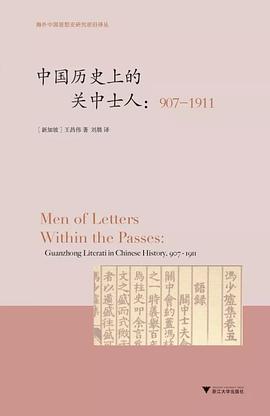
中国历史上的关中士人
Men of Letters Within the Passes: Guanzhong Literati in Chinese History, 907-1911 Douban
[新加坡] 王昌伟 translator: 刘晨 publishing house: 浙江大学出版社 2017 - 11
说起关中,人们会想到钟鸣鼎盛的周王朝,天下一统的秦帝国,还有说不尽的汉唐盛世,一时文采风流,霓裳羽衣,百国朝贺。唐以后的关中,不复昔日繁华,这一时段的发展史也鲜少被关注,"衰落"似乎成为这一"古帝王之洲"的定义性特征。 关中之名始于战国时期,因为西有散关(大散关),东有函谷关,南有武关,北有萧关,故取意四关之中。关中地区在中国历史上曾经是十三朝古都,本书的主题即是阐述当关中地区自宋代以降不再是中国的政治中心以后,该地区的文化与中国其他地区的文化之间的关系。作者考察了关中士人如何建立了三对观念:朝廷的/地方的,官府的/民间的,中心的/地区性的,并进一步探讨了中国近一千年来士人的自我身份建构等问题。 本书从地方的角度讨论政府与社会的关系,展示了士人怎样在"官方"管制下的地方形成了"非官方"的空间,以期在政府与地方的互动中寻找和谐的契合点。关中士人预想的是将地方变成一个联合事业的纽带,联系一个"温和"的政府与一批以"非官方"身份行动的士人。这样一个理想的社会秩序中并无政府与社会的分立;这两者可以化成一个有凝聚力的体系,其中"非官方"的精英士人可以得到官方的支持来管理地方社会,而以朝廷为中心的政府始终是最终的权威。 本书的一个鲜明论点就是呈现了作为"意识"(consciousness) 的地方,"意识"强调的是人的思想情感与空间的结合,代表着理性与情感、知识与道德的交叉地带。在关中士人参与公共事物的诸种努力中——无论是修族谱、编纂地方志,促进关学的形成,还是努力为地方与中央政府寻找合作互惠的切合点——无不显示了眷眷乡情与理性思考的结合,以及地方历史知识的记录与道德伦理的融合。 关中的乡土社会见证了一代"关西陋儒"参与地方公共事务的努力。革命后的中国乡村已无法延续传统的士绅共同体的精英治理模式。我们只能在书中一瞥那远去的贤人的背影。二十一世纪的中国已经意识到某些社会力量的缺失所造成的社会代价,并有意恢复"乡绅社会"/"乡贤社会"的传统。是否可能恢复这一传统,或者要怎样才能恢复,"乡贤回乡的上虞现象"是否可以普及,我们不得而知。但是,也许今天的中国社会可以抛却形式的考虑,尝试以变体的方式实践如"关西陋儒"一般的非官方士人在地方社会的公共精神。
To read Dec. 30, 2017
前室友译作!
王昌伟
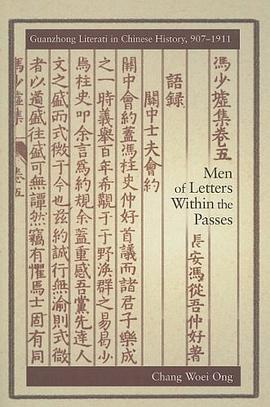
Men of Letters Within the Passes
Douban
Chang Woei Ong publishing house: Harvard University Asia Center 2008
The main theme of this book is the interaction between two "places," China and Guanzhong, the capital area of several dynasties. It addresses such questions as What do we mean by "local"? Did the inhabitants of a locality believe that being "local" required them to assume a certain identity? If so, how did they talk and write about it? Were there spatial and temporal differences in the representation of locales?This work examines how Guanzhong literati conceptualized three sets of relations: central/regional, "official"/"unofficial," and national/local. It further traces the formation over the last millennium of the imperial state of a critical communal self-consciousness, the role of this consciousness in constructing a local identity and promoting an "unofficial" space for nonofficial elite activism, and the effect of the presence (or absence) of this consciousness on literati views of central-regional relationships. The issue here is not whether there can be a shared national culture, but whether this culture can be perceived as having regional variations and therefore contributing to the formation of a local identity.