王笛
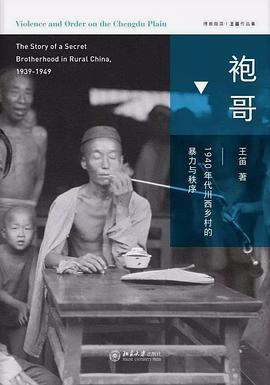
袍哥
Violence and Order on the Chengdu Plain:The Story of a Secret Brotherhood in Rural China, 1939-1949 Douban Goodreads
★ 7.0 50 ratings
王笛 publishing house: 北京大学出版社 2018 - 10
袍哥是1949年之前活跃于长江中上游的秘密社会组织,其影响力与青帮、洪门不相上下。当其最盛时,川省约有70%成年男子加入,影响力及于各个角落,在川军、湘军中影响巨大,也是清末革命中的重要力量。 · 本书从一桩1939年的杀人案和一本尘封七十多年的报告出发,结合丰富的图文资料,细致入微地考察了袍哥组织及近代基层社会的权力运作,审视了袍哥成员及其家庭在动荡的大时代下个人命运的沉浮,揭开具有神秘色彩的袍哥世界的“日常”面目,呈现出一幅饱满、立体、生动的近代川西社会图景。
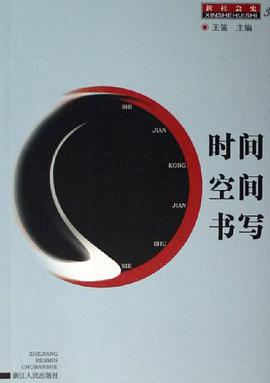
时间.空间.书写
Douban
王笛 主编 publishing house: 浙江人民出版社 2006 - 8
《时间空间书写》文章涉及的问题是多方面的,我们既可以观察到日常生活和社会冲突,以及日常生活中所遭受的身体和疾病问题,也可以看到人们关于人种、优生、再婚的认识。这些认识,总是与政治纠葛在一起。由此我们看到,无论研究多么具体的日常生活或生命身体问题,其实都不可避免地进入国家与地方政治的讨论。
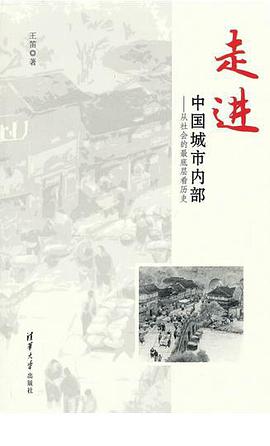
走进中国城市内部
Douban Goodreads
王笛 publishing house: 清华大学出版社 2013 - 7
《走进中国城市内部:从社会的最底层看历史》作者以简明清新的笔调,展示出西方思潮与本土文化的冲突、精英阶层与底层民众的冲突、国家权力与社会功能的冲突,不但表达了对民众及其所代表的文化的认同、对国家权力无限膨胀的担忧,还借由某个或某些特定的公共空间,在时代变迁的历史画卷中,描绘出自己对于历史与现实、国家与社会关系的理解。
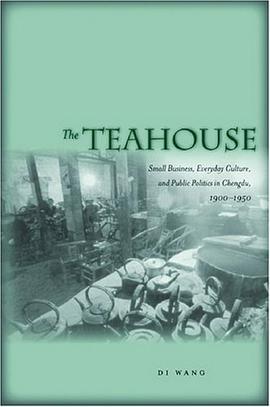
The Teahouse
Douban
Di Wang publishing house: Stanford University Press 2008 - 6
This is the first book-length history of Chinese teahouses in the English-speaking world or in China. The Teahouse examines economic, social, political, and cultural changes as funneled through the teahouses of Chengdu during the first half of the twentieth century. The images brought together in this work paint a complete picture of everyday culture in the most basic unit of public life. This microhistorical examination of the teahouse and public life takes us into the heart of a city to explore urban society in depth, and provides a new way to look at the Chinese city and at daily life.
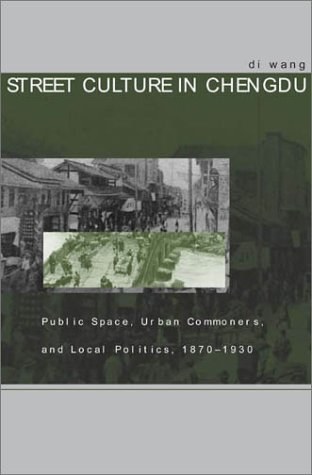
Street Culture in Chengdu
Douban Goodreads
Di Wang publishing house: Stanford University Press 2003 - 7 other title: Street Culture in Chengdu: Public Space, Urban Commoners, and Local Politics, 1870-1930
Winner of the Urban History Association's 2005 Best Book in Non-North American Urban History Award. In traditional Chinese cities, a lively street culture was an important part of popular culture, and street life was central to the daily lives of city dwellers, especially the lower classes. This book examines street culture in Chengdu, an under-studied inland city, during the transformative decades between 1870 and 1930, in order to explore various the relationship between urban commoners and public space; the role that community and neighborhood played in public life; how the reform movement and the Republican revolution changed everyday life; and how popular culture and local politics interacted. Drawing on a rich array of Chinese and Western sources―including archives, local newspapers, gazetteers, personal records, folk literature, and field investigation―the author argues that life in public spaces was radically transformed in Chengdu during these eventful years.