贺喜

浮生
The Fisher Folk of Late Imperial and Modern China : An Historical Anthropology of Boat-and-Shed Living Douban
贺喜
/
科大卫 主编
publishing house:
中西书局
2021
- 6
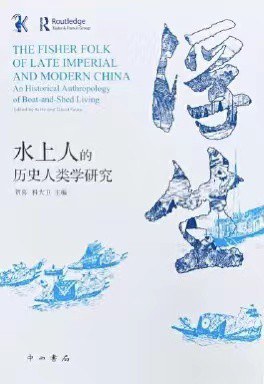
在很长的历史时期内,中国的沿海、沿江、沿湖生活着大量的水上人。这些人或被称为“疍”,或被称为“九姓渔户”,等等。这些称呼的背后往往交织着陆上人与水上人之间的权力关系。历史上,水上人往往不被允许上岸建屋居住,他们也很少掌握文字,因此撰写水上人历史的,几乎都是陆上人,采取的是陆上人的眼光。本书即试图去理解这样一个文字记录很不全面的社会历史,解读其与“陆上人”的联系与交流。
The Fisher Folk of Late Imperial and Modern China
Douban
He Xi
/
David Faure (Editors)
publishing house:
Routledge
2015
The Historical Anthropology of Chinese Society Series
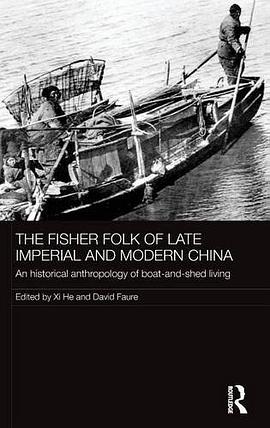
Although most studies of rural society in China deal with land villages, in fact very substantial numbers of Chinese people lived by the sea, on the rivers and the lakes. In land villages, mostly given to farming, people lived in permanent houses, whereas on the margins of the waterways many people lived in boats and sheds, and developed their own marked features, often being viewed as pariahs by the rest of Chinese society. This book examines these boat and shed living people. It takes an "historical anthropological" approach, combining research in official records with investigations among surviving boat and shed living people, their oral traditions and their personal records. Besides outlining the special features of the boat and shed living people, the book considers why pressures over time drove many to move to land villages, and how boat and shed living people were gradually marginalised, often losing their fishing rights to those who claimed imperial connections. The book covers the subject from Ming and Qing times up to the present.