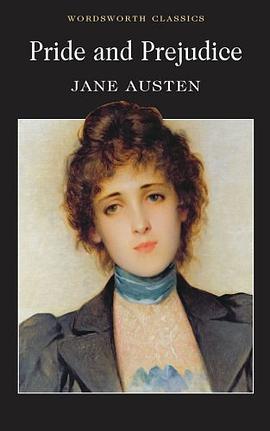
Austen
劝导
Persuasion Douban
★ 7.9 14 ratings
[英国] 简·奥斯丁 translator: 孙致礼 / 唐慧心 publishing house: 译林出版社 1996
《劝导》描写了一个曲折多磨的爱情故事。贵族小姐安妮・埃利奥特同青年军官温特沃思倾心相爱,订下了婚约。可是,她的父亲沃尔特爵士和教母拉塞尔夫人嫌温特沃思出身卑贱,没有财产,极力反对这门婚事。安妮出于“谨慎”,接受了教母的劝导,忍痛同心上人解除了婚约。八年后,在战争中升了官、发了财的温特沃思上校休役回乡,随姐姐、姐夫当上了沃尔特爵士的房客。他虽说对安妮怨忿未消,但两人不忘旧情,终于历尽曲折,排除干扰,结成良缘。 《劝导》的意义并不限于它那动人的爱情描写,也不限于它那关于爱情与谨慎的道义说教,更重要的是,它还具有比较深远的社会意义。这首先表现在:小说对腐朽没落的贵族阶级进行了无情的揭露和批判。沃尔特爵士是个“愚昧无知、挥霍无度的准男爵”,他“既缺乏准则,又缺乏理智,无法保持上帝赐予他的地位”,最后失去了在自己庄园上生息的“义务和尊严”,只能躲到一个小镇上去“沾沾自喜”。作者告诉我们,“爱慕虚荣构成了他的全部性格特征”;而在这爱慕虚荣的背后,又掩盖着他的势利与自私。为了提高自己的“社会地位”,他不惜低三下四地去巴结达尔林普尔子爵夫人母女;为了维护家族的“声誉”,他又竭力阻止安妮嫁给“出身卑贱”的温特沃思上校,阻止安妮同“低贱的伙伴”史密斯夫人交往。不过,具有讽刺意味的是,沃尔特爵士在阻挠女儿的同时,自己家里却收养着一位出身卑贱的妖女人(克莱夫人),长期同她卿卿我我的,差一点把她变成“沃尔特爵士夫人”。这是对那位贵族老爷的绝妙讽刺,充分暴露了他的伪善面孔。 如果说小说对沃尔特爵士的描写体现了作者对贵族等级观念的嘲讽,那么它对埃利奥特先生的刻画则显示了作者对贵族世袭制度的抨击。沃尔特爵士因为没有儿子,便选定他的侄儿威廉・埃利奥特做假定继承人,并指望他能娶他的长女伊丽莎白为妻。怎奈埃利奥特是个“诡计多端、冷酷无情”的负心人,他一心向往发财致富,竟“把家族的荣誉视若粪土”,根本不把爵士父女放在眼里,硬是娶了一个“出身低贱的阔女人”。后来,在贪婪和纵乐之余,他逐渐认识了准男爵的“价值”,赶忙跑到爵士府上修好。当他发现克莱夫人正在追求沃尔特爵士,因而有可能危及他的继承权时,便又不择手段地使用阴谋诡计,甚至想娶安妮为妻,以便利用做女婿之便,守在近前监视沃尔特爵士,不让他续娶克莱夫人。安妮同温特沃思订婚后,他的奢望破灭,最后使出杀手锏,诱使克莱夫人做了他的姘头。看,沃尔特爵士的未来继承人竟是这样一个心狠手辣的恶棍! 《劝导》不仅塑造了几位令人生厌的反面人物,而且塑造了一些讨人喜爱的正面人物。安妮・埃利奥特是个异乎寻常的女主角,她聪慧,美丽,对爱情既忠贞,又谨慎,因而导致了八年的不幸遭遇。后来,她同温特沃思回顾这段不幸时,能用一种遁世、和解的眼光看待是非,并不怨天尤人。所以有的评论家感叹说:所有小说的女主角中,很少有人像安妮・埃利奥特那样招人喜爱,令人同情。另外,以温特沃思上校为代表的一伙海军军官,他们一个个是那样开朗,那样真挚,那样热情,与沃尔特爵士、埃利奥特一伙形成了鲜明的对照。难怪安妮能“为做一个水兵的妻子而感到自豪”!
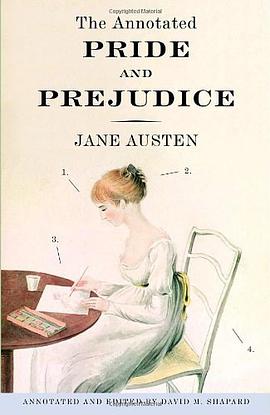
Pride and Prejudice
Douban
Jane Austen / Introduction by Ian Littlewood publishing house: Wordsworth Editions Ltd 1995 - 9
《傲慢与偏见》主讲了奥斯丁的讽刺艺术,不仅表现在某些人物的喜剧性格上,也不仅表现在众多情节的喜剧性处理上,而且还融汇在整个故事的反讽构思中,让现实对人们的主观臆想进行嘲讽。男主角达西最初断定,贝内特家有那么多不利因素,几个女儿很难找到有地位的男人,可后来恰恰是他娶了伊丽莎白。而伊丽莎白呢,她曾发誓决不嫁给达西,可最后还是由她做了达西夫人。再看看那个不可一世的凯瑟琳·德布尔夫人,为了阻止伊丽莎白与她外甥达西攀亲,她不辞辛劳,亲自出马,先是跑来威吓伊丽莎白,继而跑去训诫达西,殊不知正是她这次奔走为两位默默相恋的青年通了信息,促成了他们的美满结合。更令人啼笑皆非的是,就在这几位“智者”受到现实嘲弄的同时,书中那位最可笑的“愚人”贝内特太太,最后却被证明是最正确的。她认为:“有钱的单身汉总要娶位太太,这是一条举世公认的真理。”这种荒谬与“真理”的滑稽转化,尽管超越了一般意义上的是非观念,但却体现了作者对生活的深刻思索。 It is a truth universally acknowledged, that a single man in possession of a good fortune, must be in want of a wife."Next to the exhortation at the beginning of Moby-Dick, "Call me Ishmael," the first sentence of Jane Austen's Pride and Prejudice must be among the most quoted in literature. And certainly what Melville did for whaling Austen does for marriage——tracing the intricacies (not to mention the economics) of 19th-century British mating rituals with a sure hand and an unblinking eye. As usual, Austen trains her sights on a country village and a few families——in this case, the Bennets, the Philips, and the Lucases. Into their midst comes Mr. Bingley, a single man of good fortune, and his friend, Mr. Darcy, who is even richer. Mrs. Bennet, who married above her station, sees their arrival as an opportunity to marry off at least one of her five daughters. Bingley is complaisant and easily charmed by the eldest Bennet girl, Jane; Darcy, however, is harder to please. Put off by Mrs. Bennet's vulgarity and the untoward behavior of the three younger daughters, he is unable to see the true worth of the older girls, Jane and Elizabeth. His excessive pride offends Lizzy, who is more than willing to believe the worst that other people have to say of him; when George Wickham, a soldier stationed in the village, does indeed have a discreditable tale to tell, his words fall on fertile ground. Having set up the central misunderstanding of the novel, Austen then brings in her cast of fascinating secondary characters: Mr. Collins, the sycophantic clergyman who aspires to Lizzy's hand but settles for her best friend, Charlotte, instead; Lady Catherine de Bourgh, Mr. Darcy's insufferably snobbish aunt; and the Gardiners, Jane and Elizabeth's low-born but noble-hearted aunt and uncle. Some of Austen's best comedy comes from mixing and matching these representatives of different classes and economic strata, demonstrating the hypocrisy at the heart of so many social interactions. And though the novel is rife with romantic misunderstandings, rejected proposals, disastrous elopements, and a requisite happy ending for those who deserve one, Austen never gets so carried away with the romance that she loses sight of the hard economic realities of 19th-century matrimonial maneuvering. Good marriages for penniless girls such as the Bennets are hard to come by, and even Lizzy, who comes to sincerely value Mr. Darcy, remarks when asked when she first began to love him: "It has been coming on so gradually, that I hardly know when it began. But I believe I must date it from my first seeing his beautiful grounds at Pemberley." She may be joking, but there's more than a little truth to her sentiment, as well. Jane Austen considered Elizabeth Bennet "as delightful a creature as ever appeared in print". Readers of Pride and Prejudice would be hard-pressed to disagree. ——Alix Wilber 点击链接进入中文版: 傲慢与偏见
Read
Jan. 20, 2008
为什么我就是欣赏不了Jane Austen......
Austen