Beckert
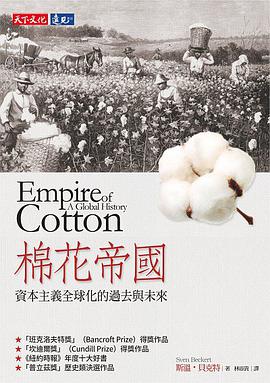
棉花帝國
Empire of Cotton: A Global History Google Books Douban
斯溫.貝克特 translator: 林添貴 publishing house: 遠見天下文化出版股份有限公司 2017 - 2
★「班克洛夫特獎」(Bancroft Prize)得獎作品 ★「坎迪爾獎」(Cundill Prize)得獎作品 ★《紐約時報》年度十大好書 ★「普立茲獎」歷史類決選作品 如同史詩故事般起落的棉花帝國,是世界經濟的中心,既創造也再造了全球資本主義。 棉花是如此普及,幾乎無處不在,了解它的歷史,就是理解現代資本主義起源的關鍵。斯溫•貝克特廣博而迷人的著作,說明歐洲企業家和有力的政治家如何在短時間內,重組這個世界上最重要的製造業;他們將新式機器和受薪勞工與帝國擴張和奴工組合在一起,進而改變世界。這個故事描述的是,在一七八○年代的機械化生產出現之前,這些人從亞洲獲得古老的貿易與製作技巧,並且將它們與在美洲徵用土地和在非洲捕捉奴隸做結合,徹底改造已存在千年之久,位於不同地區的棉花;這股勢力也改變了世界。 棉花帝國自始即為長年以來,全球奴隸與種植者、商人與政治家、勞工與工廠主之間鬥爭的支點。貝克特清楚描述這些勢力如何打造現代資本主義的世界,包括巨大財富與至今仍伴隨我們的不平等現象。其結果是一本既令人揣揣不安,又具有啟發性的著作――一本將棉花的故事與當今全球化世界如何誕生交織在一起的精彩鉅著。 各界精彩推薦 一本重要的學術鉅作,正如貝克特的定義,棉花是工業革命的「發射台」。 ――亞當・霍西斯柴德(Adam Hochschild),《紐約時報》書評 重要且卓越……2015年最棒的非小說著作。 ――凱倫・隆(Karen R. Long),美國《新聞日報》 巧妙……深刻的研究,可讀性極高。《棉花帝國》一書為持續擴張的全球資本主義,提供了全新見解……驚人的成就。 ――湯馬斯・本德(Thomas Bender),《紐約時報》 《棉花帝國》一書證明斯溫・貝克特是一位優秀、真正的全球史專家。聰明的閱聽大眾應該如飢似渴地閱讀本書,不該只限於專家學者與學生。《棉花帝國》處理題目的方式豐富且多元。本書的寫作相當優雅,引用一手與二手史料的方法多元且令人印象深刻。關於國際趨勢的概述,則是靈感與難忘軼事的交織……十分期待本書的續集! ――丹尼爾・沃克・豪爾(Daniel Walker Howe),《華盛頓郵報》 聰明的野心之作……一位史學家精雕細琢的名著。 ――提摩西・申克(Timothy Shenk),美國《國家》週刊 引人注目……對想要多了解奴隸制度為何及如何操控歐洲、非洲、美洲的讀者來說,本書非常具有啟蒙性。對那些活在棉花帝國所留下令人困擾的剝削與奴役勞工問題中的人來說,這本書為持續努力實現一個公正與公平的社會,增添了一些靈感。 ――露絲・西蒙斯(Ruth Simmons),美國布朗大學榮譽校長
Read Dec. 2, 2019
170220 | War capitalism | 陆版
Beckert
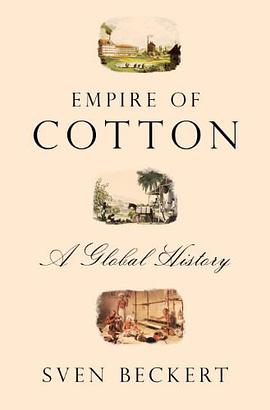
Empire of Cotton
Douban Goodreads
★ 9.0 5 ratings
Sven Beckert publishing house: Knopf 2014
The epic story of the rise and fall of the empire of cotton, its centrality to the world economy, and its making and remaking of global capitalism. Cotton is so ubiquitous as to be almost invisible, yet understanding its history is key to understanding the origins of modern capitalism. Sven Beckert’s rich, fascinating book tells the story of how, in a remarkably brief period, European entrepreneurs and powerful statesmen recast the world’s most significant manufacturing industry, combining imperial expansion and slave labor with new machines and wage workers to change the world. Here is the story of how, beginning well before the advent of machine production in the 1780s, these men captured ancient trades and skills in Asia, and combined them with the expropriation of lands in the Americas and the enslavement of African workers to crucially reshape the disparate realms of cotton that had existed for millennia, and how industrial capitalism gave birth to an empire, and how this force transformed the world. The empire of cotton was, from the beginning, a fulcrum of constant global struggle between slaves and planters, merchants and statesmen, workers and factory owners. Beckert makes clear how these forces ushered in the world of modern capitalism, including the vast wealth and disturbing inequalities that are with us today. The result is a book as unsettling as it is enlightening: a book that brilliantly weaves together the story of cotton with how the present global world came to exist.