Coe
来份杂碎
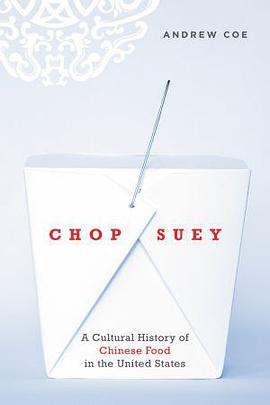
CHOP SUEY: A Cultural History of Chinese Food in the United States Douban
★ 7.8 8 ratings
[美]安德鲁·科伊 translator: 严华容 publishing house: 北京时代华文书局 2016 - 3
原版《来份杂碎》是由牛津大学出版社出版的通俗学术书,记录了中华饮食文明随大量中国移民到达美国后的发展历史,立场中立,可读性强,视角独特,资料详实,对读者了解近代以来中美两国关系的发展,以及中餐对美国本土的影响,有非常高的阅读价值。爱好历史的读者甚至可以在本书中发现许多具有娱乐性的文献。 书中提及的各类史料、文献、插图,均来自纽约公共图书馆、且林士果广场图书馆、尼克松总统图书馆、美国国家档案馆、小弗兰克·梅尔维尔纪念图书馆、班克罗夫特图书馆等多家美国著名图书馆藏,保证了资料的真实性和权威性。 -------------------------------------------------- 自1784年美国的“中国皇后号”商船带着贸易代表团到达中国广州起,中国的饮食文化便进入了美国人的眼帘。在此后的200多年里,中餐与中国文化随着一波又一波华人移民的到来,在美国的土地上得到了蓬勃的发展,与美国文化不断融合,最终演变成一种中国人并不熟悉的美式中餐文化。时至今日,美国的中餐馆已经超过了40,000家。 从食物的角度看,中餐在美国经历了从“舶来食品、穷人食品、快餐食品”到“本土食品、精细食品、文化食品”的过程;从历史的角度看,华人群体在美国也同时经历了从“外来人、开荒人、边缘人”到“华裔美国人、文明人”的过程。作者安德鲁·科伊正是将中餐在美国的历史与中国移民在美国200多年的奋斗过程相结合,呈现出一幅无论是中国人还是美国人都未曾想见却又真实动人的历史画卷。 -------------------------------------------------- 本书从多个角度讲述了美国社会与中餐的相互影响,并囊括了一系列迷人的美食轶事与历史趣闻。 ——《华尔街日报》 这本书探讨了美国人的中餐情结,予人知识,发人深省。 ——巴诺书店评论 根据美食作家科伊所述,美国人对于中国茶的喜爱可以追溯到两百多年以前,而我们对于如何拿筷子的困惑也持续了同样长的时间。在这部简短而浩瀚的著作中,科伊讲述了美国人与天朝上国及其民众,以及中餐之间的曲折故事。该书与它的主题一样,针对一个大话题所做出了全面丰富且掷地有声的分析。 ——《出版人周刊》 科伊的历史故事总是出乎人的意料,其间充满了大量的逸话趣闻。 ——《书单》 作者参考了许多在美国的资料,研究很有力度,内容也有趣且充实,尤其是尼克松访华那一部分。 ——《图书馆报》 美国人对于中餐的爱恨纠葛都在这部研究透彻、生动易读的书中铺陈开来。其中一些美国人对于华人及中餐的误解令人捧腹,还有一些则让人震惊。 ——《金融时报》
To read Nov. 28, 2018
Coe
Chop Suey
Douban
Andrew Coe publishing house: Oxford University Press 2009 - 7
In 1784, passengers on the ship Empress of China became the first Americans to land in China, and the first to eat Chinese food. Today, the United States is home to more Chinese restaurants than any other ethnic cuisine. In this authoritative new history, author Andrew Coe traces the fascinating story of America's centuries-long encounter with Chinese food. CHOP SUEY tells how we went from believing that Chinese meals contained dogs and rats to making regular pilgrimages to the neighborhood chop suey parlor. From China, the book follows the story to the American West, where both Chinese and their food struggled against racism, and then to New York and that crucial moment when Chinese cuisine first crossed over to the larger population. Along this journey, Coe shows how the peasant food of an obscure part of China came to dominate Chinese-American restaurants; unravels the truth of chop suey's origin; illuminates why American Jews fell in love with egg rolls and chow mein; and shows how Nixon's 1972 trip to China opened our palates to a new world of cuisine; and explains why we still can't get dishes like restaurants serve in China. The book also shows how larger historical forces shape our tastes—the belief in Manifest Destiny, the American assertion of military might in the Pacific, and the country's post-WWII rise to superpower status. Written for both popular and academic audiences, CHOP SUEY reveals this story through prose that brings to life the characters, settings and meals that helped form this crucial component of American food culture.
To read April 11, 2016
Coe